5 Homemade Dog Food Recipes For Allergies (That Actually Work)
Homemade dog food recipes for allergies can be a game-changer if your pup keeps scratching, licking their paws, or dealing with tummy troubles. I’ve been down this road myself, and let me tell you, watching your dog suffer from itchy skin or upset stomachs is heartbreaking. The good news? You can fix a lot of this in your own kitchen.
In this guide, I’m sharing five recipes that have genuinely helped dogs with food sensitivities. But I’m not stopping there. I’ll also cover what actually causes these allergies, how to spot them, portion sizes, storage tips, and mistakes that trip up even experienced dog owners.
Why Homemade Recipes Help Dogs With Allergies
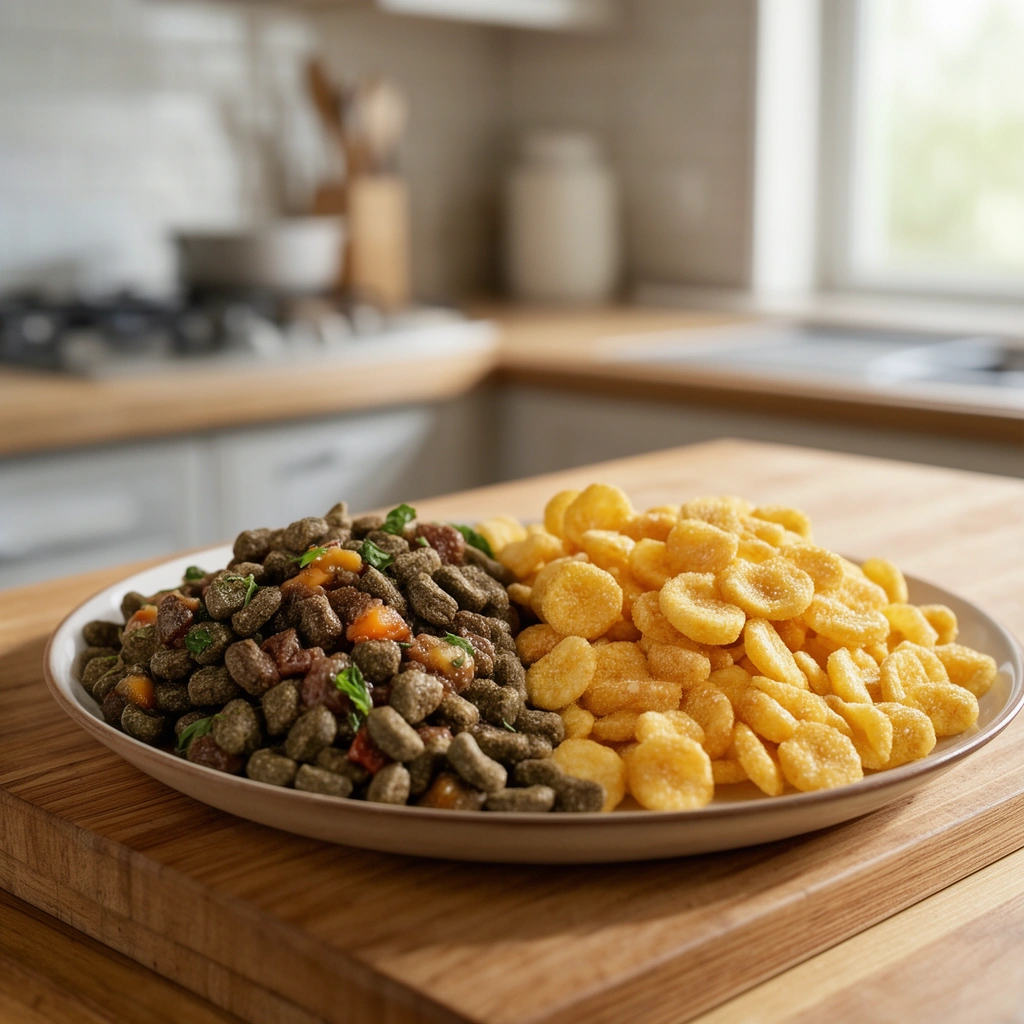
Store-bought kibble often packs in fillers, artificial preservatives, and mystery meats that trigger reactions. When you cook at home, you control every single ingredient. No hidden soy. No unnamed “meat byproducts.” Just clean, simple food your dog’s body can actually recognize and digest.
That control matters. A lot. Dogs with allergies need limited-ingredient meals so you can pinpoint exactly what’s bothering them. Homemade cooking gives you that flexibility store shelves never will.
Understanding Dog Food Allergies: Key Terms
Before jumping into recipes, let’s get clear on what we’re dealing with.
Food Allergy
: An immune system overreaction to a specific protein in food, often causing itching, skin infections, or ear problems.
Food Intolerance
: A digestive issue (not immune-related) that causes vomiting, diarrhea, or gas after eating certain foods.
Elimination Diet
: A feeding method where you remove common allergens, then reintroduce them one at a time to identify the culprit.
Novel Protein
: A protein your dog hasn’t eaten before, like venison or duck, used to reduce allergic reactions.
Hydrolyzed Protein
: Protein broken down into tiny pieces so the immune system doesn’t recognize it as a threat.
Common Allergens Hiding in Dog Food
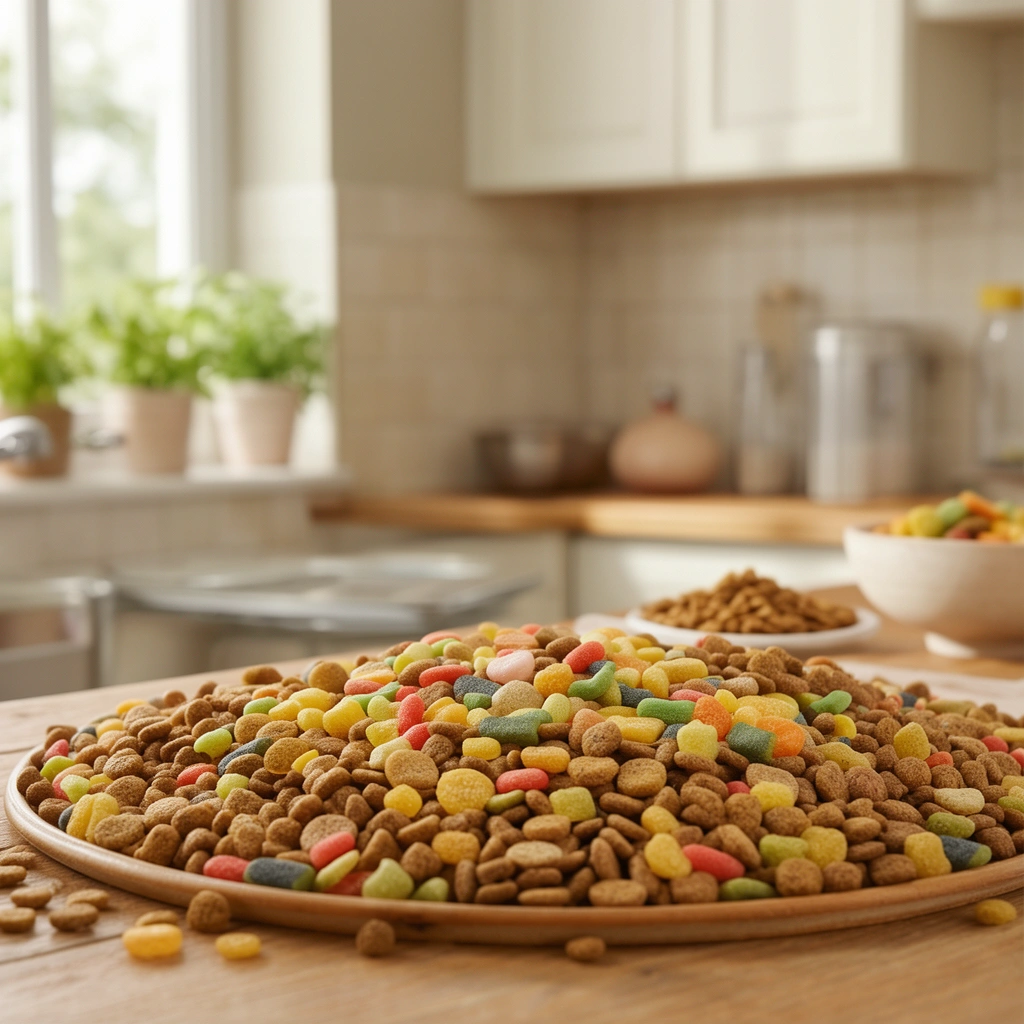
Most allergic reactions in dogs trace back to a short list of ingredients. Knowing these helps you avoid them entirely.
- Beef
- Dairy products
- Wheat and gluten
- Chicken and chicken eggs
- Soy
- Corn
- Lamb (less common but still an issue for some dogs)
If your dog’s current food contains any of these and they’re showing symptoms like red skin, excessive licking, or loose stools, it’s worth trying an elimination approach.
Recipe 1: Turkey and Sweet Potato Bowl

Turkey works great as a novel protein for dogs who’ve mostly eaten chicken or beef their whole lives.
Ingredients:
- 1 pound ground turkey
- 1 medium sweet potato, peeled and diced
- 1 cup green beans, chopped
- 1 tablespoon fish oil
- 1/2 teaspoon turmeric (anti-inflammatory boost)
Steps:
- Boil the sweet potato until soft, about 15 minutes
- Cook ground turkey in a pan over medium heat until fully browned
- Steam green beans separately for 5 minutes
- Mash sweet potato slightly, leaving some texture
- Combine turkey, sweet potato, and green beans in a large bowl
- Stir in fish oil and turmeric once mixture cools
- Portion and store
Recipe 2: Duck and Pumpkin Delight

Duck is another excellent novel protein. Pumpkin adds fiber, which helps calm sensitive stomachs.
Ingredients:
- 1 pound ground duck
- 1 cup pure pumpkin puree (not pie filling)
- 1/2 cup cooked quinoa
- 1 tablespoon olive oil
- Pinch of parsley for freshness
Steps:
- Cook quinoa according to package instructions
- Brown the ground duck in a skillet, breaking up clumps
- Mix cooked duck with pumpkin puree while still warm
- Fold in cooked quinoa
- Drizzle olive oil over the mixture and toss
- Sprinkle parsley on top before serving
Recipe 3: Rabbit and Butternut Squash Stew
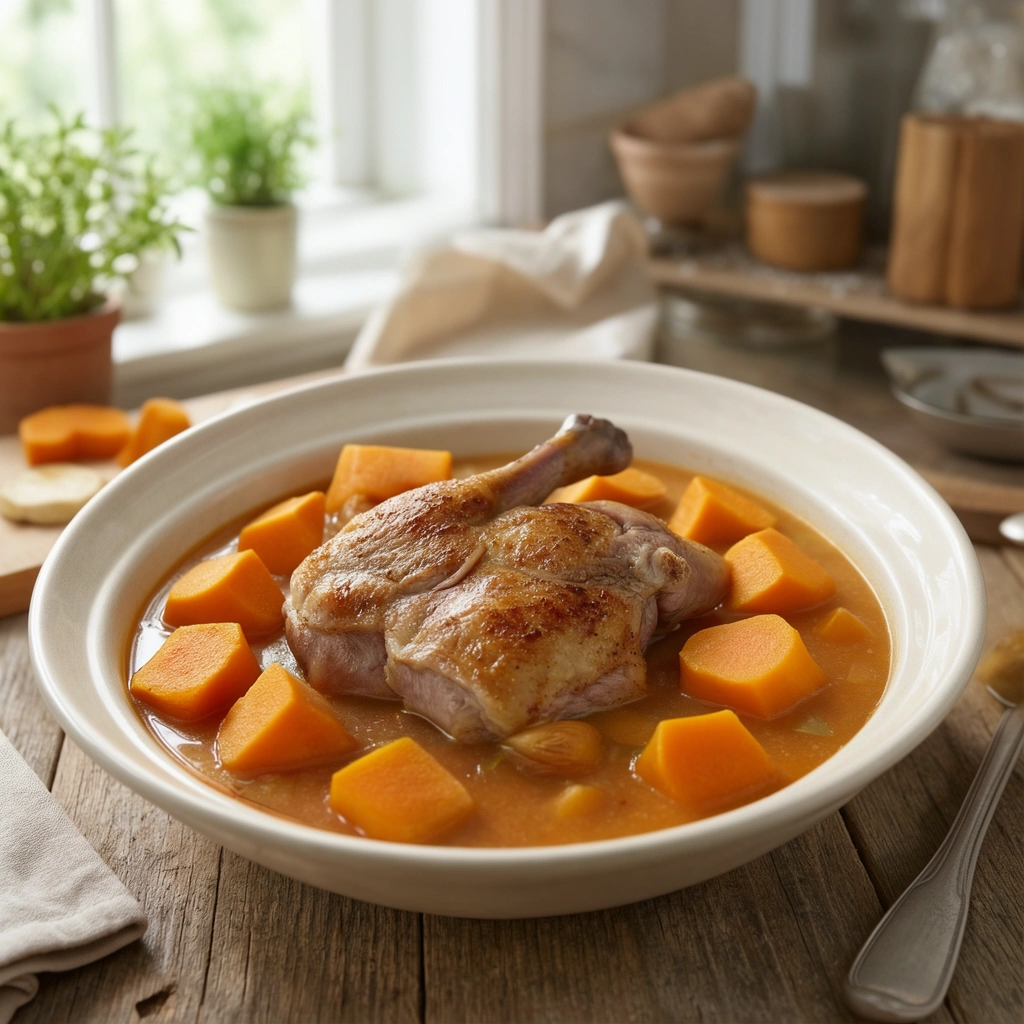
Rabbit meat rarely triggers allergies since most dogs have zero exposure to it beforehand.
Ingredients:
- 1 pound rabbit meat, cubed
- 1 cup butternut squash, cubed
- 1/2 cup carrots, sliced
- 2 cups water or low-sodium bone broth
- 1 teaspoon ground ginger (aids digestion)
Steps:
- Place rabbit meat in a pot with water or broth
- Simmer on low heat for 25 minutes
- Add butternut squash and carrots
- Continue cooking until vegetables soften, roughly 15 more minutes
- Stir in ginger during the last five minutes
- Let cool completely before serving
Recipe 4: Venison and Green Pea Mash
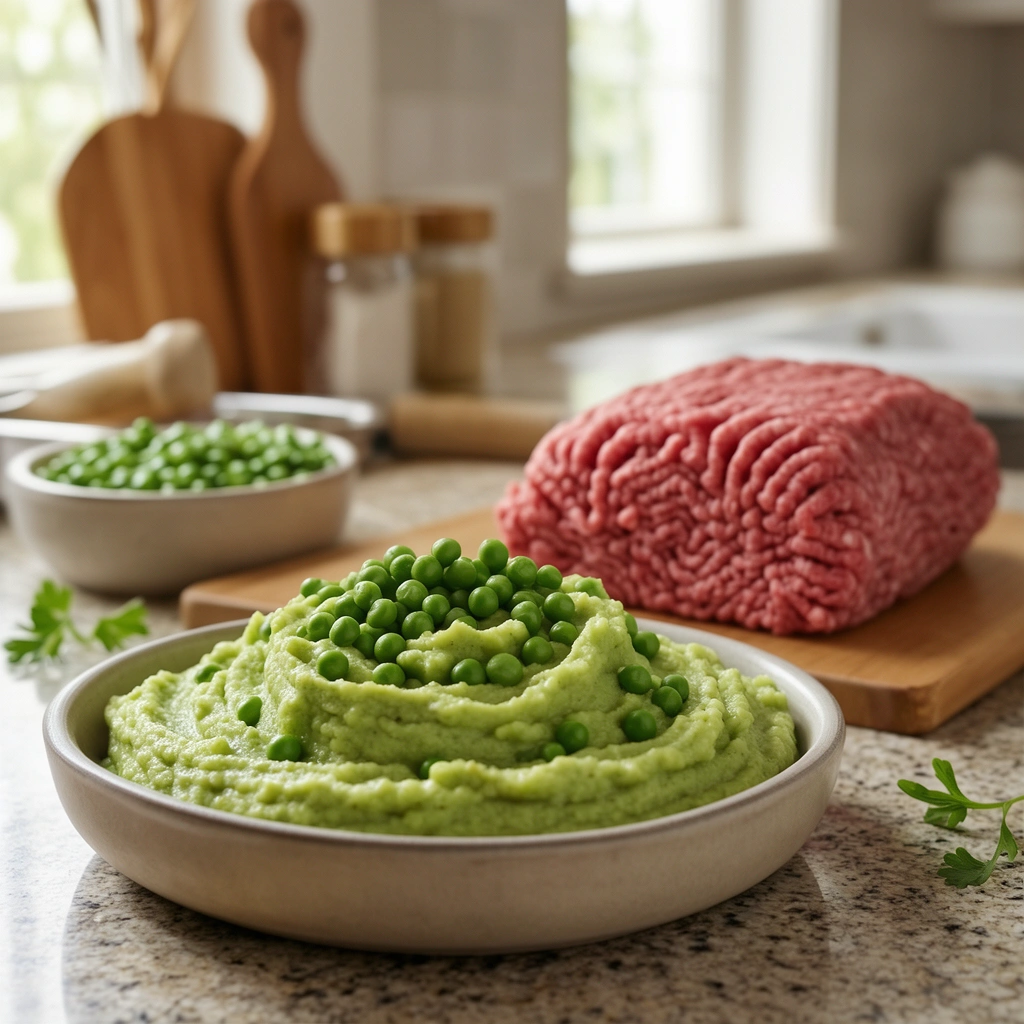
Venison offers rich flavor and is another protein source dogs rarely react to.
Ingredients:
- 1 pound ground venison
- 1 cup green peas, fresh or frozen
- 1/2 cup mashed potato (plain, no butter or milk)
- 1 tablespoon coconut oil
Steps:
- Cook venison thoroughly in a skillet, stirring often
- Boil peas for about 5 minutes, then drain
- Prepare mashed potato without dairy additions
- Combine venison, peas, and mashed potato in one bowl
- Melt coconut oil and mix it throughout
- Cool before portioning into servings
Recipe 5: Fish and Rice Recovery Meal
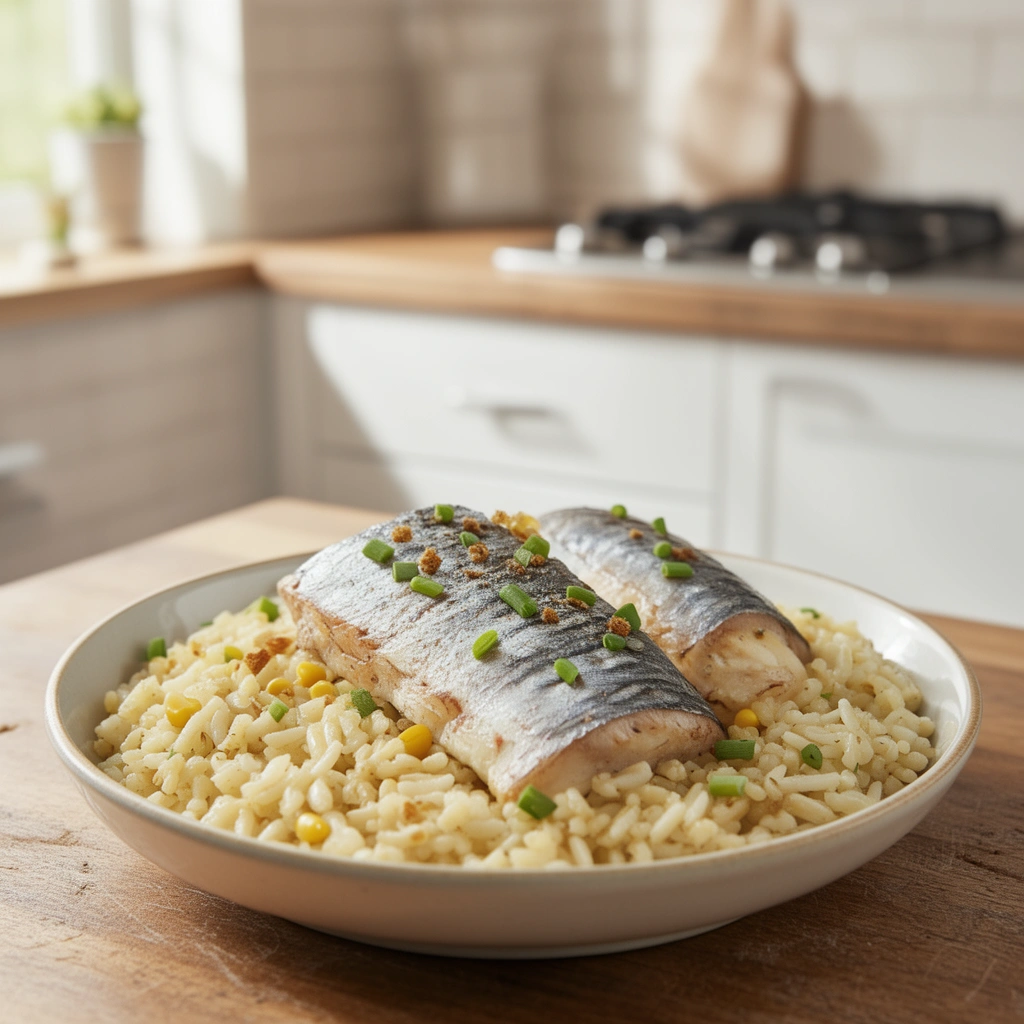
This recipe works well for dogs with severe skin issues since fish provides omega-3s that support skin health.
Ingredients:
- 1 pound white fish (cod or whitefish work well)
- 1 cup white rice, cooked
- 1/2 cup zucchini, diced
- 1 tablespoon flaxseed oil
Steps:
- Bake or poach fish until fully cooked, about 15 minutes
- Cook rice separately according to package directions
- Steam zucchini until tender
- Flake fish into small pieces, removing any bones
- Combine fish, rice, and zucchini in a mixing bowl
- Drizzle flaxseed oil over the top and mix well
How Much Should You Feed?
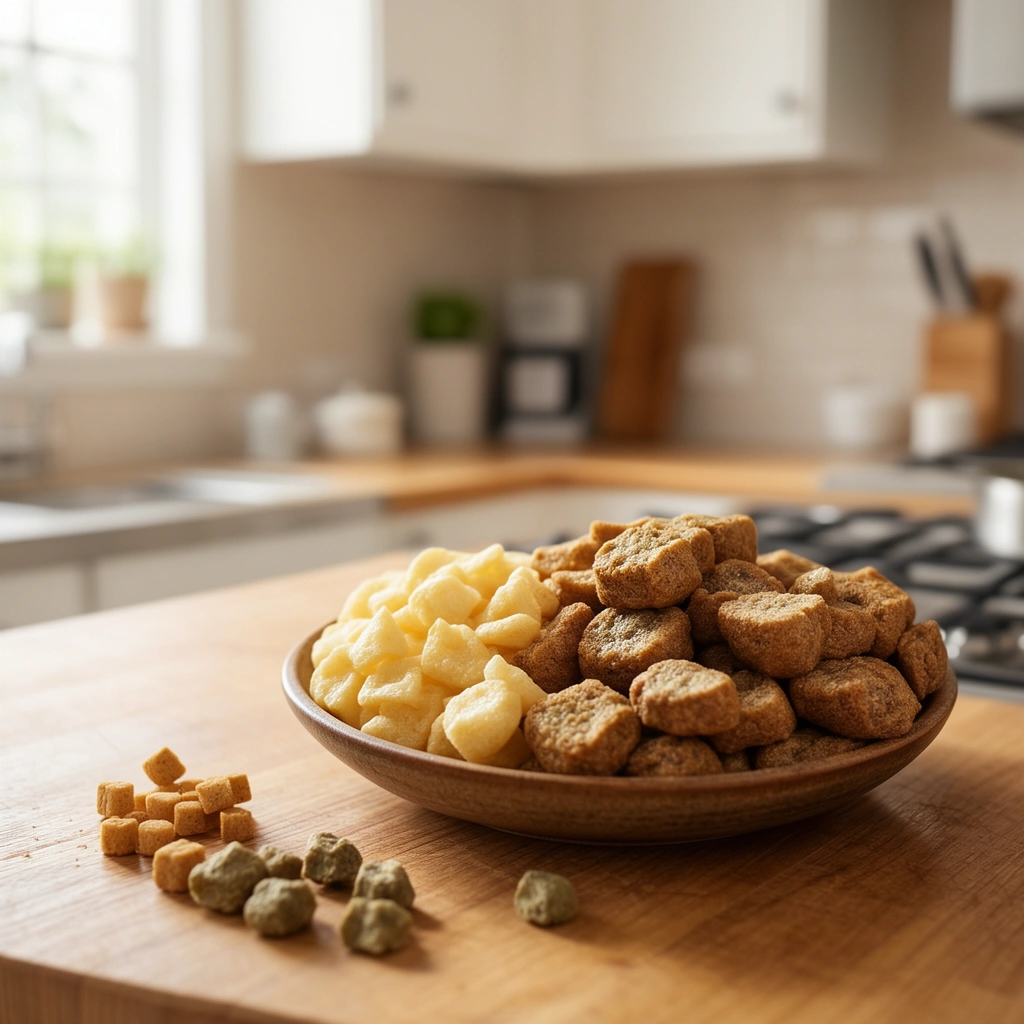
Portion sizes depend heavily on your dog’s weight and activity level. As a rough guide:
- Small dogs (under 20 lbs): 1/2 to 1 cup per meal
- Medium dogs (20-50 lbs): 1 to 2 cups per meal
- Large dogs (50+ lbs): 2 to 3 cups per meal
Always check with your vet since individual needs vary based on metabolism and health conditions.
Tips for Success
- Introduce new proteins slowly over 5-7 days to watch for reactions
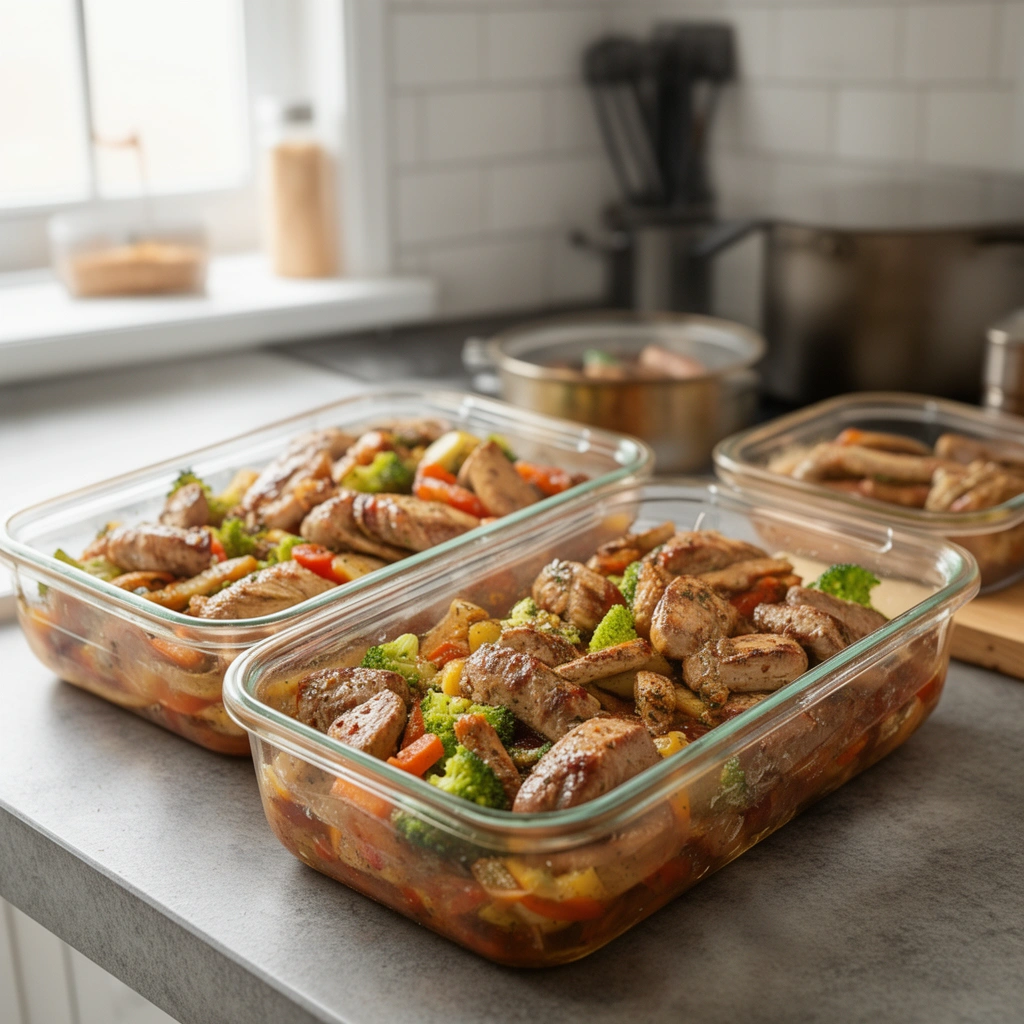
- Cook in bulk and freeze portions in individual containers for easy weekday feeding
- Keep a food journal tracking what your dog eats and any symptoms that follow
- Add a calcium supplement or ground eggshell since homemade meals often lack this mineral
- Stick with one protein source for at least 8-12 weeks before testing another during elimination diets
- Store cooked meals in the fridge for up to 4 days, or freeze for up to 3 months
Common Mistakes and How to Avoid Them
Mistake: Skipping the vet consultation before switching diets.
Fix: Always loop in your vet, especially if your dog has existing health conditions or is on medication.
Mistake: Not balancing calcium and phosphorus properly.
Fix: Add a vet-approved calcium supplement since meat-heavy meals often lack this balance.
Mistake: Introducing multiple new ingredients at once.
Fix: Change one ingredient at a time so you can actually identify what’s causing reactions.
Mistake: Assuming grain-free automatically means allergy-friendly.
Fix: Many dogs react to proteins, not grains. Focus on protein sources first.
Mistake: Forgetting to remove all traces of the allergen from treats and supplements too.
Fix: Check every product your dog consumes, not just their main meals.
Variations You Can Try
Once you’ve nailed down what works, feel free to switch things up:
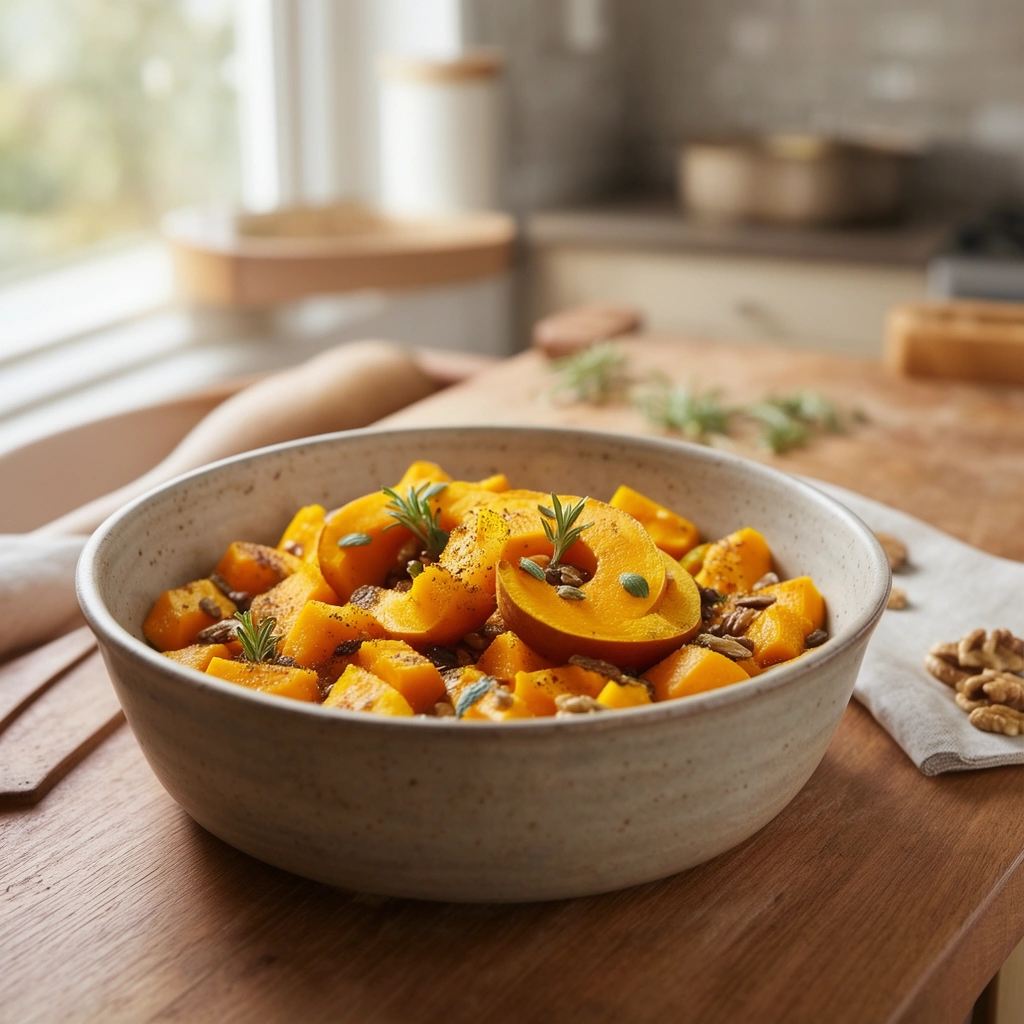
- Swap sweet potato for pumpkin in any recipe for variety
- Replace quinoa with brown rice if your dog tolerates grains fine
- Try bison as another novel protein option
- Add bone broth instead of water when simmering meats for extra nutrients
- Rotate between two or three “safe” proteins once you’ve confirmed no allergic reactions
Wrapping Things Up
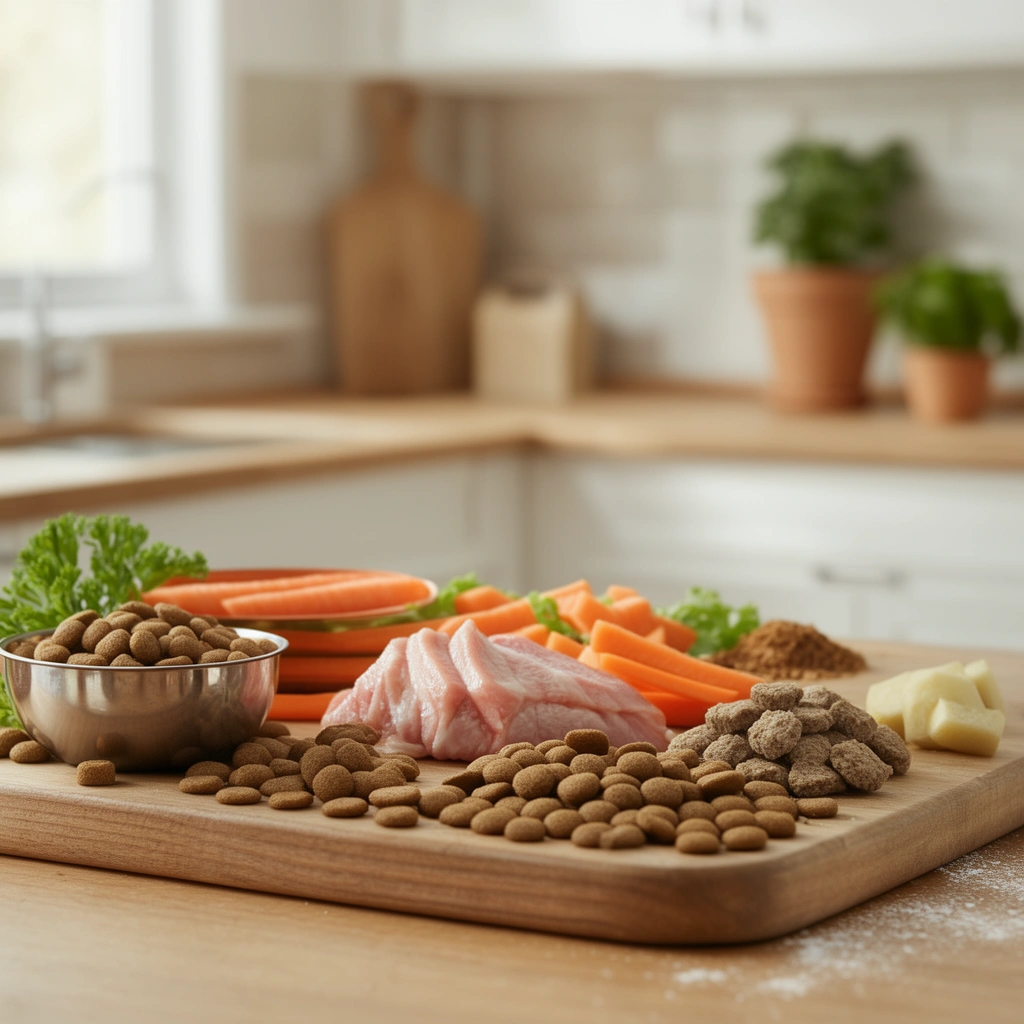
Making homemade dog food recipes for allergies takes a bit more effort than scooping kibble from a bag. But honestly? Watching your dog’s skin clear up or their energy come back makes every minute worth it. Start with one recipe, watch how your pup responds, and adjust from there.
Your dog’s comfort is worth the extra kitchen time. Give these homemade dog food recipes for allergies a try, and I bet you’ll notice the difference within weeks.