5 Best Dog Food For Cocker Spaniels (Plus What Most Guides Miss)
Finding the best dog food for Cocker Spaniels isn’t as simple as grabbing the first bag with a spaniel on the label. I learned that the hard way. My own Cocker, Biscuit, went through three different foods before we found one that stopped his ear infections and itchy paws. So I get why you’re here searching for real answers.
This breed has quirks. Floppy ears that trap moisture. A love for food that can turn into serious weight gain. Skin that reacts to the wrong protein source. A good diet doesn’t just fill their bowl—it manages all of this. That’s what I want to cover here, because most articles just list five bags and call it a day. I’m going to go deeper.
Why Cocker Spaniels Need Special Attention at Mealtime

Before jumping into products, let’s talk about why this breed isn’t a “one size fits all” case.
Cocker Spaniels are prone to a handful of health issues that food can directly affect:
Common Cocker Spaniel Health Concerns
: Ear infections
: Their long, floppy ears block airflow, and yeast infections often connect to food allergies or high-sugar diets.
: Obesity
: This breed loves to eat and doesn’t always know when to stop. Extra weight strains their joints and heart.
: Skin allergies and hot spots
: Many Cockers react to chicken, beef, or wheat-based fillers.
: Heart conditions
: Some lines carry a risk for dilated cardiomyopathy, so taurine and L-carnitine levels in food matter.
: Progressive Retinal Atrophy (PRA)
: Not food-related directly, but antioxidants like lutein support eye health as they age.
Once you understand these risks, picking food gets a lot easier. You’re not just shopping for taste—you’re shopping for a body type and a set of genetic tendencies.
The 5 Best Dog Foods For Cocker Spaniels
Here’s my list, built around real nutritional needs, not just marketing hype.
1. Limited Ingredient Diets for Sensitive Skin
If your Cocker scratches constantly or has recurring ear gunk, a limited ingredient formula with a single novel protein (like duck, venison, or rabbit) is often the fix. Fewer ingredients mean fewer chances for a reaction.
2. Weight Management Formulas
Cockers gain weight fast. A food with L-carnitine, higher fiber, and controlled fat content helps keep them lean without leaving them hungry all day. Look for kibble under 350 calories per cup if your dog is already prone to chubbiness.
3. Grain-Inclusive Formulas With Named Meat First
Grain-free got popular, but it’s been linked to heart issues in some breeds, including Cockers. A quality grain-inclusive food with real oats or brown rice, paired with named meat (chicken meal, salmon, lamb) as the first ingredient, is usually the safer long-term bet.
4. Small Breed Senior Formulas
Cockers live 12 to 15 years, and their needs shift as they age. Senior formulas with glucosamine, chondroitin, and lower calorie density support joints without packing on extra pounds.
5. Fresh or Gently Cooked Food Delivery
This one gets skipped in most competitor lists. Fresh food brands that ship pre-portioned meals are a great option for owners who want total ingredient control, especially for dogs with multiple sensitivities.
Key Terms Every Cocker Owner Should Know
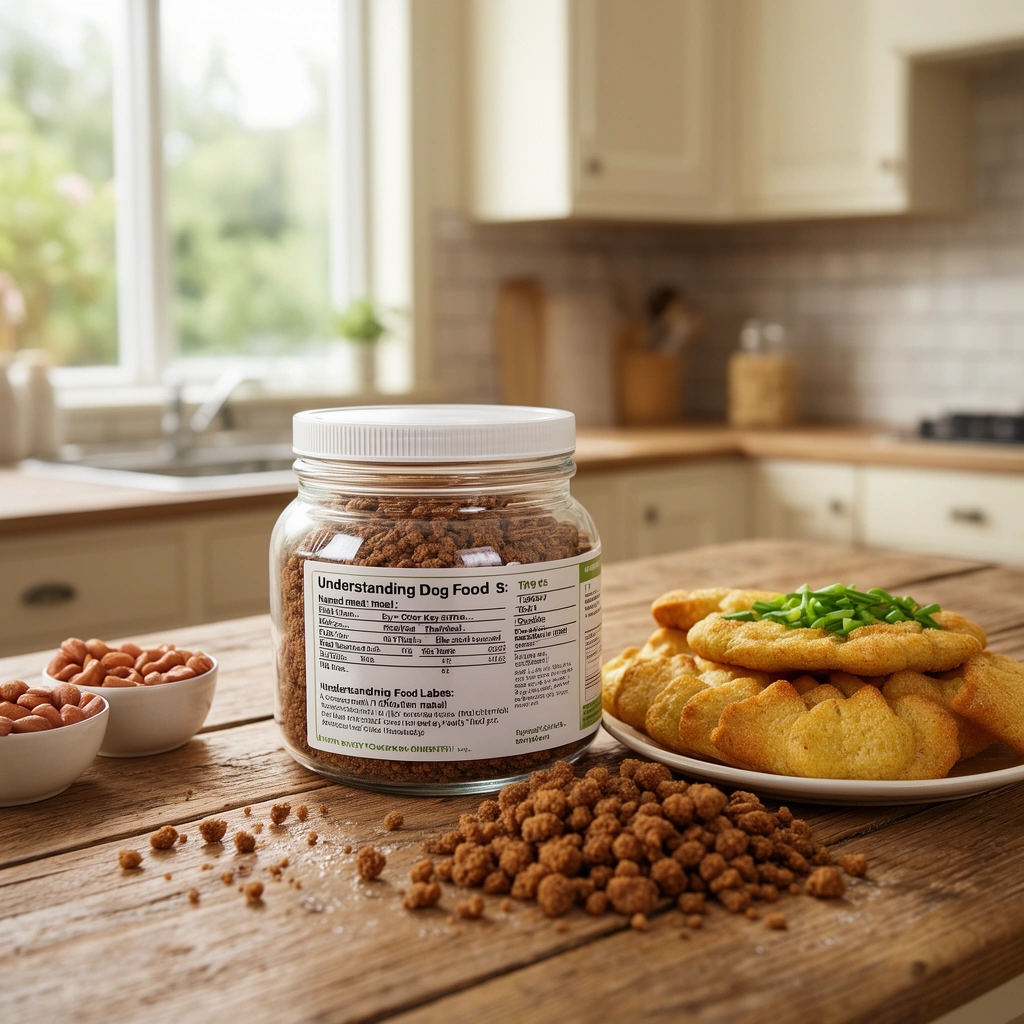
Understanding Dog Food Labels
: Named meat meal
: A concentrated protein source (like “chicken meal”) that’s more nutrient-dense than fresh meat, which is mostly water weight.
: AAFCO statement
: A label confirming the food meets minimum nutritional standards set by the Association of American Feed Control Officials.
: Limited ingredient diet (LID)
: Food made with a short ingredient list to reduce allergy triggers.
: Novel protein
: A meat source your dog hasn’t eaten before, useful for identifying food allergies.
: Kcal/cup
: The calorie count per cup of kibble, important for portion control.
Step-by-Step: How to Switch Your Cocker Spaniel’s Food Safely
Switching too fast causes stomach upset. Here’s how I do it with Biscuit every time we change brands.
- Day 1-2: Mix 25% new food with 75% old food.
- Day 3-4: Move to a 50/50 blend.
- Day 5-6: Shift to 75% new food, 25% old food.
- Day 7 onward: Feed 100% new food.
- Watch closely: Check stool consistency and energy levels the whole week.
- Slow down if needed: If you notice loose stools, stretch each phase by a few extra days.
This slow transition matters more for Cockers than some breeds because their digestive systems can be sensitive, especially if allergies are already an issue.
Tips For Success
- Weigh your dog monthly. Weight creeps up quietly in this breed.
- Check ears weekly for redness or odor—it’s often the first food-related warning sign.
- Split meals into two smaller portions instead of one big bowl. This helps with digestion and reduces begging behavior.
- Rotate proteins every few months if your dog tolerates it well, to reduce the chance of developing new allergies.
- Always have fresh water available, especially with dry kibble diets.
- Read the ingredient list, not just the front of the bag. Marketing words like “natural” don’t mean much legally.
Common Mistakes And How To Avoid Them
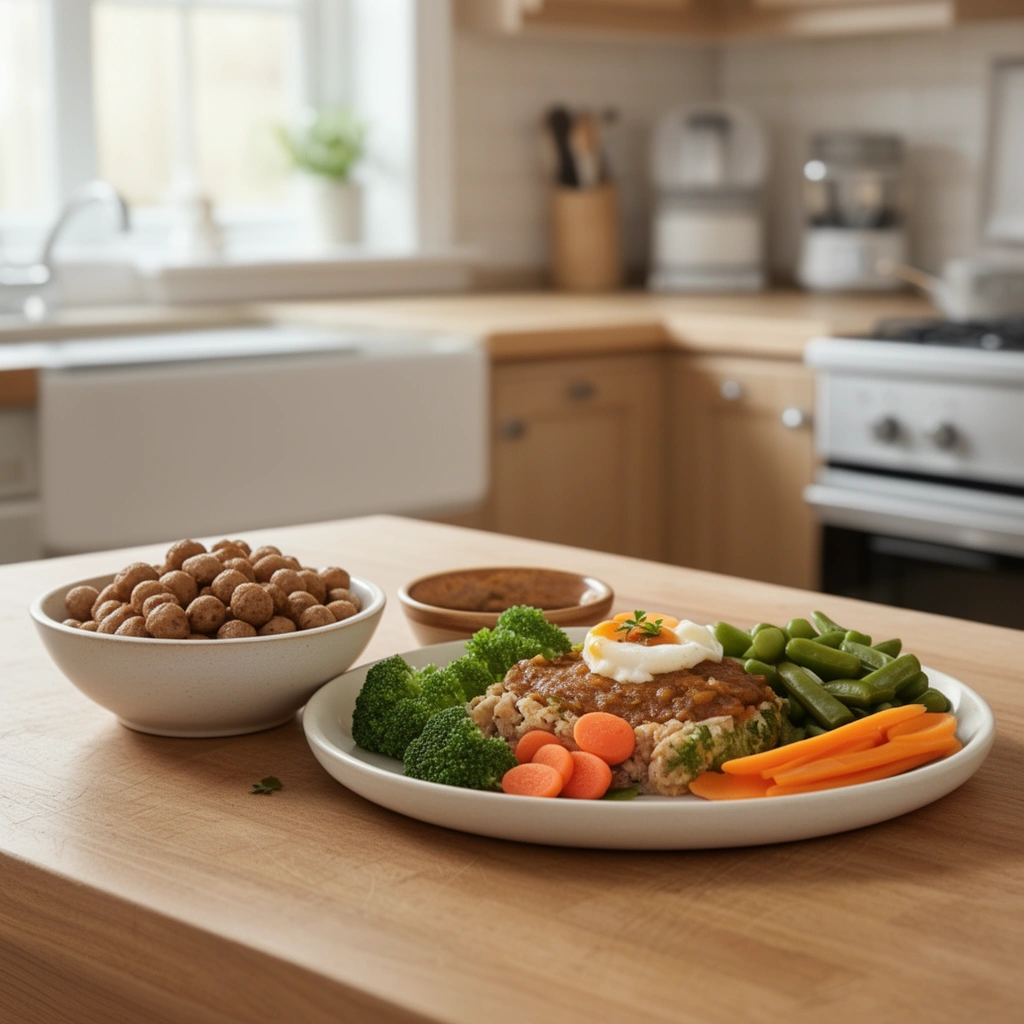
Mistake: Free-feeding all day
Cockers will eat past their limit if the bowl is always full. Fix this with scheduled meals instead.
Mistake: Switching foods too often
Jumping between brands weekly confuses their gut and makes it harder to spot allergy triggers. Stick with one food for at least 8-12 weeks before judging results.
Mistake: Ignoring treats in the calorie count
Treats can make up 10% or more of daily calories without owners realizing it. Factor this into portion sizes.
Mistake: Choosing food based on price alone
Cheaper kibble often uses more fillers and lower-quality fats, which can worsen skin and coat issues over time.
Mistake: Skipping the vet check before a big diet change
Especially for dogs with existing heart or kidney concerns, always run new food choices by your vet first.
Variations Worth Considering
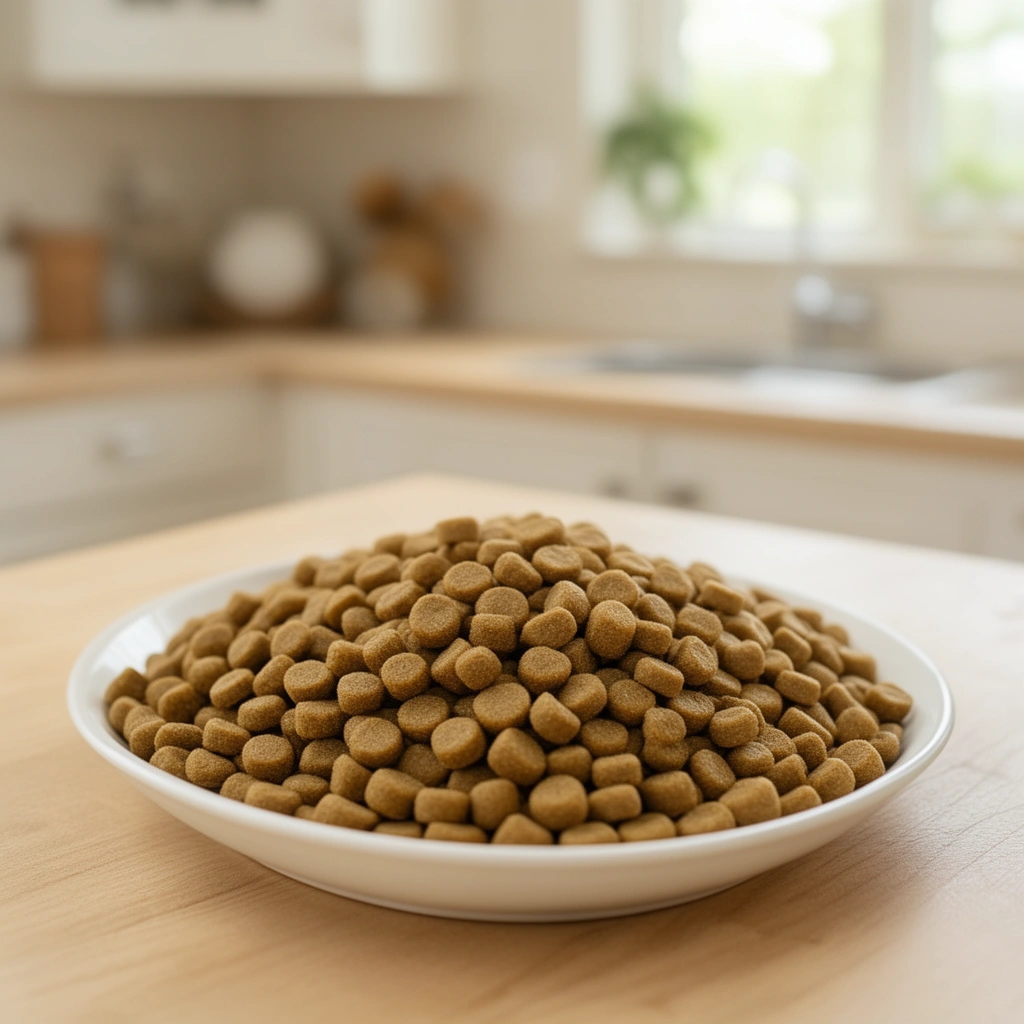
Not every Cocker does well on dry kibble alone. Here are some variations I’ve seen work well for different dogs:
- Wet food mixed with kibble for picky eaters or dogs needing extra hydration.
- Homemade diets with vet-approved recipes, useful for dogs with multiple allergies that commercial food can’t solve.
- Raw or freeze-dried diets for owners wanting minimally processed options, though these need careful balancing of nutrients.
- Puppy-specific formulas for Cockers under one year old, since their calcium and phosphorus needs differ from adults.
- Prescription diets for dogs with diagnosed kidney, liver, or heart conditions, only recommended through a vet.
Wrapping It Up
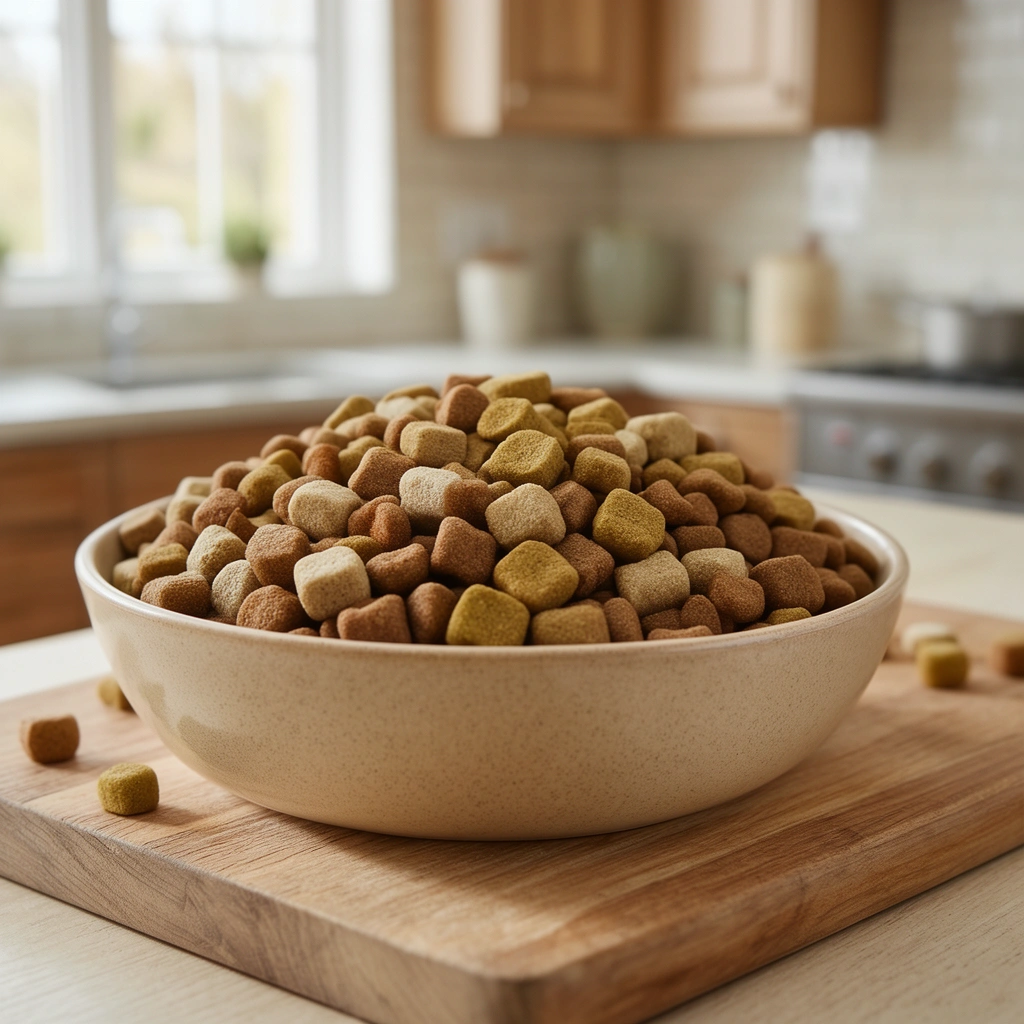
Picking the best dog food for Cocker Spaniels really comes down to knowing your dog’s specific risks—ears, weight, skin, and heart health all play a role. I’ve tried a lot of trial and error with Biscuit, and the biggest lesson was this: don’t rush the process, and don’t ignore small symptoms like scratching or ear odor. They’re usually trying to tell you something about their diet.
Whatever food you land on, give it time, watch your dog closely, and adjust as needed. The best dog food for Cocker Spaniels isn’t a single magic bag—it’s the one that fits your specific dog’s body, age, and health history.