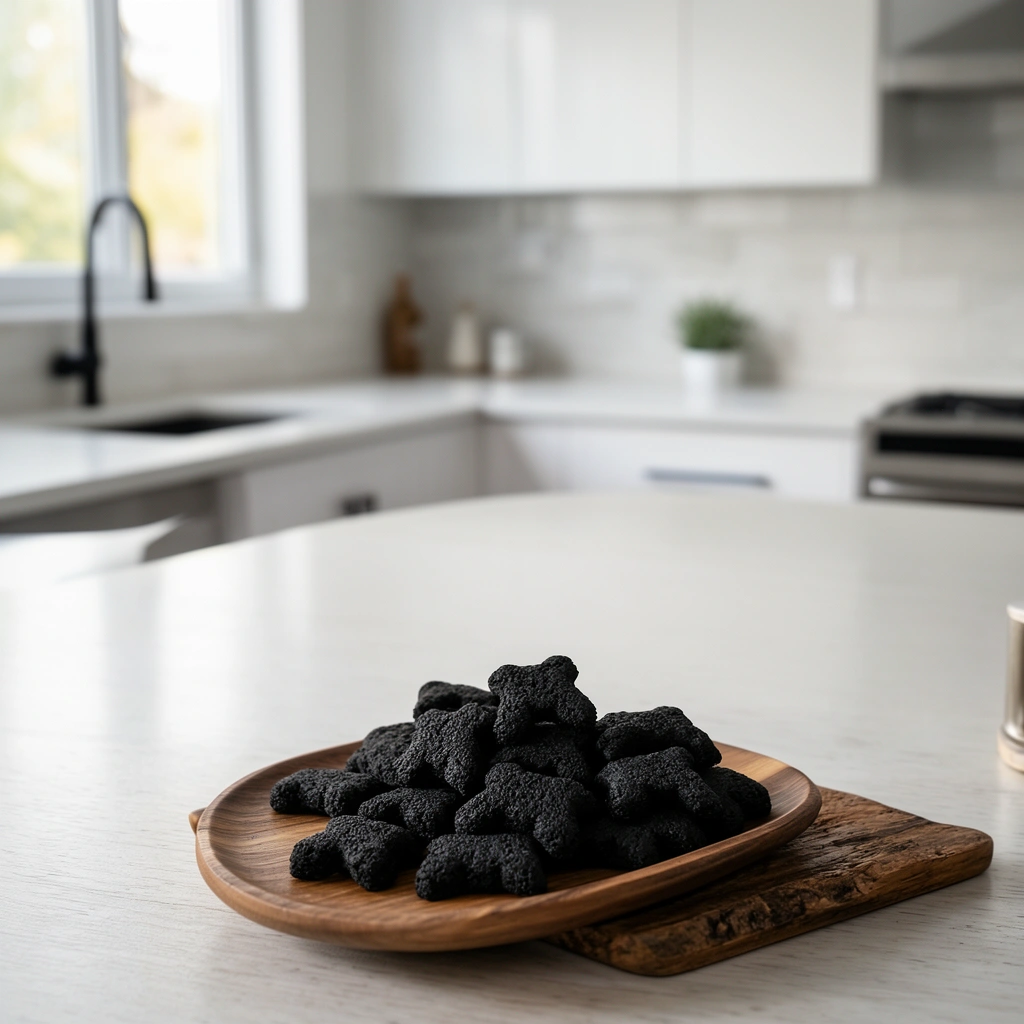
Charcoal Dog Treats: Why Your Pup’s Snack Just Turned Black (And That’s a Good Thing)
Ever caught your dog staring at you with those “please feed me something weird and black” eyes? Okay, maybe not exactly that. But if you’ve stumbled across charcoal dog treats online and wondered if they’re some trendy gimmick or an actual health boost, you’re not alone. I’ve spent months digging into this niche, testing recipes, and talking to holistic vets about activated charcoal for dogs. What I found surprised me — and it’s why I wanted to write this guide.
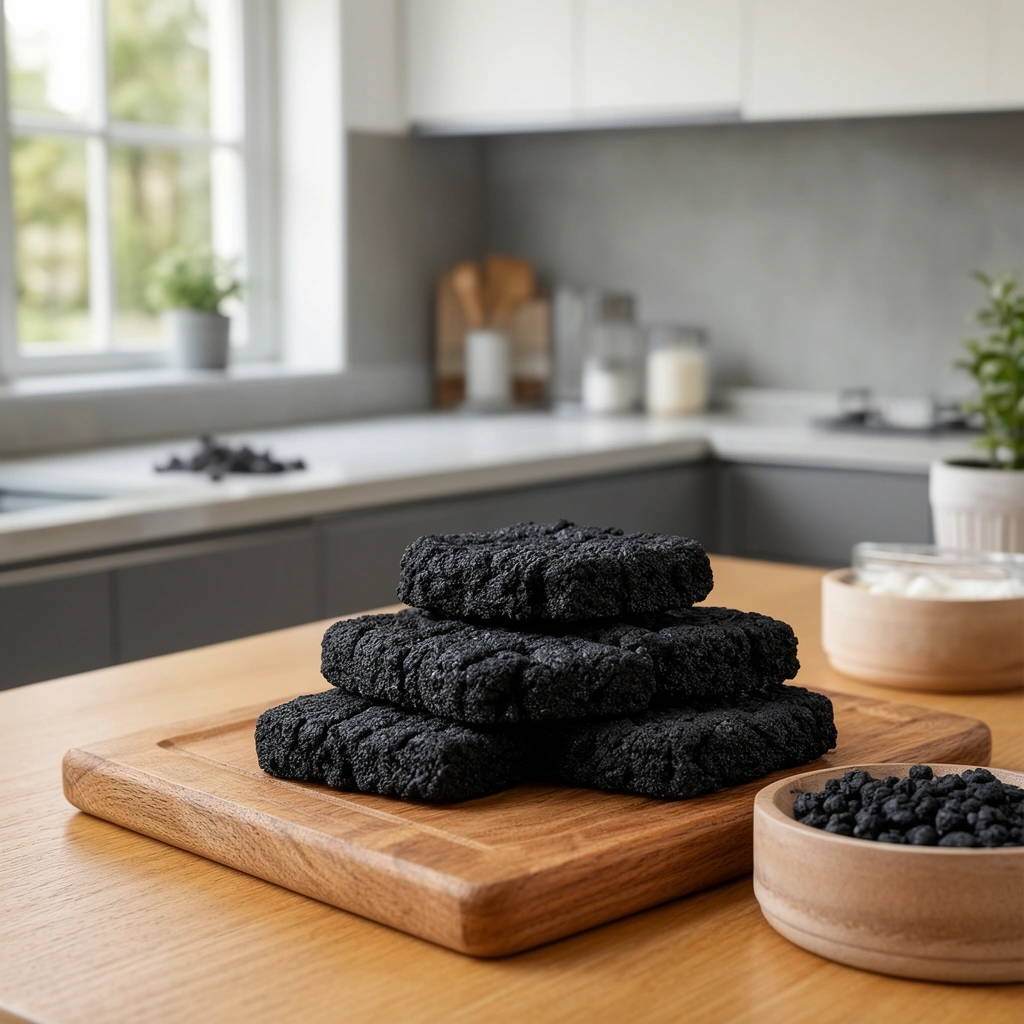
Charcoal dog treats aren’t just a black-colored biscuit for Instagram likes. They’re rooted in real detox science, and when made right, they can genuinely support your dog’s digestive health. Let’s get into it.
What Exactly Are Charcoal Dog Treats?
Before we start mixing ingredients, let’s clear up some confusion. Charcoal treats use activated charcoal, not the stuff from your backyard grill. That distinction matters more than you’d think.
Here’s a quick breakdown of terms you’ll see throughout this article:
Activated Charcoal
: A fine, odorless powder made from carbon-rich materials (like coconut shells or bamboo) that’s been treated with heat to increase its surface area and absorbency.

Adsorption
: The process where toxins, gas, and bacteria stick to the surface of the charcoal instead of being absorbed into the bloodstream.
Binder
: An ingredient (like pumpkin puree, egg, or peanut butter) that holds the treat dough together.
Food-Grade Charcoal
: Charcoal that’s been certified safe for consumption — this is the only type you should ever use for dog treats.
Grill charcoal, briquettes, or charcoal used for art? None of that belongs anywhere near your dog’s mouth. It often contains lighter fluid residue, additives, and chemicals that can seriously harm your pet.
Why Would You Even Give Your Dog Charcoal?
I get it. Feeding your dog charcoal sounds backwards. But there’s actual reasoning behind it.
Activated charcoal has been used in emergency vet clinics for decades to treat poisoning. It binds to toxins in the gut and helps flush them out before they get absorbed. Now, treat-sized doses aren’t meant to replace emergency care — but many pet owners use small amounts for:
- Reducing occasional gas and bloating
- Supporting a dog’s system after eating something questionable off the sidewalk
- Freshening breath (charcoal can help neutralize odor-causing compounds)
- Adding a fun, novelty texture and color to homemade treats
- Occasional digestive upset relief
One thing I noticed missing from a lot of other guides out there: charcoal treats are not a cure-all, and they shouldn’t be given daily without a vet’s input. More on that later.
Step-by-Step: How to Make Charcoal Dog Treats at Home
Alright, let’s get our hands dirty (literally — charcoal stains).
What You’ll Need:
- 1 cup oat flour or whole wheat flour
- 1 tablespoon food-grade activated charcoal powder
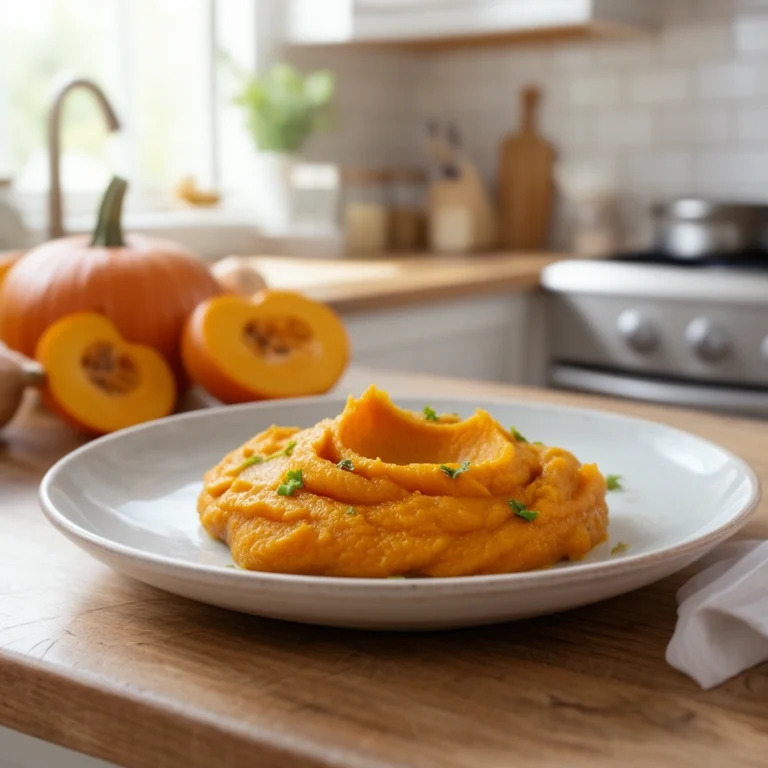
- 1/2 cup pumpkin puree (unsweetened)
- 1 egg
- 2 tablespoons peanut butter (xylitol-free)
- A splash of water, if needed
Instructions:
- Preheat your oven to 350°F (175°C).
- In a large bowl, whisk together the egg, pumpkin puree, and peanut butter until smooth.
- Slowly add the flour and activated charcoal powder, stirring as you go.
- Knead the dough by hand for about 2 minutes. It should feel firm but pliable, not sticky.
- If the dough feels dry, add water a teaspoon at a time.
- Roll the dough out on a lightly floured surface to about 1/4 inch thickness.
- Use a cookie cutter (bone shapes are fun, but any shape works) to cut out treats.
- Place them on a parchment-lined baking sheet, spacing them apart.
- Bake for 20-25 minutes, or until firm and slightly darker at the edges.
- Let them cool completely on a wire rack before serving.
- Store in an airtight container.
That’s it. No fancy equipment, no complicated techniques. Just a bowl, a spoon, and a little patience while they bake.
Tips for Success
I learned a few things the hard way, so let me save you the trouble.
- Measure the charcoal carefully. More isn’t better here. A tablespoon per batch is plenty for a large batch of treats.
- Use a dedicated mixing bowl. Charcoal stains plastic and some countertops. Trust me on this one.
- Buy charcoal specifically labeled for human or pet consumption. Check the label twice.
- Introduce slowly. Give your dog a small piece first and watch for any reaction before serving a full treat.
- Store treats away from moisture. Charcoal treats can get chalky or crumbly if they absorb humidity.
- Talk to your vet first, especially if your dog is on medication. Charcoal can interfere with how drugs are absorbed in the gut.
Common Mistakes and How to Avoid Them
Even simple recipes go sideways sometimes. Here’s where people usually mess up.
Using the Wrong Type of Charcoal
: Grill briquettes and BBQ charcoal are toxic. Always use food-grade or pharmaceutical-grade activated charcoal made specifically for consumption.
Overdoing the Dosage
: Too much charcoal can cause constipation or interfere with nutrient absorption. Stick to small, treat-sized amounts — not a daily supplement routine.
Giving Charcoal Treats Alongside Medication
: Charcoal can bind to medications and reduce their effectiveness. Space out treats and meds by at least a couple of hours, and check with your vet.
Skipping the Vet Consult for Dogs with Health Conditions
: Dogs with kidney issues, liver problems, or those who are pregnant should avoid charcoal treats unless specifically cleared by a vet.
Not Storing Treats Properly
: Charcoal treats left in a humid kitchen can go stale fast or attract unwanted bacteria growth. An airtight container in a cool, dry spot works best.
Assuming It’s a Cure for Poisoning
: If your dog eats something toxic, don’t reach for homemade charcoal treats as a fix. Call your vet or poison control immediately. Emergency-grade charcoal dosing is very different from treat-level amounts.
Fun Variations to Try
Once you’ve nailed the basic recipe, it’s easy to switch things up.
- Charcoal and Blueberry Treats – Add mashed blueberries for antioxidants and a fun purple-black marbled look.
- Charcoal Dental Chews – Add a bit of parsley or mint to the dough for a breath-freshening bonus.
- Grain-Free Charcoal Bites – Swap the flour for almond flour or coconut flour if your dog has grain sensitivities.
- Charcoal and Sweet Potato Treats – Replace pumpkin with mashed sweet potato for a slightly sweeter flavor dogs love.
- Soft Charcoal Training Treats – Skip the baking and instead dehydrate thin strips of dough for a chewier, low-calorie training snack.
I’ve made almost all of these, and the blueberry version is by far the favorite in my house. My dog acts like it’s a five-star meal every single time.
Wrapping It Up
Charcoal dog treats might sound unusual at first, but once you understand the “why” behind them, they make a lot more sense. Used correctly — with the right type of charcoal, proper dosing, and a quick chat with your vet — they can be a fun, occasional addition to your dog’s treat rotation.
Just remember: moderation is everything. These aren’t meant to replace regular meals, medication, or emergency vet care. They’re a supplement to a healthy routine, not a magic fix. So go ahead, mix up a batch, watch your dog’s tail wag over these odd little black treats, and enjoy the fact that you know exactly what’s going into their bowl. That’s the real win with any homemade charcoal dog treats recipe.