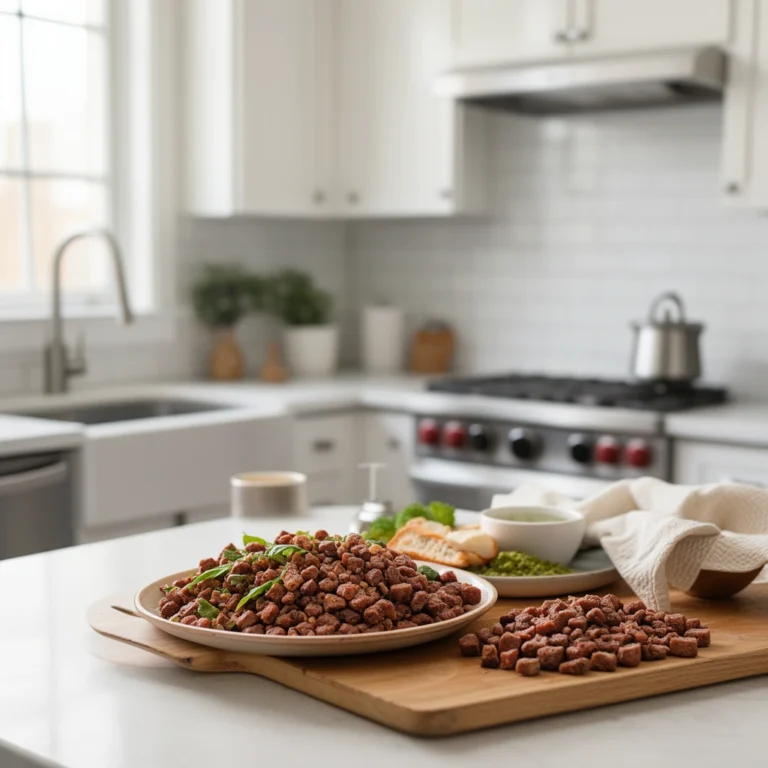
5 Diabetic Dog Treat Recipes That Keep Blood Sugar in Check
Ever caught your pup staring at you with those big puppy eyes while you’re eating a snack, but your vet just told you diabetic dog treats are the only safe option now? I get it. My neighbor went through this exact thing when her Beagle got diagnosed last year, and finding treats that wouldn’t send his blood sugar on a rollercoaster ride felt impossible at first.
Here’s the good news: you don’t need a chemistry degree or fancy ingredients to make treats your diabetic dog will actually love. I’ve spent months testing recipes, talking to vet nutritionists, and honestly, ruining a few batches along the way. What I’m sharing today are five recipes that work—not just theoretically, but in real kitchens with real dogs who have real blood sugar issues.
What Makes a Treat “Diabetic-Friendly” Anyway?
Before we jump into the recipes, let’s talk about what actually makes a treat safe for a diabetic pup. This isn’t just about cutting sugar—it’s way more nuanced than that.
Diabetic dogs need treats that release glucose slowly into their bloodstream. Fast-digesting carbs (like white flour or honey) cause blood sugar spikes. Fiber-rich, low-glycemic ingredients keep things steady.
Here are the terms you’ll see throughout this guide:
Glycemic Index (GI)
: A ranking system showing how quickly a food raises blood sugar. Lower GI foods are safer for diabetic dogs.
Complex Carbohydrates
: Carbs that break down slowly, like whole grains and certain vegetables. These don’t cause sudden sugar spikes.
Fiber Content
: Helps slow digestion and glucose absorption. Higher fiber generally means a treat is gentler on blood sugar.
Insulin Sensitivity
: How well your dog’s body responds to insulin. Certain foods can improve or worsen this over time.
Portion Control
: Even healthy treats need limits. Treats should never exceed 10% of a diabetic dog’s daily caloric intake.
Got it? Good. Now let’s get into the actual recipes.
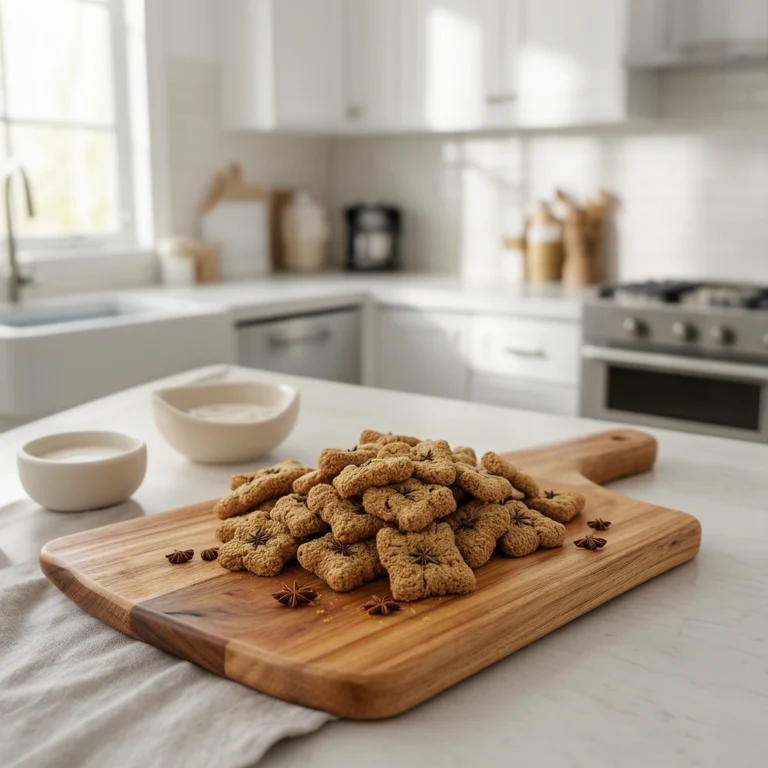
Recipe 1: Pumpkin and Oat Bites
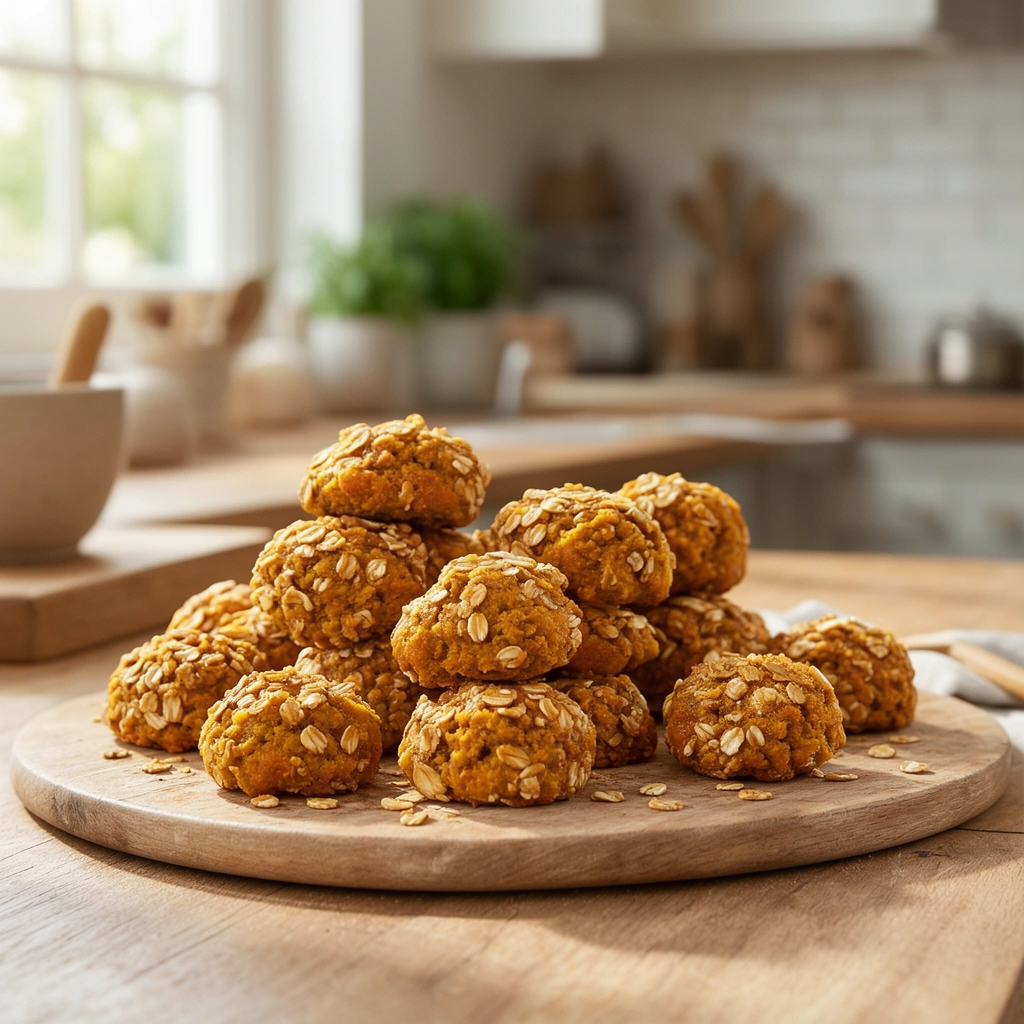
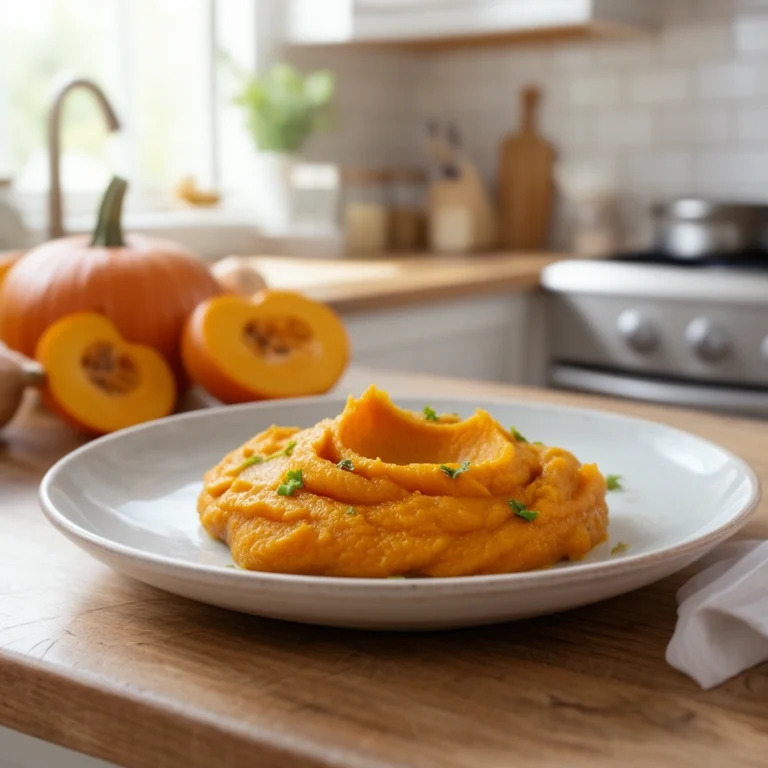
Pumpkin is basically a superhero ingredient for diabetic dogs. It’s low on the glycemic index, packed with fiber, and most dogs go nuts for the taste.
Ingredients:
- 1 cup canned pumpkin (unsweetened, pure pumpkin puree)
- 2 cups rolled oats (not instant)
- 1 egg
- 1/4 cup unsweetened applesauce
- 1 teaspoon cinnamon (skip nutmeg—it’s toxic to dogs)
Steps:
- Preheat your oven to 350°F
- Mix all ingredients in a bowl until you get a thick dough
- Roll dough into small balls, about the size of a marble
- Place on a lined baking sheet, flatten slightly with a fork
- Bake for 20-25 minutes until firm
- Cool completely before serving
These treats store well in the fridge for up to a week. I usually make a double batch on Sundays.
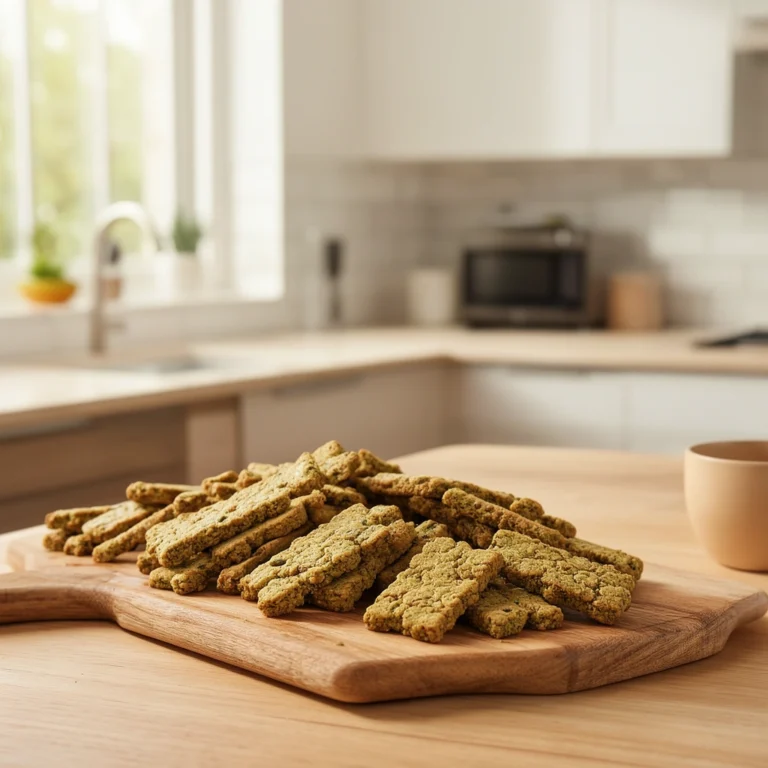
Recipe 2: Green Bean and Chicken Jerky
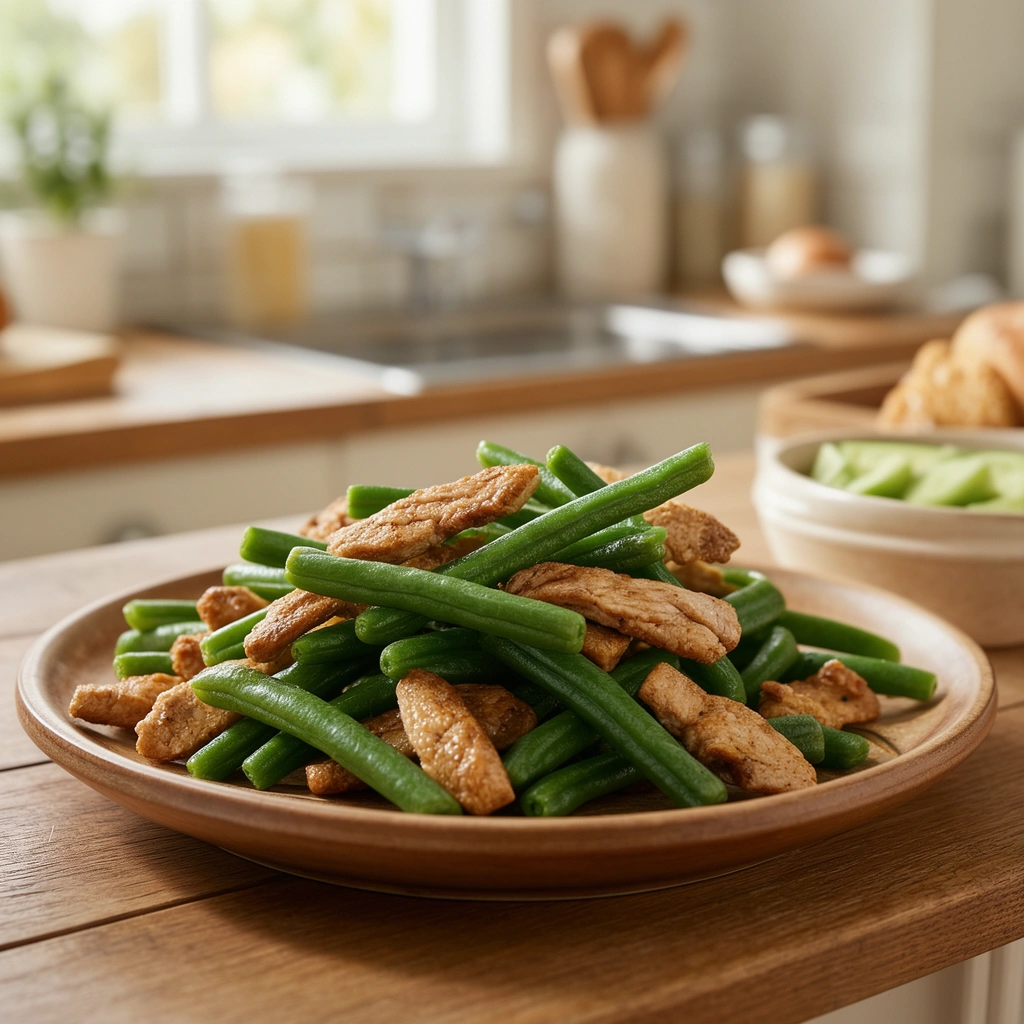
Protein-based treats are fantastic because they don’t spike blood sugar at all. This recipe uses lean chicken and green beans, which are practically zero on the glycemic scale.
Ingredients:
- 1 pound boneless, skinless chicken breast
- 1 cup fresh green beans, finely chopped
- No salt, no seasoning (dogs don’t need the sodium)
Steps:
- Preheat oven to 250°F (low and slow is key for jerky texture)
- Slice chicken breast into thin strips
- Puree green beans in a food processor until smooth
- Coat chicken strips lightly with the green bean puree
- Lay strips on a wire rack over a baking sheet
- Bake for 3-4 hours, flipping halfway through
- Check for a firm, dry texture before removing
This one takes patience, but the low-carb payoff makes it worth the wait. Store in an airtight container for up to two weeks.
Recipe 3: Flaxseed and Peanut Butter Crunchies
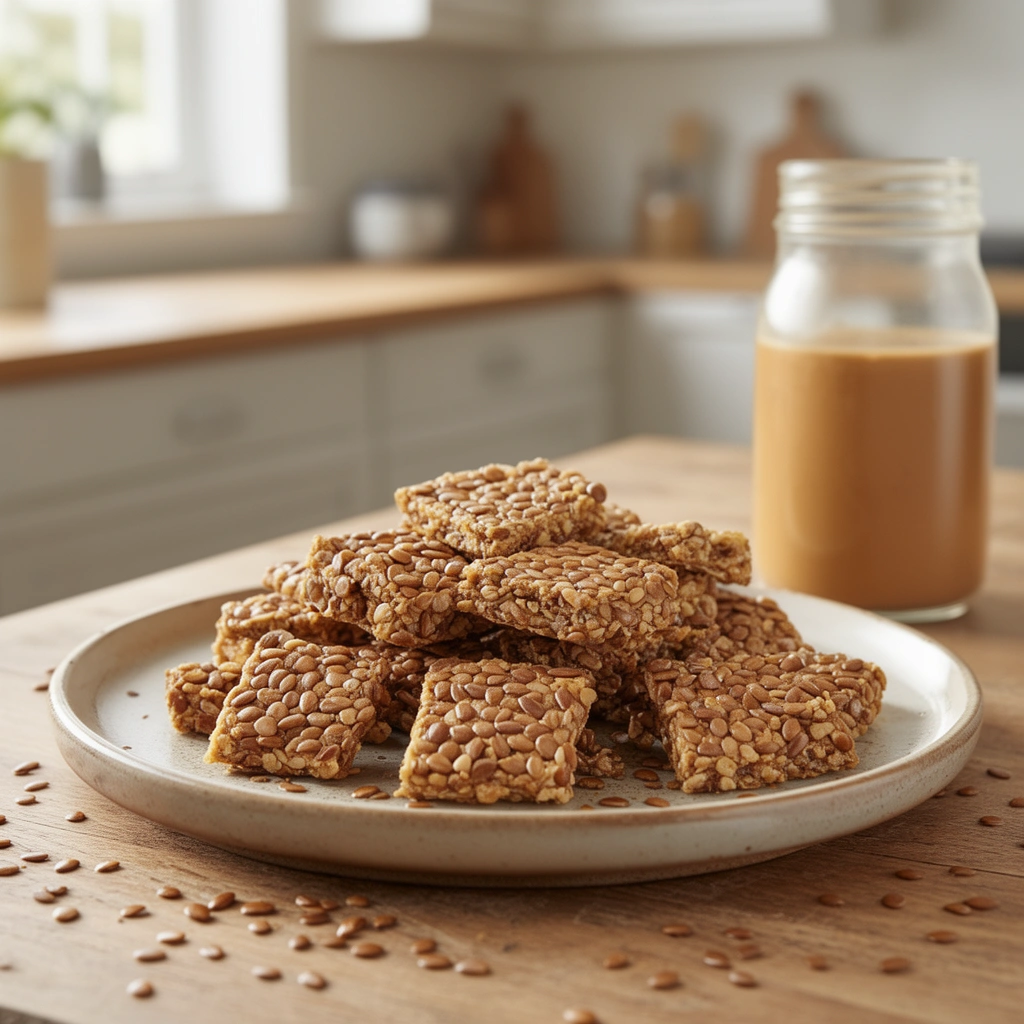
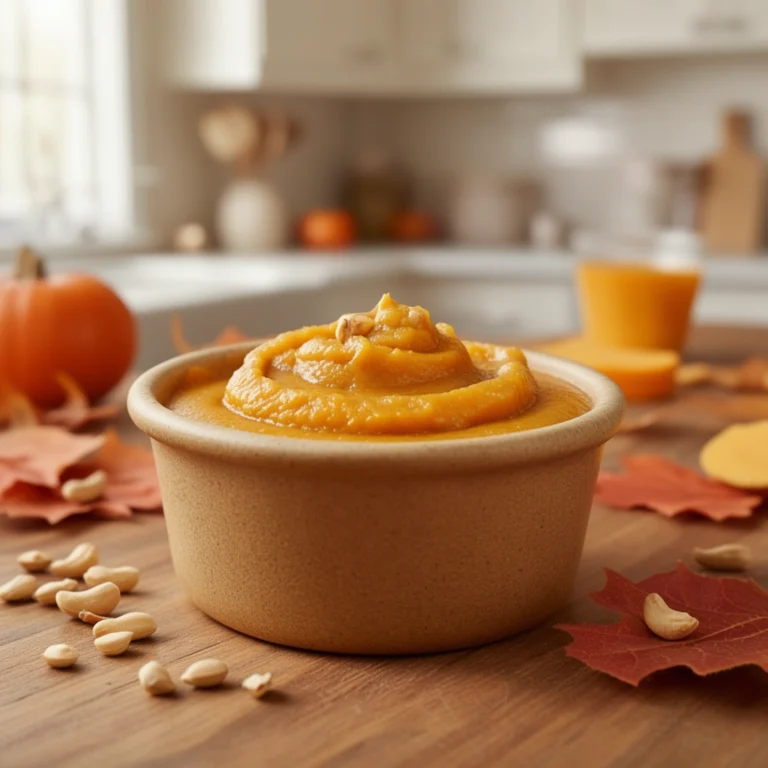
Peanut butter gets a bad rap sometimes, but the trick is choosing xylitol-free, no-sugar-added varieties. Combined with flaxseed, this treat offers a nice dose of omega-3s and fiber.
Ingredients:
- 1/2 cup natural peanut butter (xylitol-free!)
- 1 cup ground flaxseed
- 1 cup whole wheat flour (or oat flour for grain-sensitive dogs)
- 1/2 cup water
Steps:
- Preheat oven to 325°F
- Combine peanut butter and water until smooth
- Add flaxseed and flour, mix into a firm dough
- Roll dough out to about 1/4 inch thickness
- Cut into small shapes using a cookie cutter
- Bake for 18-20 minutes until golden and crisp
- Let cool fully—they’ll harden more as they cool
Fair warning: always double-check your peanut butter label. Xylitol is deadly for dogs, and it’s sneaking into more products than you’d expect.
Recipe 4: Blueberry and Cottage Cheese Drops
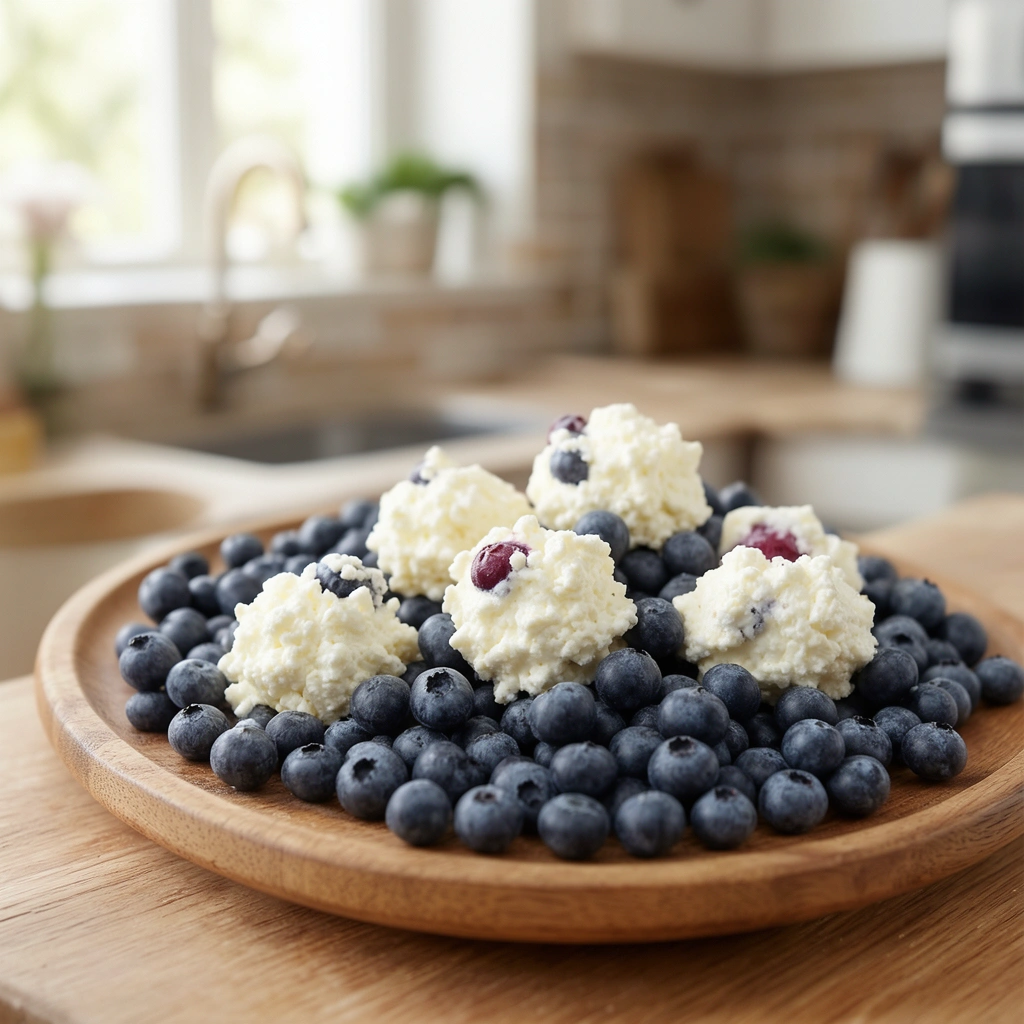
Blueberries are one of the few fruits diabetic dogs can enjoy in moderation. They’re low glycemic and loaded with antioxidants. Cottage cheese adds protein without much carb impact.
Ingredients:
- 1/2 cup fresh blueberries, mashed
- 1 cup low-fat cottage cheese
- 1 cup coconut flour
- 1 egg
Steps:
- Preheat oven to 300°F
- Mash blueberries in a bowl
- Mix in cottage cheese and egg until combined
- Slowly fold in coconut flour until dough forms
- Drop small spoonfuls onto a lined baking sheet
- Bake for 25 minutes until set
- Cool before storing in the fridge
These drops have a soft, cake-like texture. My dog-sitter friend says they’re her diabetic clients’ favorite treat by far.
Recipe 5: Sweet Potato and Turkey Strips
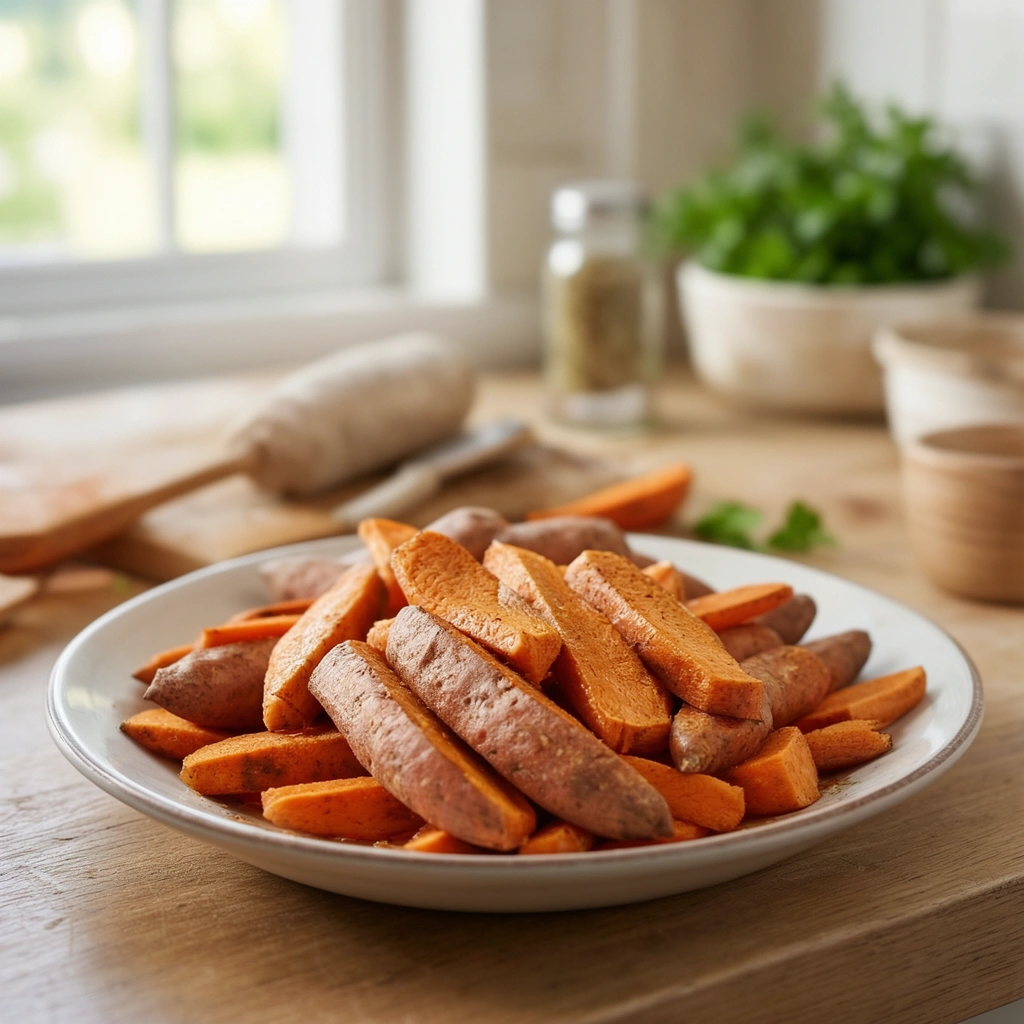
Sweet potatoes are trickier because they sit higher on the glycemic index than some vegetables. But paired with lean turkey and served in small portions, they still work great as an occasional treat.
Ingredients:
- 1 medium sweet potato
- 1/2 pound ground turkey (lean)
- 1 tablespoon olive oil
Steps:
- Preheat oven to 375°F
- Boil sweet potato until soft, then mash
- Mix mashed sweet potato with ground turkey and olive oil
- Form into thin strips or small patties
- Place on a lined baking sheet
- Bake for 20 minutes, flipping once
- Cool before serving
Because of the sweet potato content, keep portions smaller than the other recipes on this list.
Tips for Success
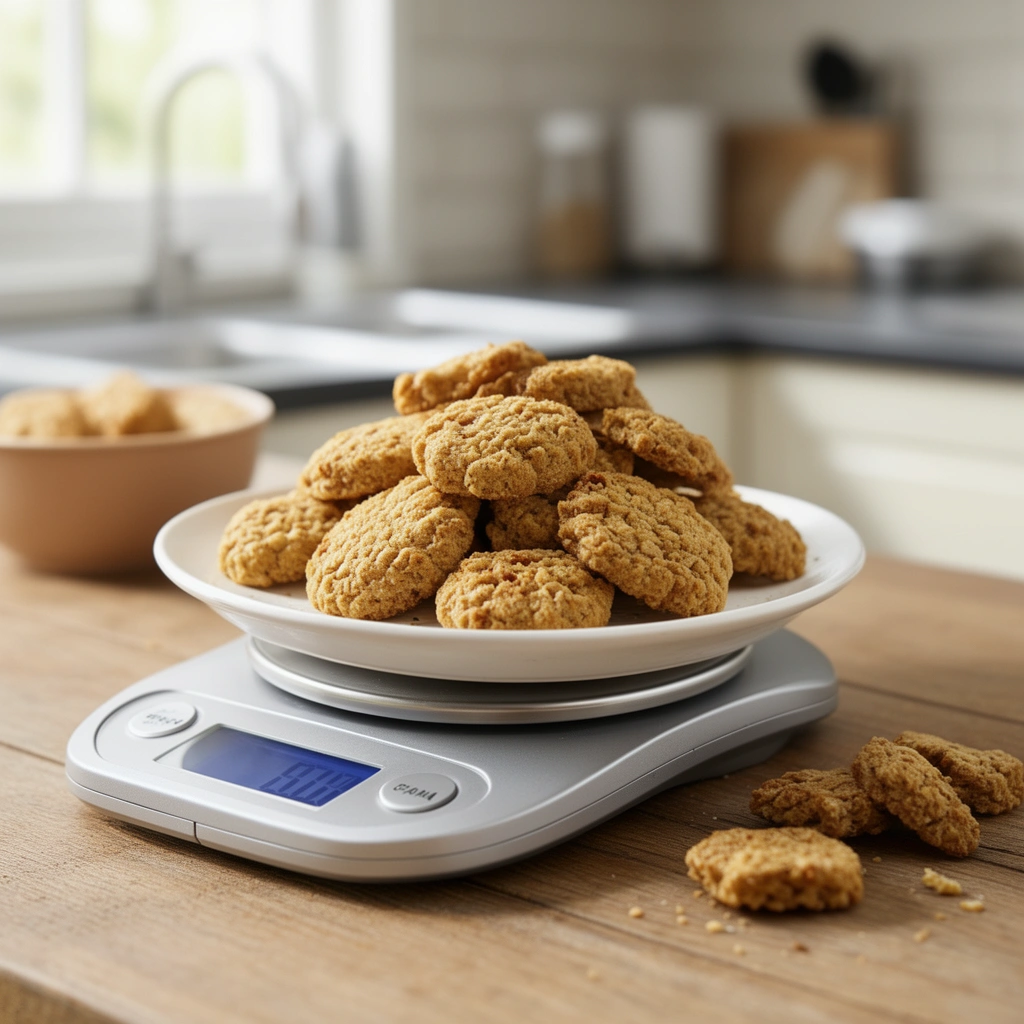
Making diabetic dog treats isn’t complicated, but a few small habits make a huge difference:
- Always use a food scale for consistent portion sizes
- Test blood sugar response with your vet before introducing any new treat regularly
- Store treats properly—refrigerate anything with dairy or egg within 3-4 days
- Label your treats with the date made, especially if you batch-cook
- Introduce one new treat at a time so you can track reactions
Common Mistakes and How to Avoid Them
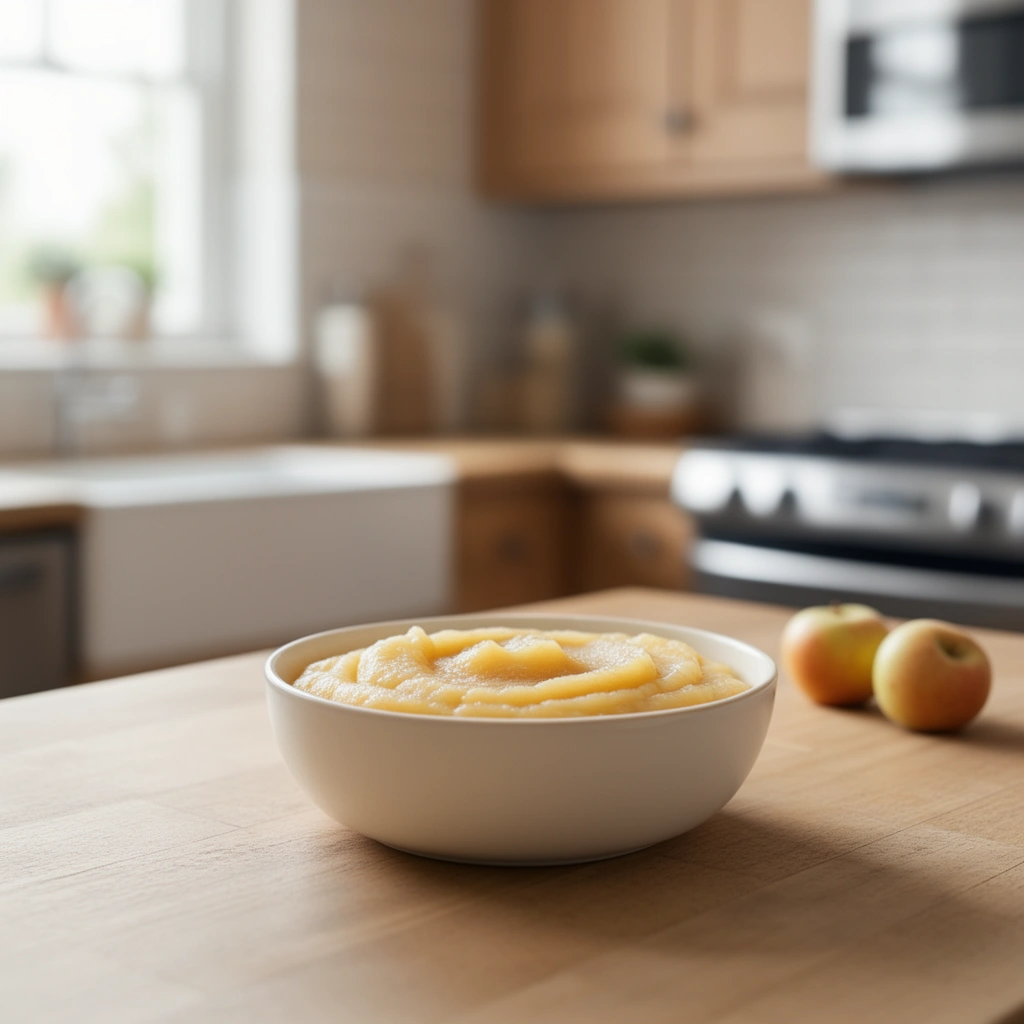
Mistake: Using honey or maple syrup as a “natural” sweetener
: These are still sugar. Stick to unsweetened applesauce or mashed banana in tiny amounts if you need sweetness.
Mistake: Skipping portion control because treats are “healthy”
: Even good ingredients add calories and carbs. Stick to the 10% rule for treats in your dog’s daily diet.
Mistake: Not checking labels for xylitol
: This sweetener hides in peanut butter, some baked goods, and even certain “natural” products. Always read labels twice.
Mistake: Using white flour instead of whole grain or alternative flours
: White flour spikes blood sugar fast. Whole wheat, oat, or coconut flour are much gentler options.
Mistake: Assuming all fruits are safe
: Grapes and raisins are toxic regardless of diabetes status. Stick to dog-safe, low-GI fruits like blueberries.
Variations You Can Try
Once you get comfortable with these five recipes, feel free to experiment. Here are some swaps that keep things diabetic-friendly:
- Swap chicken for turkey or lean beef in the jerky recipe
- Use zucchini instead of green beans for a different texture
- Replace peanut butter with pumpkin puree if your dog has nut allergies
- Try cinnamon-spiced apple (unsweetened) instead of blueberries for variety
- Use chickpea flour instead of coconut flour for extra fiber and protein
Wrapping It Up
Living with a diabetic dog doesn’t mean treat time has to disappear. These diabetic dog treat recipes prove you can still spoil your furry friend without putting their health at risk. I’ve made every one of these in my own kitchen, and honestly, my dog can’t tell the difference between these and his old sugary treats—except now, I don’t worry every time he begs for one.
Start with whichever recipe sounds easiest, get comfortable with the process, then branch out into the variations. Your dog’s tail wagging (and his stable blood sugar) will tell you everything you need to know about how well these diabetic dog treats are working.