Best Dog Food For Pomeranians: 9 Vet Recommended Brands (Plus Everything Else You Need To Know)
Finding the best dog food for Pomeranians isn’t as simple as grabbing whatever bag looks cute at the pet store. Trust me, I learned that the hard way with my own fluffy little guy. He’s got a sensitive stomach, tiny jaws, and a coat that needs way more support than most breeds. If you’re scrolling through endless options wondering which one actually works, you’re in the right spot.
Poms are small dogs with big personalities and even bigger nutritional needs relative to their size. Their tiny bodies burn through energy fast, their teeth are prone to problems, and that gorgeous double coat doesn’t stay fluffy on its own. So let’s break down exactly what your Pomeranian needs, which brands vets actually recommend, and how to avoid the mistakes most owners make.
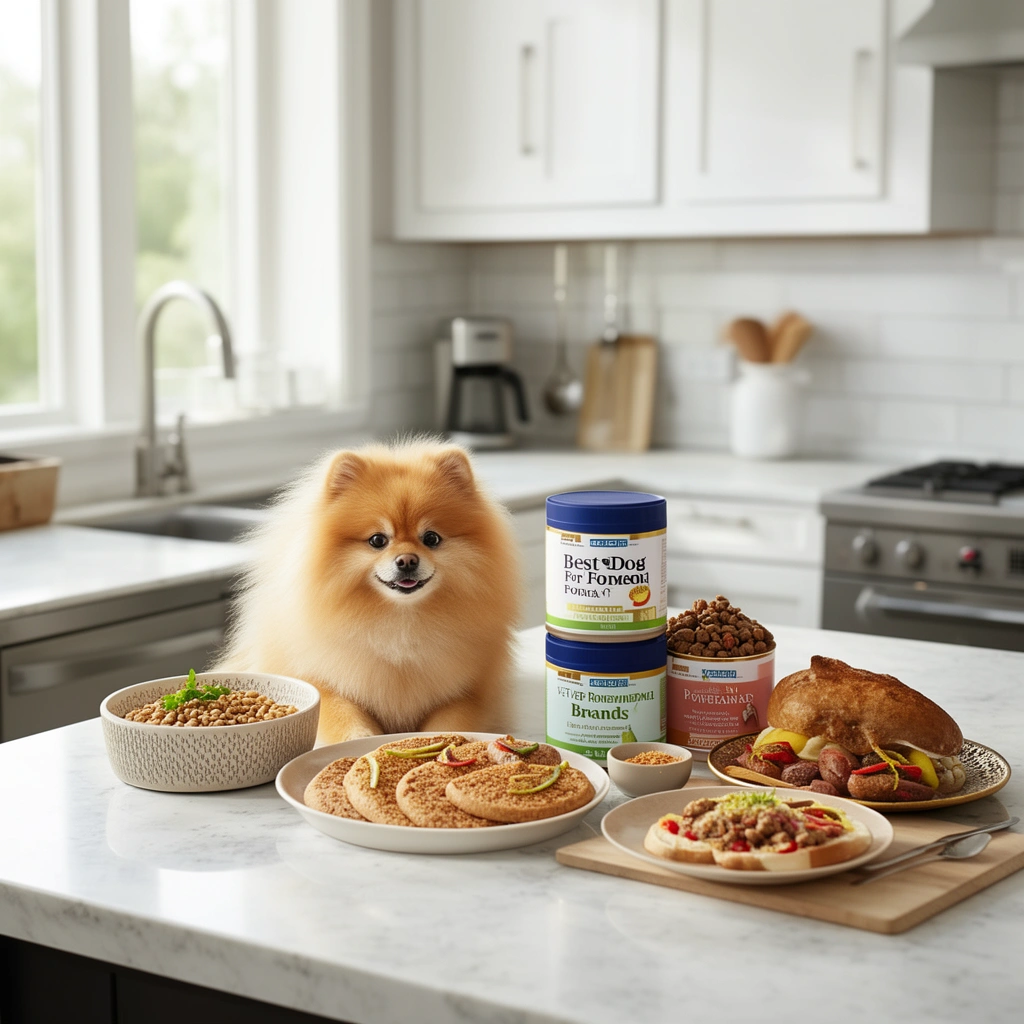
Why Pomeranians Need Special Nutrition
Pomeranians aren’t just small versions of bigger dogs. They have unique quirks that affect what should go into their bowl.
Fast metabolism — Toy breeds like Poms burn calories quicker than larger dogs. They need calorie-dense food in small portions.
Dental issues — Small jaws mean crowded teeth, which leads to plaque buildup and gum disease. Kibble size and texture matter here.
Joint sensitivity — Many Poms deal with luxating patella (a fancy term for a wobbly kneecap). Joint-supporting nutrients aren’t optional; they’re essential.
Coat and skin demands — That double coat needs omega fatty acids to stay shiny and prevent dryness or excessive shedding.
Hypoglycemia risk — Small breed puppies especially can suffer from low blood sugar crashes. Frequent, balanced meals help prevent this.
Once you understand these needs, picking food becomes way less confusing.
Key Terms Every Pom Owner Should Know
Before we jump into brands, let’s clear up some terms you’ll see on dog food labels. I always found this stuff confusing at first, so here’s a quick glossary.
Kibble Size
: The physical size and shape of dry food pieces. Small breed formulas have tiny kibble made for little mouths.
AAFCO Statement
: A label showing the food meets nutritional standards set by the Association of American Feed Control Officials. Always look for this.
Limited Ingredient Diet (LID)
: Food made with fewer ingredients, often used for dogs with allergies or sensitive stomachs.
Named Protein Source
: Ingredients like “chicken” or “salmon” instead of vague terms like “meat meal.” Named sources are higher quality.
Guaranteed Analysis
: The section on the label showing minimum protein, fat, and fiber percentages.
Life Stage Formula
: Food designed for a specific age group, like puppy, adult, or senior.
Knowing these terms helps you read labels like a pro instead of just trusting flashy packaging.
What To Look For In Pomeranian Dog Food
Here’s what actually matters when you’re comparing bags at the store or scrolling online.
- High-quality animal protein listed as the first ingredient
- Small kibble size designed for toy breeds
- Balanced omega-3 and omega-6 fatty acids for skin and coat
- Glucosamine and chondroitin for joint support
- Limited fillers like corn, wheat, or soy
- Moderate fat content to match their energy needs without causing weight gain
- Added probiotics or prebiotics for digestive health
- No artificial colors, flavors, or preservatives
Poms tend to gain weight easily if you’re not careful, so portion control matters just as much as ingredient quality.
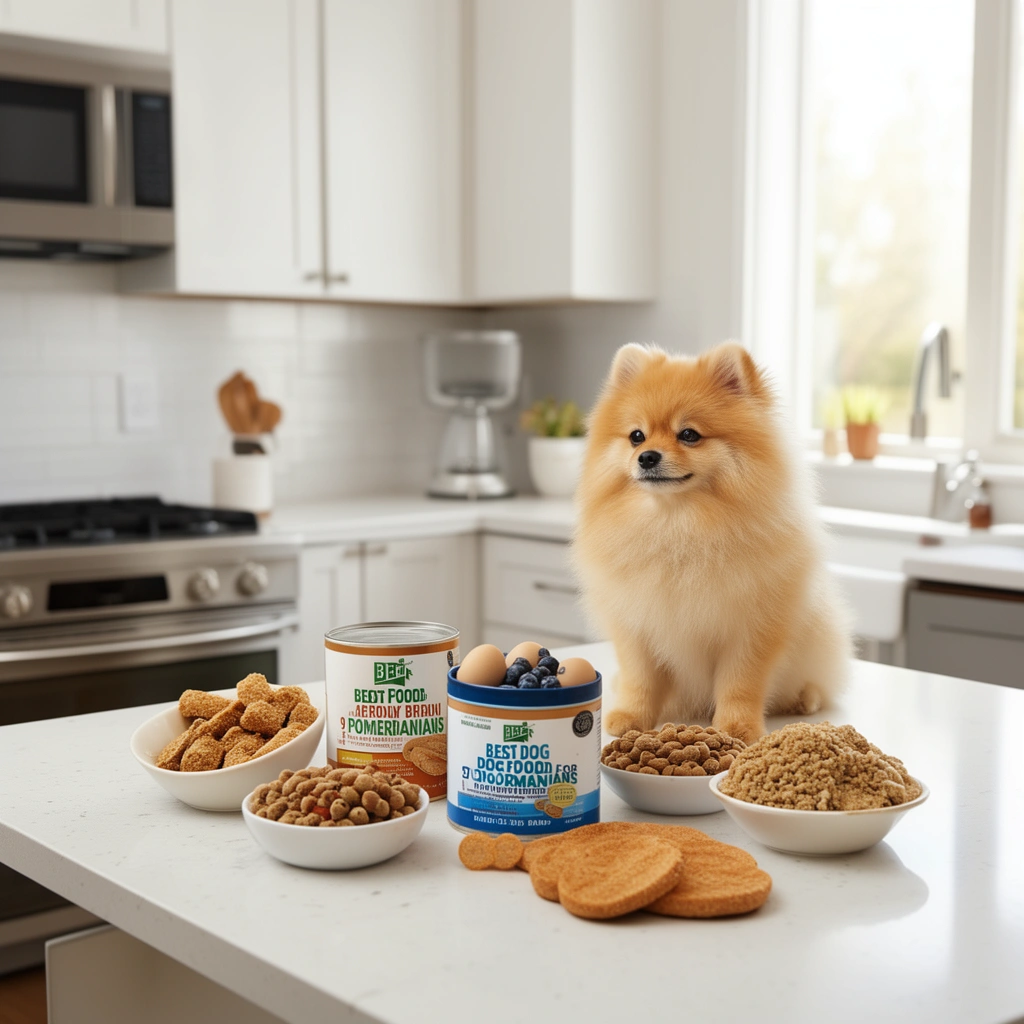
9 Vet Recommended Dog Food Brands For Pomeranians
Here’s my roundup, based on veterinary nutrition guidelines, ingredient quality, and real feedback from Pom owners.
- Royal Canin Poodle Puppy/Adult (Small Breed Formula) — Designed with tiny kibble shapes and tailored nutrient blends for small breeds, though it’s technically marketed for Poodles, vets often recommend it for Poms too.
- Hill’s Science Diet Small Paws — Great for sensitive stomachs, with balanced calories and joint support built in.
- Wellness Complete Health Small Breed — Uses real deboned chicken and includes probiotics for gut health.
- Blue Buffalo Life Protection Small Breed — Packed with real meat and added antioxidants for immune support.
- Purina Pro Plan Small Breed — Vet-trusted formula with high protein content and joint-supporting glucosamine.
- Merrick Lil’ Plates Small Breed — Grain-inclusive option with deboned meat as the first ingredient.
- Nutro Ultra Small Breed — A trio of proteins for variety, plus omega fatty acids for coat health.
- Eukanuba Small Breed — Formulated with DHA for brain development, ideal for Pom puppies.
- Instinct Raw Boost Small Breed — Combines kibble with freeze-dried raw pieces for extra protein and flavor.
Every dog is different, so what works wonders for one Pom might not sit well with another. Always introduce new food gradually and watch for reactions.
How To Choose Between Wet, Dry, And Raw Food
This is where a lot of owners get stuck. Let me break it down simply.
Dry Kibble
: Convenient, helps with dental health, and stores easily. Best paired with small breed formulas.
Wet Food
: Higher moisture content, often more appealing to picky eaters, but can contribute to plaque buildup if used alone.
Raw Diet
: Mimics a more natural diet, but requires careful balancing and strict food safety practices to avoid bacterial contamination.
Many owners mix dry kibble with a bit of wet food for added moisture and flavor. This combo often works great for Poms who are picky eaters or need extra hydration.
Step By Step: How To Transition Your Pomeranian To New Food
Switching foods too fast is one of the biggest mistakes I see. Here’s how to do it right.
- Start by mixing 25% new food with 75% old food for two to three days
- Increase to 50/50 for the next few days
- Move to 75% new food and 25% old food
- Fully switch to the new food by day seven to ten
- Watch for signs of an upset stomach like vomiting, diarrhea, or loss of appetite
- Slow down the transition if any symptoms appear
Rushing this process almost always leads to digestive drama. Patience pays off here.
Feeding Guidelines By Age And Weight
Pomeranians typically weigh between three and seven pounds, but their feeding needs shift as they grow.
- Puppies (2-12 months): Feed three to four small meals a day using puppy-specific formulas rich in DHA and calories.
- Adults (1-7 years): Two meals a day with a balanced adult formula works well for most Poms.
- Seniors (7+ years): Lower calorie, joint-supporting senior formulas help manage weight and mobility issues.
Always check the feeding chart on your specific brand, since calorie density varies quite a bit between formulas.
Tips For Success
- Weigh your Pom regularly to catch weight gain early since even half a pound makes a big difference on their tiny frame
- Avoid free-feeding; scheduled meals help prevent obesity and food guarding behaviors
- Keep treats under 10% of daily calorie intake
- Add a splash of warm water or low-sodium broth to kibble if your Pom is a picky eater
- Rotate proteins occasionally to prevent food boredom and reduce allergy risks
- Always have fresh water available since small dogs dehydrate faster than large breeds
Common Mistakes And How To Avoid Them
Mistake: Feeding adult food to a growing puppy.
Fix: Stick with puppy formulas until they’re at least twelve months old.
Mistake: Overfeeding because “they’re so small, a little extra won’t hurt.”
Fix: Measure portions with a kitchen scale, not guesswork.
Mistake: Ignoring dental health when choosing kibble.
Fix: Pick small breed kibble specifically designed to reduce plaque buildup.
Mistake: Switching foods abruptly.
Fix: Always follow a gradual transition schedule.
Mistake: Choosing food based on price alone.
Fix: Balance your budget with ingredient quality; cheaper isn’t always better long term.
Variations You Can Try
Not every Pom does well on standard kibble. Here are some variations worth exploring.
- Grain-free formulas for dogs with grain sensitivities, though these should be chosen carefully due to ongoing research around heart health
- Freeze-dried raw toppers added to kibble for extra flavor and nutrients
- Homemade meals using vet-approved recipes with lean protein, vegetables, and a proper supplement blend
- Prescription diets for Poms with specific health conditions like kidney issues or severe allergies
Always chat with your vet before making major diet changes, especially if your Pom has existing health conditions.
Wrapping It Up
Picking the best dog food for Pomeranians really comes down to understanding their unique needs, reading labels carefully, and paying attention to how your specific dog responds. There’s no single “perfect” brand that works for every Pom out there. What matters most is quality ingredients, proper portion sizes, and a diet that supports their coat, joints, and energy levels.
I know it feels overwhelming with so many options on the shelf, but once you know what to look for, choosing gets a whole lot easier. Start with one of these vet recommended brands, watch how your Pom responds, and adjust as needed. Your fluffy little companion deserves food that keeps them healthy, happy, and full of that classic Pomeranian sass for years to come.