Dogs Panting At Night: Unmasking The Mystery
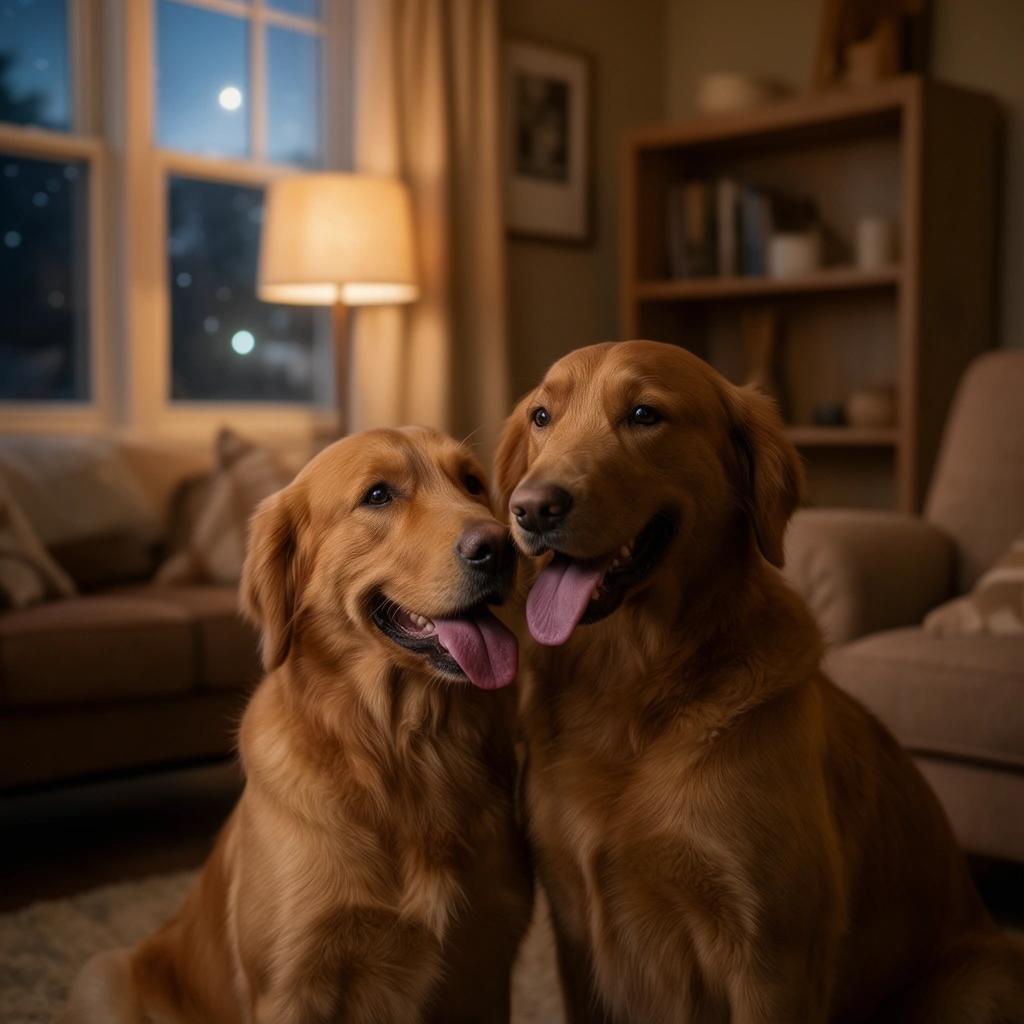
Ever woken up at 2 AM to the sound of your dog panting like they just ran a marathon in their sleep? I get it. Dogs panting at night can turn a peaceful evening into a worry-fest real quick. You lie there, staring at the ceiling, wondering if it’s normal or if something’s wrong. I’ve been there myself with my own pup, and I want to walk you through everything you need to know so you can finally get some sleep too.
What’s Really Going On When Your Dog Pants At Night
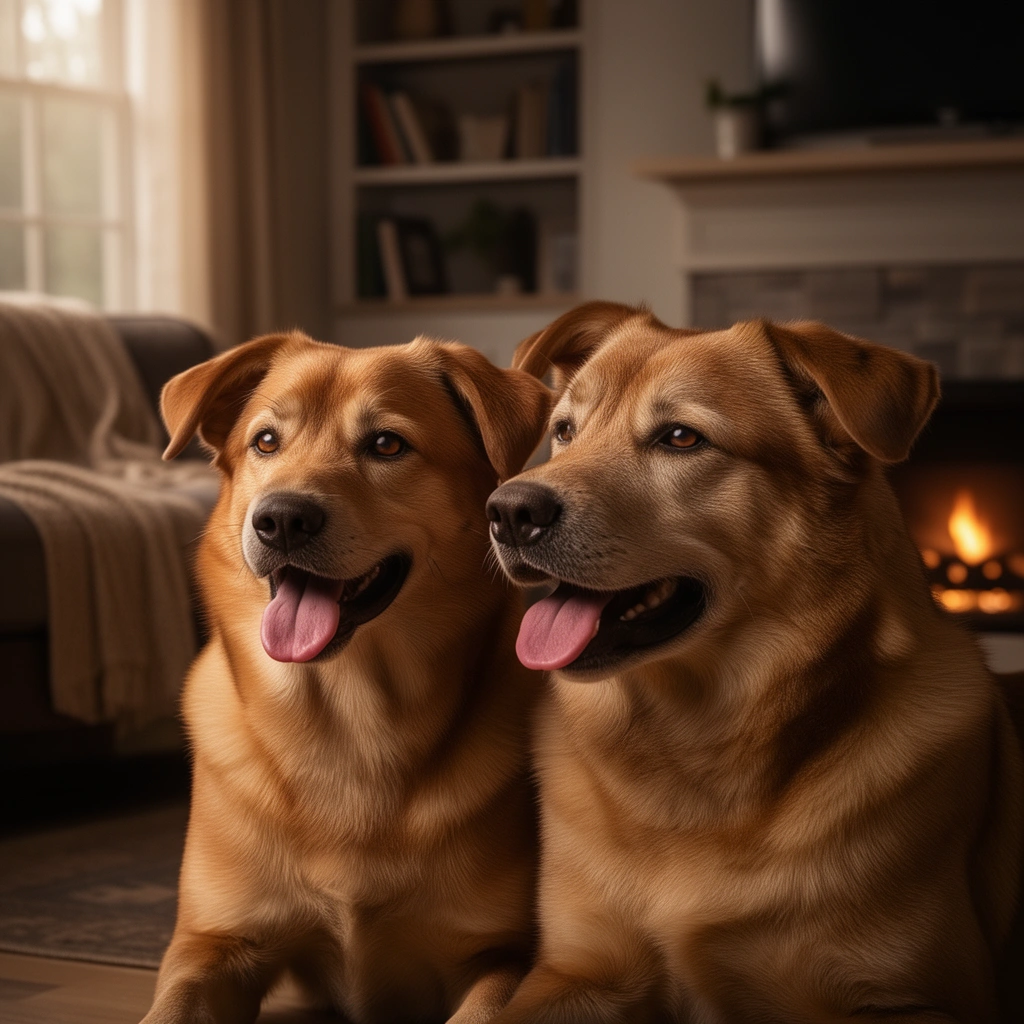
Let’s break this down together. Panting is your dog’s built-in cooling system. Dogs don’t sweat like we do. They release heat through their mouths and paws. So a little panting after a walk or during a hot summer night? Totally normal.
But nighttime panting that seems random, heavy, or paired with restlessness is a different story. It’s your dog’s way of telling you something. Maybe they’re too warm. Maybe they’re anxious. Or maybe there’s a health issue brewing beneath the surface.
I’ve talked to vets, read through countless case studies, and honestly lived through a few sleepless nights myself trying to figure out my own dog’s panting habits. Here’s what I’ve learned.
Key Terms You Should Know
Understanding the lingo helps you talk to your vet with confidence. Here’s a quick rundown.
Panting
: Rapid, shallow breathing dogs use to regulate body temperature or release stress.
Tachypnea
: The medical term for abnormally fast breathing, often a red flag for underlying illness.
Dyspnea
: Labored or difficult breathing. This is more serious than simple panting and needs quick attention.
Cushing’s Disease
: A hormonal disorder where the body produces too much cortisol, often causing excessive panting, especially at night.
Heat Stroke
: A dangerous rise in body temperature that can cause heavy panting even hours after the initial heat exposure.
Anxiety-Induced Panting
: Panting triggered by stress, fear, or separation issues rather than physical exertion or heat.
Common Reasons Dogs Pant At Night
There isn’t just one answer here. Several things could be causing your furry friend’s nighttime breathing pattern. Let’s go through the usual suspects.
- Room temperature is too warm. Dogs overheat faster than we realize, especially breeds with thick coats or short snouts.
- Anxiety or stress. Thunderstorms, new environments, or even furniture rearranging can spook a dog enough to trigger panting.
- Pain or discomfort. Arthritis, an upset stomach, or an old injury can flare up at night and cause panting.
- Medication side effects. Certain drugs, like steroids, list panting as a common side effect.
- Heart or lung issues. Conditions like congestive heart failure often show up as nighttime breathing changes.
- Cushing’s disease. This hormonal imbalance is notorious for causing panting that seems to worsen after dark.
- Aging. Senior dogs sometimes pant more due to weaker muscles, joint pain, or cognitive decline.
- Obesity. Extra weight puts pressure on the lungs and heart, making breathing harder, especially when lying down.
Notice how wide this list is? That’s exactly why guessing isn’t enough. You’ve got to look at the full picture.
Step By Step: What To Do When You Notice Nighttime Panting
Here’s a practical approach I use whenever I notice something’s off with my dog’s breathing at night.
- Step 1: Check the room temperature. Grab a thermometer or just feel the air. If it’s stuffy or warm, adjust the thermostat or add a fan.
- Step 2: Observe the panting pattern. Is it constant? On and off? Does it happen right after they lie down or randomly through the night?
- Step 3: Look for other symptoms. Watch for pacing, drooling, restlessness, vomiting, or a bloated belly. These paired with panting are worth flagging.
- Step 4: Check gum color. Pale, blue, or bright red gums can signal a breathing or circulation problem needing immediate vet care.
- Step 5: Review recent changes. Did you switch their food? Start a new medication? Move furniture? Small changes can cause big reactions in sensitive dogs.
- Step 6: Try calming techniques. Soft music, a familiar blanket, or a consistent bedtime routine can ease anxiety-driven panting.
- Step 7: Call your vet if it persists. If the panting continues for more than a couple of nights or comes with other symptoms, don’t wait it out. Get professional input.
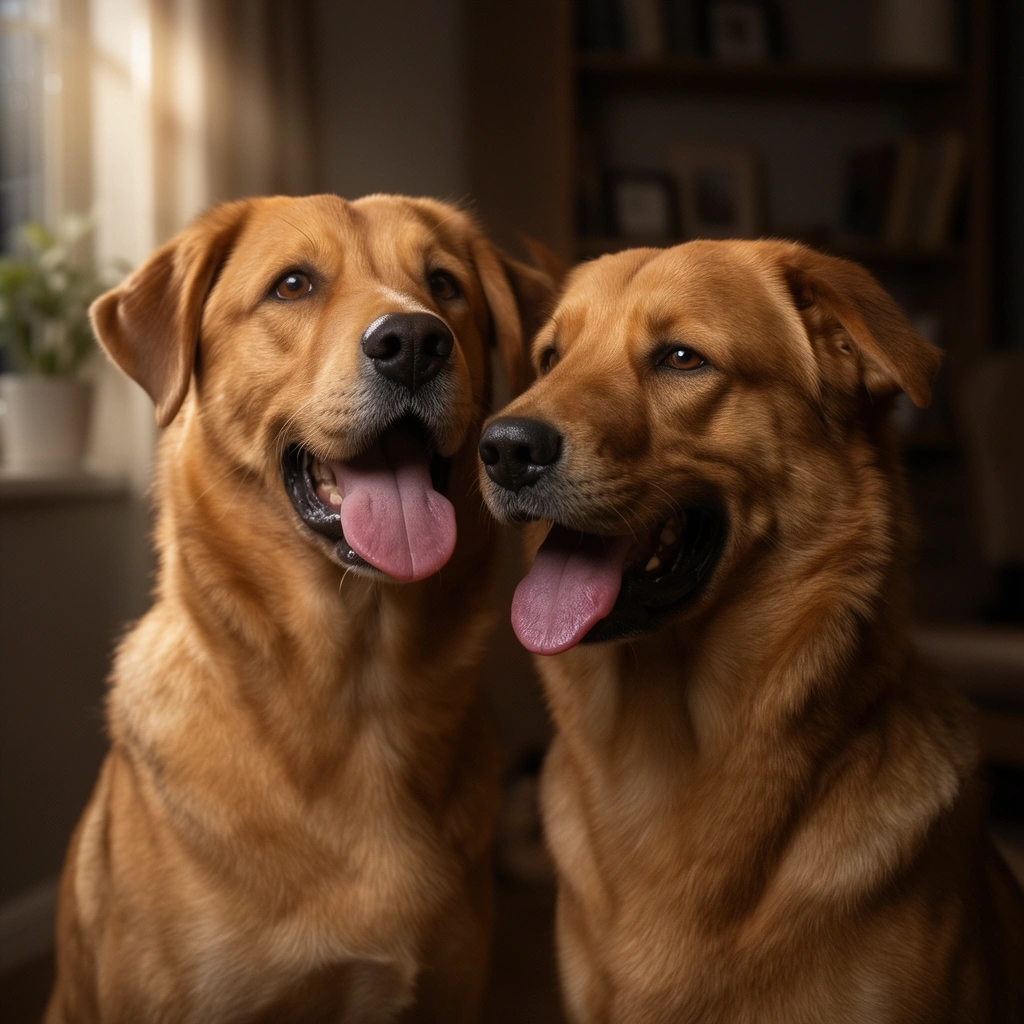
I know it’s tempting to just hope it goes away on its own. But dogs can’t tell us in words when something hurts. Panting is often their loudest signal.
Tips For Success
Getting a handle on this takes a bit of patience and observation. Here’s what’s worked well for me and other dog owners I’ve spoken with.
- Keep a simple log of when the panting happens and how long it lasts. Patterns tell a story.
- Make sure your dog’s sleeping area is cool, quiet, and away from drafts or heating vents.
- Stick to a predictable nighttime routine. Dogs find comfort in consistency.
- Keep fresh water available at all times, especially during warmer months.
- Schedule regular vet checkups, particularly for senior dogs or specific breeds prone to breathing issues.
- Avoid feeding a large meal right before bedtime. Digestion can sometimes contribute to discomfort and panting.
Common Mistakes And How To Avoid Them
I’ve made a few of these myself, so let me save you the trouble.
Mistake: Assuming it’s always heat-related.
Fix: Rule out temperature first, but don’t stop there. Anxiety and medical issues are just as common.
Mistake: Ignoring repeated episodes.
Fix: One night of panting might be nothing. A pattern over several nights deserves a vet visit.
Mistake: Skipping the gum check.
Fix: This quick test takes seconds and can reveal serious issues like poor oxygen circulation.
Mistake: Overlooking medication side effects.
Fix: Always read the info sheet that comes with prescribed drugs. Panting is listed more often than you’d think.
Mistake: Not adjusting the sleep environment.
Fix: Something as simple as a fan or breathable dog bed can make a huge difference.
Mistake: Waiting too long to seek help.
Fix: Trust your gut. If something feels off, a vet visit is always worth it.
Variations Based On Breed, Age, And Situation
Not every dog pants for the same reason, and that’s worth digging into a bit more.
- Brachycephalic breeds (like Bulldogs, Pugs, and Boxers) pant more due to their shorter airways. Nighttime panting in these breeds often needs closer monitoring.
- Senior dogs may pant due to joint pain, cognitive dysfunction, or organ changes that come with age.
- Puppies sometimes pant simply from excitement or overstimulation before settling down for sleep.
- Anxious or rescue dogs might pant more in new environments until they build trust and routine.
- Overweight dogs often show heavier panting simply from the extra strain on their heart and lungs.
Each of these situations calls for a slightly different approach, but the core idea stays the same. Watch closely, note the pattern, and don’t hesitate to loop in your vet when things seem unusual.
Wrapping It Up
Dogs panting at night doesn’t always mean something’s seriously wrong, but it’s never something to brush off completely either. Pay attention to patterns, check for other symptoms, and adjust their environment where you can. Most of the time, a cooler room or a calmer bedtime routine solves the mystery. Other times, it’s your dog’s way of asking for a little extra help.
At the end of the day, you know your dog better than anyone. Trust that instinct. If the panting feels off, it probably is. And that’s really the whole point of understanding dogs panting at night in the first place.