Simple Homemade Beef And Rice Dog Food: A Complete Guide For Happy, Healthy Pups
Ever wonder if you’re feeding your dog the right stuff? I get it. Store-bought kibble bags list ingredients you can barely pronounce. That’s exactly why I started making homemade beef and rice dog food for my own furry buddy. It’s simple, it’s cheap, and I know exactly what’s going into that bowl.
If you’ve been searching for a trustworthy homemade beef and rice dog food recipe that actually works, you’re in the right spot. I’ll walk you through everything—from picking ingredients to storing leftovers, plus mistakes to dodge and fun variations to try.
What We’re Making Today
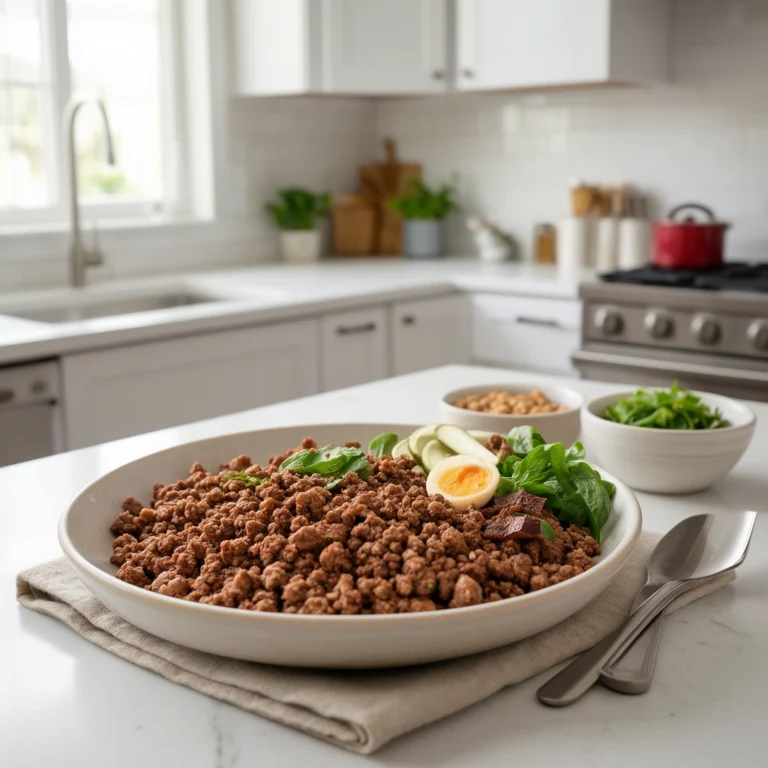
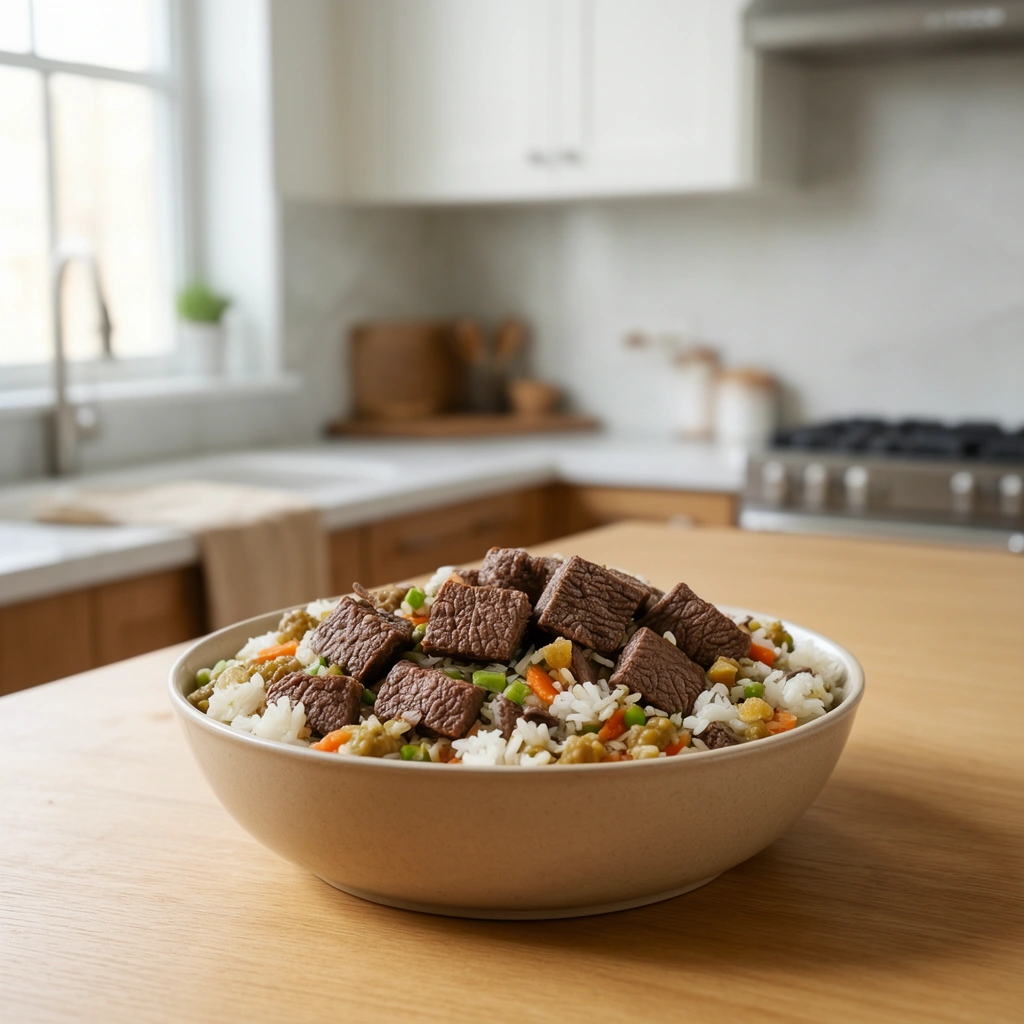
So here’s the deal. We’re cooking up a basic, balanced meal using ground beef, white or brown rice, and a handful of dog-safe veggies. This isn’t some fancy gourmet dish. It’s a no-nonsense recipe that gives your pup protein, carbs, and fiber in one bowl.
I like this recipe because it’s forgiving. You don’t need to be a chef. You just need a pot, some patience, and love for your dog. This meal works great as a regular diet addition, a sick-tummy remedy, or a topper for regular kibble.
Let’s break down what you’ll need before jumping into the cooking part.
Key Terms You Should Know
Before we start, let’s clear up some words you’ll see throughout this guide. Understanding these terms helps you make smarter choices for your dog’s meals.
Lean ground beef
: Beef with lower fat content, usually 90% lean or higher. This reduces the risk of stomach upset and pancreatitis in dogs.
White rice
: Easily digestible carbohydrate, often recommended for dogs with sensitive stomachs or during recovery from illness.
Brown rice
: A whole grain option with more fiber and nutrients than white rice, but slightly harder to digest.
Balanced diet
: A meal plan that includes the right ratio of protein, fat, carbs, vitamins, and minerals dogs need daily.
Calcium supplement
: An added mineral source (like ground eggshell or a vet-recommended powder) needed because homemade meals often lack enough calcium on their own.
Portion control
: Measuring food based on your dog’s weight, age, and activity level to avoid overfeeding or underfeeding.
Why Beef And Rice Works So Well For Dogs
Beef gives dogs protein and important amino acids. It also has zinc, iron, and B vitamins. Rice, on the other hand, is gentle on digestion. It’s a go-to choice vets often suggest for dogs dealing with diarrhea or upset stomachs.
Together, these two ingredients create a meal that’s:
- Easy to digest
- Rich in protein for muscle health
- Low in common allergens compared to grain-heavy commercial foods
- Budget-friendly compared to premium dog food brands
- Simple enough to prepare in under 30 minutes
But here’s something a lot of recipes skip mentioning—beef and rice alone isn’t a complete, long-term diet. Dogs need calcium, essential fatty acids, and other micronutrients too. I’ll cover how to fix that gap later in this article.
Ingredients You’ll Need
Here’s what goes into a basic batch. This recipe makes enough for a medium-sized dog for about 3-4 days, but you can scale it up or down.
- 2 pounds lean ground beef (90% lean or higher)
- 2 cups white or brown rice (uncooked)
- 1 cup diced carrots
- 1 cup chopped green beans
- 1/2 cup peas (optional)
- 4 cups water or low-sodium beef broth
- 1 tablespoon fish oil (for omega-3s)
- 1 teaspoon calcium powder or crushed eggshell (vet-approved)
Skip onions, garlic, and heavy seasoning. These are toxic to dogs and can cause serious harm.
Step-By-Step Cooking Process
Now let’s get cooking. Follow these steps closely, and you’ll have a nutritious meal ready in no time.
Step 1: Cook the rice
Boil your rice in water or low-sodium broth. Follow the package instructions for timing. This usually takes 15-20 minutes.
Step 2: Brown the beef
While rice cooks, add the ground beef to a separate skillet. Cook on medium heat until fully browned. Drain excess fat to keep the meal lean.
Step 3: Steam or boil the vegetables
Add carrots and green beans to a pot of water. Boil for 5-7 minutes until soft. Dogs can’t digest raw veggies as easily, so cooking them helps a lot.
Step 4: Combine everything
Once the rice, beef, and veggies are cooked, mix them all together in one large pot or bowl.
Step 5: Add supplements
Stir in fish oil and calcium powder. This step fills nutritional gaps that beef and rice alone can’t cover.
Step 6: Cool before serving
Let the mixture cool completely before giving it to your dog. Hot food can burn their mouth.
Step 7: Portion and store
Divide the food into daily portions based on your dog’s weight. Store in airtight containers in the fridge for up to 4 days, or freeze for up to 3 months.
Tips For Success
Getting this recipe right isn’t hard, but a few small tweaks make a big difference.
- Always use lean beef. Fatty meat can trigger pancreatitis in some dogs.
- Cook rice a little softer than you would for yourself. Dogs digest mushy rice better than firm rice.
- Introduce this food gradually if your dog is used to kibble. Mix small amounts in with their regular food for a few days.
- Talk to your vet before making homemade food a permanent replacement for commercial dog food.
- Keep portions consistent. Overfeeding leads to weight gain, even with homemade meals.
- Rotate veggies occasionally to add variety and extra nutrients.
Common Mistakes And How To Avoid Them
I’ve seen a lot of dog owners make these slip-ups. Here’s how to steer clear of them.
Mistake 1: Skipping the calcium supplement
Beef and rice alone don’t provide enough calcium for long-term feeding. This can lead to bone and joint problems over time. Fix it by adding a vet-approved calcium source every batch.
Mistake 2: Using fatty ground beef
High-fat beef can cause digestive issues and even pancreatitis. Stick to lean or extra-lean beef.
Mistake 3: Adding seasoning or broth with onions/garlic
These ingredients are toxic to dogs, even in small amounts. Always check labels on store-bought broths.
Mistake 4: Feeding this as the only meal forever without vet guidance
This recipe is great short-term or as a supplement, but a long-term homemade diet needs proper nutrient balancing from a vet or canine nutritionist.
Mistake 5: Not adjusting portions for your dog’s size
A recipe that works for a Labrador won’t work the same way for a Chihuahua. Always calculate portions based on body weight and activity level.
Variations You Can Try
Once you’ve nailed the basic recipe, feel free to switch things up. Here are some tasty variations.
- Sweet potato swap: Replace rice with mashed sweet potato for dogs with grain sensitivities.
- Turkey and rice version: Swap beef for lean ground turkey for a lighter protein option.
- Pumpkin boost: Add a few tablespoons of plain canned pumpkin for extra fiber and digestive support.
- Egg addition: Mix in a scrambled egg for added protein and biotin.
- Slow cooker method: Toss all ingredients into a slow cooker for a hands-off cooking process. Cook on low for 6-8 hours.
- Grain-free version: Use quinoa or cauliflower rice instead of regular rice for dogs avoiding grains.
Wrapping It Up
Making homemade beef and rice dog food doesn’t need to feel overwhelming. With a few simple ingredients and steps, you can whip up a meal that’s healthy, affordable, and something your dog will actually love. Just remember to balance it with the right supplements, watch your portions, and check in with your vet if you’re making this a regular part of their diet.
At the end of the day, cooking homemade beef and rice dog food is one of the easiest ways to show your pup some extra love, one bowl at a time.