Best Dog Food For Mixed Breed Dogs
Ever looked at your mutt and wondered, “What in the world should I actually be feeding you?” I get it. Finding the best dog food for mixed breed dogs feels like a puzzle nobody gave you the pieces for. Your pup might have a Lab’s appetite, a Poodle’s coat, and a Chihuahua’s tiny stomach all rolled into one wiggly package. That mix of genetics means generic advice often falls flat.
I’ve spent years digging into canine nutrition, chatting with vets, and testing recipes in my own kitchen for my rescue mutt, Biscuit. She’s part Beagle, part who-knows-what. Through trial and error, I found that homemade food, done right, beats a lot of store-bought bags. Today, I’m sharing exactly how I make a balanced meal that works for mixed breed dogs of almost any size.
Why Mixed Breed Dogs Need Special Attention
Purebred dogs often have predictable nutritional needs based on breed standards. Mixed breeds? Not so simple. Your dog could inherit joint issues from one parent breed and food sensitivities from another. That’s why I’m going to walk you through a homemade dog food recipe that covers the basics every mixed breed dog needs, no matter what’s in their DNA cocktail.
This recipe focuses on lean protein, digestible carbs, and healthy fats. It’s flexible too. You can tweak it based on your dog’s size, age, and activity level. Think of it as a starting template, not a rigid rulebook.
Key Terms You Should Know
Before we jump into the kitchen, let’s clear up some terms you’ll see thrown around in dog nutrition circles.
Macronutrients
: The big three—protein, fat, and carbohydrates. These give your dog energy and support muscle, coat, and organ health.
Micronutrients
: Vitamins and minerals like calcium, zinc, and vitamin E. They’re needed in smaller amounts but are just as critical.
Complete and Balanced
: A phrase used when a food meets AAFCO (Association of American Feed Control Officials) nutrient standards for a dog’s life stage.
Bioavailability
: How well your dog’s body can actually absorb and use nutrients from an ingredient. Fresh meat, for example, has higher bioavailability than some processed fillers.
Limiting Ingredient
: A recipe with fewer components, often used for dogs with allergies or sensitive stomachs.
Knowing these words helps you read labels and recipes with more confidence. It also helps you talk to your vet without feeling lost.
What Mixed Breed Dogs Actually Need Nutritionally
Every dog, mixed or not, needs a solid mix of nutrients. But mixed breeds often benefit from a slightly more balanced, less breed-specific approach since you can’t predict every genetic trait.
Here’s what to focus on:
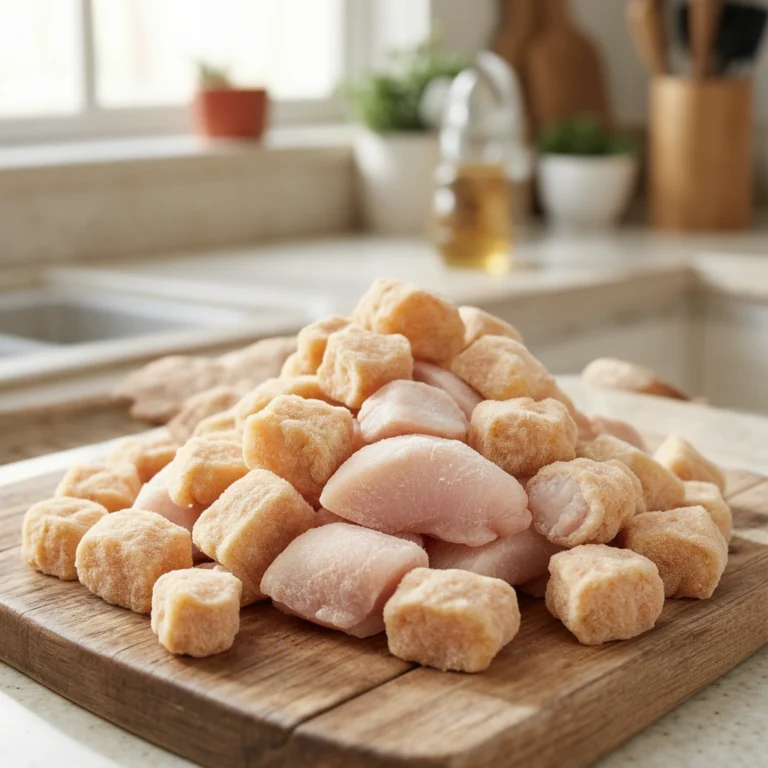
- High-quality protein – Chicken, turkey, beef, or fish should make up the bulk of the meal.
- Healthy fats – Fish oil or flaxseed oil support skin, coat, and joint health.
- Digestible carbohydrates – Brown rice, sweet potato, or oats provide steady energy.
- Fiber-rich veggies – Carrots, green beans, and spinach add vitamins without excess calories.
- Calcium source – Crucial for bone health, especially in growing pups or active adults.
Mixed breed dogs also tend to have varied metabolisms. Some burn through food fast, others gain weight easily. Watching your dog’s body condition matters more than following a strict formula.
Step-By-Step: Homemade Dog Food Recipe
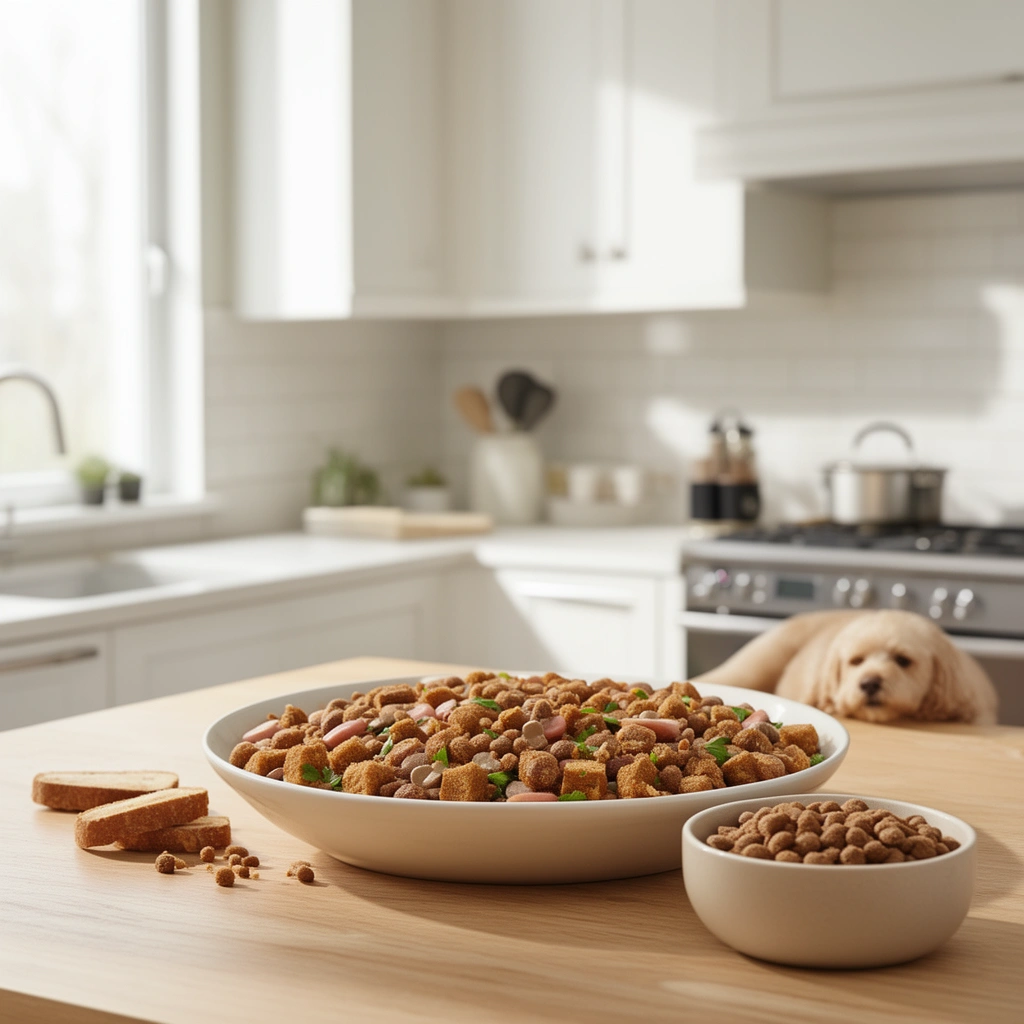
I’m going to share my go-to recipe. It’s simple, affordable, and Biscuit devours it every single time.
Ingredients:
- 2 pounds ground turkey or chicken (lean)
- 1 cup brown rice, uncooked
- 1 cup sweet potato, peeled and diced
- 1/2 cup carrots, diced
- 1/2 cup green beans, chopped
- 1 tablespoon fish oil
- 1 teaspoon calcium powder (or crushed eggshell, finely ground)
- 2 cups water or low-sodium chicken broth
Instructions:
- Cook the brown rice according to package instructions and set aside.
- In a large pot, brown the ground turkey or chicken over medium heat until fully cooked. Drain excess fat if needed.
- Add the diced sweet potato and carrots to the pot with the water or broth. Simmer for 10 to 12 minutes until soft.
- Stir in the green beans and cook for another 3 minutes.
- Mix in the cooked rice, combining everything thoroughly.
- Remove from heat and let the mixture cool slightly.
- Stir in the fish oil and calcium powder once the food is warm, not hot, to preserve nutrient quality.
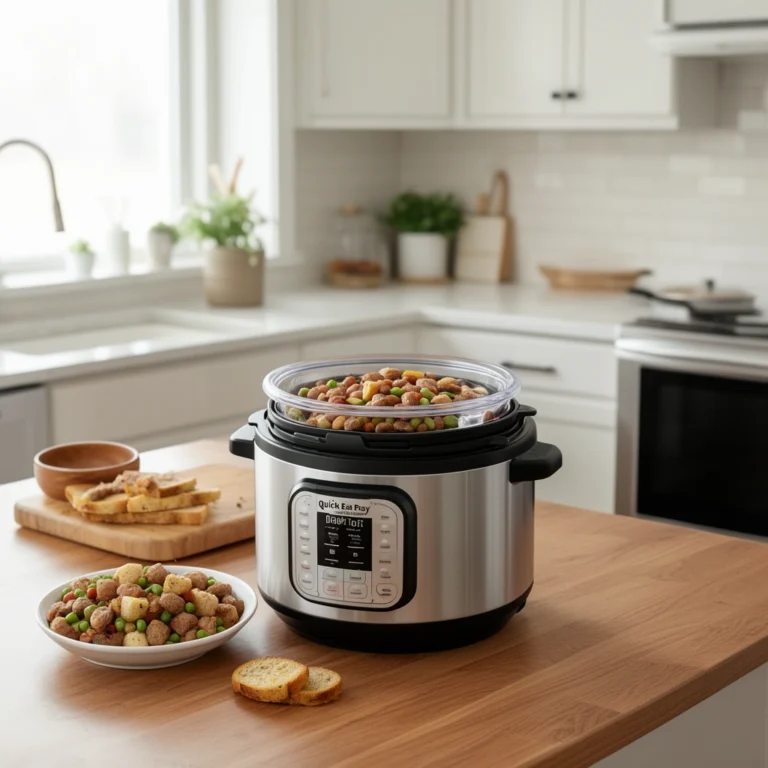
- Portion into meal-sized containers and refrigerate or freeze for later use.
This recipe makes roughly 8 to 10 cups, depending on your dog’s size. Adjust portions based on your vet’s recommendation or your dog’s weight.
Tips For Success
Getting homemade dog food right takes a bit of practice. These tips will save you time and headaches.
- Always introduce new food gradually over 5 to 7 days to avoid tummy upset.
- Weigh your dog monthly to track whether portions need adjusting.
- Store meals in airtight containers to keep them fresh longer.
- Rotate protein sources occasionally to avoid nutrient gaps and boredom.
- Talk to your vet about adding a vitamin supplement if you’re feeding homemade meals long-term.
Small, consistent habits make a bigger difference than any single perfect recipe.
Common Mistakes And How To Avoid Them
I made plenty of mistakes early on. Here’s what I learned the hard way.
Skipping the calcium
: Meat-based diets without added calcium can cause serious bone issues over time. Always include a calcium source.
Overloading on fillers
: Too much rice or potato without enough protein leaves your dog undernourished, even if they seem full.
Ignoring portion control
: Homemade food feels healthier, so it’s tempting to overfeed. Weight gain sneaks up fast.
Using seasoned or spiced ingredients
: Onions, garlic, and heavy seasoning are toxic or irritating for dogs. Keep it plain.
Forgetting variety
: Feeding the exact same recipe for months can lead to nutrient imbalances. Mix things up every few weeks.
Avoiding these pitfalls keeps your dog healthier and keeps you from second-guessing every meal you make.
Similar Variations You Can Try
Once you’re comfortable with the base recipe, feel free to experiment. Here are a few variations I’ve tested with good results.
- Fish-based recipe – Swap turkey for salmon or white fish, great for dogs with poultry allergies.
- Beef and barley mix – Use lean ground beef with barley instead of rice for dogs needing extra iron.
- Low-fat senior blend – Reduce fat content and add pumpkin puree for older mixed breed dogs with slower metabolisms.
- Grain-free version – Replace rice with quinoa or chickpeas for dogs with grain sensitivities.
- Puppy growth formula – Increase protein and calcium slightly, and add a small amount of plain yogurt for probiotics.
Each variation keeps the same foundation but tweaks ingredients based on your dog’s specific needs. That’s the beauty of homemade food. You control every single ingredient.
Wrapping It Up
Finding the best dog food for mixed breed dogs doesn’t have to feel like guesswork anymore. Once you understand the basics of protein, fat, carbs, and micronutrients, you can build meals that fit your dog’s unique blend of breeds. My homemade recipe gives you a solid starting point, and the variations let you adjust as your dog’s needs change over time.
Cooking for your dog takes a little extra effort, sure. But watching Biscuit’s coat shine and her energy soar has made every minute worth it. Give this recipe a shot, tweak it as needed, and you’ll likely find it’s one of the best dog food choices you’ve made for your mixed breed companion.