Vegan Dog Treats: A Complete Guide to Making Healthy, Plant-Based Snacks Your Dog Will Love
Ever wondered if your pup could enjoy a treat that’s kind to animals, kind to the planet, and still tastes amazing to them? I’ve been baking treats for my dogs for years now, and let me tell you—vegan dog treats aren’t just a trend for hipster pet owners. They’re a genuine option for dogs with allergies, sensitive stomachs, or owners who simply want to reduce their carbon paw-print.
I got curious about this topic after my neighbor’s Golden Retriever developed a nasty reaction to chicken-based treats. She switched to plant-based snacks, and within weeks, the itching stopped. That got me digging deeper into what makes vegan dog treats work, and honestly, what I found surprised me.
What Exactly Are Vegan Dog Treats?
Let’s clear something up first. Vegan dog treats aren’t just treats with no meat thrown in. They’re carefully balanced snacks made entirely from plant sources—no animal products, no by-products, nothing derived from creatures at all.
Here’s the thing though. Dogs aren’t obligate carnivores like cats. They’re omnivores. That means their bodies can actually process plant-based proteins and nutrients pretty well, as long as the recipe is thought out properly.
I’m going to walk you through everything—from the ingredients you’ll need, to a step-by-step recipe, right down to mistakes I made when I first started (trust me, there were a few).
Key Terms You Should Know Before Starting
Understanding these terms will make your treat-baking journey way smoother.
Vegan
: A product containing zero animal-derived ingredients, including no eggs, dairy, honey, or gelatin.
Plant-Based Protein
: Protein sourced from beans, lentils, peanut butter, or grains instead of meat or fish.
Binder
: An ingredient (like flaxseed or applesauce) that holds the dough together, replacing the role eggs typically play.
Allergen-Friendly
: Recipes designed to avoid common triggers like wheat, soy, or corn for dogs with sensitivities.
Nutrient-Dense
: Foods packed with vitamins and minerals relative to their calorie count—super important since treats shouldn’t just be empty calories.
Ingredients You’ll Need
Before jumping into the kitchen, gather these staples. Most of them are probably already sitting in your pantry.
- Rolled oats (or oat flour)
- Peanut butter (unsalted, no xylitol—this is critical, xylitol is toxic to dogs)
- Mashed banana or pumpkin puree
- Ground flaxseed (acts as your egg replacer)
- Water (just enough to bind everything)
- Optional add-ins: shredded carrots, blueberries, or a pinch of cinnamon
That’s it. No fancy specialty items required. I always keep oats and peanut butter stocked just for treat emergencies.
Step-by-Step: How to Make Vegan Dog Treats
Alright, let’s get into the actual process. I promise this is easier than it sounds.
- Preheat your oven to 350°F (175°C). Line a baking sheet with parchment paper.
- Mix your dry ingredients first. Combine 2 cups of oat flour with 2 tablespoons of ground flaxseed in a large bowl.
- Add wet ingredients. Stir in half a cup of peanut butter and one mashed banana (or half a cup of pumpkin puree if your dog prefers that).
- Slowly add water, a tablespoon at a time, until the dough holds together without being sticky or crumbly.
- Knead briefly. Just enough to bring the dough into a smooth ball—overworking it makes the treats tough.
- Roll out the dough to about a quarter-inch thickness on a floured surface.
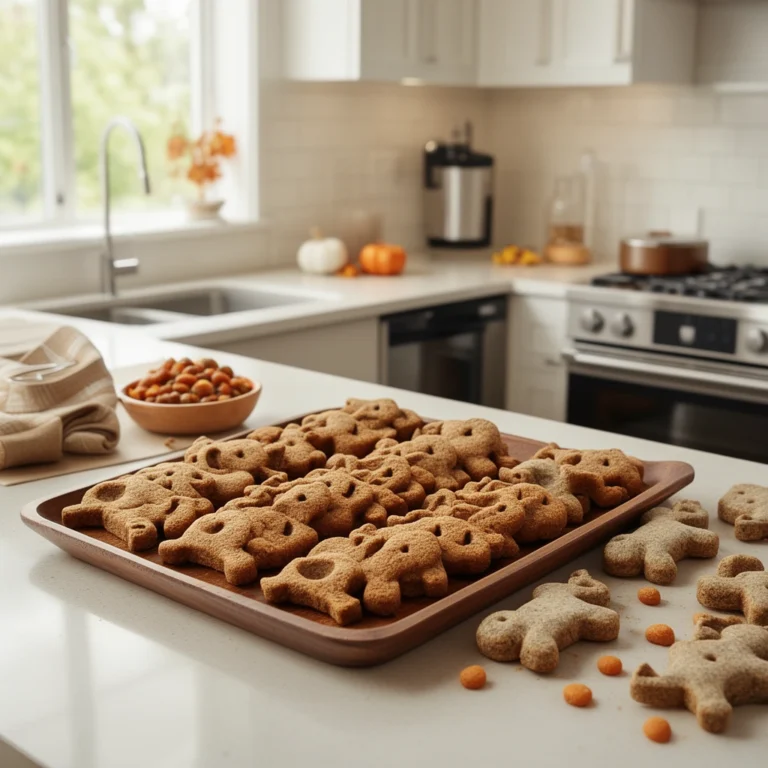
- Cut into shapes. Use a cookie cutter, or honestly, just cut squares with a knife if you’re short on time.
- Bake for 20-25 minutes, flipping halfway through for even crispness.
- Cool completely before serving. This step matters more than people think—warm treats can be too soft and fall apart.
- Store properly in an airtight container. They’ll last about a week at room temperature, or up to three months frozen.
See? Nothing complicated. The whole process takes maybe 40 minutes, most of which is just waiting for the oven to do its job.
Tips for Success
I learned these through trial and error, so hopefully you can skip some of my mistakes.
- Always use unsweetened, unsalted peanut butter. Sweetened versions often contain xylitol, which is deadly for dogs.
- Cut treats smaller than you think you need to. Dogs don’t care about portion sizes the way we do, and smaller treats mean better portion control.
- Test a small batch first. Every dog has different taste preferences, and you don’t want to waste a full batch on something your pup turns their nose up at.
- Let treats cool on a wire rack, not the baking sheet. This keeps the bottoms from getting soggy.
- Store treats in the fridge if your home runs warm. Plant-based treats without preservatives can spoil faster than store-bought ones.
- Introduce new ingredients slowly. Even healthy plant foods can cause digestive upset if introduced too quickly.
Common Mistakes and How to Avoid Them
I’ve made most of these myself, so let me save you the hassle.
Mistake: Using flour with gluten if your dog has sensitivities.
Solution: Swap regular flour for oat flour or chickpea flour if you notice any digestive issues.
Mistake: Adding too much liquid.
Solution: Add water gradually. It’s way easier to add more than to fix an overly wet dough.
Mistake: Skipping the cooling step.
Solution: Patience pays off here. Rushing this step leads to mushy, unappetizing treats.
Mistake: Forgetting that “vegan” doesn’t always mean “healthy.”
Solution: Just because a treat has no animal products doesn’t mean it’s low-calorie or balanced. Watch portion sizes just like you would with any treat.
Mistake: Using toxic ingredients without realizing it.
Solution: Double-check every ingredient. Grapes, raisins, onions, garlic, and xylitol are all common kitchen items that are dangerous for dogs, even in small amounts.
Similar Variations You Can Try
Once you’ve nailed the basic recipe, there’s a ton of room to experiment. Here are some variations I’ve tried myself.
- Sweet Potato and Oat Treats: Swap the banana for roasted, mashed sweet potato. Adds a nice earthy flavor dogs seem to love.
- Blueberry Coconut Bites: Fold fresh blueberries and a tablespoon of shredded coconut into the dough for an antioxidant boost.
- Pumpkin Spice Treats: Use pumpkin puree as your base and add a pinch of cinnamon (never nutmeg, that’s toxic to dogs).
- Peanut Butter Banana Chews: Double up on both peanut butter and banana for an extra soft, chewy texture that’s great for senior dogs with weaker teeth.
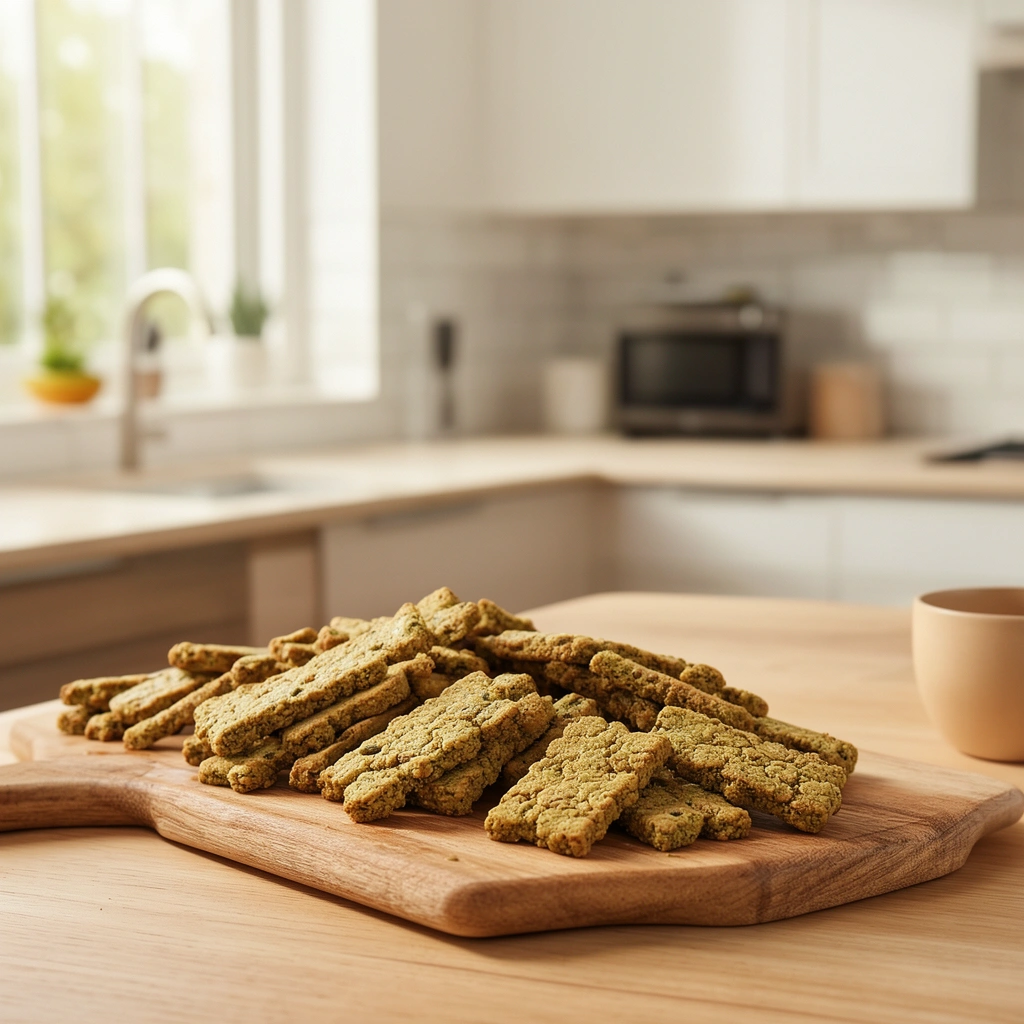
- Green Veggie Bites: Blend spinach or peas into the wet mixture for a fun greenish treat that sneaks in extra nutrients.
- Frozen Vegan Pupsicles: For summer, blend pumpkin puree, water, and a splash of peanut butter, then freeze in ice cube trays for a cool, refreshing snack.
Each of these keeps the same basic structure but changes up the flavor profile, so your dog never gets bored.
Wrapping It All Up
Making vegan dog treats at home isn’t just a nice gesture—it’s a practical way to control exactly what goes into your dog’s body. You avoid mystery ingredients, preservatives, and potential allergens hiding in store-bought bags. Plus, there’s something satisfying about watching your dog devour something you made with your own hands.
I’ll be honest, my first batch wasn’t perfect. Too dry, kind of bland, my dog sniffed it and walked away. But after a few tweaks, I found a formula that works every single time. That’s really the beauty of homemade treats—you get to adjust based on your dog’s actual preferences instead of guessing.
So next time you’re staring at an overpriced bag of treats at the pet store, remember you’ve got everything you need at home. Whip up a batch of vegan dog treats, and watch your pup’s tail start wagging before the oven timer even goes off.