Fresh Dog Food Recipes For Large Dogs: A Complete Guide To Feeding Your Big Buddy Right
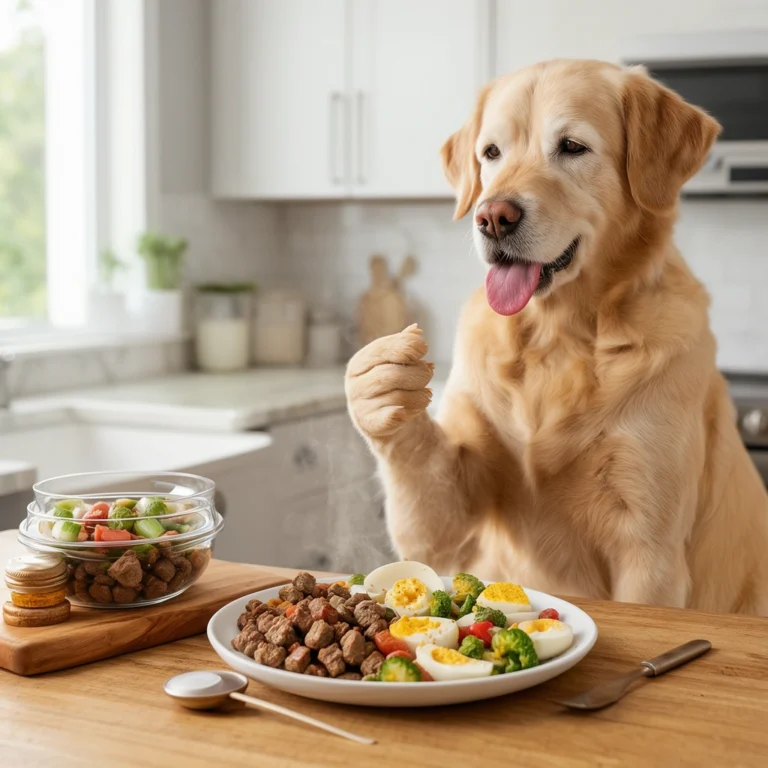
Ever stood in the kitchen wondering if store-bought kibble is really doing your Great Dane or Labrador any favors? I get it. Big dogs have big needs, and fresh dog food recipes for large dogs can make a real difference in how your pup feels, moves, and thrives. I’ve spent years testing recipes, talking to vets, and watching my own large breed dogs go from sluggish to spry. Today, I’m sharing everything I’ve learned so you can start cooking smarter for your gentle giant.
Large dogs aren’t just small dogs scaled up. They have different joint stress, slower metabolisms in some cases, and unique growth patterns as puppies. That means their food needs to work harder for them. Let’s dig into what actually makes a fresh food recipe great for a 60-pound-plus dog.
Why Large Dogs Need Special Fresh Food Recipes
Here’s something a lot of articles skip over: large breed dogs face different health risks than smaller pups. Hip dysplasia, joint wear, bloat, and heart issues show up more often in bigger dogs. That’s not fear-mongering—it’s just biology. Their bones and joints carry more weight every single day.
Fresh food gives you control. You decide what goes in the bowl. You skip the fillers, the mystery meats, and the preservatives that fill cheap kibble bags. When you cook at home, you can add joint-supporting ingredients, balance calcium and phosphorus properly, and avoid excess calories that pack on unhealthy weight.
I always tell people this isn’t about being fancy. It’s about being intentional. A well-made fresh recipe can support strong joints, a shiny coat, and steady energy levels that match your dog’s size and activity level.
Key Terms Every Large Dog Owner Should Know
Definition List:
Calcium-Phosphorus Ratio
: The balance between two minerals that’s critical for bone growth. Large breed puppies need a tighter ratio than small dogs to avoid skeletal problems.
Caloric Density
: How many calories pack into each cup or ounce of food. Large breed puppies need lower caloric density to prevent rapid growth that stresses developing joints.
Glucosamine
: A natural compound found in cartilage that supports joint health. Often added to large dog recipes as a preventive measure.
Protein-to-Fat Ratio
: The balance between muscle-building protein and energy-dense fat. Large adult dogs generally do well with moderate protein and controlled fat to maintain lean muscle without excess weight gain.
Bloat (Gastric Dilatation-Volvulus)
: A life-threatening condition where the stomach twists after filling with gas. More common in deep-chested large breeds, and diet plays a role in prevention.
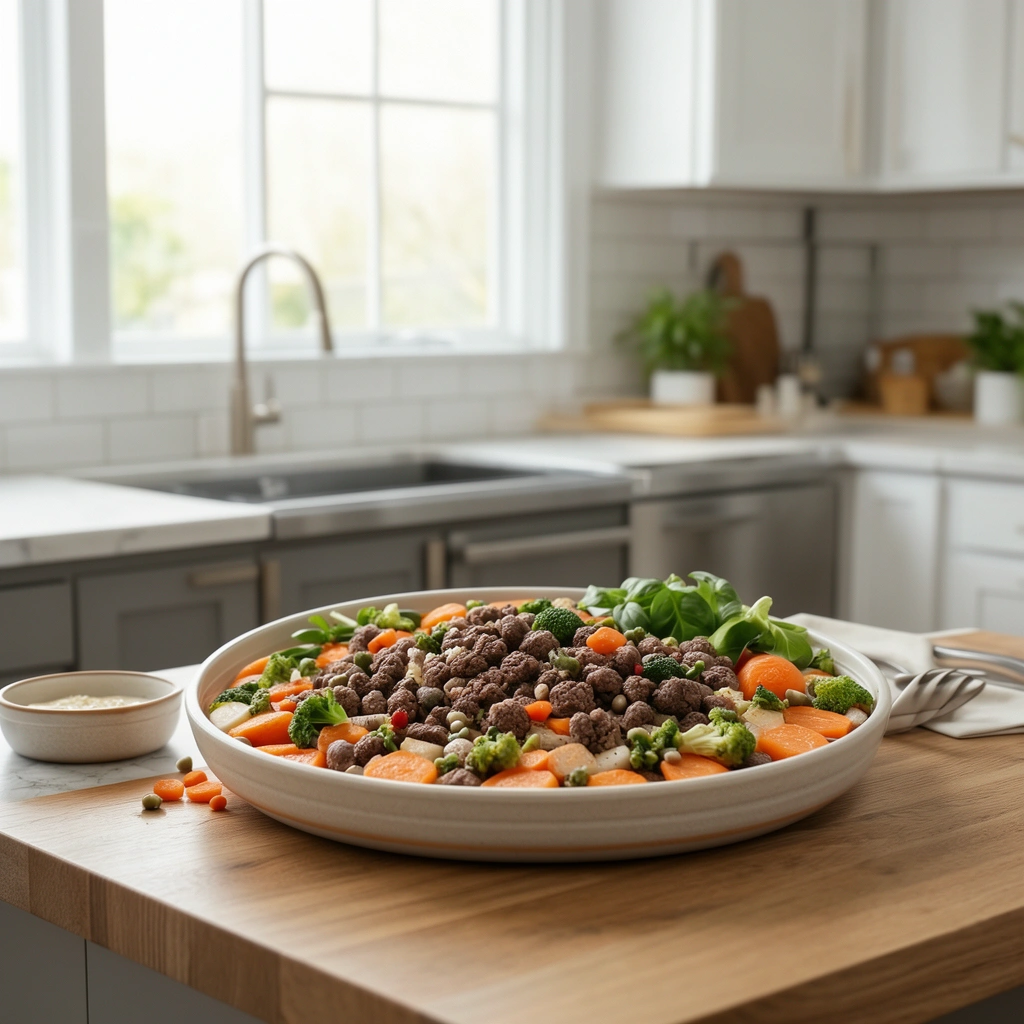
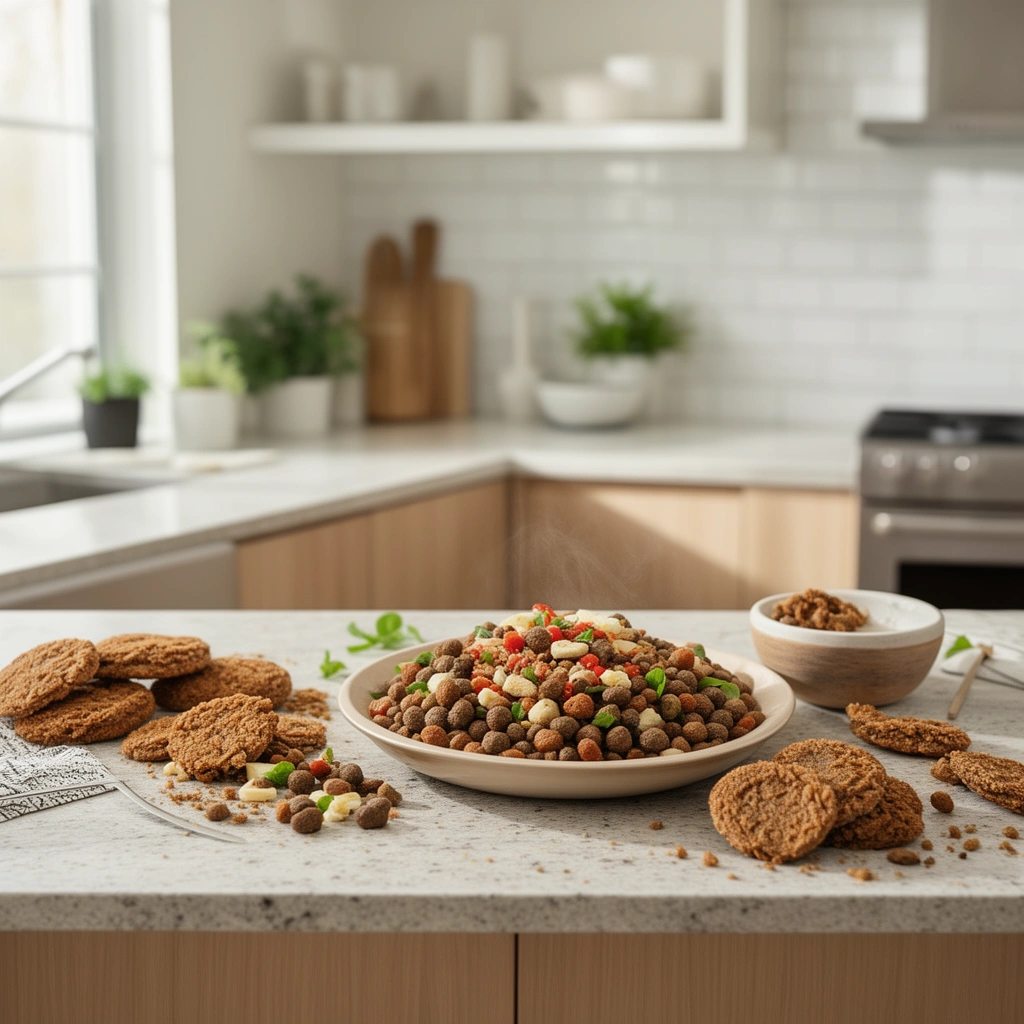
The Recipe I’m Sharing: Hearty Beef and Sweet Potato Bowl for Large Breeds
Let’s get into the actual recipe. This one’s become a staple in my house because it’s simple, balanced, and dogs genuinely love it. I built this recipe with joint support and steady energy in mind, which matters a lot for bigger breeds that carry more weight on their frames.
This isn’t just ground beef tossed with veggies. Every ingredient earns its spot in the bowl.

Ingredients You’ll Need
- 2 pounds lean ground beef (90/10 works best)
- 2 medium sweet potatoes, peeled and cubed
- 1 cup chopped carrots
- 1 cup green beans, chopped
- 2 eggs (shells removed, lightly beaten)
- 1 tablespoon fish oil (for omega-3s and coat health)
- 1 teaspoon ground eggshell powder (natural calcium source)
- 1/2 cup plain pumpkin puree (helps digestion)
- 1 tablespoon powdered glucosamine supplement (optional, but recommended for joint health)
Step-by-Step Cooking Process
Here’s exactly how I put this recipe together. Follow these steps in order for the best results.
- Step 1: Boil the sweet potatoes and carrots together in a large pot until fork-tender, about 15 minutes.
- Step 2: While the veggies cook, brown the ground beef in a separate skillet over medium heat. Break it apart as it cooks so there are no large clumps.
- Step 3: Once the beef is fully cooked, drain excess fat but leave a little for flavor and healthy fats.
- Step 4: Drain the veggies and mash them slightly with a fork. You want texture, not a smooth paste.
- Step 5: Combine the beef, mashed veggies, green beans, pumpkin puree, and beaten eggs in a large mixing bowl.
- Step 6: Stir in the fish oil, eggshell powder, and glucosamine supplement. Mix thoroughly so every bite gets balanced nutrition.
- Step 7: Let the mixture cool completely before portioning it into meal-sized containers.
- Step 8: Store in the fridge for up to four days, or freeze portions for up to three months.
That’s it. No complicated techniques, no rare ingredients you can’t find at a regular grocery store.
Portion Sizes for Large Dogs
This is where a lot of recipe guides drop the ball. They give you a recipe but never tell you how much to actually feed. Big dogs need more food than small ones, obviously, but the exact amount depends on weight and activity level.
- Dogs 50-70 pounds: roughly 2.5 to 3 cups of this mixture per day, split into two meals
- Dogs 70-90 pounds: roughly 3 to 3.5 cups per day, split into two meals
- Dogs 90+ pounds: roughly 3.5 to 4.5 cups per day, split into two meals
Always adjust based on your dog’s body condition. If you can’t feel ribs easily, cut back a little. If your dog seems too thin, add a bit more.
Tips for Success
Cooking fresh food for a large dog takes a little planning, but these tips make it painless.
- Batch cook on weekends so you have meals ready for the whole week
- Use a kitchen scale to measure portions accurately instead of guessing
- Introduce new recipes slowly over five to seven days to avoid stomach upset
- Keep a feeding journal for the first month to track weight and energy changes
- Talk to your vet before adding supplements like glucosamine, especially if your dog has existing health conditions
- Freeze portions flat in bags so they thaw faster and take up less freezer space
Common Mistakes And How To Avoid Them
I’ve made plenty of mistakes cooking for my own dogs over the years. Here’s what to watch out for.
Mistake: Feeding puppy-sized portions to adult large breed dogs, leading to excess weight.
Fix: Adjust portions as your dog grows and stick to age-appropriate calorie counts.
Mistake: Skipping the calcium source, which throws off bone development in growing dogs.
Fix: Always include a calcium source like eggshell powder or a vet-approved supplement.
Mistake: Switching from kibble to fresh food overnight.
Fix: Transition gradually, mixing small amounts of fresh food with kibble over a week or two.
Mistake: Using fatty cuts of meat that pack on unnecessary calories.
Fix: Stick to lean meats like 90/10 ground beef, chicken breast, or turkey.
Mistake: Forgetting that large breed puppies need different calcium-phosphorus ratios than adults.
Fix: Research large breed puppy nutrition specifically, or consult your vet for growth-stage recipes.
Variations You Can Try
Once you’ve nailed the base recipe, mixing things up keeps mealtime interesting for your dog.
- Chicken and Brown Rice Version: Swap ground beef for shredded chicken breast and sweet potato for cooked brown rice
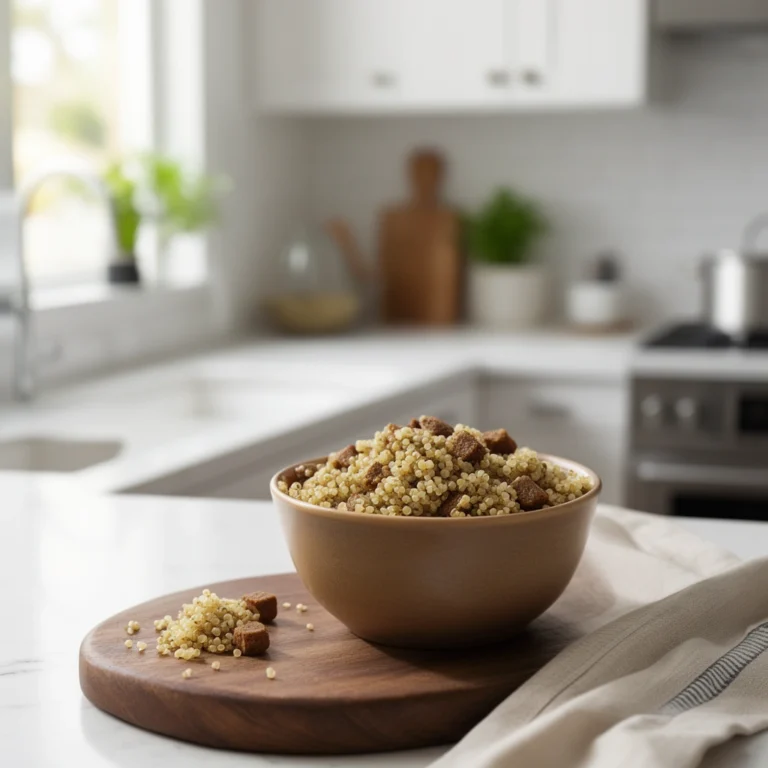
- Turkey and Quinoa Bowl: Use ground turkey instead of beef, and quinoa instead of sweet potato for a protein boost
- Fish-Forward Recipe: Replace beef with cooked salmon for extra omega-3s, great for dogs with skin issues or allergies
- Low-Fat Senior Version: Use lean turkey, reduce the fish oil slightly, and add more fiber-rich veggies like zucchini for older large dogs managing weight
- Grain-Free Option: Skip the sweet potato and use mashed cauliflower or extra pumpkin puree instead
Each variation keeps the same balanced structure while giving your dog different flavors and nutrients throughout the month.
Wrapping It Up
Cooking fresh dog food recipes for large dogs doesn’t have to feel overwhelming. Once you understand the basics—proper calcium ratios, lean proteins, joint support, and correct portions—you’re set up for success. I’ve watched my own large dogs get shinier coats, steadier energy, and stronger joints just from switching to homemade meals made with real intention.
Start small, stick to the steps, and pay attention to how your dog responds. That’s really all it takes to give your big buddy the fresh, wholesome meals he deserves.