5 Senior Dog Treats for Aging Pets: Recipes That Show Your Old Friend Some Love
Got an old dog snoring on the couch right now? I do too. And if you’re anything like me, you’ve probably noticed your senior pup can’t chomp down hard biscuits like they used to. That’s exactly why I started making senior dog treats at home—soft, gentle, and packed with stuff that actually helps aging bodies.
In this guide, I’m sharing five treats I’ve tested myself. These aren’t just “cute recipes.” Each one targets something real seniors deal with: sore joints, weak teeth, slower digestion, or a foggy brain. Let’s get into it.
Why Senior Dogs Need Different Treats
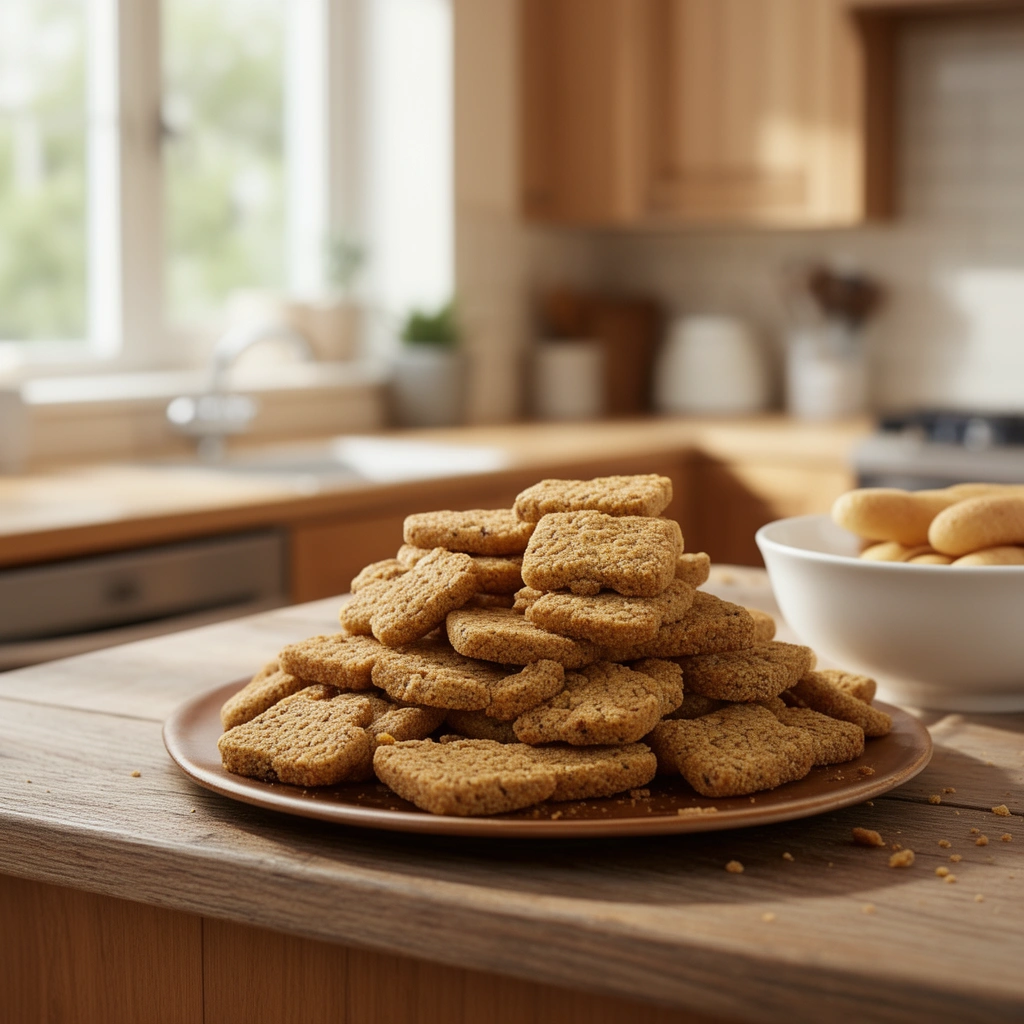
Before I hand you the recipes, let’s talk about why this matters.
Older dogs aren’t just smaller versions of adult dogs. Their bodies work differently.
Metabolism: Slows down, meaning fewer calories are needed to maintain weight.
Joint Health: Cartilage wears thin, causing stiffness and arthritis pain.
Dental Function: Teeth loosen or fall out, making hard treats risky or painful.
Digestion: Gut bacteria shift, often leading to sensitive stomachs.
Cognitive Function: Brain aging can cause confusion, similar to dementia in humans.
Once I understood this, treat-making stopped being random. Every ingredient started having a job to do.
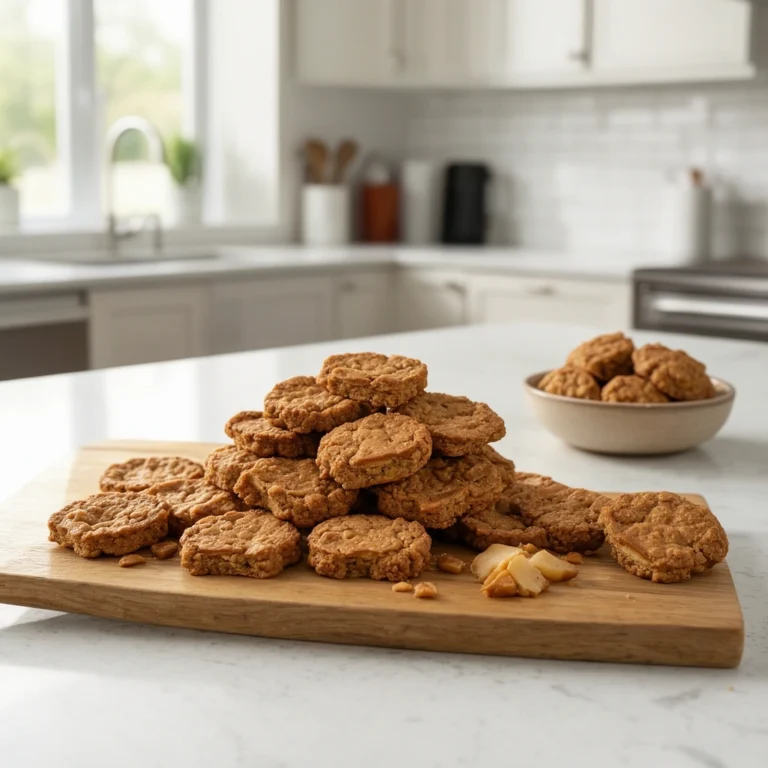
1. Soft Pumpkin & Peanut Butter Bites
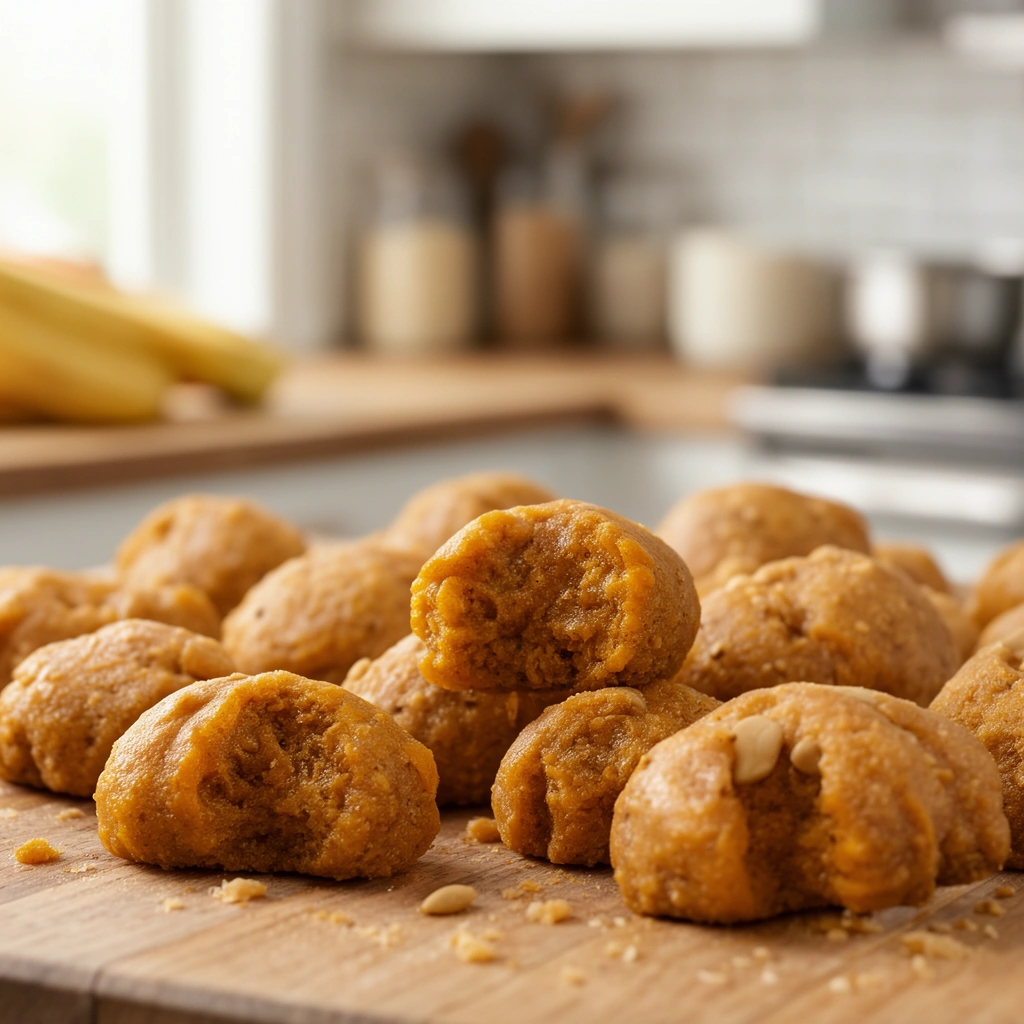
This one’s my go-to for dogs with wobbly teeth. No crunch, no fuss—just soft, chewy goodness.
Why it works: Pumpkin soothes digestion. Peanut butter (unsalted, xylitol-free) adds flavor dogs go nuts for.
Ingredients
- 1 cup canned pumpkin puree (plain, no spices)
- 1/2 cup natural peanut butter
- 1 1/2 cups oat flour
- 1 egg
Steps
- Preheat your oven to 325°F.
- Mix pumpkin, peanut butter, and egg in a bowl.
- Slowly add oat flour until dough forms.
- Roll into small balls—about the size of a marble.
- Flatten slightly with your palm.
- Bake for 20 minutes, then let cool completely.
These stay soft even after baking, which is perfect for gummy or toothless mouths.
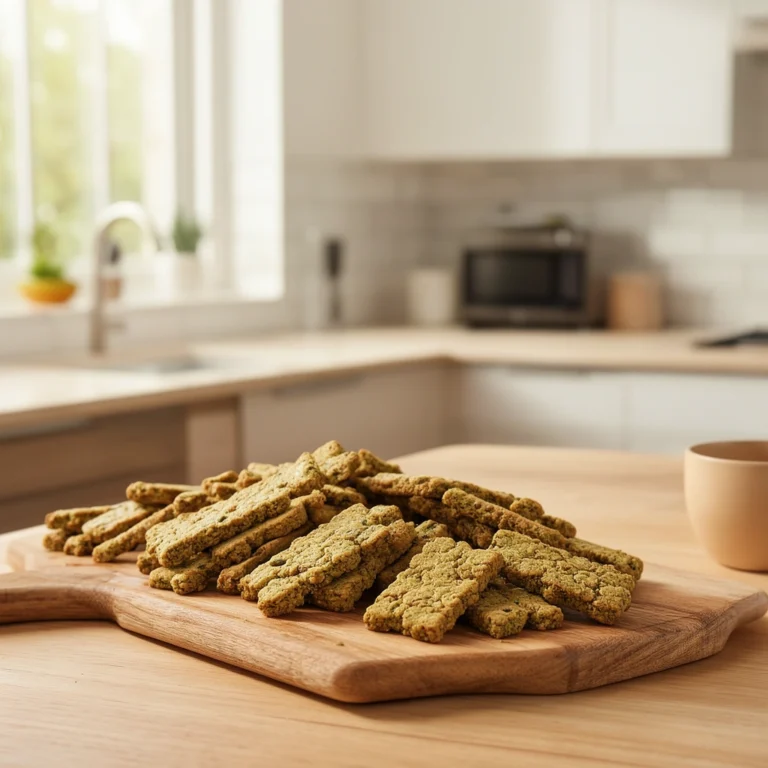
2. Turmeric & Sweet Potato Chews
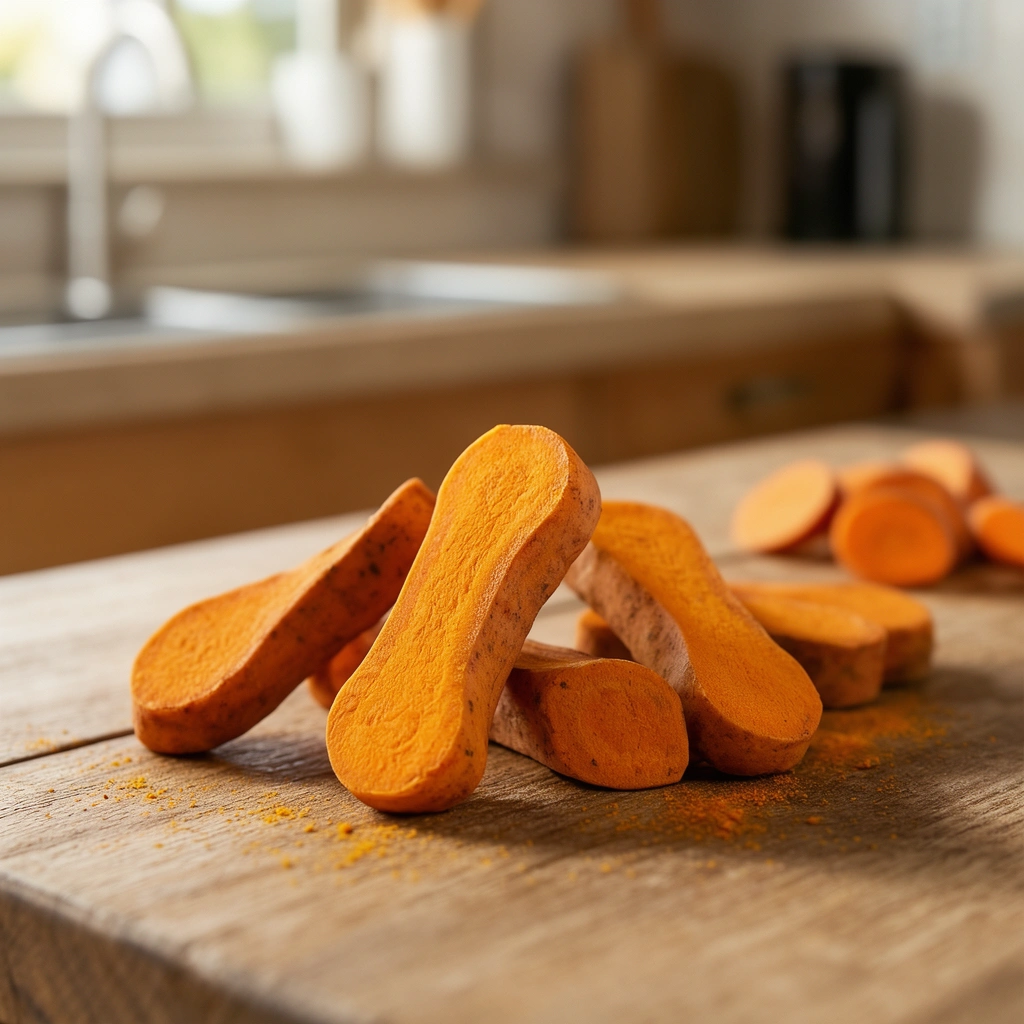
Arthritis is brutal to watch. My old lab, Max, struggled getting up some mornings. Turmeric changed the game for him—it’s a natural anti-inflammatory.
Why it works: Turmeric may ease joint pain. Sweet potato adds fiber and vitamin A.
Ingredients
- 2 medium sweet potatoes
- 1 tsp turmeric powder
- 1 tbsp coconut oil, melted
- Pinch of black pepper (helps turmeric absorb better)
Steps
- Boil sweet potatoes until fork-tender, then mash.
- Stir in turmeric, coconut oil, and black pepper.
- Spread mixture thin on a parchment-lined tray.
- Bake at 250°F for 2 hours, flipping halfway.
- Cool, then slice into chewy strips.
These turn out slightly chewy, almost like fruit leather. Great for slow snacking.
3. Salmon & Blueberry Brain-Boost Bites
Cognitive decline is real in older dogs. Omega-3s from salmon can support brain function, and blueberries bring antioxidants to fight cellular damage.
Why it works: DHA in salmon supports memory. Blueberries reduce oxidative stress linked to aging.
Ingredients
- 1 can salmon (packed in water, drained)
- 1/2 cup blueberries, mashed
- 1 cup whole wheat flour (or oat flour for grain-sensitive dogs)
- 1 egg
Steps
- Preheat oven to 350°F.
- Mash salmon thoroughly, removing bones if needed.
- Combine salmon, blueberries, and egg.
- Fold in flour until dough forms.
- Roll out and cut into small squares.
- Bake for 15-18 minutes until firm but not hard.
I store these in the fridge—they don’t need to be rock solid to hold shape.
4. Low-Calorie Green Bean Crisps
Not every senior dog needs extra calories. Some need the opposite. Weight gain puts more strain on already-tired joints.
Why it works: Green beans are low-cal, high-fiber, and dogs love the crunch (when their teeth allow it).
Ingredients
- 2 cups fresh green beans, trimmed
- 1 tbsp olive oil (optional, light coating)
Steps
- Preheat oven to 200°F—low and slow is key here.
- Toss green beans lightly in olive oil.
- Spread in single layer on a baking sheet.
- Bake for 2-3 hours until dehydrated and crispy.
- Let cool completely before serving.
For dogs with dental issues, skip the crisping and just steam the beans instead. Same benefits, softer bite.
5. Bone Broth Gelatin Chews
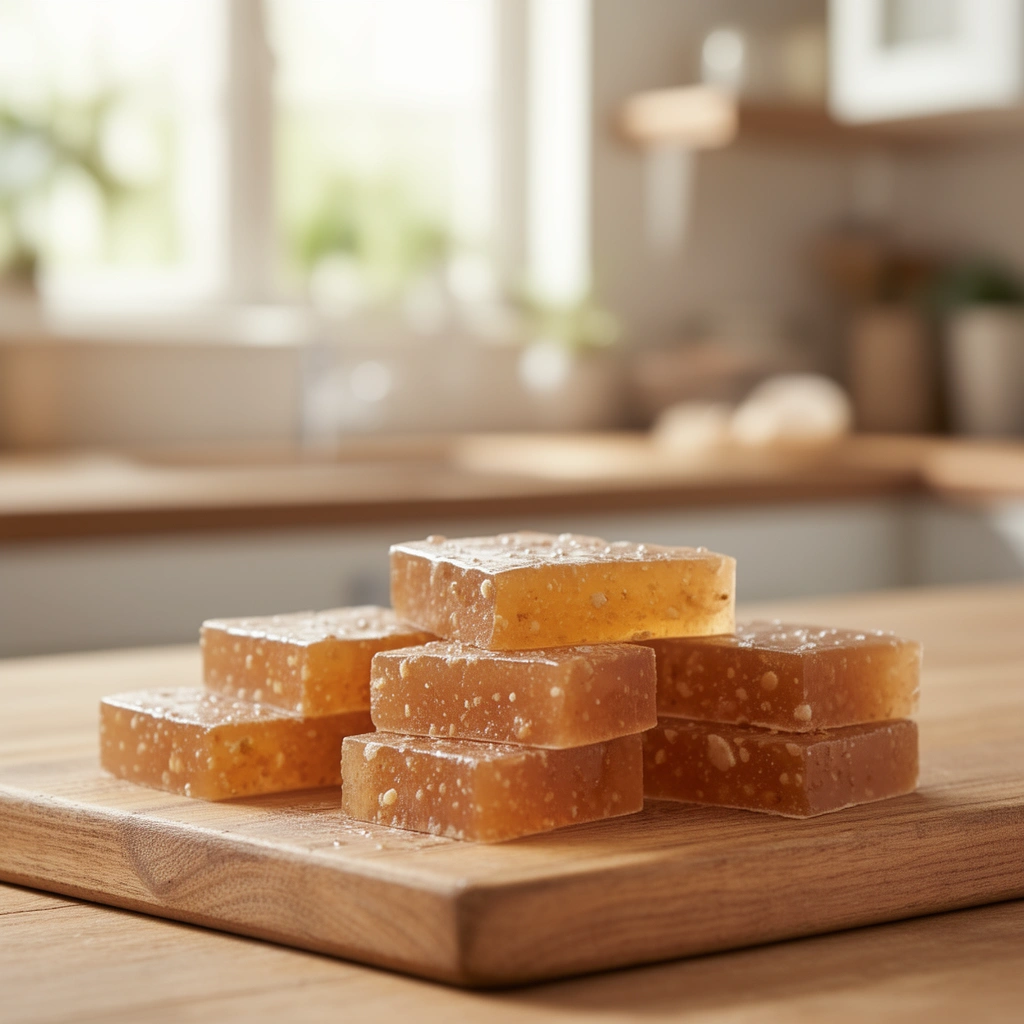
This one’s a hydration hero. Older dogs sometimes forget to drink enough water, and gelatin treats sneak in extra moisture.
Why it works: Bone broth supports joint health with natural collagen. Gelatin is easy to chew and digest.
Ingredients
- 2 cups low-sodium bone broth (unsalted, onion-free)
- 2 tbsp unflavored gelatin powder
Steps
- Warm bone broth in a saucepan (don’t boil).
- Whisk in gelatin powder until fully dissolved.
- Pour into silicone molds (ice cube trays work great).
- Refrigerate for at least 3 hours until set.
- Pop out and store in the fridge.
These wobble like jello and practically melt in a dog’s mouth. Perfect for dogs who’ve lost most of their teeth.
Tips for Success
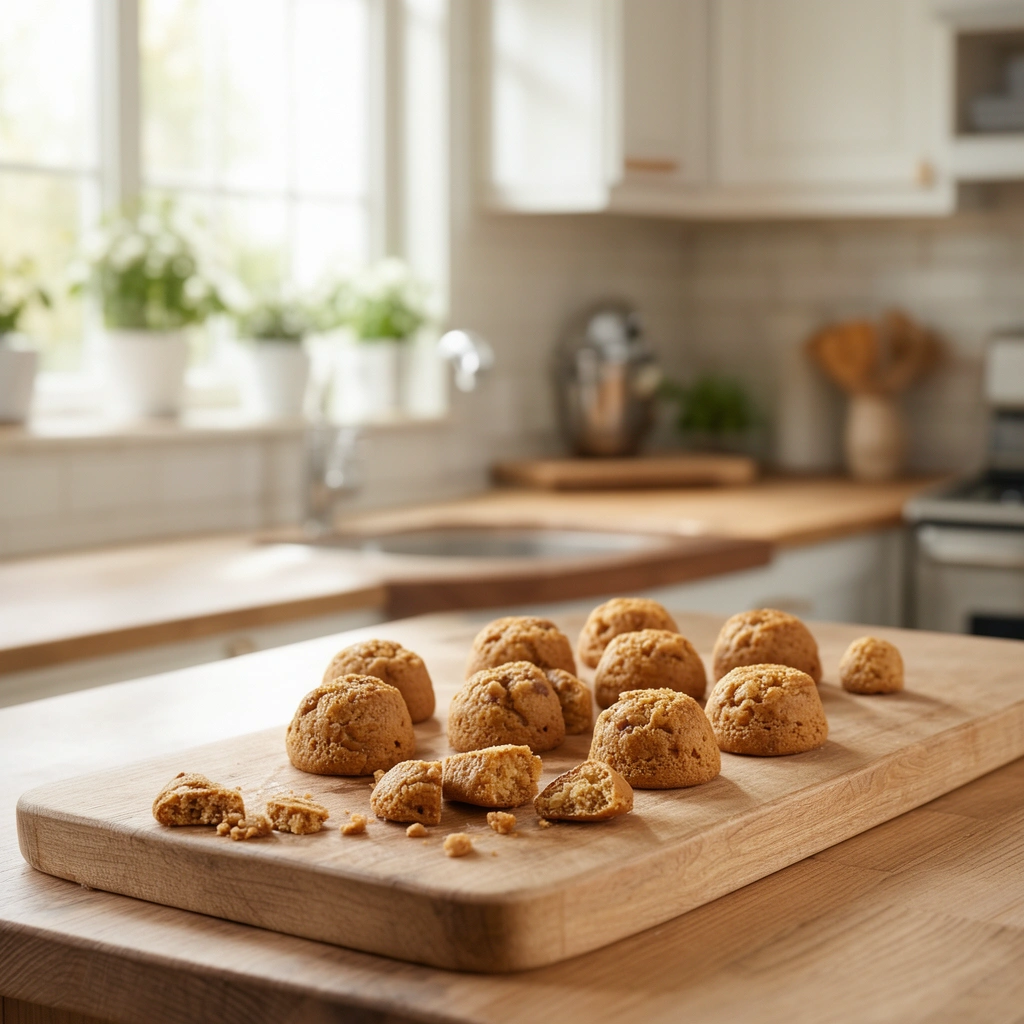
- Always cool treats completely before serving—warm treats can burn sensitive mouths.
- Cut treats smaller than you think you need to. Senior dogs often eat slower and can choke more easily.
- Introduce one new treat at a time. Watch for tummy upset over 24-48 hours.
- Store soft treats in the fridge, not the pantry. They spoil faster without preservatives.
- Talk to your vet before adding turmeric or fish oil if your dog’s on medication—these can interact with certain drugs.
Common Mistakes and How to Avoid Them
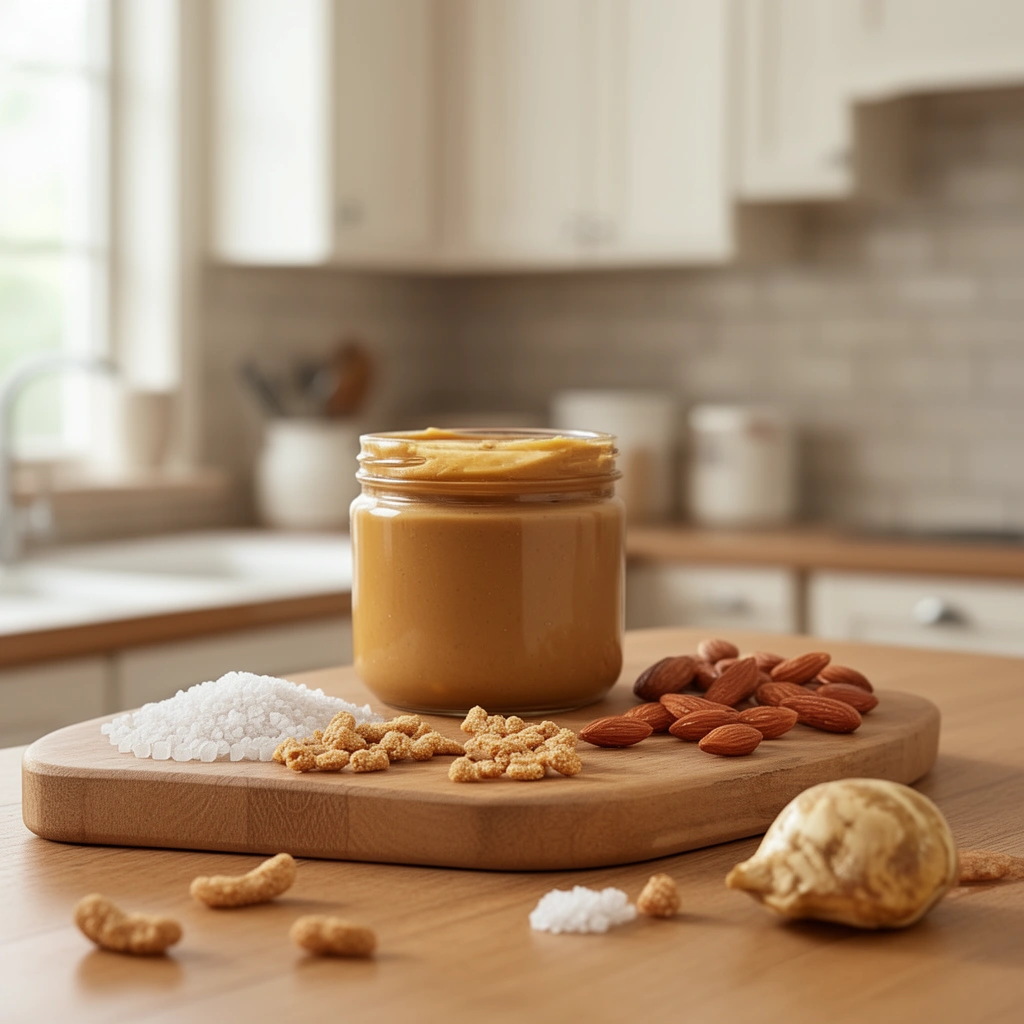
Mistake: Using regular peanut butter with xylitol.
Fix: Always check labels. Xylitol is deadly to dogs, even in small amounts.
Mistake: Making treats too hard or crunchy.
Fix: Bake at lower temps for longer to keep things soft, especially for dogs with dental issues.
Mistake: Ignoring calorie counts.
Fix: Treats should stay under 10% of daily calorie intake. Senior dogs gain weight fast and lose it slow.
Mistake: Skipping the vet check.
Fix: Some senior dogs have kidney or liver issues. Always confirm new ingredients are safe for your dog’s specific condition.
Similar Variations You Can Try
Once you get comfortable with these five, feel free to play around. Here are some swaps I’ve tried myself:
- Swap peanut butter for pumpkin seed butter if your dog has nut allergies.
- Replace salmon with sardines for an even cheaper omega-3 boost.
- Use butternut squash instead of sweet potato for a lower-sugar option.
- Add a pinch of cinnamon (not too much) for dogs who need blood sugar support.
- Freeze the bone broth gelatin chews for a cooling summer treat.
There’s no single “right” way to make these. I’ve adjusted recipes based on what my own dogs needed at different stages of aging.
Wrapping It Up
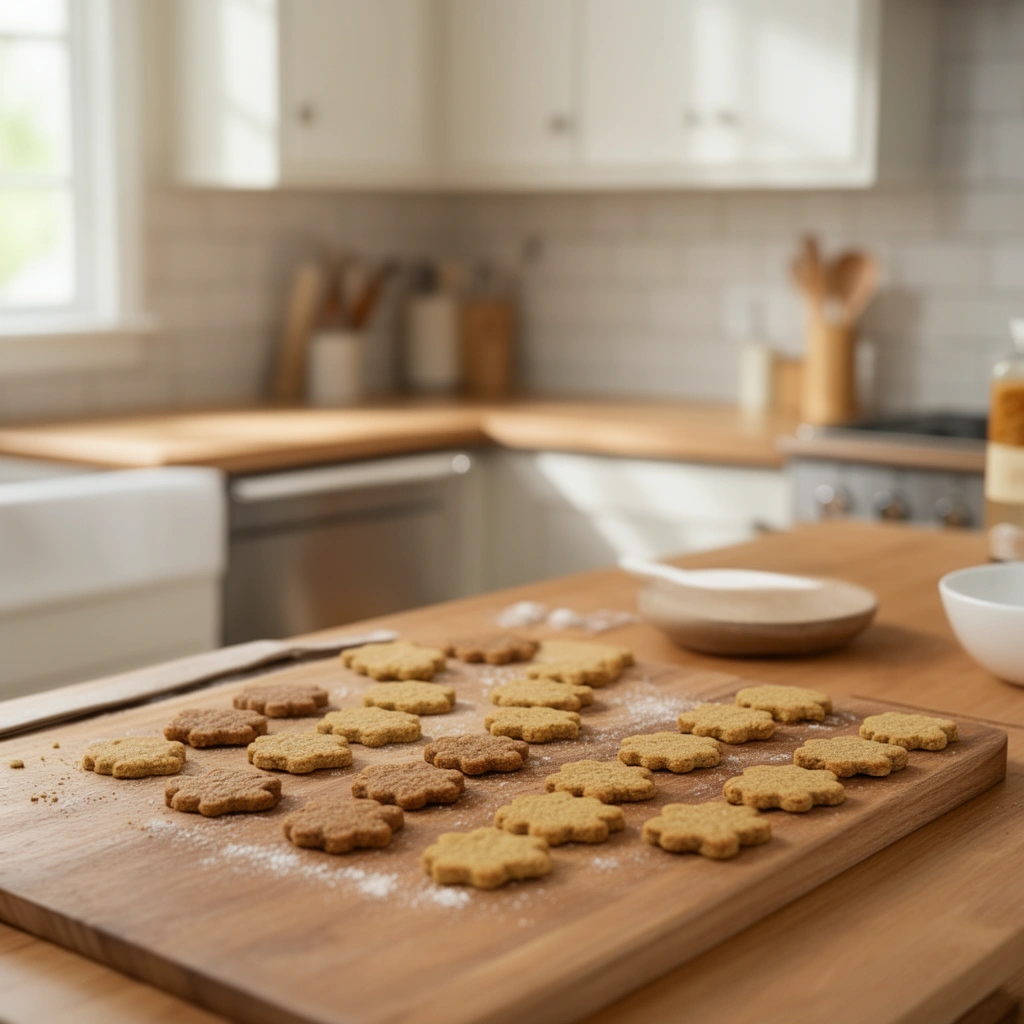
Making senior dog treats at home isn’t complicated—it’s just about knowing what your aging dog actually needs. Soft textures. Joint support. Brain-friendly nutrients. Once you understand those basics, you can tweak any recipe to fit your pup perfectly.
I’ve watched Max go from struggling on stairs to trotting around again, partly thanks to these little changes in his treats. It’s a small thing, but it adds up. So grab some pumpkin, some sweet potatoes, maybe a can of salmon—and start baking. Your senior dog deserves treats made just for them.