High Protein Beef and Kale Dog Food: A Nutrient-Packed Recipe Your Dog Will Actually Beg For
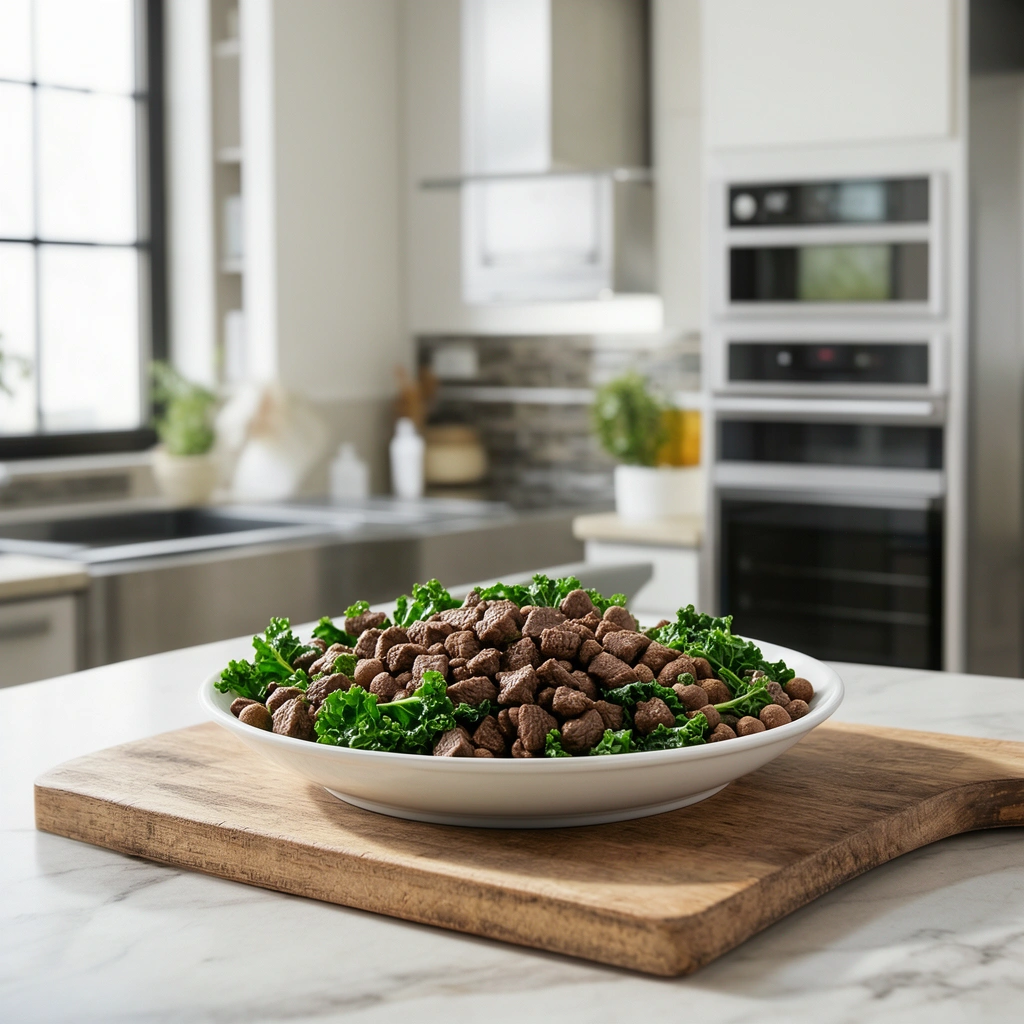
Ever caught your dog staring at your plate with those big, sad eyes while you eat dinner? I’ve been there more times than I can count. That’s actually what pushed me to start making my own high protein beef and kale dog food at home. I wanted something that felt like a real meal, not just kibble poured from a bag. And honestly? Once I figured out the right mix, my dog’s coat got shinier, his energy picked up, and mealtime became the highlight of his day.
If you’ve been searching for a homemade recipe that actually delivers on nutrition instead of just sounding healthy, you’re in the right spot. I’m going to walk you through everything: the why, the how, the mistakes to dodge, and a few tasty twists you can try later.
Why Beef and Kale Make Such a Powerful Combo
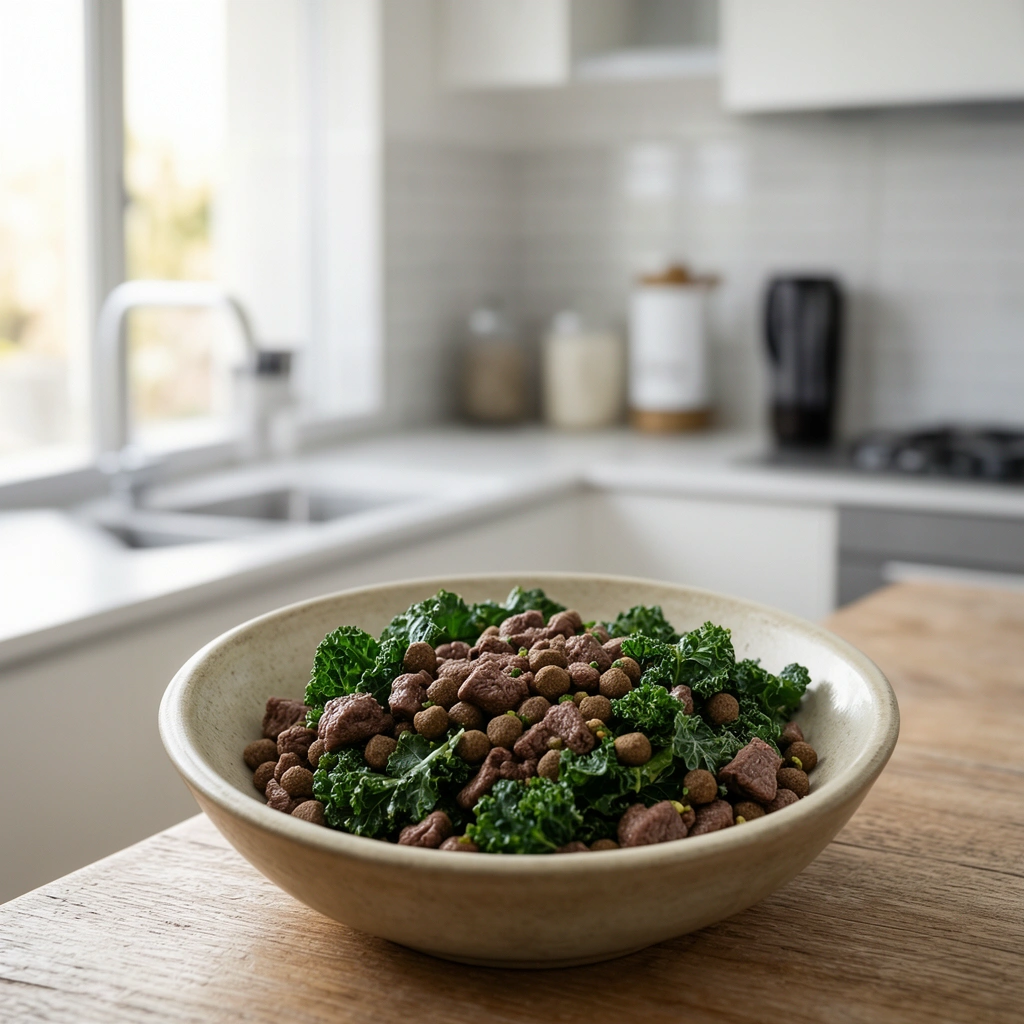
Beef isn’t just a protein source dogs love. It’s packed with iron, zinc, and B vitamins that support muscle growth and energy levels. Kale, on the other hand, brings fiber, calcium, and antioxidants to the table. Together, they create a balanced base that supports lean muscle, joint health, and a strong immune system.
I know some folks worry about kale being tough on a dog’s stomach. That’s a fair concern, but when it’s cooked properly and used in moderate amounts, it’s actually gentle and easy to digest. The trick is balance, which I’ll get into shortly.
Key Terms You Should Know Before You Start Cooking
Complete and balanced
: A nutritional term meaning the food contains all the vitamins, minerals, and macronutrients a dog needs in the correct ratios.
Macronutrients
: The three main nutrient groups—protein, fat, and carbohydrates—that make up the bulk of your dog’s diet.
Oxalates
: Natural compounds found in leafy greens like kale that, in large amounts, can interfere with calcium absorption.
Bioavailability
: How easily a dog’s body can absorb and use nutrients from a specific food source.
Rotational feeding
: A feeding approach where you switch between a few different homemade recipes to avoid nutrient gaps.
What You’ll Need for This Recipe
Before you start cooking, gather these ingredients. I’ve kept the list simple so you’re not chasing down obscure items at three different stores.
- 2 pounds of lean ground beef (85/15 works well for balanced fat content)
- 2 cups of chopped kale, stems removed
- 1 cup of cooked brown rice or sweet potato (for digestible carbs)
- 2 large eggs
- 1/4 cup of pumpkin puree (plain, no additives)
- 1 tablespoon of fish oil (for omega-3s)
- 1/2 teaspoon of ground ginger (helps digestion)
- A calcium supplement or crushed eggshell powder (this part is non-negotiable if beef is your main protein)
Step-by-Step: How to Make High Protein Beef and Kale Dog Food
Here’s exactly how I put this together in my kitchen. It takes about 40 minutes from start to finish, most of which is hands-off cooking time.
- Brown the beef. Cook the ground beef in a large skillet over medium heat until fully cooked through. Drain excess fat but leave a small amount for flavor and nutrition.
- Steam the kale. Lightly steam the chopped kale for about 3-4 minutes. This softens the leaves and makes them easier to digest, while preserving most of the nutrients.
- Cook your carb base. If you’re using brown rice, cook it according to package instructions. If sweet potato is your choice, boil until fork-tender, then mash it.
- Combine everything. In a large mixing bowl, combine the cooked beef, steamed kale, and your rice or sweet potato.
- Add the eggs. Scramble the eggs separately and fold them into the mixture once slightly cooled.
- Mix in the extras. Stir in the pumpkin puree, fish oil, ground ginger, and calcium supplement. Mix thoroughly so every bite has a bit of everything.
- Cool completely. Let the mixture cool to room temperature before serving or storing.
- Portion and store. Divide into meal-sized containers and refrigerate for up to 4 days, or freeze portions for up to 3 months.
How Much Should You Feed Your Dog?
This part trips a lot of people up. Portion size depends heavily on your dog’s weight, age, and activity level.
- Small dogs (under 20 lbs): 1/2 to 3/4 cup per day, split into two meals
- Medium dogs (20-50 lbs): 1 to 1.5 cups per day, split into two meals
- Large dogs (50-90 lbs): 2 to 3 cups per day, split into two meals
- Extra-large dogs (90+ lbs): 3 to 4 cups per day, split into two meals
I always recommend starting with a smaller portion and watching how your dog responds over the first week. Every dog’s metabolism is a little different.
Tips for Success
- Always remove kale stems since they’re tougher and harder to digest.
- Rotate protein sources every few weeks if you’re feeding homemade meals long-term, so your dog gets a broader nutrient range.
- Talk to your vet or a canine nutritionist before making homemade food your dog’s primary diet. This isn’t optional if you want to avoid long-term deficiencies.
- Introduce new recipes gradually over 5-7 days to prevent stomach upset.
- Store portions in clearly labeled containers with dates, so nothing sits in the freezer longer than it should.
Common Mistakes and How to Avoid Them
Skipping the calcium supplement
: Beef alone doesn’t provide enough calcium, and dogs fed only meat-based meals can develop bone and joint issues over time. Always add a calcium source.
Overloading on kale
: Too much kale can lead to digestive upset due to its oxalate content. Stick to the recommended amount and don’t double up thinking “more is better.”
Feeding it as a total replacement without vet guidance
: Homemade food can absolutely be nutritious, but without proper balancing, it might miss key nutrients like iodine or specific vitamins found in commercial formulas.
Using seasoned or salted beef
: Human seasoning, especially garlic, onion powder, and excess salt, is toxic or harmful to dogs. Keep it plain.
Serving it straight from the fridge, ice cold
: Some dogs get put off by cold food. Let it sit at room temperature for 15-20 minutes before serving.
Tasty Variations to Try
Once you’ve nailed the basic recipe, it’s fun to switch things up. Here are a few variations I’ve tried myself:
- Beef and kale with blueberries: Add a handful of mashed blueberries for extra antioxidants and a slightly sweet flavor dogs seem to love.
- Turkey and kale swap: Replace beef with ground turkey for a leaner option, especially good for dogs needing to manage weight.
- Beef, kale, and quinoa: Swap brown rice for cooked quinoa to add a different texture and a complete protein boost.
- Beef and kale with carrots: Add shredded carrots for extra fiber and a natural sweetness that most dogs go crazy for.
- Low-fat version: Use 90/10 or 93/7 ground beef if your dog needs a leaner diet due to pancreatitis history or weight concerns.
Why This Recipe Actually Works Long-Term
What I like most about this recipe is how adaptable it is. You’re not locked into one rigid formula. As your dog ages or their activity level changes, you can adjust the protein, swap the carb source, or add supplements based on their specific needs. That flexibility is something store-bought food just can’t offer.
I’ve also noticed that dogs on home-cooked meals tend to show more interest at mealtime. There’s something about fresh ingredients that just gets tails wagging faster than dry kibble ever could.
Wrapping It Up
Making high protein beef and kale dog food at home isn’t complicated once you understand the basics. It just takes a bit of planning, the right ingredients, and a commitment to balance. Your dog gets real, wholesome food, and you get the peace of mind knowing exactly what’s going into every bowl. Give this recipe a shot, watch how your pup responds, and don’t be afraid to experiment with the variations once you’ve got the fundamentals down. That’s really the heart of good homemade dog food.