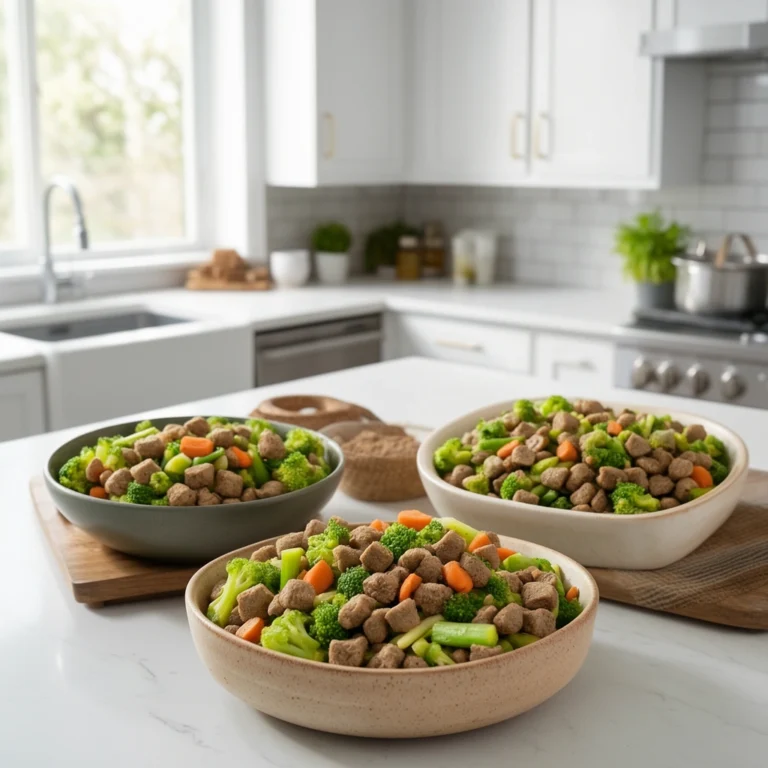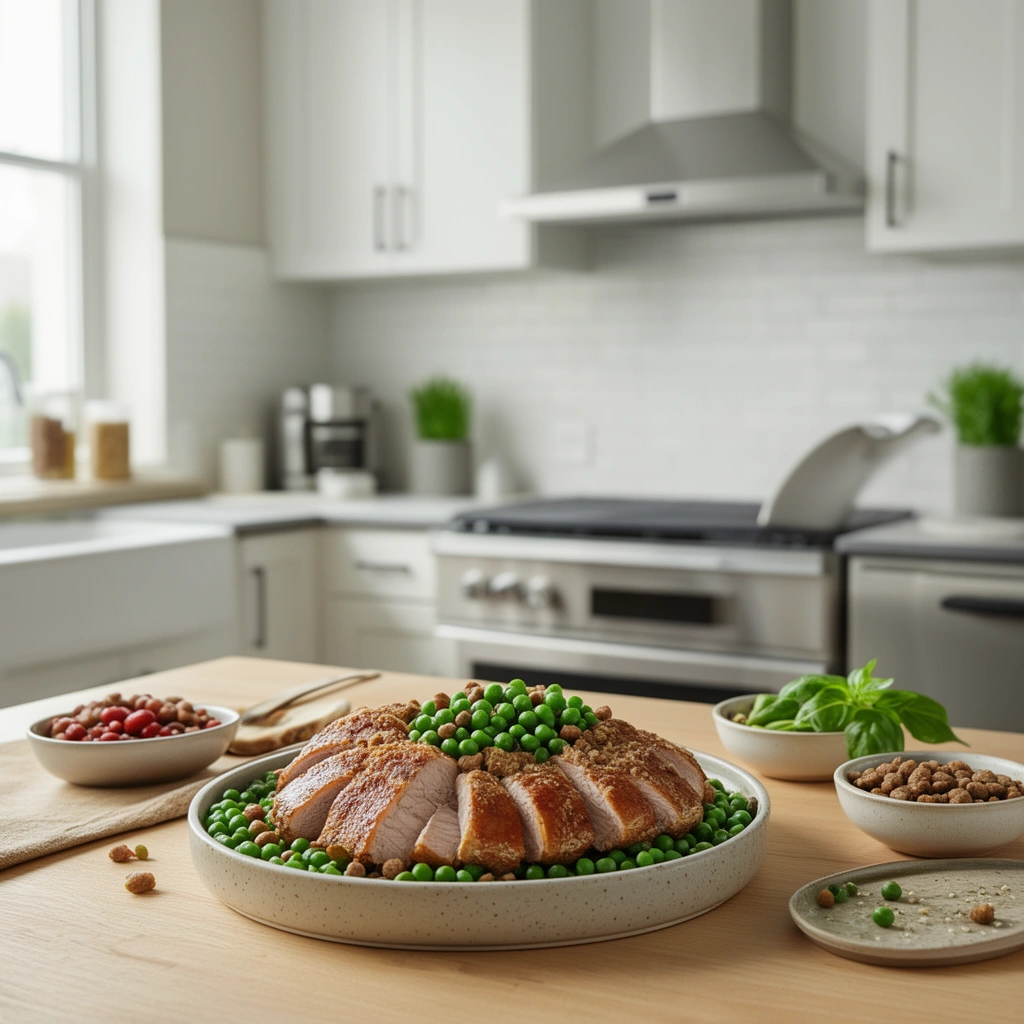
Homemade Duck And Peas Dog Food Recipe: A Complete Guide For Happy, Healthy Pups
Ever caught yourself staring at the ingredient list on your dog’s kibble bag, wondering what half those words even mean? I have. That’s exactly why I started making a homemade duck and peas dog food recipe for my own pup, and honestly, it changed everything. This dish is gentle on sensitive tummies, packed with real nutrition, and doesn’t need a culinary degree to pull off. Stick with me, and I’ll walk you through everything you need to know.
Why Duck And Peas Make A Great Combo For Dogs
Duck isn’t your everyday dog food protein, and that’s part of its charm. Many dogs who react badly to chicken or beef do just fine with duck. It’s rich, flavorful, and packed with iron and B vitamins that support energy levels and healthy blood.
Peas bring something different to the bowl. They’re a natural source of fiber, plant protein, and vitamins like K and C. Together, duck and peas create a balanced, limited-ingredient meal that’s easier on digestion than a lot of store-bought options.
I like this combo because it’s simple. No mystery fillers. No weird preservatives. Just real food a dog’s body actually recognizes and uses.
Key Terms You Should Know
Before we get cooking, let’s clear up a few words you’ll see throughout this recipe.
Limited-ingredient diet
: A meal plan built around a small number of ingredients, often used for dogs with food sensitivities or allergies.
Novel protein
: A protein source your dog hasn’t eaten before, which lowers the chance of triggering an allergic reaction.
Taurine
: An amino acid important for heart health, sometimes lacking in homemade diets that don’t include organ meat or supplements.
Balanced meal
: A recipe that supplies the right ratio of protein, fat, carbs, vitamins, and minerals for long-term feeding, not just an occasional treat.
Rendered fat
: The fat that melts off duck during cooking. It’s tasty for dogs but needs to be controlled since duck fat is heavier than chicken fat.
What You’ll Need
Here’s the shopping list for a batch that’ll feed a medium-sized dog for several days.
- 2 pounds of boneless duck (breast or thigh, skin removed to cut down on fat)
- 1 cup of frozen or fresh green peas
- 1 cup of chopped carrots
- 1 cup of chopped sweet potato
- 2 tablespoons of duck liver or chicken liver (for extra nutrients)
- 1 tablespoon of fish oil or salmon oil
- A pinch of ground eggshell or a calcium supplement (this part matters more than people think)
- Water for boiling
That eggshell part isn’t optional if you’re feeding this as a full meal instead of a topper. Dogs need calcium, and muscle meat alone won’t cover it.
Step-By-Step Cooking Process
Cooking this dish is easier than people expect. Follow these steps and you’ll have a fresh batch ready in under an hour.
- Trim visible fat off the duck meat. Duck fat is rich, and too much can upset a dog’s stomach.
- Cut the duck into small, bite-sized cubes so it cooks evenly.
- Place the duck in a pot and cover with water. Bring to a gentle boil, then reduce to a simmer.
- Add the chopped carrots and sweet potato once the duck has simmered for about 10 minutes.
- Let everything cook together for another 15 minutes, stirring occasionally.
- Toss in the peas during the last five minutes of cooking. Peas don’t need long, and overcooking turns them mushy.
- Add the liver in the final few minutes too. It cooks fast and can turn tough if boiled too long.
- Remove the pot from heat and let it cool slightly.
- Stir in the fish oil and calcium supplement once the mixture has cooled a bit. Heat can break down some nutrients, so adding these later helps preserve them.
- Mash or chop everything into a texture your dog can easily chew, especially if you’re feeding a smaller breed or a senior dog.
That’s it. No fancy equipment. Just a pot, a stove, and a little patience.
Portioning And Storage Tips
This part gets skipped a lot, and it shouldn’t be.
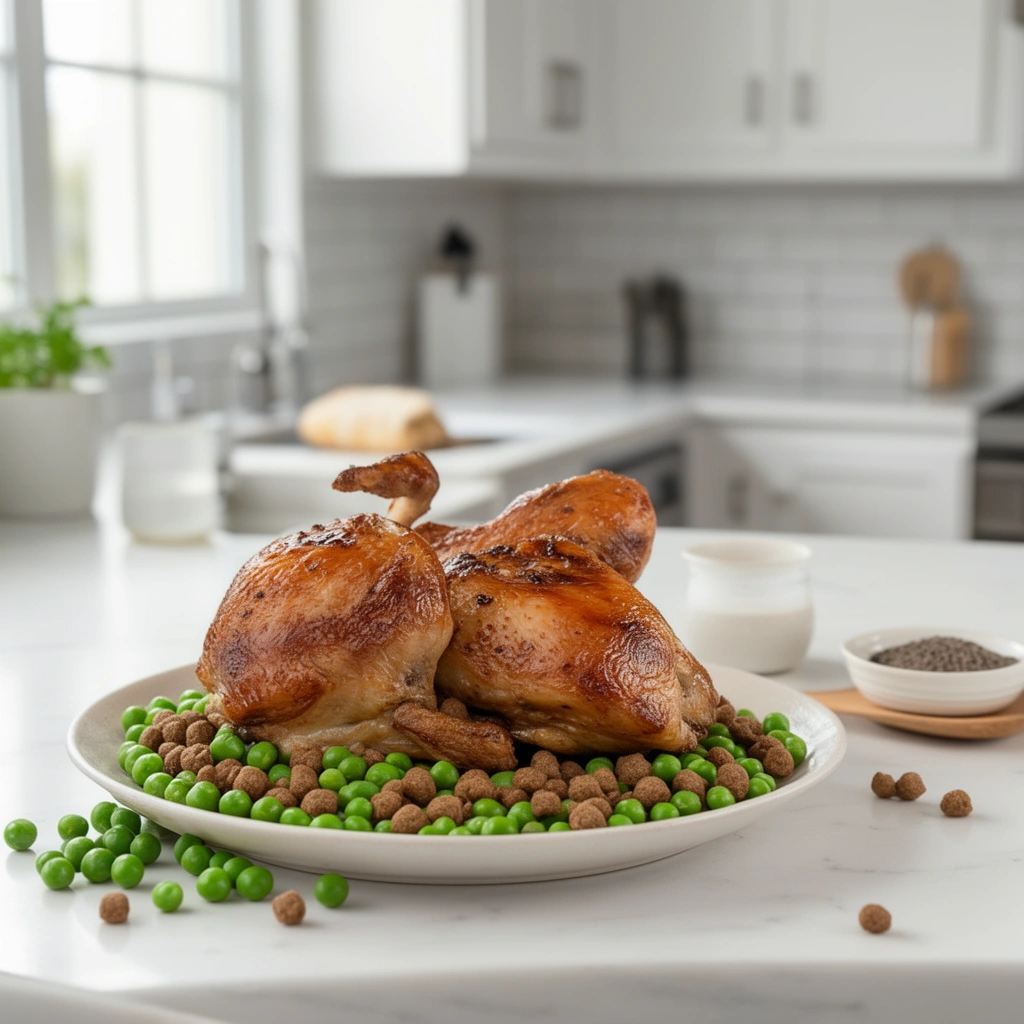
- A small dog under 20 pounds usually needs about half a cup to one cup per day, split into two meals.
- Medium dogs between 20 and 50 pounds do well with one to two cups daily.
- Large dogs over 50 pounds might need two to three cups, depending on activity level.
These are starting points, not hard rules. Every dog burns energy differently, so keep an eye on weight and adjust as needed.
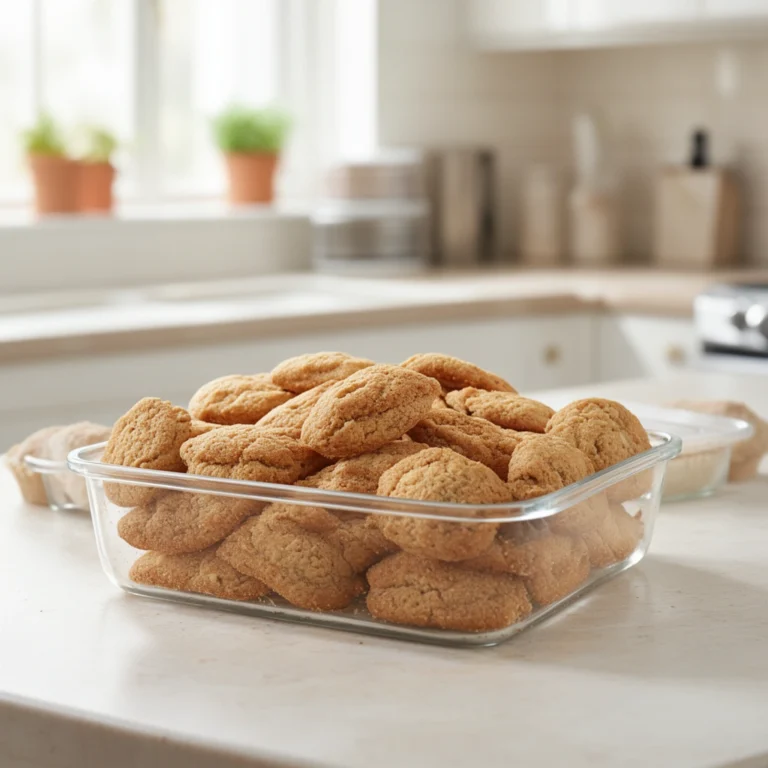
For storage, portion the cooled food into airtight containers. It keeps in the fridge for about three to four days. If you want to make a bigger batch, freeze individual portions in freezer bags. Frozen batches last up to two months. Thaw overnight in the fridge before serving.
Tips For Success
- Always remove duck bones completely. Cooked bones splinter and can cause serious injury.
- Introduce this recipe slowly if your dog has never eaten duck before. Mix it with their current food over five to seven days.
- Talk to your vet before switching to a full homemade diet, especially if your dog has existing health issues.
- Rotate in different veggies occasionally, like green beans or pumpkin, to keep meals interesting and nutritionally varied.
- Weigh your dog every few weeks while feeding homemade meals. It’s the easiest way to catch portion problems early.
Common Mistakes And How To Avoid Them
Skipping the calcium
: Muscle meat has very little calcium. Without adding it, dogs on long-term homemade diets can develop bone and joint issues.
Leaving too much duck fat
: Duck fat is heavier and richer than chicken or turkey fat. Too much can lead to loose stools or pancreatitis in sensitive dogs.
Overcooking the peas
: Mushy peas lose some of their nutritional punch. Adding them near the end keeps their vitamins intact.
Feeding it as the sole diet without variety
: One recipe, fed forever, can create nutrient gaps over time. Rotating proteins and veggies helps cover more nutritional bases.
Ignoring portion control
: Homemade food feels healthier, so it’s tempting to overfeed. But calories still count, and overfeeding leads to weight gain just like any other diet.
Variations You Can Try
Once you’ve got the base recipe down, it’s fun to mix things up.
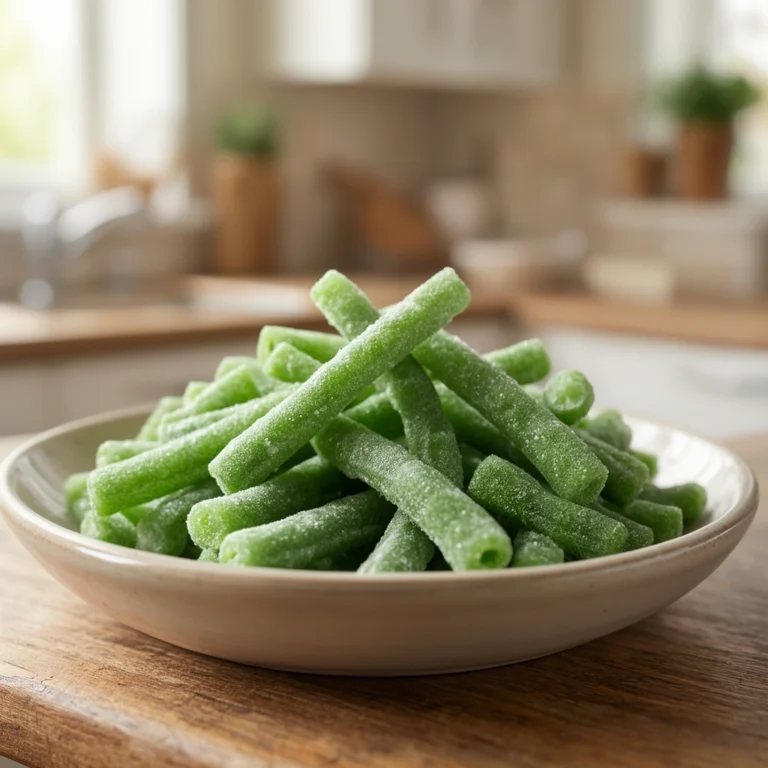
- Swap peas for green beans if your dog needs a lower-carb option.
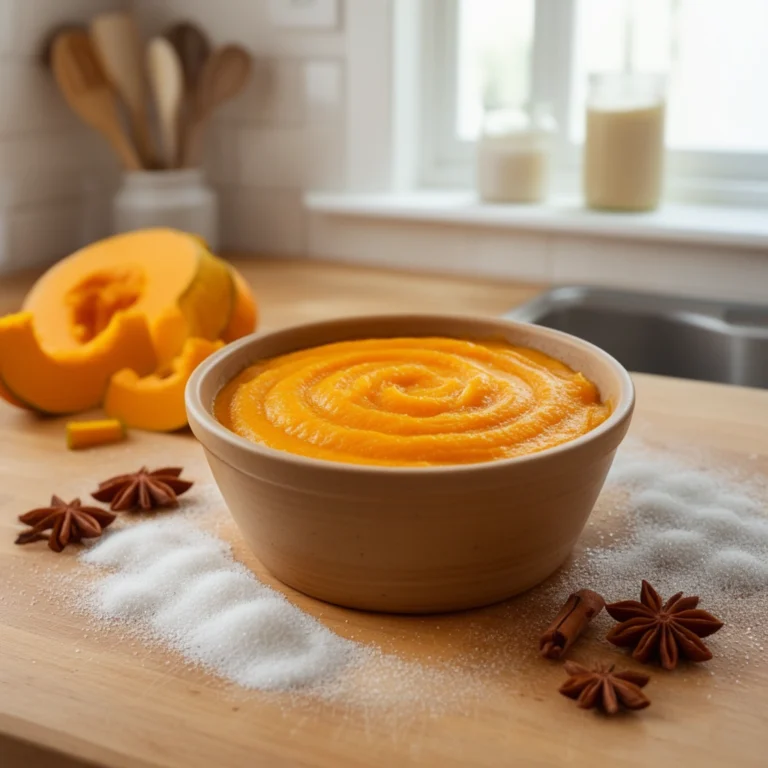
- Add pumpkin puree instead of sweet potato for extra fiber, especially helpful for dogs with digestive troubles.
- Use duck necks or wings (ground, never whole) for dogs that need more natural calcium without added supplements.
- Mix in a spoonful of plain yogurt after cooking for a probiotic boost.
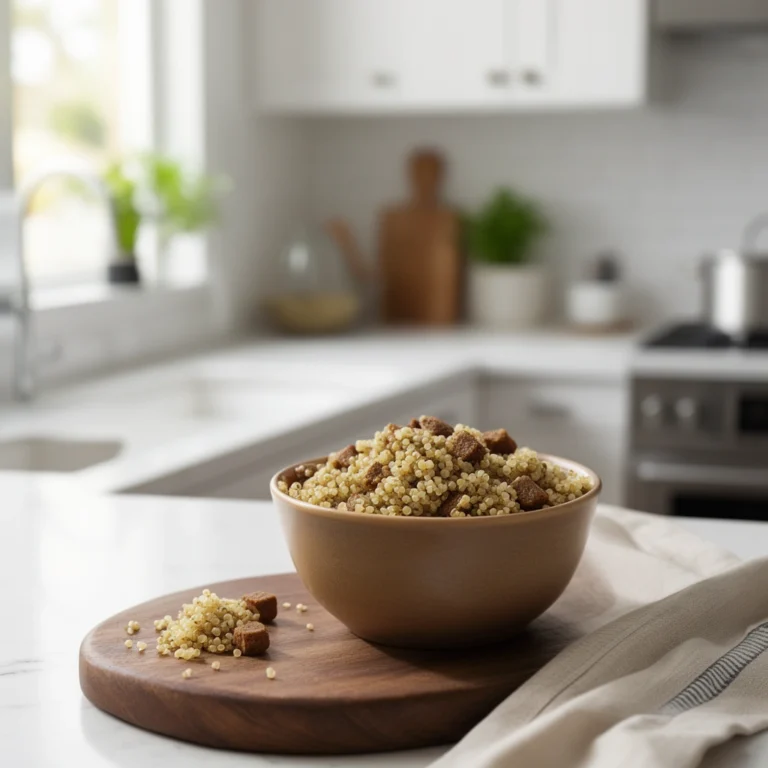
- Try quinoa instead of sweet potato if your dog handles grains well and needs more protein variety.
Each of these tweaks keeps the core benefits of the duck and peas base while adjusting for specific health needs or taste preferences.
Why This Recipe Beats Store-Bought Options
Store-bought duck and pea formulas often contain fillers, preservatives, or lower-quality meat byproducts. When you make it yourself, you control everything. You know exactly what’s going into your dog’s bowl, down to the last pea. That transparency matters, especially for dogs with allergies or sensitive stomachs.
It also tends to be fresher. Kibble sits on shelves for months. This recipe goes from stove to bowl in under an hour, keeping more nutrients intact and flavor stronger, which most dogs notice right away.
Wrapping It Up
Making a homemade duck and peas dog food recipe doesn’t have to feel complicated or intimidating. With a handful of simple ingredients and a bit of your time, you can serve your dog a meal that’s fresh, balanced, and genuinely good for their health. I’ve seen firsthand how a shift like this can bring more energy and better digestion to a dog’s daily life. Give it a try, watch how your pup responds, and adjust along the way. Your dog’s bowl deserves better than mystery ingredients, and this duck and peas recipe is a solid place to start.