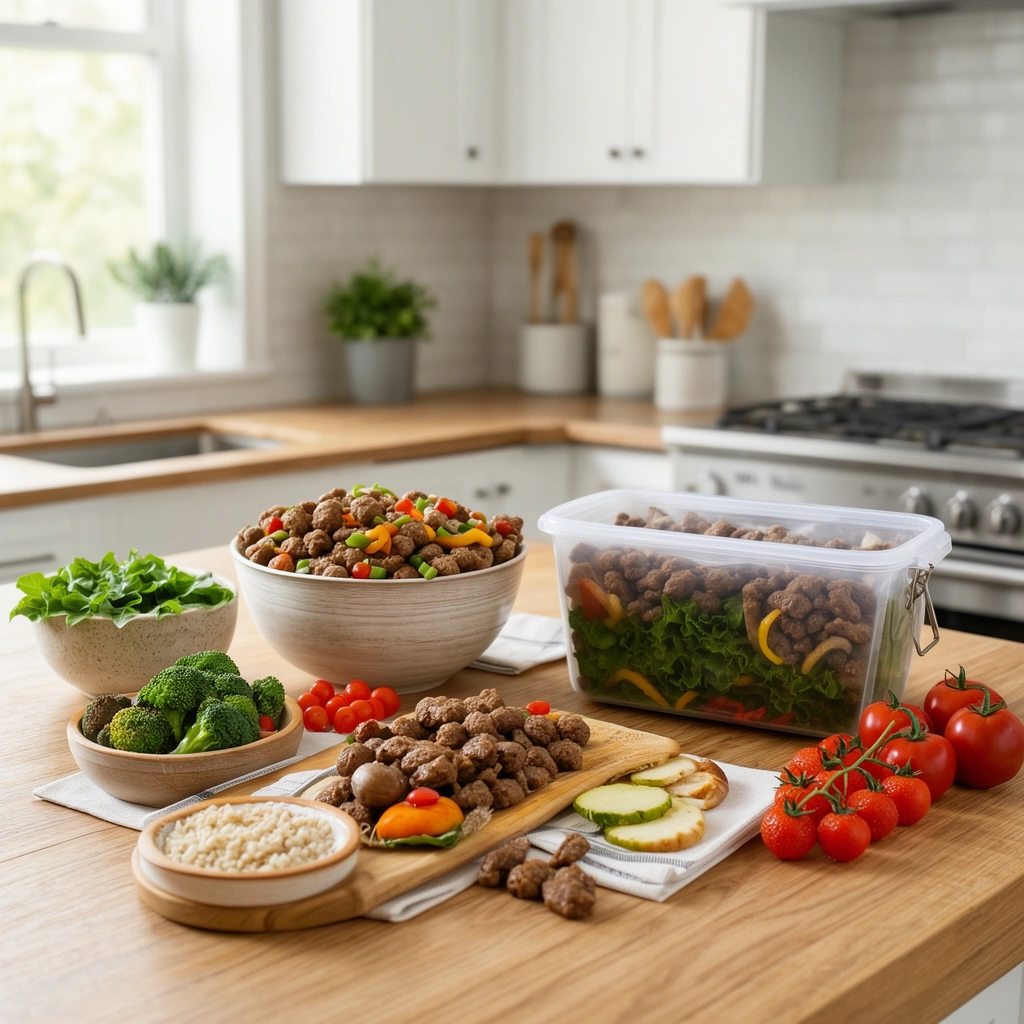
Homemade Dog Food Recipes You Can Freeze
Ever stood in your kitchen at 9 PM, staring at your dog’s empty bowl, wondering if you actually have time to cook for them every single day? I get it. That’s exactly why homemade dog food recipes you can freeze have become such a lifesaver for busy pet parents like me. You cook once, freeze in batches, and suddenly weeknight dinners for your pup take thirty seconds instead of thirty minutes.
I started freezing homemade dog food after my vet suggested cutting back on processed kibble for my dog’s sensitive stomach. What began as a small experiment turned into a full-blown Sunday ritual. Now I want to share everything I’ve learned, including the stuff a lot of articles skip over entirely.
What We’re Making Today
We’re building a small collection of freezer-friendly dog food recipes that actually hold up in the freezer without turning into mush or losing nutrients. This isn’t just one recipe. It’s a toolkit. I’ll walk you through four different base recipes, show you how to store them properly, and explain the nutrition basics so you’re not accidentally shortchanging your dog.
Each recipe uses simple, grocery-store ingredients. No weird supplements you can’t pronounce. No hours of prep. Just real food that freezes well and thaws even better.
Key Terms You Should Know
Before jumping into recipes, let’s clear up some terms you’ll see throughout this guide.
Batch cooking
: Preparing large quantities of food at once, then dividing it into smaller portions for storage.
Freezer burn
: Dehydration and oxidation that happens when food isn’t sealed properly, causing dry, discolored patches.
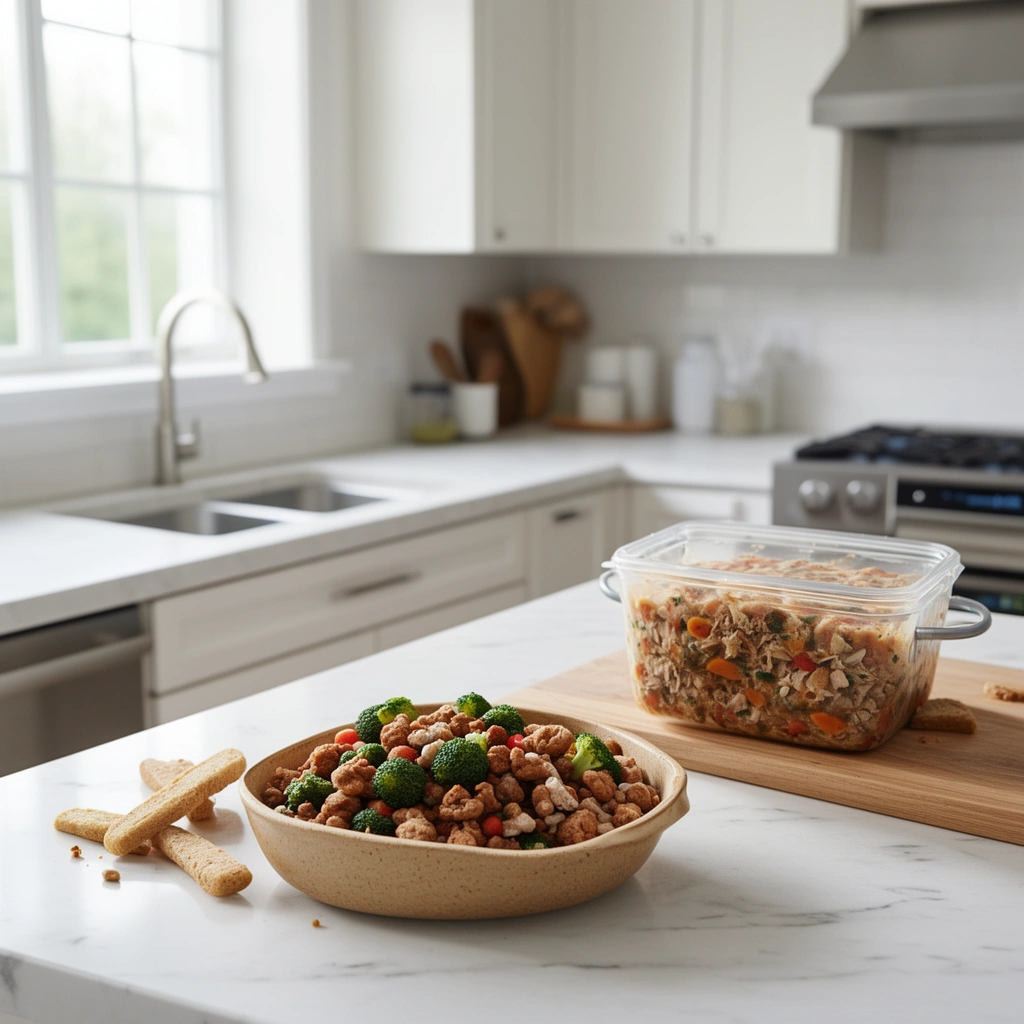
Portion control
: Measuring out the correct amount of food based on your dog’s weight and activity level.
Complete and balanced
: A term meaning the food contains all essential nutrients a dog needs, including protein, fat, vitamins, and minerals.
Rotational feeding
: Switching between different recipes or proteins to give your dog variety and reduce the risk of food sensitivities.
Blanching
: Briefly boiling vegetables before freezing to preserve color, texture, and nutrients.
Why Freezing Homemade Dog Food Actually Works
Freezing isn’t just convenient. It’s smart. Cold temperatures slow down bacterial growth and preserve nutrients far better than leaving food in the fridge for days. When you freeze dog food correctly, you’re locking in freshness at its peak, right after cooking, so your dog gets nearly the same quality bite whether it’s day one or day thirty.
The trick is doing it right. Sloppy freezing leads to freezer burn, nutrient loss, and food that your dog might actually turn their nose up at. I’ve made those mistakes so you don’t have to.
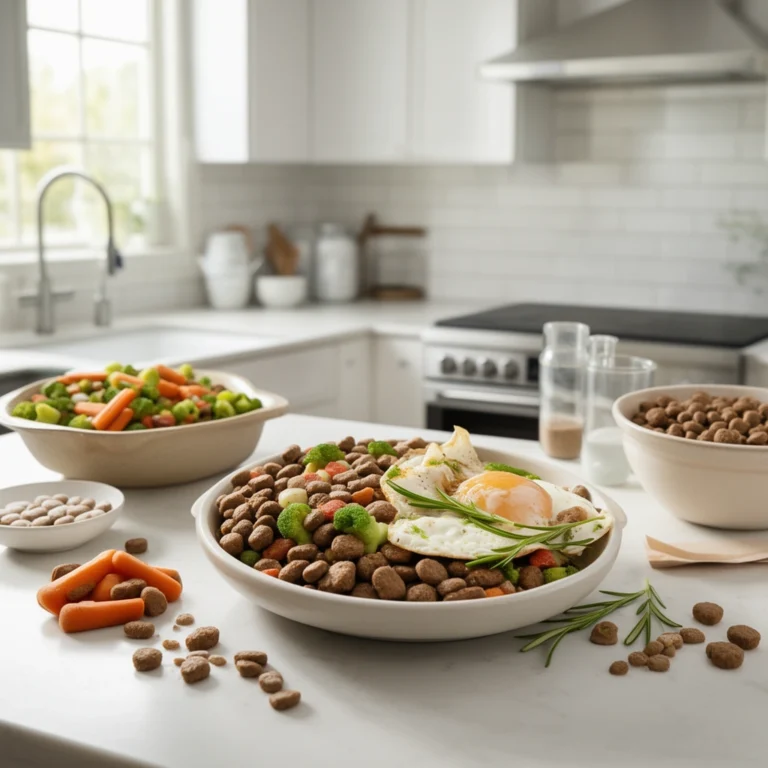
Recipe 1: Chicken and Rice Freezer Bowl
This one’s my go-to base recipe. It’s gentle on sensitive stomachs and easy to customize later.
Ingredients:
- 2 pounds ground chicken (or shredded cooked chicken breast)
- 2 cups brown rice, cooked
- 1 cup diced carrots
- 1 cup chopped green beans
- 2 tablespoons olive oil
- 1/2 cup plain pumpkin puree
- 1 egg (shell included, crushed finely, for calcium)
Steps:
- Cook the ground chicken thoroughly in a large skillet over medium heat until no pink remains.
- Steam or blanch the carrots and green beans until just tender, about 5 minutes.
- Cook the rice according to package instructions, then let it cool slightly.
- Combine chicken, rice, vegetables, pumpkin, olive oil, and crushed eggshell in a large bowl.
- Mix everything together until evenly distributed.
- Let the mixture cool completely to room temperature before packaging.
- Portion into freezer-safe containers or silicone molds.
- Label with the date and freeze immediately.
Recipe 2: Beef and Sweet Potato Stew
Beef brings a heartier flavor, and sweet potatoes add fiber and natural sweetness that most dogs go crazy for.
Ingredients:
- 2 pounds lean ground beef
- 2 medium sweet potatoes, peeled and cubed
- 1 cup peas
- 1/2 cup spinach, chopped
- 2 tablespoons flaxseed oil
Steps:
- Brown the ground beef in a large pot, draining excess fat.
- Boil the sweet potato cubes until soft, then mash slightly, leaving some texture.
- Add peas and spinach to the beef, cooking for another 3 minutes until wilted.
- Stir in the mashed sweet potato and flaxseed oil.
- Cool the mixture fully before dividing into portions.
- Freeze flat in freezer bags or use ice cube trays for smaller dogs.
Recipe 3: Turkey and Pumpkin Mash
Lighter than beef, this recipe works great for dogs who need a leaner protein option.
Ingredients:
- 2 pounds ground turkey
- 1 cup pumpkin puree
- 1 cup cooked quinoa
- 1/2 cup shredded zucchini
- 1 tablespoon fish oil
Steps:
- Cook ground turkey over medium heat until fully done.
- Mix in pumpkin puree, cooked quinoa, and shredded zucchini while the turkey is still warm.
- Stir in fish oil once everything has cooled slightly.
- Let the mixture reach room temperature.
- Scoop into portioned containers and freeze right away.
Recipe 4: Fish and Veggie Medley
Great for dogs with poultry or beef allergies. Fish is also packed with omega-3s for skin and coat health.
Ingredients:
- 2 pounds white fish (like cod or tilapia), deboned
- 1 cup cooked brown rice
- 1/2 cup diced carrots
- 1/2 cup peas
- 1 tablespoon olive oil
Steps:
- Bake or steam the fish until fully cooked and flaky.
- Flake the fish apart, checking carefully for any small bones.
- Combine fish, rice, carrots, and peas in a bowl.
- Drizzle with olive oil and mix thoroughly.
- Cool completely, then portion and freeze.
How to Freeze and Store It Properly
This is where a lot of guides drop the ball. Freezing dog food isn’t just tossing it in a bag and hoping for the best.
- Use airtight containers or heavy-duty freezer bags to prevent freezer burn.
- Portion meals based on your dog’s daily caloric needs before freezing, not after.
- Flatten freezer bags to save space and speed up freezing time.
- Label every container with the recipe name and freezing date.
- Store homemade dog food in the freezer for up to three months for best quality.
- Keep a small batch in the fridge for immediate use, good for three to four days.
Thawing and Serving Tips
Freezing is only half the job. Thawing safely matters just as much.
- Move a portion to the refrigerator the night before feeding.
- Never thaw dog food at room temperature for extended periods, since bacteria grow fast.
- If you’re in a rush, submerge the sealed bag in cold water for a quicker thaw.
- Warm the food slightly before serving if your dog prefers it that way, but avoid microwaving in plastic containers.
- Discard any thawed food left out for more than two hours.
Tips for Success
- Always consult your vet before switching your dog fully to homemade meals, especially if they have health conditions.
- Add a calcium source like crushed eggshells or a vet-approved supplement, since homemade meals often lack it.
- Rotate proteins every few weeks to keep meals balanced and interesting.
- Weigh your dog regularly to adjust portion sizes as needed.
- Batch cook on a slow weekend day and freeze several recipes at once for variety throughout the month.
Common Mistakes and How to Avoid Them
- Skipping calcium. Meat alone doesn’t provide enough calcium. Add crushed eggshell, bone meal, or a vet-recommended supplement.
- Overcooking vegetables. Mushy veggies lose nutrients. Blanch instead of boiling for long periods.
- Freezing food while still warm. This creates ice crystals and uneven freezing. Always cool food to room temperature first.
- Ignoring portion sizes. Guessing leads to overfeeding or underfeeding. Use a kitchen scale and calculate based on your dog’s weight.
- Using toxic ingredients. Onions, garlic, grapes, and xylitol are dangerous for dogs. Double-check every ingredient label.
- Storing food too long. Even in the freezer, quality declines after three months. Use older batches first.
Variations You Can Try
- Swap brown rice for oatmeal if your dog needs extra fiber.
- Use lentils instead of quinoa for a plant-based protein boost.
- Add bone broth instead of water when reheating for extra flavor and joint-supporting nutrients.
- Mix in blueberries or apple slices (no seeds) for antioxidant-rich variety.
- Try ground lamb for dogs who need a novel protein for allergy management.
Wrapping It Up
Homemade dog food recipes you can freeze aren’t just about convenience. They’re about giving your dog fresh, wholesome meals without burning out your schedule. Once you get into the rhythm of batch cooking and proper freezing, it honestly becomes second nature.
I’ve been doing this for over a year now, and my dog’s coat, energy, and digestion have all improved. Give one of these recipes a try this weekend. Your freezer, and your dog, will thank you.