5 Best Dog Food For Dogs With Diarrhea (Plus What Actually Works)
Ever watched your pup dash to the backyard for the fifth time today and wondered what on earth you’re feeding wrong? I’ve been there. Finding the right dog food for dogs with diarrhea isn’t just about grabbing any “sensitive stomach” bag off the shelf—it’s about understanding what’s actually happening inside your dog’s gut and picking food that helps, not hurts.
I’ve spent hours digging through ingredient lists, chatting with vets, and testing options on my own picky-stomached rescue. Here’s everything I wish someone had told me sooner.
Why Is My Dog’s Stomach So Upset Anyway?
Before jumping into food recommendations, let’s talk causes. Diarrhea doesn’t just happen randomly.
Common triggers include:
- Sudden diet changes (new food introduced too fast)
- Food allergies or intolerances
- Eating something they shouldn’t have (garbage, table scraps)
- Stress or anxiety
- Parasites or bacterial infections
- Underlying health conditions like IBD or pancreatitis
Knowing the cause matters. A diet change won’t fix a parasite problem. But for everyday tummy troubles, the right food makes a massive difference.
Key Terms You Should Know
Let me break down some terms you’ll see thrown around a lot.
Bland Diet — A simple mix of easily digestible ingredients, usually boiled chicken and rice, given short-term to calm the gut.
Probiotics — Beneficial bacteria that restore healthy gut flora and support digestion.
Prebiotics — Fiber that feeds the good bacteria already living in your dog’s intestines.
Limited Ingredient Diet (LID) — Food with fewer components, reducing the chance of triggering allergies.
Highly Digestible Protein — Protein sources broken down easily, putting less strain on the digestive system.
Novel Protein — A protein your dog hasn’t eaten before, like duck or venison, often used when allergies are suspected.
The 5 Best Dog Foods For Dogs With Diarrhea
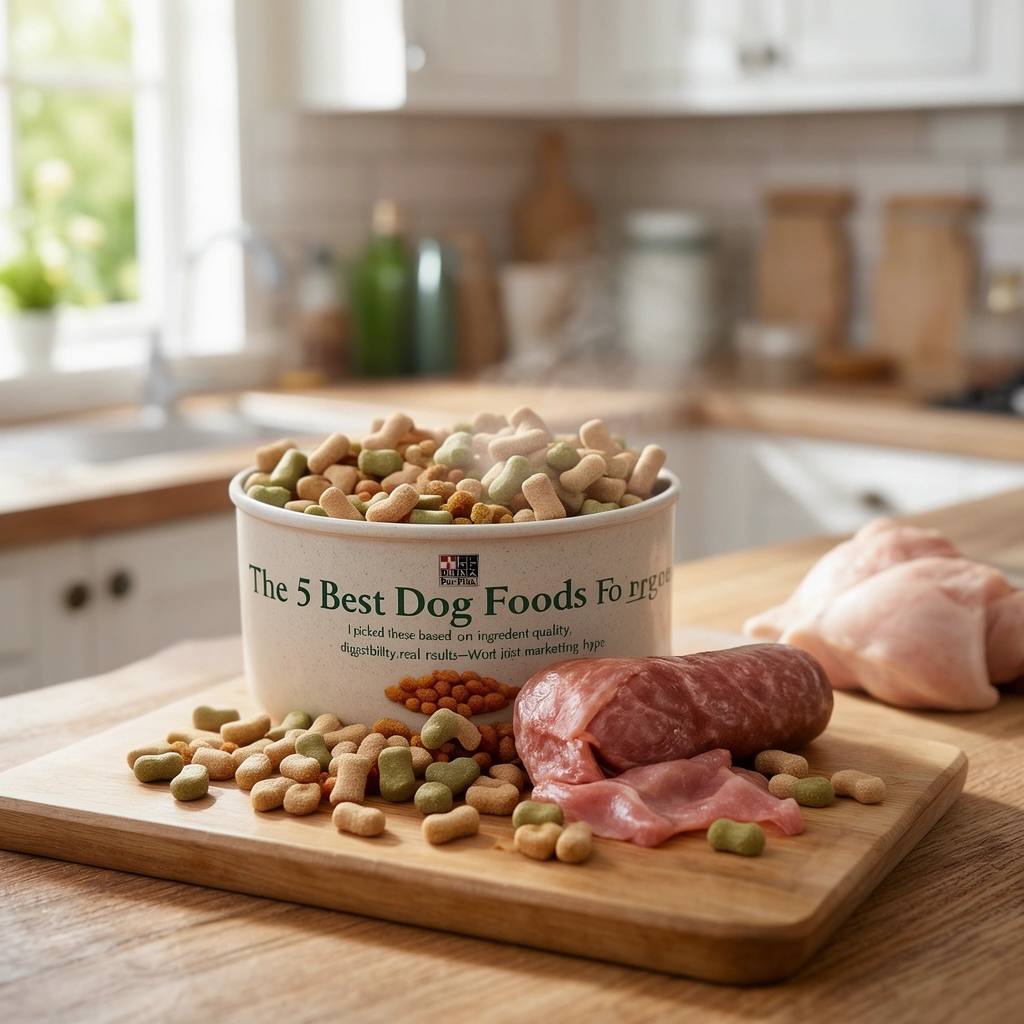
I picked these based on ingredient quality, digestibility, and real results—not just marketing hype.
1. Purina Pro Plan Veterinary Diets EN Gastroenteric
This is often the first thing vets recommend. It’s formulated specifically for digestive upset, with low fat and highly digestible ingredients.
- Low residue formula reduces stool volume
- Contains prebiotic fiber for gut support
- Easy on the pancreas too
2. Hill’s Prescription Diet i/d Digestive Care
Another vet favorite. This one balances fiber types to firm up stool naturally.
- Blend of soluble and insoluble fiber
- Omega-3 fatty acids reduce inflammation
- Available in wet and dry formulas
3. Royal Canin Gastrointestinal Low Fat
Great option if your dog’s diarrhea comes with fat intolerance issues.
- Extremely low fat content
- Highly digestible proteins
- Supports nutrient absorption during recovery
4. Wellness CORE Digestive Health
If you’re leaning toward something less clinical and more natural, this fits well.
- Contains probiotics and prebiotics
- Limited ingredient formula
- No corn, wheat, or soy fillers
5. Blue Buffalo Basics Limited Ingredient Diet
Perfect for dogs whose diarrhea stems from food sensitivities rather than infection.
- Single animal protein source
- Easily digestible carbohydrates like potato
- Free from common allergens
How To Transition Your Dog Onto New Food
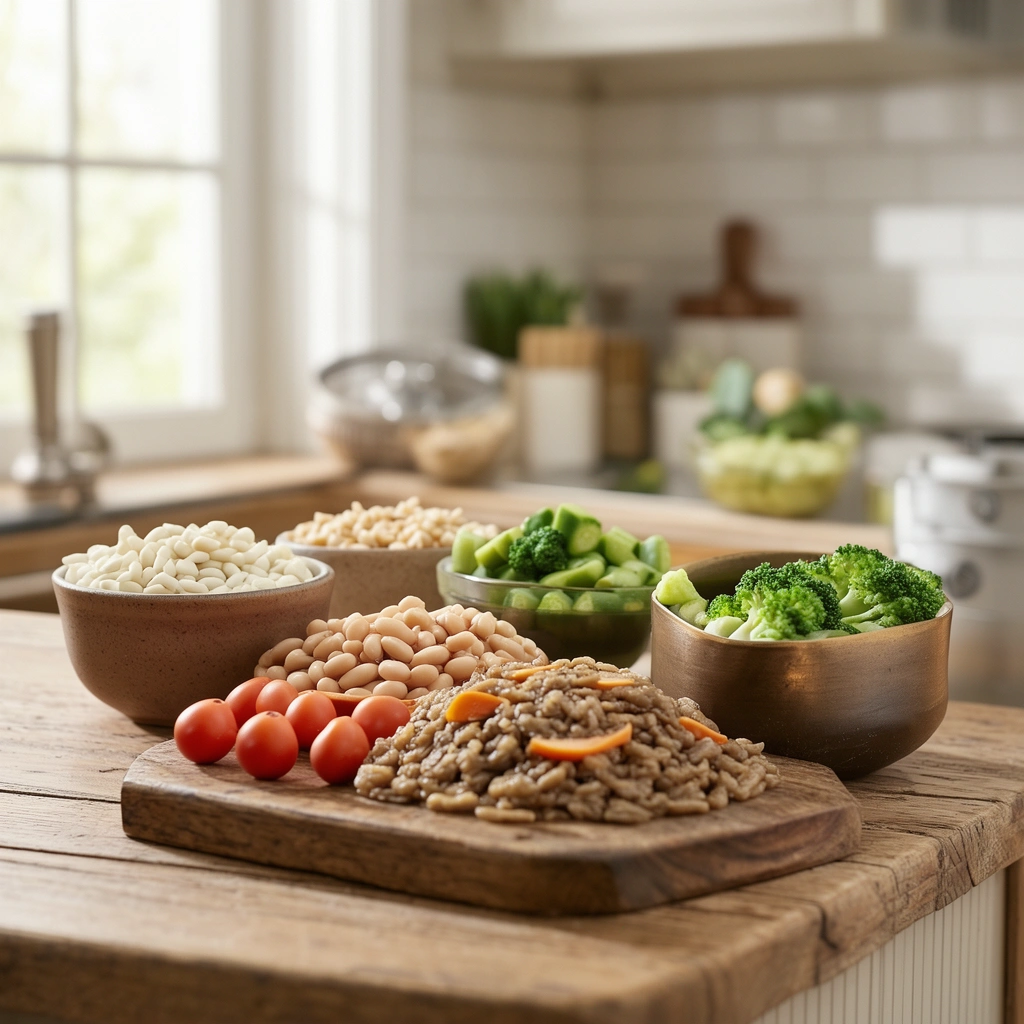
Switching food too fast is actually one of the top causes of diarrhea. Don’t make that mistake twice.
Follow these steps:
- Start with 75% old food and 25% new food for two days.
- Move to 50/50 for the next two days.
- Shift to 25% old and 75% new for two more days.
- Finish with 100% new food by day seven.
- Watch stool consistency the entire time—slow down if things get loose.
DIY Bland Diet Recipe (For Short-Term Relief)
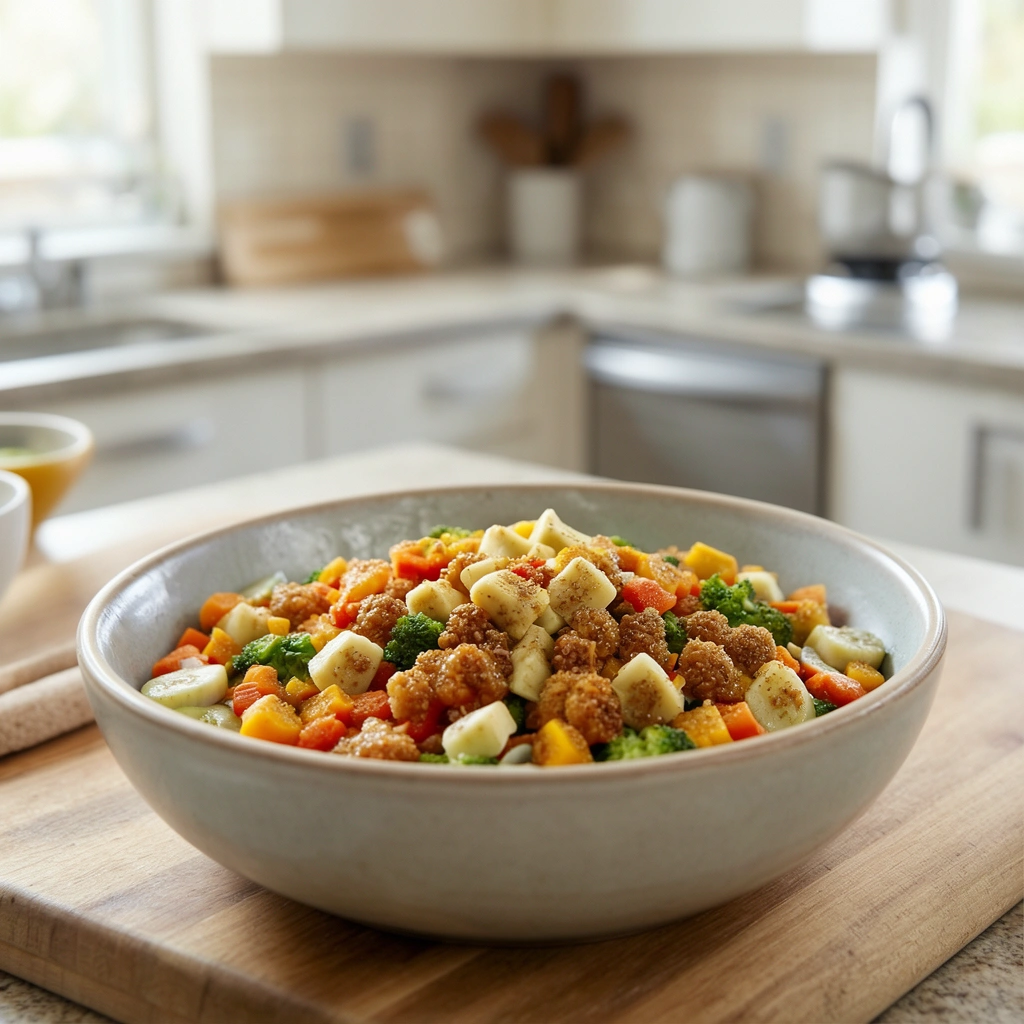
Sometimes commercial food isn’t the immediate answer. A homemade bland diet can settle things fast while you figure out next steps.
What you’ll need:
- 1 cup boneless, skinless chicken breast
- 2 cups white rice
- Plain water (no salt, no seasoning)
Steps to make it:
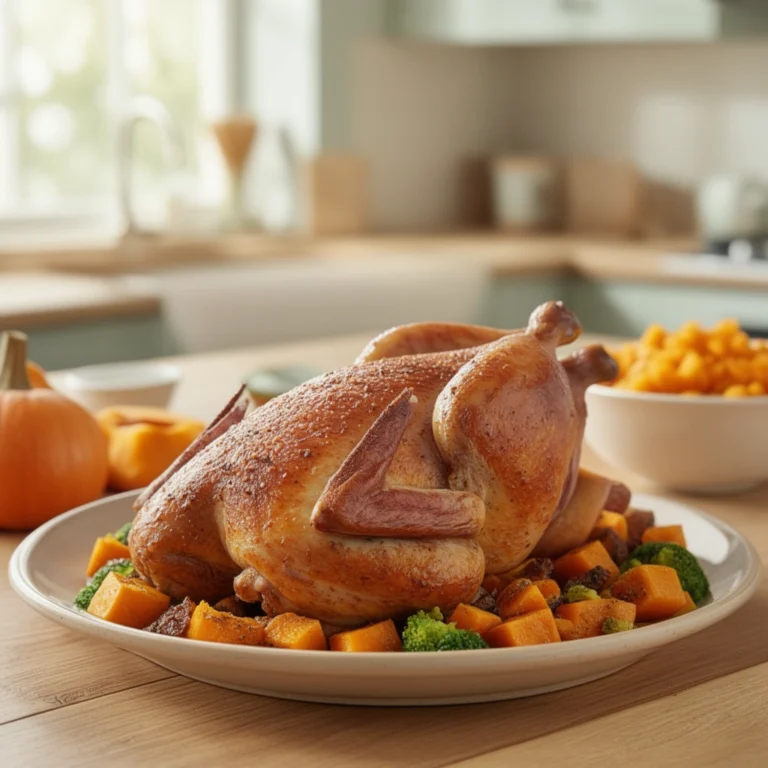
- Boil the chicken breast in plain water until fully cooked through.
- Shred the chicken into small, bite-sized pieces.
- Cook the white rice separately in water until soft.
- Mix chicken and rice together in a 1:2 ratio (one part chicken, two parts rice).
- Let it cool completely before serving.
- Feed small portions every 3-4 hours instead of two big meals.
This diet isn’t meant to be permanent. Use it for 2-3 days max, then transition back to regular food or one of the therapeutic options above.
Tips For Success
- Always introduce new food gradually, never overnight.
- Keep your dog hydrated—diarrhea drains fluids fast.
- Add plain pumpkin puree for extra fiber and firmer stools.
- Avoid giving treats or table scraps during recovery.
- Track stool consistency daily using a simple journal or app.
- Feed smaller, more frequent meals rather than two large ones.
Common Mistakes And How To Avoid Them
Mistake: Switching food cold turkey
Fix: Always use the gradual transition method above, spread across 7-10 days.
Mistake: Assuming all diarrhea needs the same treatment
Fix: Consider whether it’s dietary, stress-related, or possibly parasitic before choosing a food.
Mistake: Overfeeding during recovery
Fix: Smaller portions more often ease digestion better than big meals.
Mistake: Ignoring persistent symptoms
Fix: If diarrhea lasts more than 48 hours, don’t just keep changing food—call your vet.
Mistake: Adding new treats during a sensitive period
Fix: Stick strictly to the recovery diet until stool firms up completely.
Variations You Can Try
Every dog is different, so here are some tweaks depending on your pup’s specific needs:
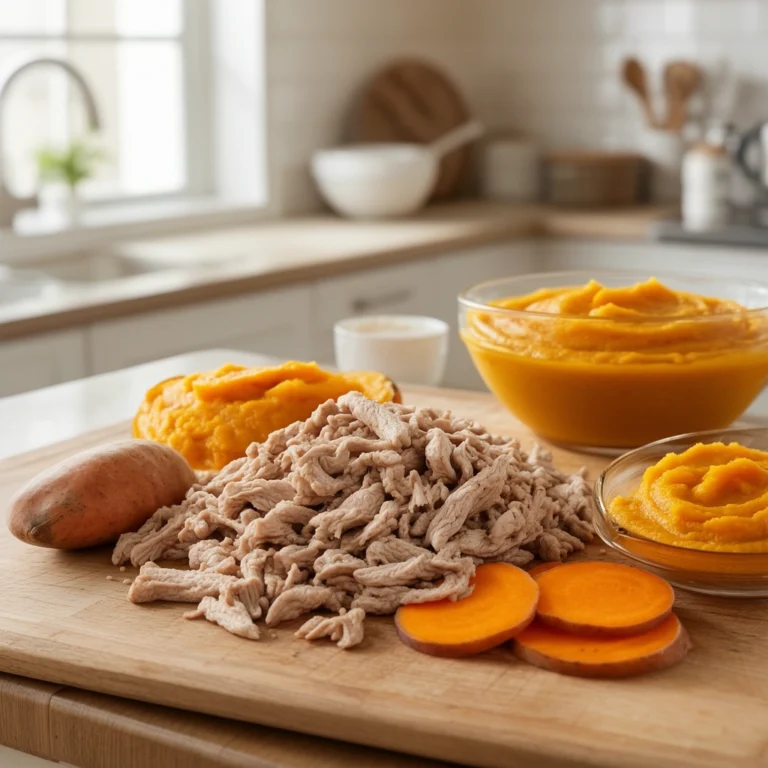
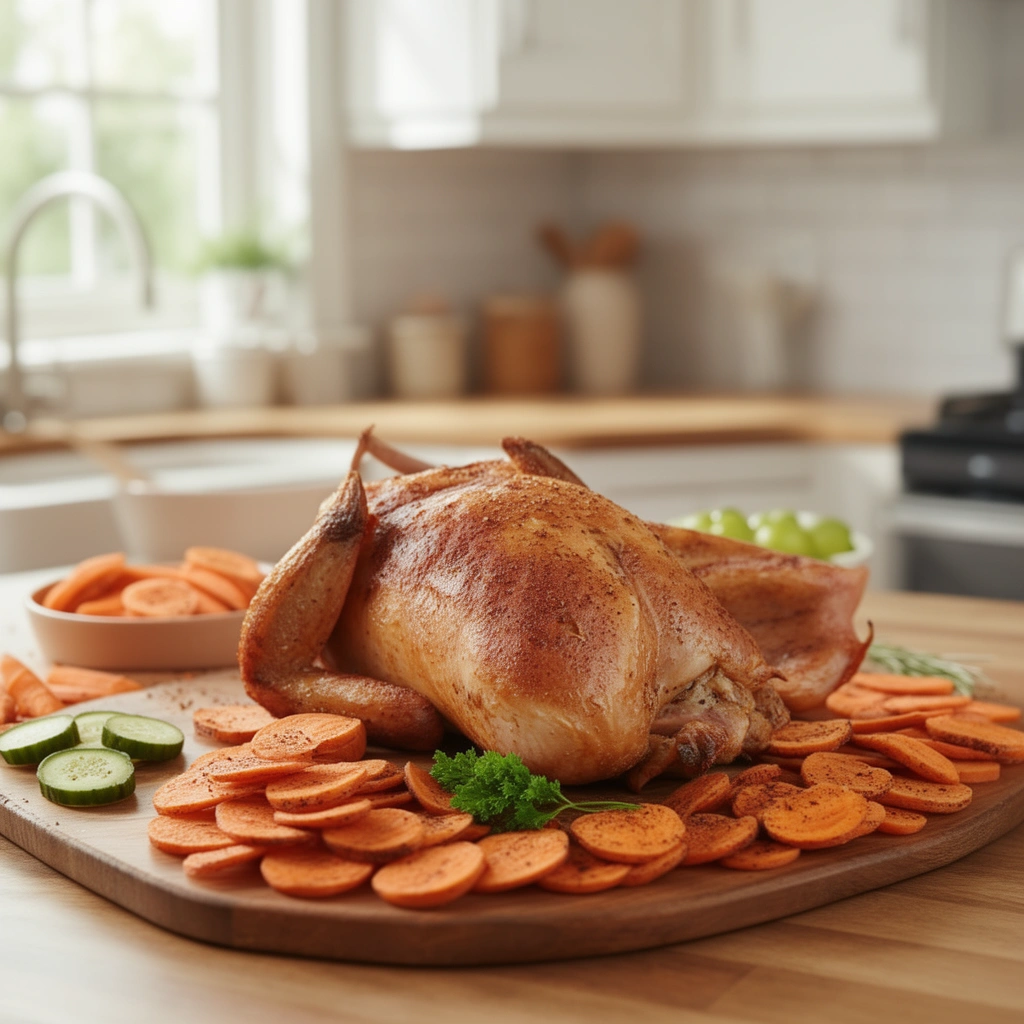
- Turkey and Sweet Potato — Swap chicken for turkey and rice for mashed sweet potato if your dog needs a novel protein.
- Fish-Based Bland Diet — Use plain boiled white fish instead of chicken for dogs with poultry allergies.
- Pumpkin-Boosted Version — Add two tablespoons of plain pumpkin puree to any bland diet recipe for extra fiber.
- Slow Cooker Method — Instead of boiling, slow cook chicken and rice together for six hours on low for a softer texture, great for senior dogs.
When To Call Your Vet
Not every case of loose stool means an emergency, but some signs shouldn’t be ignored.
Seek vet care if you notice:
- Diarrhea lasting more than 2 days
- Blood in the stool
- Vomiting alongside diarrhea
- Lethargy or noticeable weakness
- Refusal to eat or drink
- Signs of dehydration like sunken eyes or dry gums
Trust your gut here. If something feels off beyond typical tummy trouble, professional help beats guessing every time.
Wrapping It Up
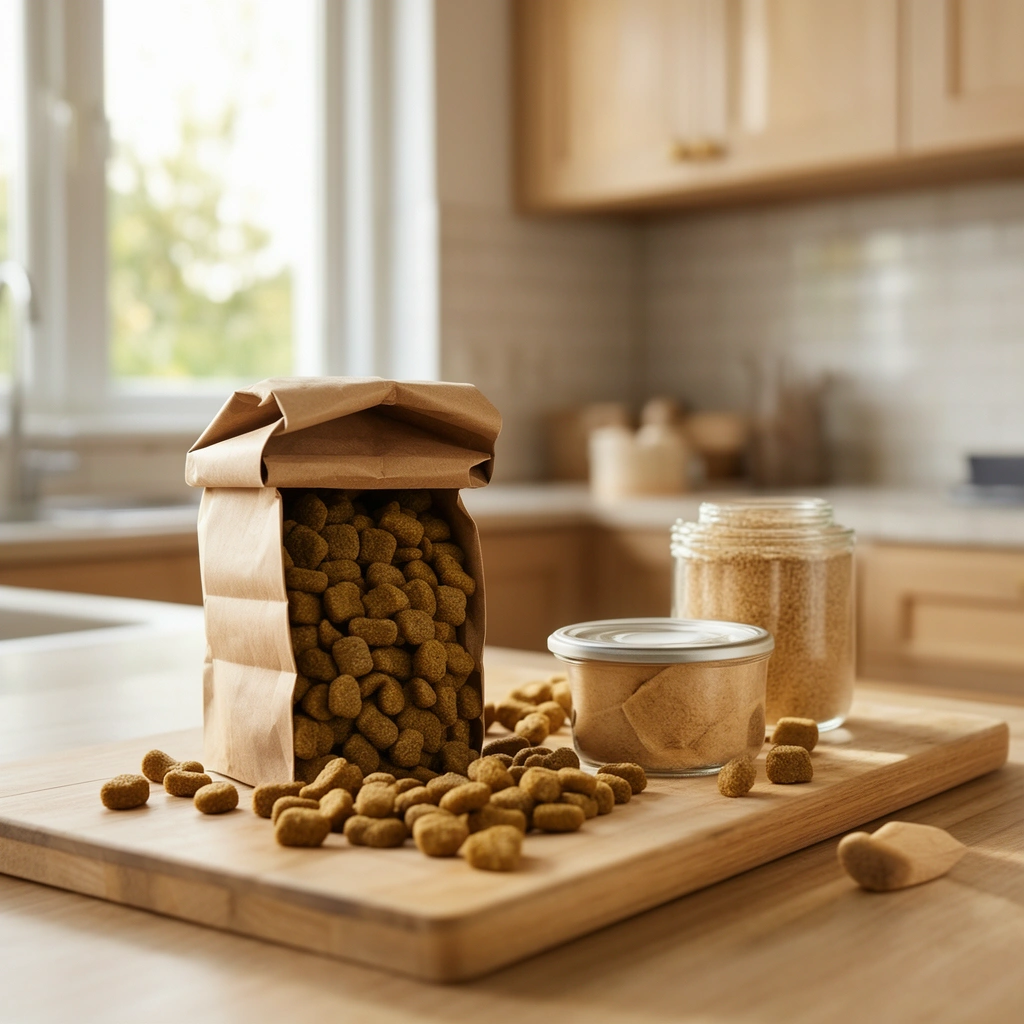
Finding the right dog food for dogs with diarrhea takes a bit of trial, patience, and paying close attention to how your pup responds. Whether you go with a vet-recommended prescription diet, a limited ingredient formula, or a simple homemade bland meal, the goal stays the same—settle that stomach and get your dog back to feeling like themselves.
I know dealing with a sick pup is stressful, but small changes really do add up. Start slow, watch closely, and don’t hesitate to loop in your vet if things don’t improve. Your dog’s gut health matters, and picking the right dog food for dogs with diarrhea is one of the best steps you can take toward a happier, healthier tail wag.