5 Best Dog Food For Bernese Mountain Dog: A Complete Feeding Guide
Ever wonder why your gentle giant seems hungrier than other dogs his size? If you own a Bernese Mountain Dog, you already know these sweet fluffy bears need something special on their plate. Picking the best dog food for Bernese Mountain Dog breeds isn’t just about grabbing whatever bag looks fancy at the store. It’s about understanding what makes this breed tick—literally, from their joints to their heart.
I’ve spent months digging through ingredient labels, chatting with breeders, and testing foods with my own big lovable Berner. Let me walk you through everything I wish someone had told me sooner.
Why Bernese Mountain Dogs Need Special Nutrition
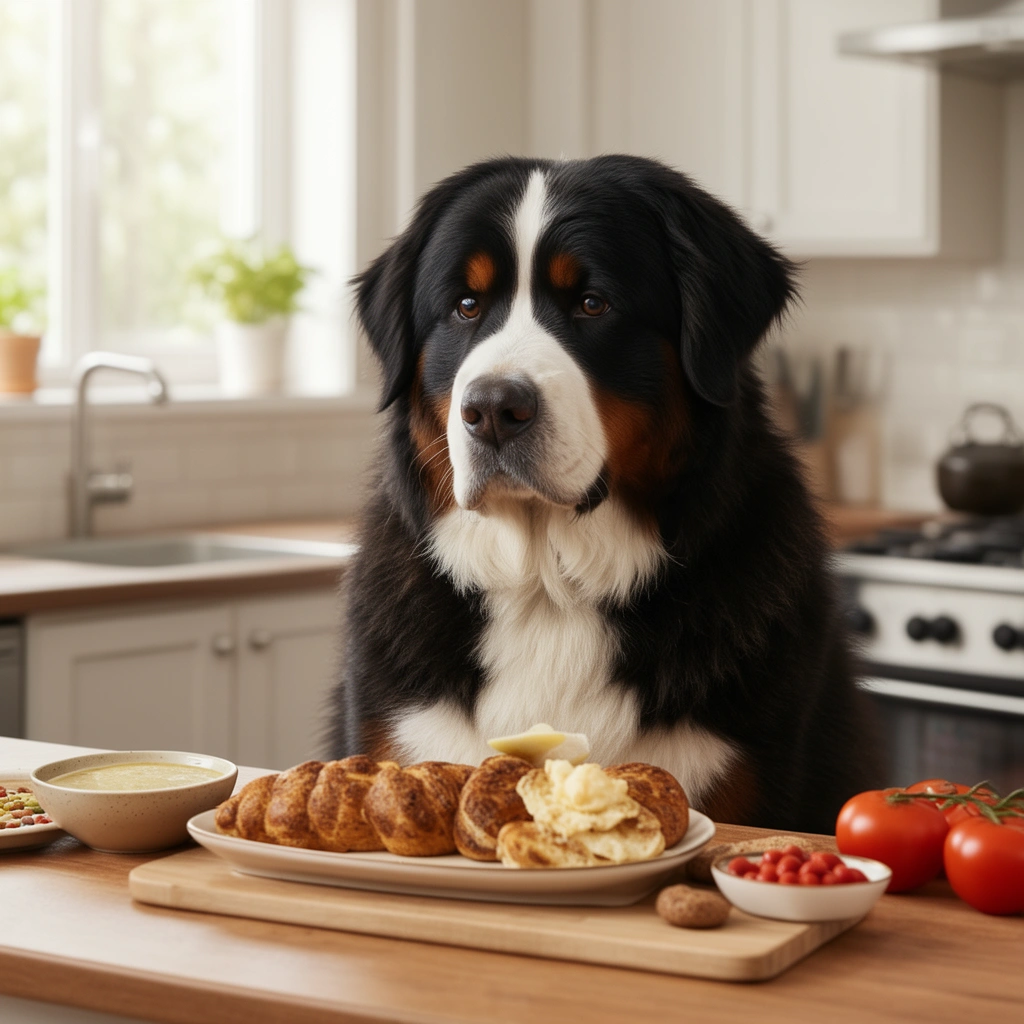
Berners aren’t your average pup. They’re massive, they grow fast, and they carry some breed-specific health baggage that regular kibble won’t address.
Here’s the thing—these dogs are prone to hip dysplasia, elbow issues, bloat, and sadly, certain cancers at higher rates than many other breeds. Their food choices can either help manage these risks or make things worse.
Key factors that matter for this breed:
- Large breed puppies grow too fast on regular puppy food, which stresses joints
- Deep chests make them bloat-prone, so meal timing and food type matter
- Thick double coats need specific fatty acids for skin health
- Shorter lifespans (7-10 years) mean joint support should start early, not later
- Heavy bodies need controlled calcium and phosphorus ratios
Key Terms You Should Know
Before we jump into food recommendations, let’s clear up some terms you’ll see on labels.
Glucosamine & Chondroitin
: Natural compounds that support joint cartilage and reduce inflammation, critical for large breeds prone to hip issues.
Large Breed Formula
: Food specifically balanced with lower fat and calcium levels to slow puppy growth and protect developing joints.
AAFCO Statement
: A label confirming the food meets nutritional standards set by the Association of American Feed Control Officials.
Omega-3 Fatty Acids
: Fats (often from fish oil) that support skin, coat, and joint health while fighting inflammation.
Limited Ingredient Diet (LID)
: Food with fewer ingredients, often used for dogs with allergies or sensitive stomachs.
Kibble Size
: The physical size of dry food pieces, which matters for large-mouthed breeds to prevent gulping too fast.
The 5 Best Dog Foods For Bernese Mountain Dogs
After testing, researching vet recommendations, and reading through thousands of reviews, here are my top picks.
1. Royal Canin Giant Breed Formula
This one’s built specifically for dogs that weigh over 100 pounds. The kibble shape is designed for big jaws, and it includes joint-support nutrients right from puppyhood.
- High in EPA and DHA for joint and skin support
- Kibble shaped for easier chewing in large mouths
- Tailored calcium-phosphorus ratio for slow, steady growth
2. Purina Pro Plan Large Breed
A solid budget-friendly option that doesn’t skimp on quality. Real meat is the first ingredient, and it includes probiotics for digestive health.
- Glucosamine added for joint care
- Real chicken as the primary protein source
- Guaranteed live probiotics for gut health
3. Hill’s Science Diet Large Breed Adult
Vets recommend this one often, and for good reason. It’s gentle on sensitive stomachs while still packing enough protein for an active Berner.
- Balanced omega-6 fatty acids for coat health
- Easy-to-digest formula reduces stool issues
- Controlled mineral content protects bones and joints
4. Wellness CORE Large Breed
If you want something grain-free with a higher protein punch, this is worth trying. It’s made with real turkey and chicken, no fillers.
- Grain-free recipe for dogs with sensitivities
- High protein content supports lean muscle mass
- Added glucosamine and chondroitin for joints
5. Diamond Naturals Large Breed Adult
A great middle-ground option—quality ingredients without breaking the bank. It includes superfoods like pumpkin and blueberries.
- Probiotics for digestion
- Antioxidant-rich superfoods included
- Affordable without cutting corners on nutrition
How To Choose And Switch Your Berner’s Food (Step-By-Step)
Picking food is one thing. Actually switching your dog over without upsetting their stomach is another challenge entirely.
- Step 1: Check your dog’s current age and weight to determine puppy, adult, or senior formula needs
- Step 2: Look for “large breed” or “giant breed” specifically on the label—this isn’t marketing fluff, it matters
- Step 3: Read the first five ingredients; real meat should top the list, not meat by-products or fillers
- Step 4: Buy a small bag first to test how your dog’s stomach handles it
- Step 5: Mix 25% new food with 75% old food for the first three days
- Step 6: Gradually flip the ratio every three days until you’re at 100% new food
- Step 7: Watch for signs of upset stomach—loose stool, vomiting, or excessive gas
- Step 8: Once settled, stick with consistent feeding times to help prevent bloat
Tips For Success
Getting food right is only half the battle. Here’s what else helps.
- Feed two or three smaller meals daily instead of one big bowl—this reduces bloat risk significantly
- Avoid exercise right after meals; wait at least an hour
- Use slow-feeder bowls if your Berner tends to gulp food quickly
- Weigh your dog monthly during puppyhood to track growth pace
- Talk to your vet about joint supplements even before symptoms appear
- Keep treats under 10% of daily calorie intake to avoid unwanted weight gain
Common Mistakes And How To Avoid Them
I made a few of these mistakes myself before learning better.
- Feeding regular puppy food instead of large breed formula — This causes rapid growth that stresses joints. Always pick large or giant breed specific formulas.
- Switching foods too fast — This upsets digestion badly. Always transition gradually over 7-10 days.
- Ignoring calcium content — Too much calcium in growing puppies leads to skeletal problems. Check labels carefully.
- Free-feeding all day — This increases bloat risk and makes portion control impossible. Stick to scheduled meals.
- Skipping vet checkups related to diet — Your vet can catch weight or joint issues early through regular visits.
Variations Worth Considering
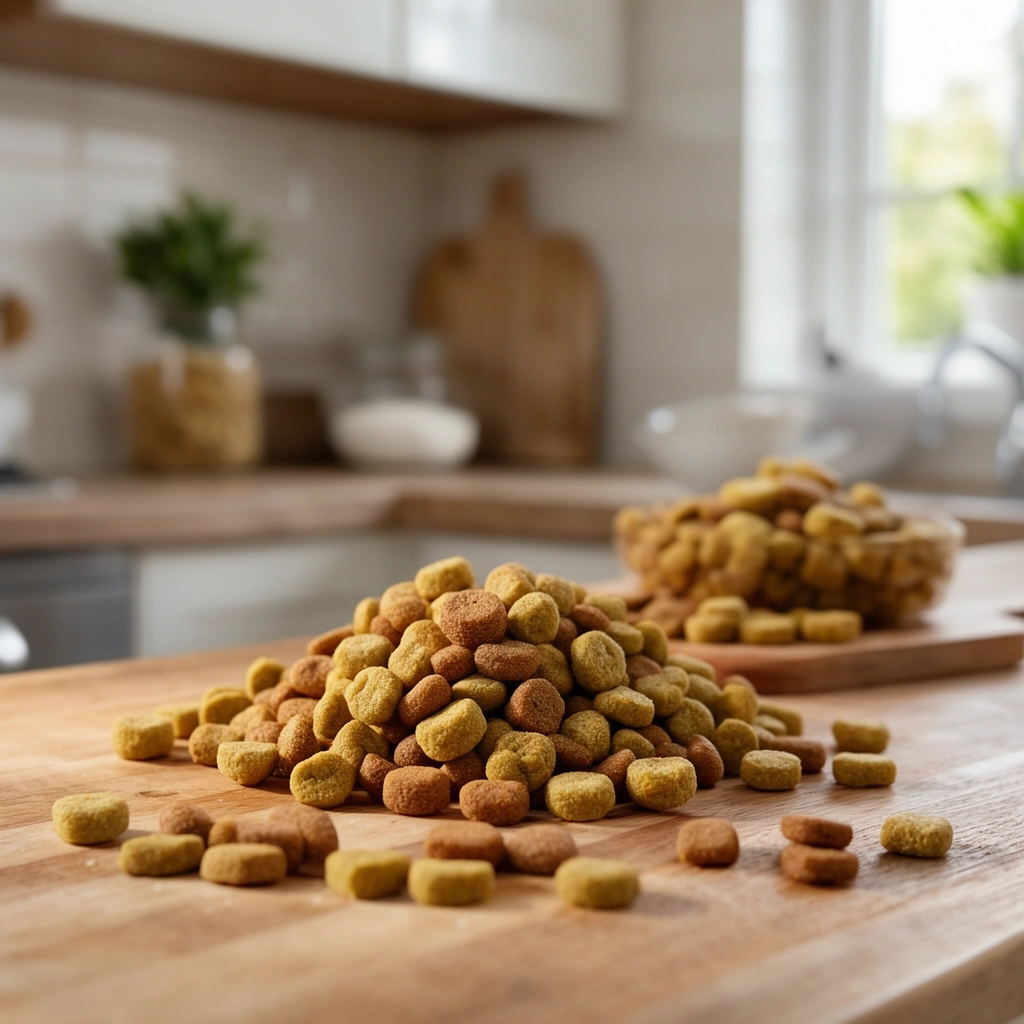
Not every Berner does well on standard kibble, and that’s okay. Here are some alternatives worth exploring.
Grain-Free Options
: Good for dogs with grain sensitivities, though recent research suggests linking some grain-free diets to heart issues—discuss with your vet first.
Raw Or Fresh Food Diets
: Some owners prefer raw feeding for better ingredient control, though this requires careful nutrient balancing to avoid deficiencies.
Homemade Meals
: Possible with vet guidance, using lean meats, vegetables, and proper supplements, but time-consuming and requires nutritional precision.
Wet Food Mix-Ins
: Adding wet food to dry kibble can boost hydration and flavor, especially helpful for picky eaters or seniors with dental issues.
Prescription Joint Formulas
: For Berners already showing joint discomfort, vet-prescribed therapeutic diets can offer more targeted support than over-the-counter options.
Wrapping It Up
Finding the best dog food for Bernese Mountain Dog companions really comes down to understanding their unique needs—big bodies, fast growth, and those breed-specific health risks that come along for the ride. Whether you go with Royal Canin, Purina Pro Plan, or one of the other options I mentioned, the goal stays the same: support those joints, manage that growth rate, and keep your gentle giant thriving for as many years as possible.
I know shopping for dog food feels overwhelming with a million options staring back at you from store shelves. But armed with what you now know about ingredients, feeding schedules, and common mistakes to dodge, you’re way ahead of where I started. Your Berner deserves food that works as hard as they do at being your loyal, loving companion.