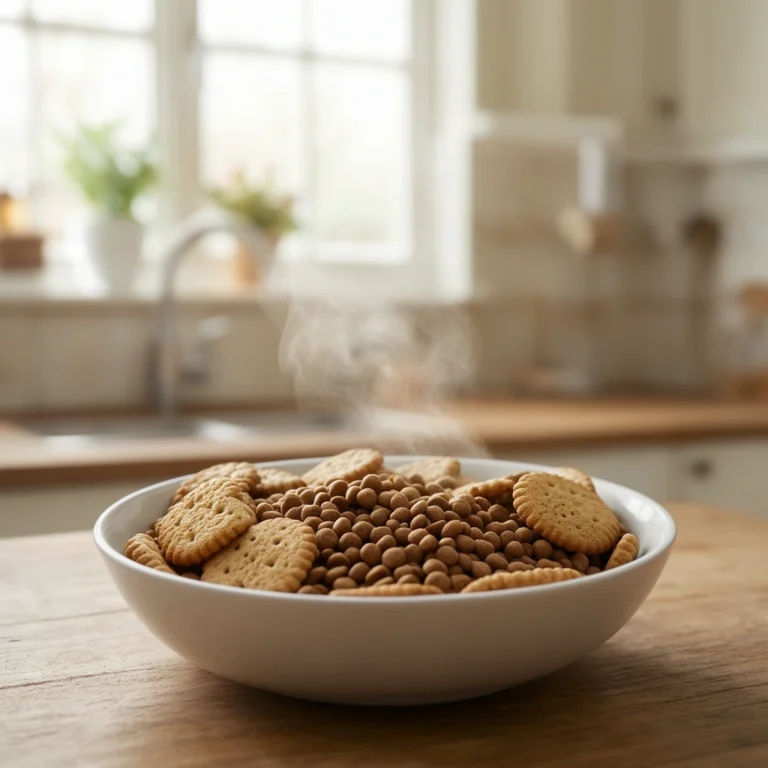
5 Superfood Dog Treats (Chia, Kale, Quinoa) Your Pup Will Beg For
Superfood dog treats aren’t just a trend—they’re a smart way to sneak extra nutrition into your dog’s daily routine. I’ve spent years testing homemade dog treat recipes in my own kitchen, and chia, kale, and quinoa have earned a permanent spot in my pantry. If you’ve ever wondered whether “human superfoods” actually help dogs, or you’re just tired of reading ingredient labels you can’t pronounce, stick around. I’m breaking down five recipes, the mistakes people make, and exactly how to avoid them.
Why These Three Ingredients Deserve a Spot in the Bowl
Before we get into the recipes, let’s talk about why chia, kale, and quinoa keep showing up in dog treat blogs. It’s not just marketing fluff.
Chia seeds pack omega-3 fatty acids and fiber into a tiny package. Kale brings vitamins A, C, and K along with antioxidants. Quinoa offers a complete protein with all nine essential amino acids, plus it’s naturally gluten-free—handy if your dog has a sensitive stomach.
But here’s something a lot of articles skip: these ingredients aren’t automatically safe just because they’re healthy for humans. Kale contains compounds that can affect thyroid function in large amounts, and quinoa has a natural coating (saponins) that needs to be rinsed off before cooking. I’ll cover exactly how to handle each ingredient safely as we go.
Key Terms You Should Know
Superfood
: A nutrient-dense food loaded with vitamins, minerals, or antioxidants relative to its calorie count.
Chia Seeds
: Tiny black or white seeds that absorb liquid and form a gel, rich in fiber and omega-3s.
Kale
: A leafy green vegetable high in vitamins A, C, and K, along with calcium and antioxidants.
Quinoa
: A gluten-free grain-like seed that’s a complete protein source, meaning it has all essential amino acids.
Saponins
: A bitter, soap-like coating on raw quinoa that can cause stomach upset if not rinsed away.
Oxalates
: Naturally occurring compounds in kale that, in large quantities, may contribute to kidney stone risk in sensitive dogs.
Recipe 1: Chia Seed Pupsicles
These are perfect for hot days and dogs who inhale their treats too fast.
Ingredients:
- 1 cup plain, unsweetened yogurt
- 2 tablespoons chia seeds
- ½ cup mashed banana or pumpkin puree
- 1 tablespoon water
Steps:
- Mix the yogurt, mashed fruit, and water in a bowl.
- Stir in the chia seeds and let the mixture sit for 10 minutes so the seeds soften.
- Pour into silicone ice cube trays or small paper cups.
- Freeze for at least 4 hours.
- Pop out and serve on a warm day.
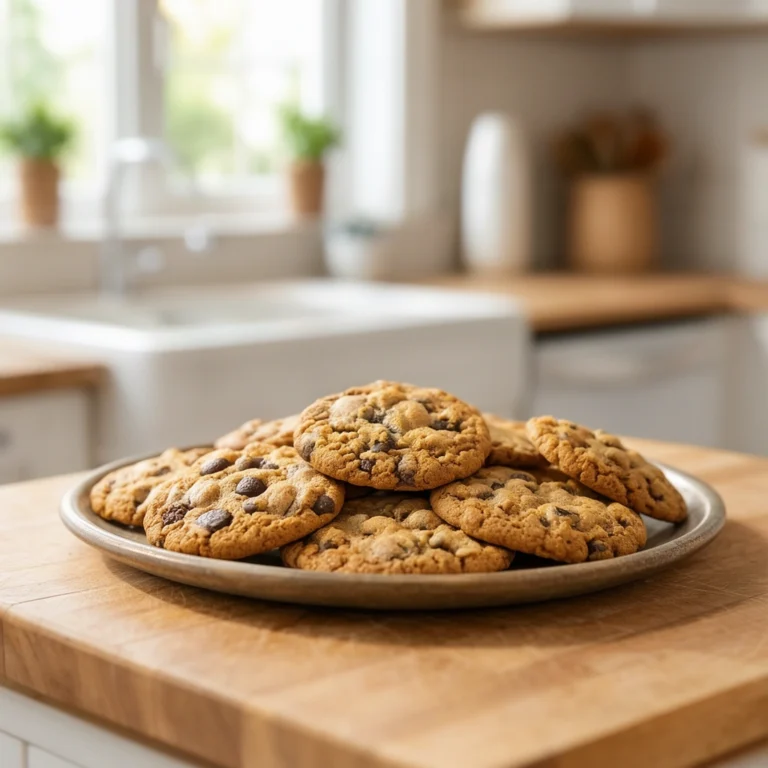
Recipe 2: Kale & Quinoa Crunch Bites
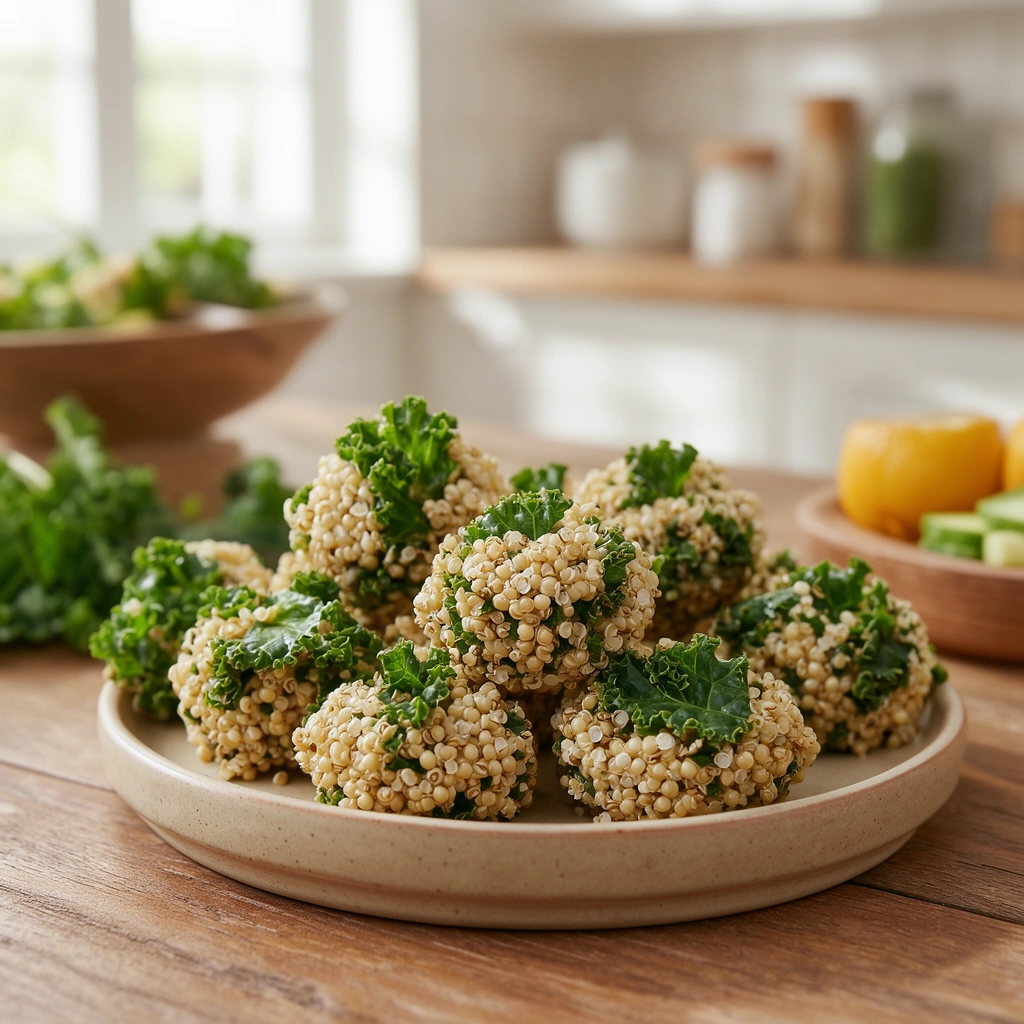
This one turns two “human health foods” into a crunchy training treat.
Ingredients:
- 1 cup cooked quinoa (rinsed thoroughly before cooking)
- ½ cup finely chopped kale, steamed
- 1 egg
- 1 cup oat flour
Steps:
- Preheat your oven to 350°F.
- Rinse raw quinoa under cold water for a full minute to remove saponins.
- Cook the quinoa according to package instructions, then let it cool.
- Steam the kale for 2-3 minutes to soften it and reduce oxalate content.
- Combine quinoa, kale, egg, and oat flour into a dough.
- Roll into small balls or flatten into bite-sized discs.
- Bake for 20 minutes until firm and lightly golden.
- Cool completely before serving.
Recipe 3: Quinoa Peanut Butter Training Treats
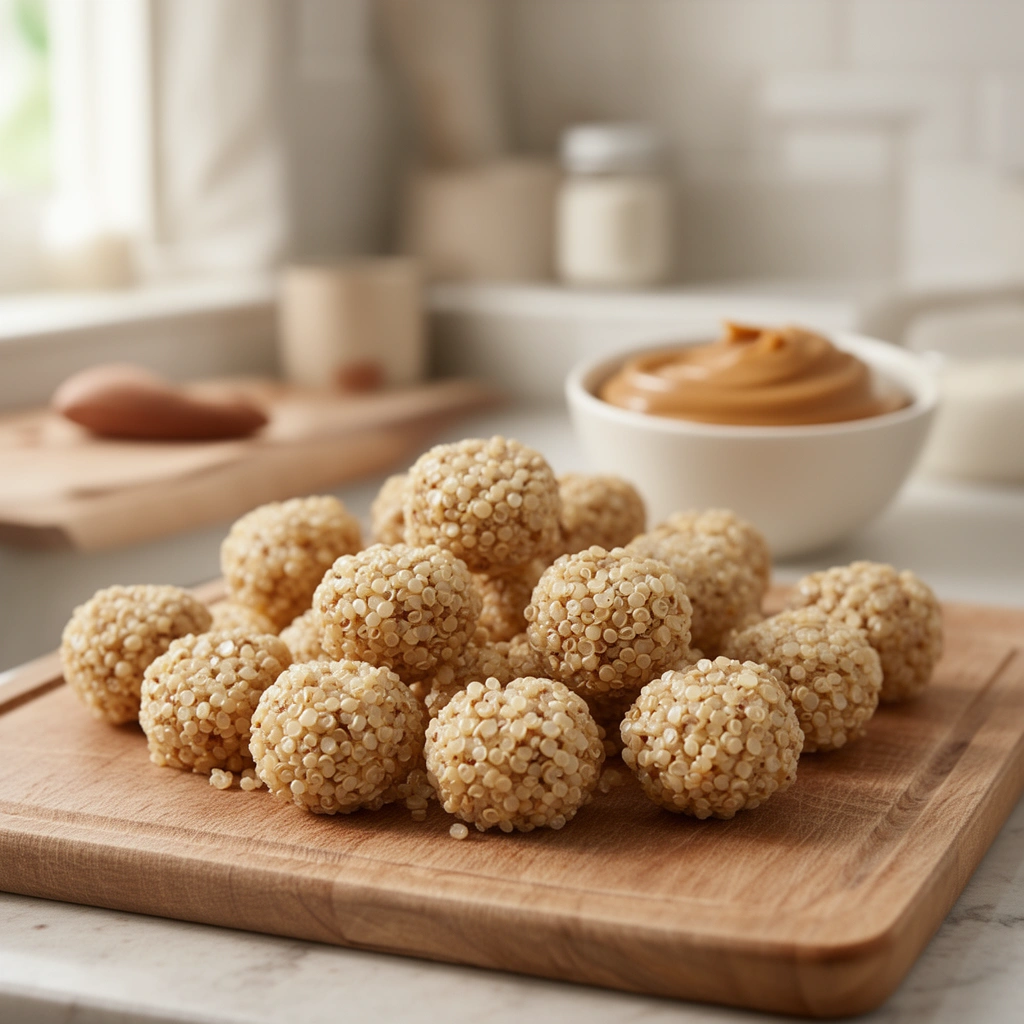
Small, soft, and perfect for repetitive training sessions.
Ingredients:
- ½ cup cooked quinoa
- ½ cup natural peanut butter (no xylitol)
- 1 egg
- 1 cup whole wheat or oat flour
Steps:
- Preheat oven to 325°F.
- Mix peanut butter and egg until smooth.
- Fold in the cooked quinoa.
- Slowly add flour until you get a workable dough.
- Roll into tiny, pea-sized balls for easy training rewards.
- Bake for 15 minutes.
- Store in the fridge since these stay soft.
Recipe 4: Chia-Kale Power Balls
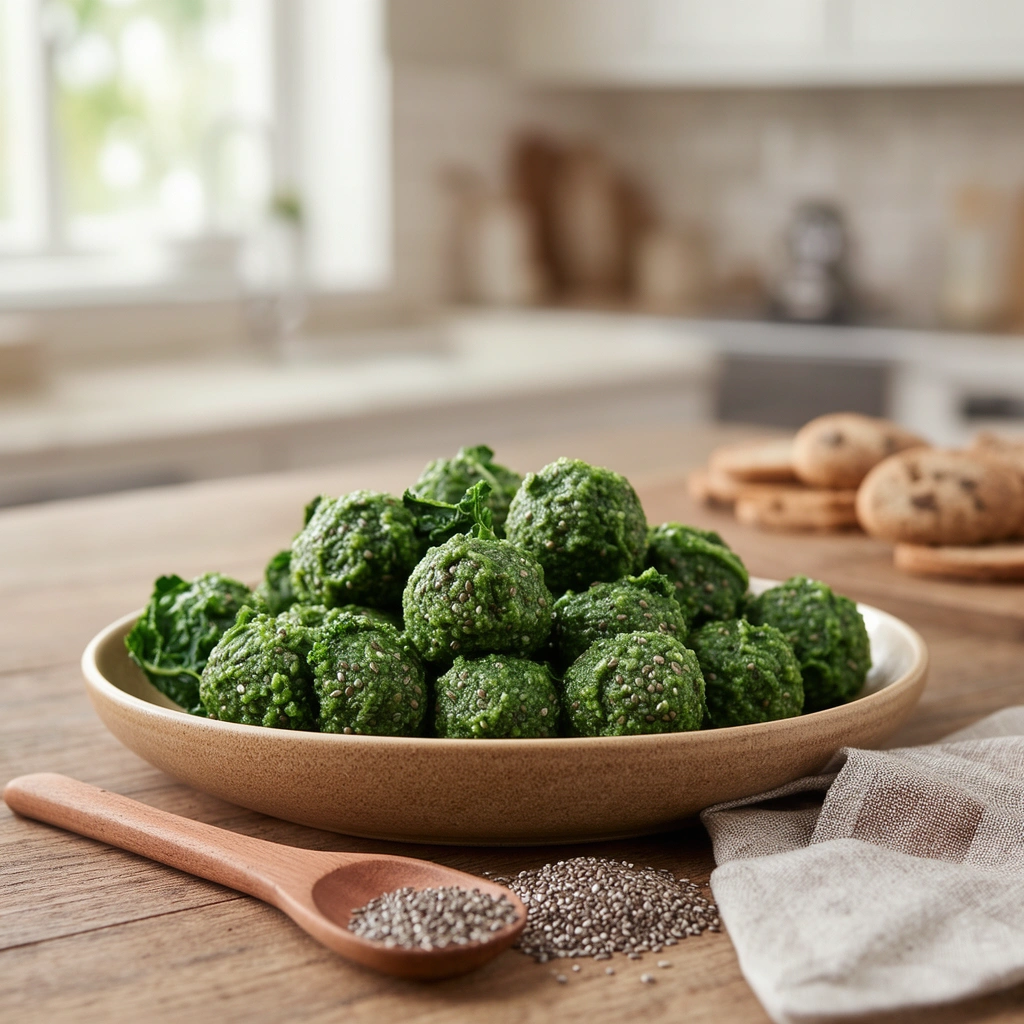
No baking required. Great for a quick afternoon treat.
Ingredients:
- ½ cup pureed cooked kale
- 2 tablespoons chia seeds
- 1 cup unsweetened applesauce
- 1 ½ cups oat flour
Steps:
- Steam and puree the kale until smooth.
- Mix kale puree, chia seeds, and applesauce in a bowl.
- Add oat flour gradually until the mixture holds together.
- Roll into small balls with your hands.
- Refrigerate for at least 1 hour before serving.
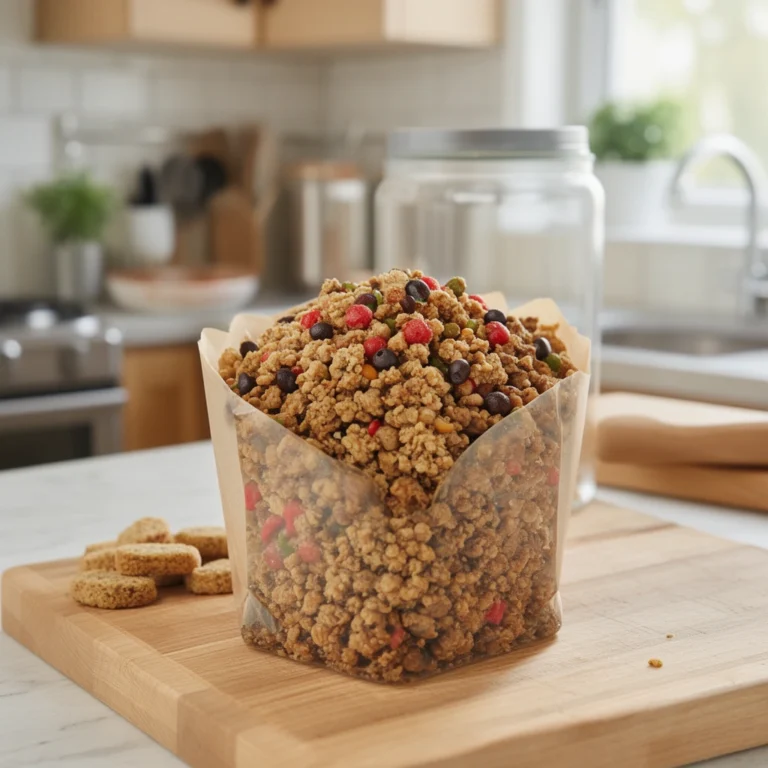
Recipe 5: Quinoa Kale Chia Trail Mix Cookies
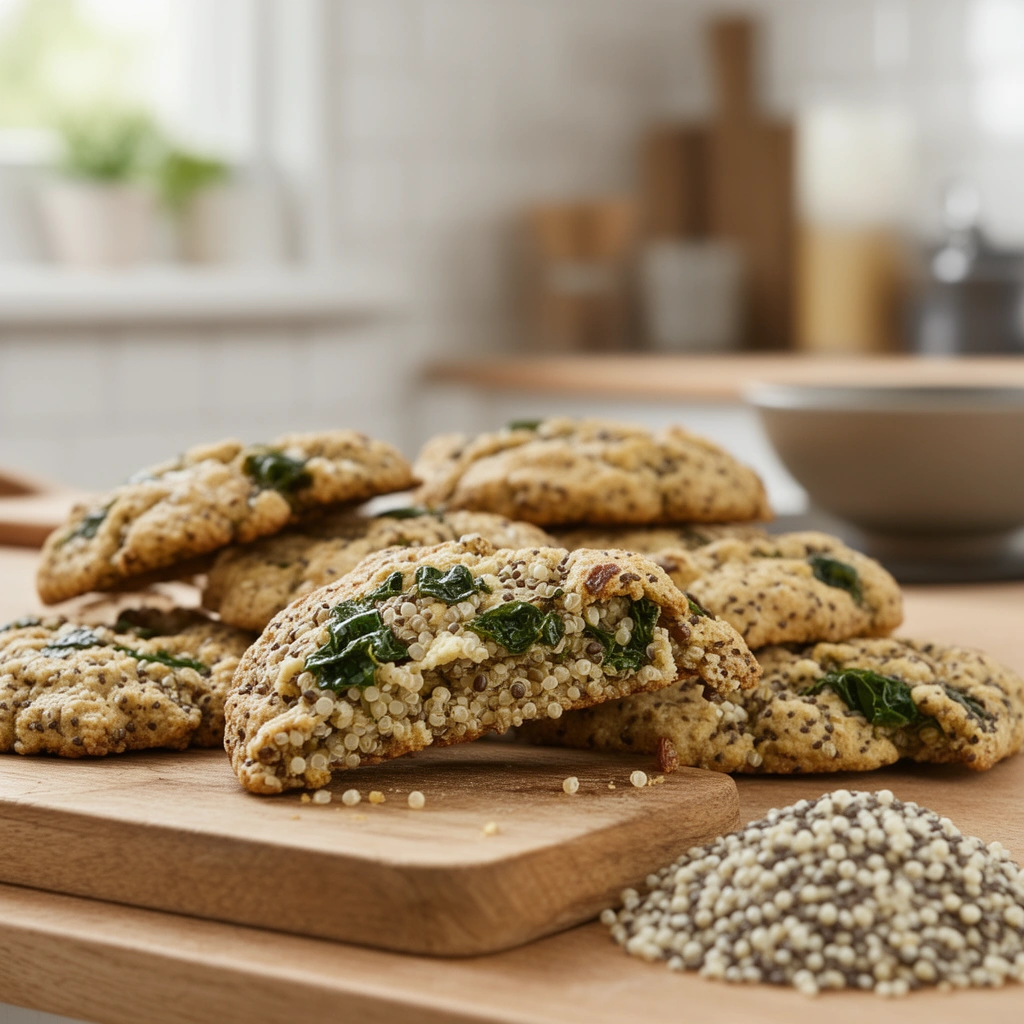
This recipe combines all three superfoods into one hearty biscuit.
Ingredients:
- 1 cup cooked quinoa
- ¼ cup finely chopped steamed kale
- 1 tablespoon chia seeds
- 1 egg
- 1 cup oat flour
- 2 tablespoons olive oil
Steps:
- Preheat oven to 350°F.
- Combine quinoa, kale, and chia seeds in a large bowl.
- Add egg and olive oil, mixing well.
- Slowly incorporate flour until dough forms.
- Roll out to ¼-inch thickness and cut into shapes.
- Bake for 20-25 minutes until firm.
- Cool on a wire rack before storing.
Tips for Success
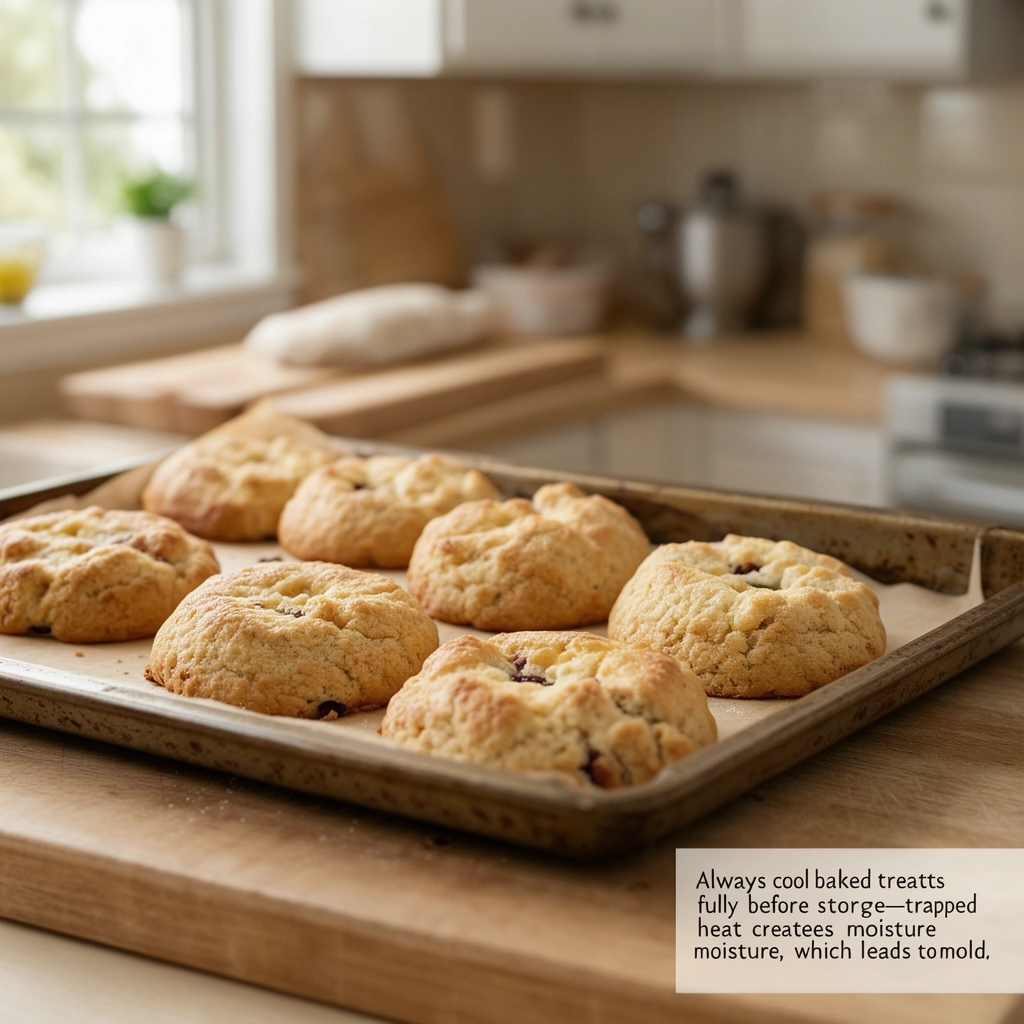
- Always cool baked treats fully before storing—trapped heat creates moisture, which leads to mold.
- Use unsweetened, plain ingredients only. Flavored yogurt and peanut butter often hide sugar or artificial sweeteners.
- Rinse quinoa twice, not once. Saponins can linger even after a quick rinse.
- Steam kale instead of using it raw. It softens texture and reduces oxalate levels.
- Start with small portions when introducing any new superfood. Watch for loose stool or itching over the next 24 hours.
- Store baked treats in an airtight container in the fridge for up to a week, or freeze for up to three months.
Common Mistakes and How to Avoid Them
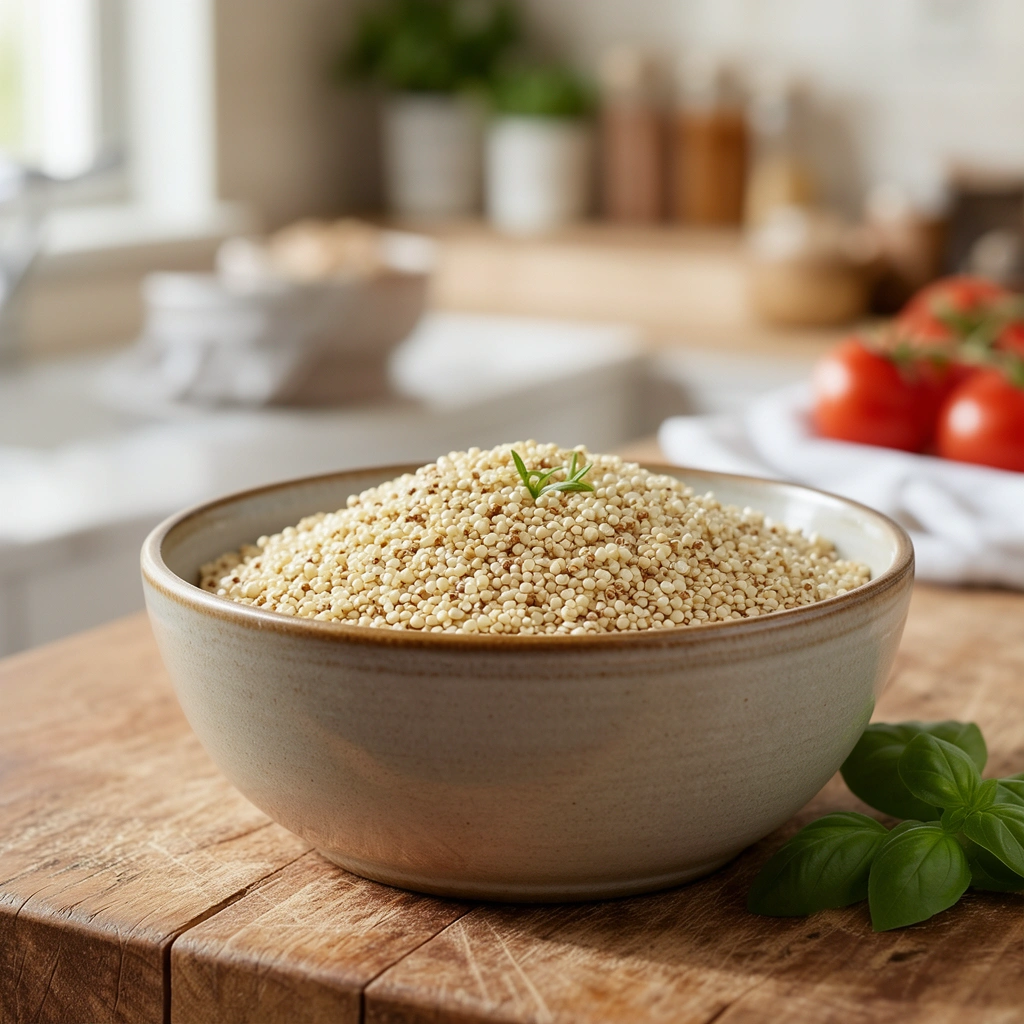
Using raw, unrinsed quinoa
: This can upset your dog’s stomach due to leftover saponins. Always rinse and fully cook it first.
Feeding too much kale too often
: Kale in large, frequent amounts may affect thyroid function or contribute to kidney stones in sensitive dogs. Treat it as an occasional addition, not a daily staple.
Skipping the chia soak
: Dry chia seeds can absorb liquid inside your dog’s stomach. Always soak them first or mix them into a wet base before serving.
Adding xylitol-sweetened peanut butter
: Xylitol is toxic to dogs. Double-check labels every single time, even on “natural” brands.
Overbaking treats until rock hard
: This can be tough on older dogs or small breeds with dental issues. Aim for a firm but not brick-like texture.
Ignoring portion size
: Even healthy treats add calories. Keep treats under 10% of your dog’s daily caloric intake.
Variations You Can Try
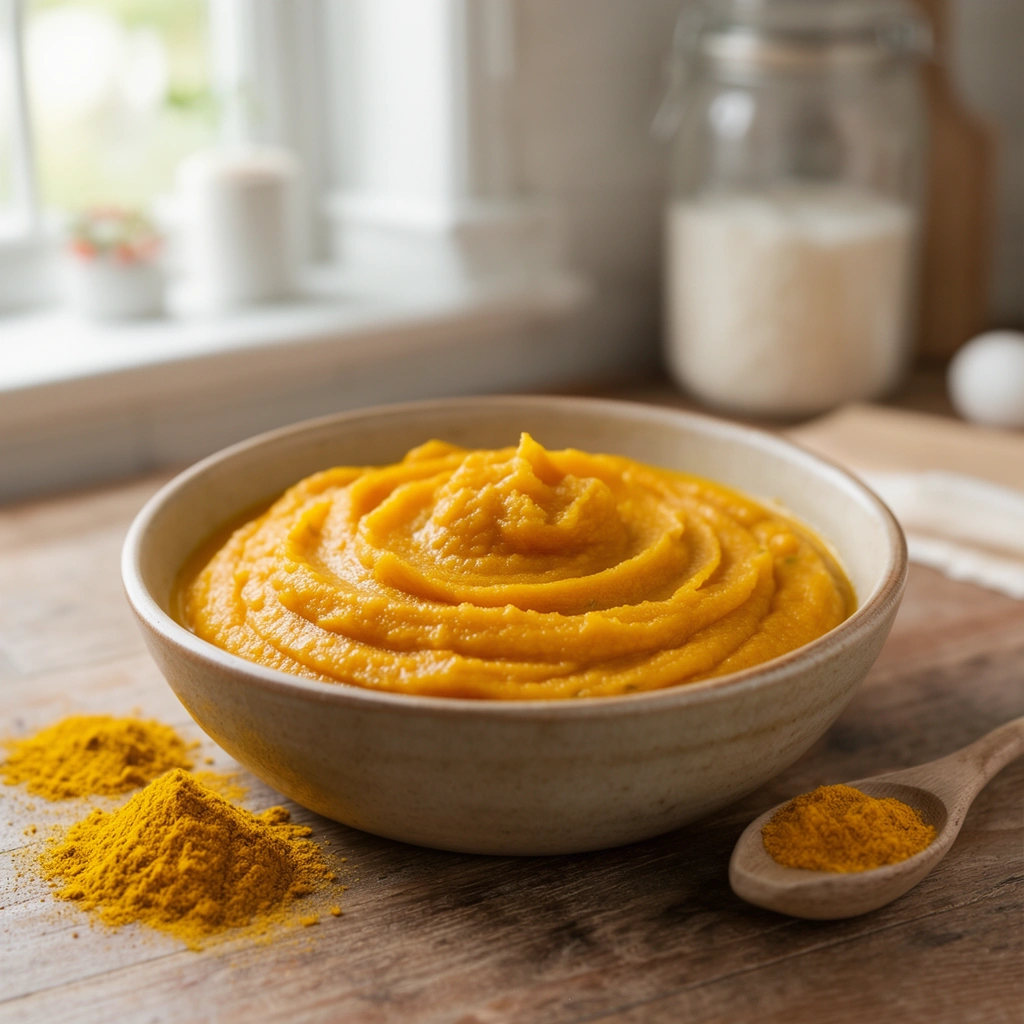
- Swap banana for pumpkin puree in the pupsicle recipe for a lower-sugar option.
- Add a teaspoon of turmeric to any recipe for extra anti-inflammatory benefits.
- Replace oat flour with chickpea flour for a protein boost.
- Mix in blueberries for antioxidants and a fun color contrast.
- Use coconut oil instead of olive oil for a different flavor profile and added MCTs.
Wrapping It Up
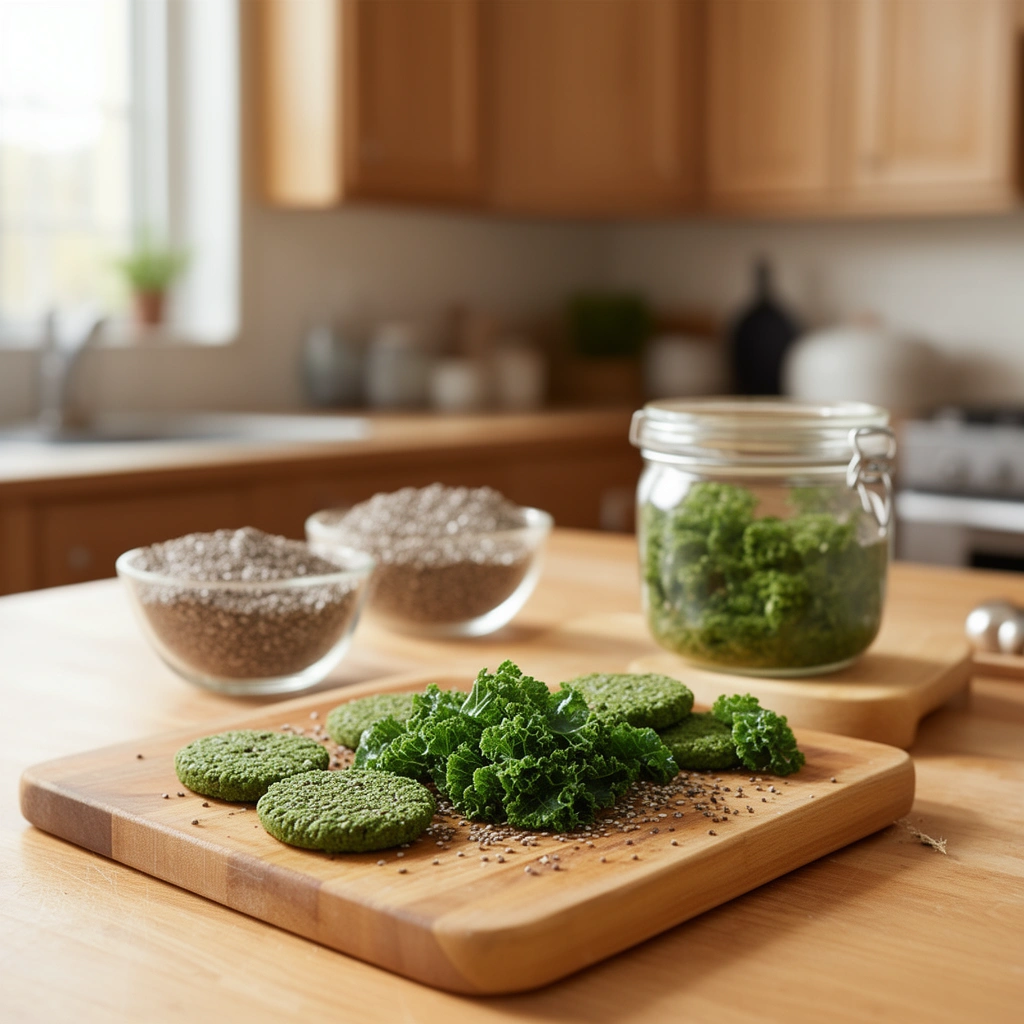
Making superfood dog treats at home doesn’t have to be complicated. Once you understand how to handle chia, kale, and quinoa properly—rinsing, steaming, soaking—you’re set up to create treats that are actually good for your dog, not just trendy. I’ve walked you through five solid recipes, the mistakes to dodge, and a few variations to keep things interesting.
Give one of these a try this week. Your dog won’t know it’s “superfood.” They’ll just know it’s delicious.