10 Easy Homemade Dog Food Recipes Your Pup Will Love
Ever caught yourself staring at the ingredient list on your dog’s kibble bag, squinting at words you can’t even pronounce? Yeah, me too. That’s exactly what pushed me down the homemade dog food rabbit hole a few years back, and honestly, I haven’t looked back since.
I get it though. The idea of cooking for your dog might sound like too much work, or maybe you’re worried you’ll mess up their nutrition. Those worries are valid! But here’s the thing: with the right recipes and a little know-how, feeding your pup homemade meals isn’t just doable, it’s downright rewarding. Watching my own dog’s coat get shinier and his energy pick up after switching? That sealed the deal for me.
In this guide, I’m sharing ten simple homemade dog food recipes, plus everything else I wish someone had told me before I started, like storage tips, common slip-ups, and how to adjust recipes for dogs with special needs.
Why Homemade Dog Food Is Worth Considering
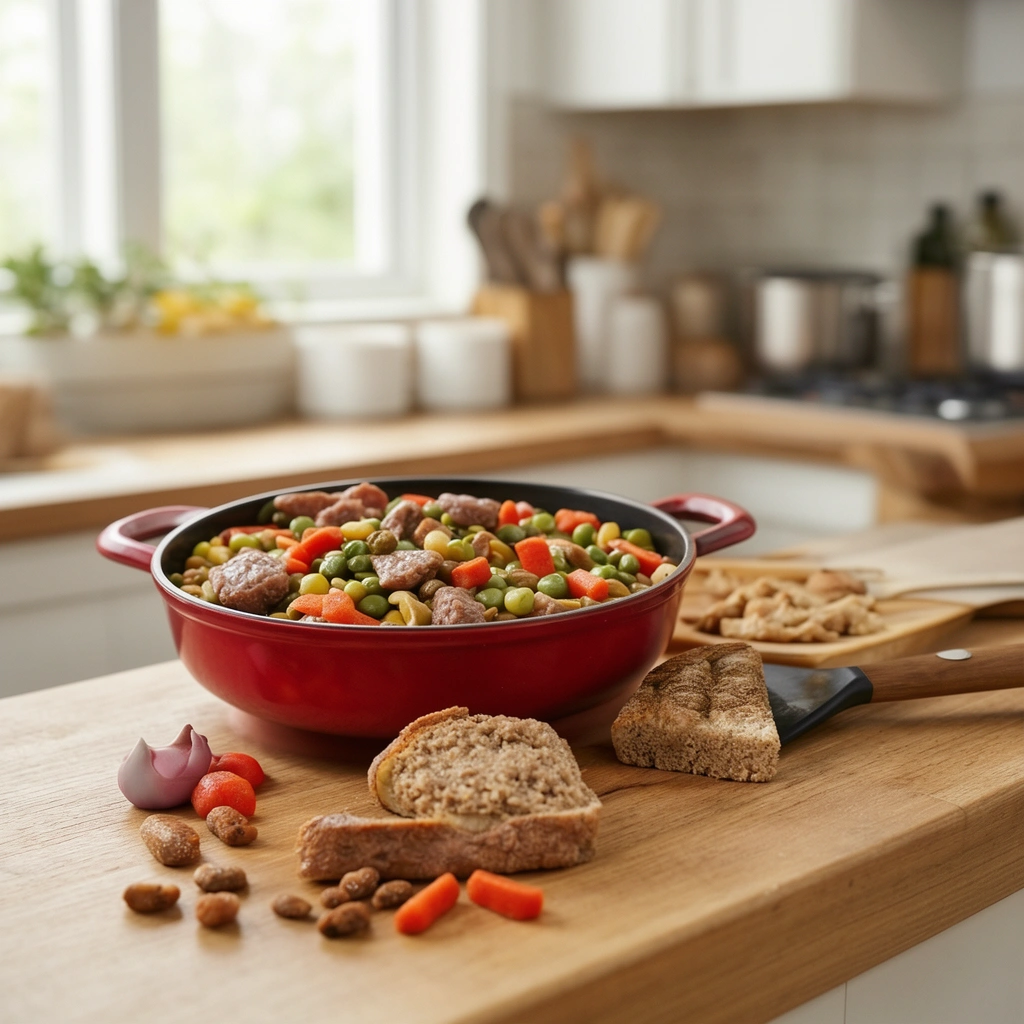
Before jumping into recipes, let’s talk about why so many pet parents are ditching the bag and picking up a spatula instead.
Store-bought kibble often contains fillers, preservatives, and mystery meats that don’t do much for your dog’s health. Homemade food gives you full control over what goes into your pup’s bowl. You know exactly what’s in there because you put it there yourself.
That said, homemade doesn’t mean “no rules.” Dogs need a balance of protein, carbs, fats, vitamins, and minerals just like we do. Skipping this balance, even with the best intentions, can lead to nutritional gaps over time.
Quick definitions to keep in mind:
Macronutrients
: The big three—protein, fat, and carbohydrates—that give your dog energy and support body function.
Micronutrients
: Vitamins and minerals needed in smaller amounts, like calcium, zinc, and vitamin E.
Balanced diet
: A meal plan that covers all nutritional bases your dog needs long-term, not just calories.
Rotation feeding
: Switching between different recipes or protein sources to avoid nutrient gaps and keep meals interesting.
A quick chat with your vet before switching your dog’s diet is always smart, especially if your pup has health issues like kidney disease or allergies.
The 10 Recipes: Simple, Nutritious, and Dog-Approved
Here’s where the fun starts. Each recipe below is easy to make, uses ingredients you probably already have, and can be adjusted based on your dog’s size and needs.
1. Chicken and Rice Comfort Bowl
This one’s the classic starter recipe. Gentle on tummies and great for dogs recovering from an upset stomach.
- 2 cups shredded cooked chicken (no bones, no skin)
- 1 cup cooked brown rice
- 1/2 cup steamed carrots, diced
- 1 tablespoon plain pumpkin puree
Mix everything together, let it cool, and serve. Simple as that.
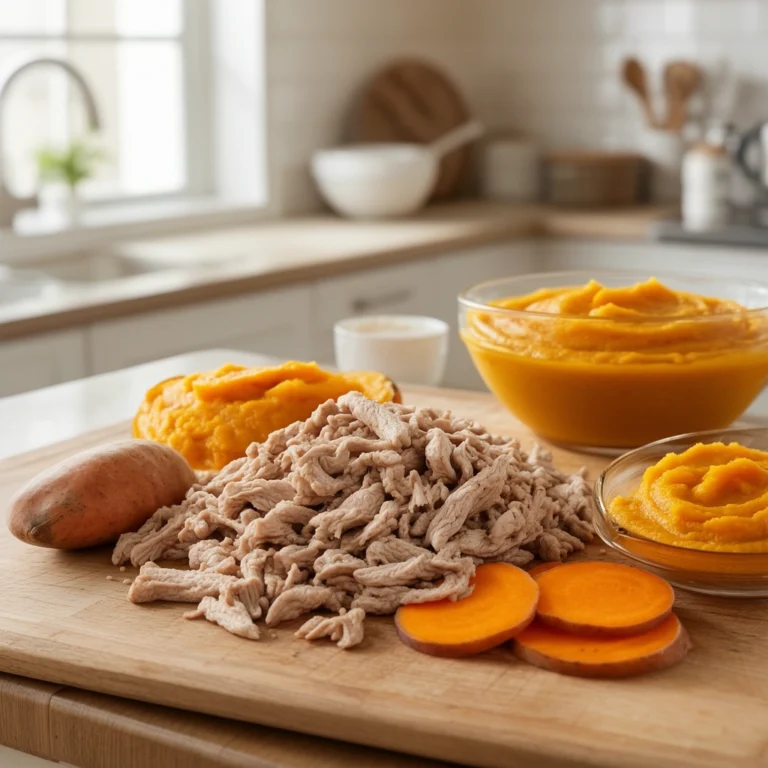
2. Beef and Sweet Potato Stew
Hearty and filling, this recipe works great for active dogs burning lots of energy.
- 1 pound lean ground beef, cooked
- 1 cup mashed sweet potato
- 1/2 cup peas
- 1/4 cup chopped spinach
Cook the beef thoroughly, drain excess fat, then combine with the veggies. Cool before serving.
3. Turkey and Quinoa Delight
Quinoa is a great alternative grain packed with protein and fiber.
- 1 pound ground turkey, cooked
- 1 cup cooked quinoa
- 1/2 cup diced zucchini
- 1 tablespoon flaxseed oil
4. Salmon and Sweet Potato Mash
Fish-based recipes are fantastic for skin and coat health thanks to omega-3s.
- 1 cup cooked salmon (boneless)
- 1 cup mashed sweet potato
- 1/4 cup steamed green beans
5. Egg and Veggie Scramble
Perfect for a quick breakfast option.
- 2 eggs, scrambled (no oil or seasoning)
- 1/4 cup shredded carrots
- 1/4 cup chopped spinach
6. Lamb and Barley Bowl
Great alternative protein for dogs with chicken or beef sensitivities.
- 1 pound ground lamb, cooked
- 1 cup cooked barley
- 1/2 cup diced butternut squash
7. Pork and Apple Mix
A slightly sweet recipe dogs tend to go crazy for.
- 1 pound lean ground pork, cooked
- 1/2 cup diced apple (no seeds)
- 1/2 cup cooked oats
8. White Fish and Rice Bowl
Light and easy to digest, ideal for senior dogs.
- 1 cup cooked white fish (like cod or tilapia)
- 1 cup cooked white rice
- 1/4 cup steamed broccoli
9. Liver and Veggie Power Bowl
Organ meat adds a nutrient boost your dog will love.
- 1/2 pound cooked beef liver, chopped small
- 1 cup cooked brown rice
- 1/2 cup diced carrots
Go easy on liver portions since it’s rich and can upset sensitive stomachs if overfed.
10. Puppy-Friendly Chicken and Egg Mash
A softer, easier-to-digest recipe great for growing pups.
- 1 cup cooked shredded chicken
- 1 boiled egg, mashed
- 1/4 cup cooked white rice
- 1 tablespoon plain yogurt
How to Make These Recipes: Step-by-Step Process
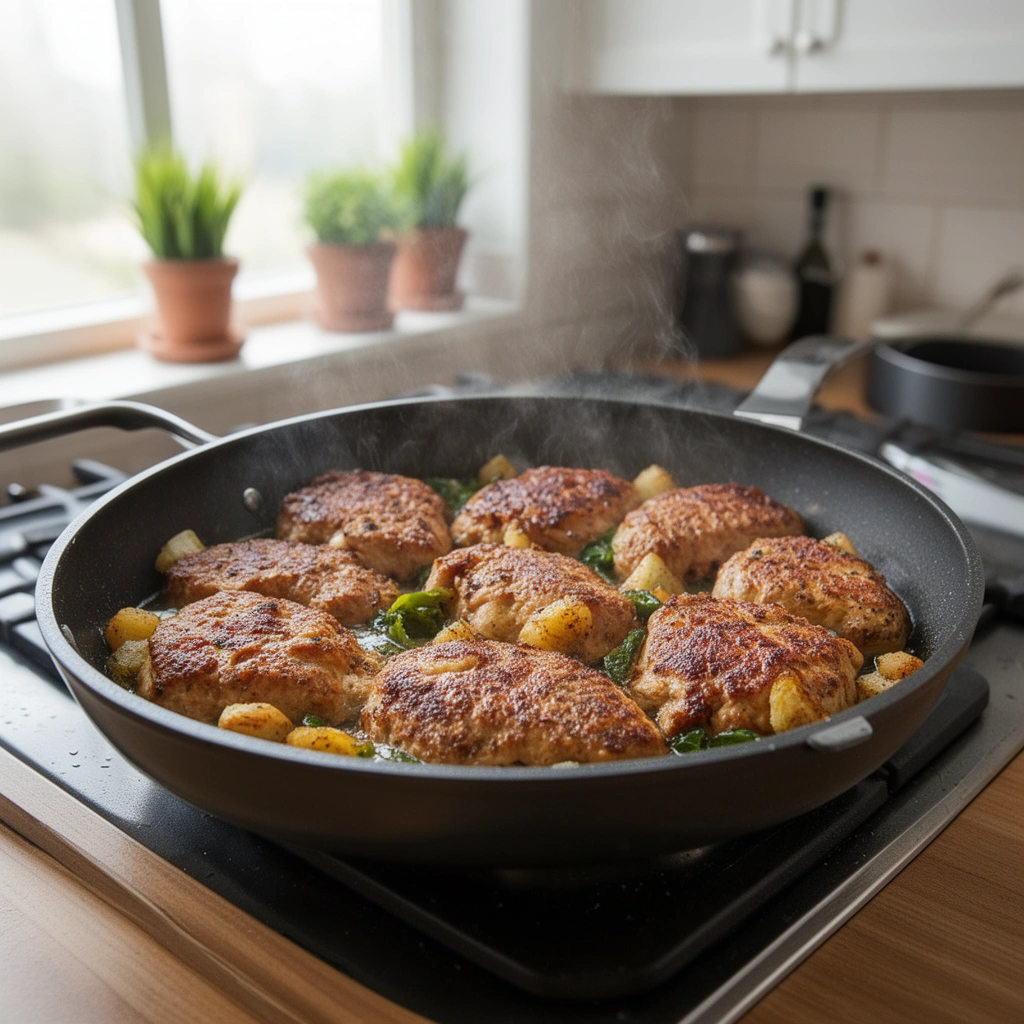
Here’s the general process I follow for almost every recipe above:
- Cook proteins thoroughly. No pink in the middle, ever.
- Steam or boil vegetables until soft enough to mash easily.
- Cook grains separately according to package instructions.
- Combine everything in a large bowl once cooled to room temperature.
- Portion into meal-sized containers based on your dog’s weight.
- Store in the fridge for up to 4 days or freeze portions for up to 3 months.
That’s it. No fancy equipment needed, just a stove, a pot, and some patience.
Tips for Success
- Always cool food completely before serving to avoid burns.
- Introduce new recipes gradually over 5-7 days to avoid digestive upset.
- Use a kitchen scale to measure portions accurately, especially for smaller breeds.
- Keep a rotation of at least 3 recipes to provide variety and balanced nutrition.
- Add a vet-approved multivitamin supplement if you’re feeding homemade meals long-term.
- Label and date frozen portions so nothing gets forgotten in the back of your freezer.
Common Mistakes and How to Avoid Them
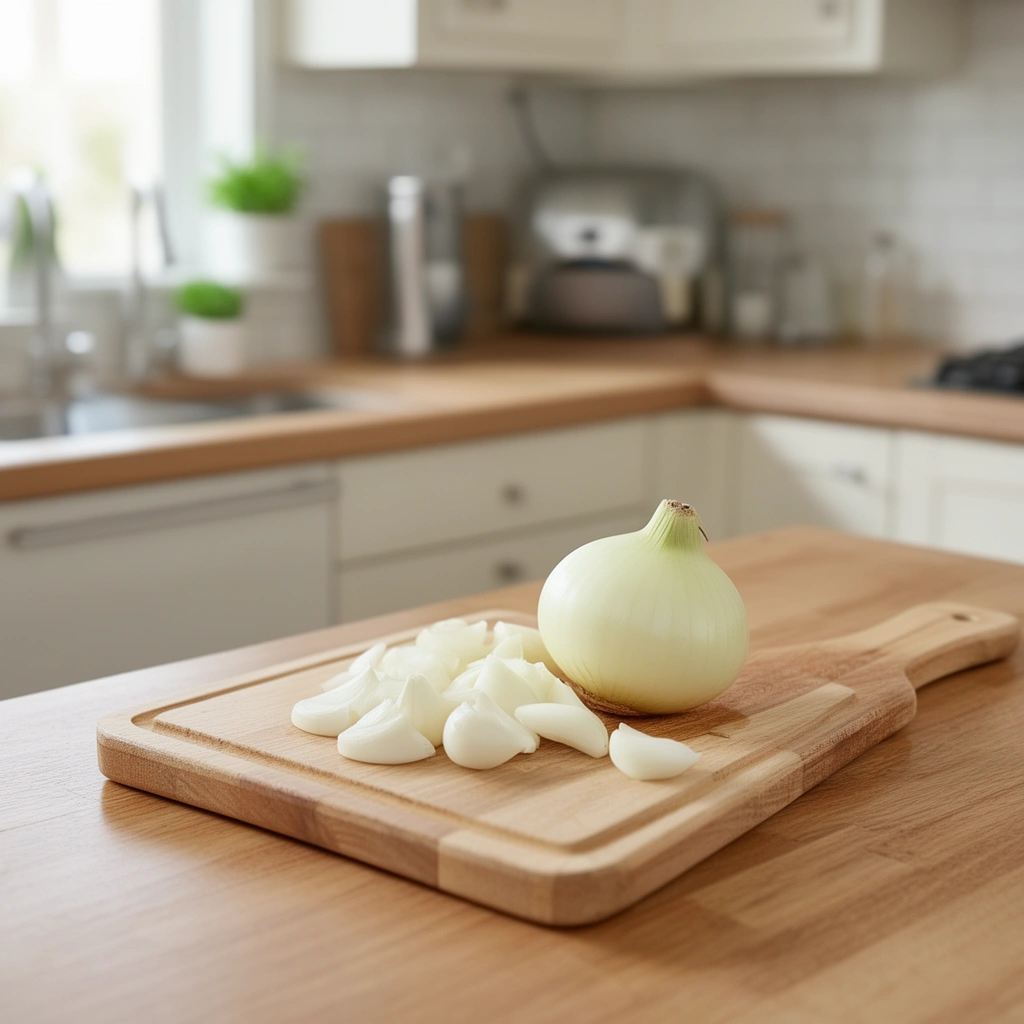
Feeding raw onions or garlic
: These are toxic to dogs, even in small amounts. Always double-check every ingredient.
Skipping calcium sources
: Homemade diets often lack calcium found naturally in commercial kibble. Add eggshell powder or a vet-recommended calcium supplement.
Overfeeding organ meats
: Liver and kidney are nutrient-dense but can cause vitamin A toxicity if given too often. Stick to once or twice weekly.
Not measuring portions
: Eyeballing meals leads to overfeeding or underfeeding. Weigh food based on your dog’s size and activity level.
Using seasoning or salt
: Dogs don’t need seasoning, and too much salt can be harmful. Keep it plain.
Forgetting fat content
: Too much fat, especially from meats like pork or beef, can lead to pancreatitis. Trim visible fat where possible.
Variations You Can Try
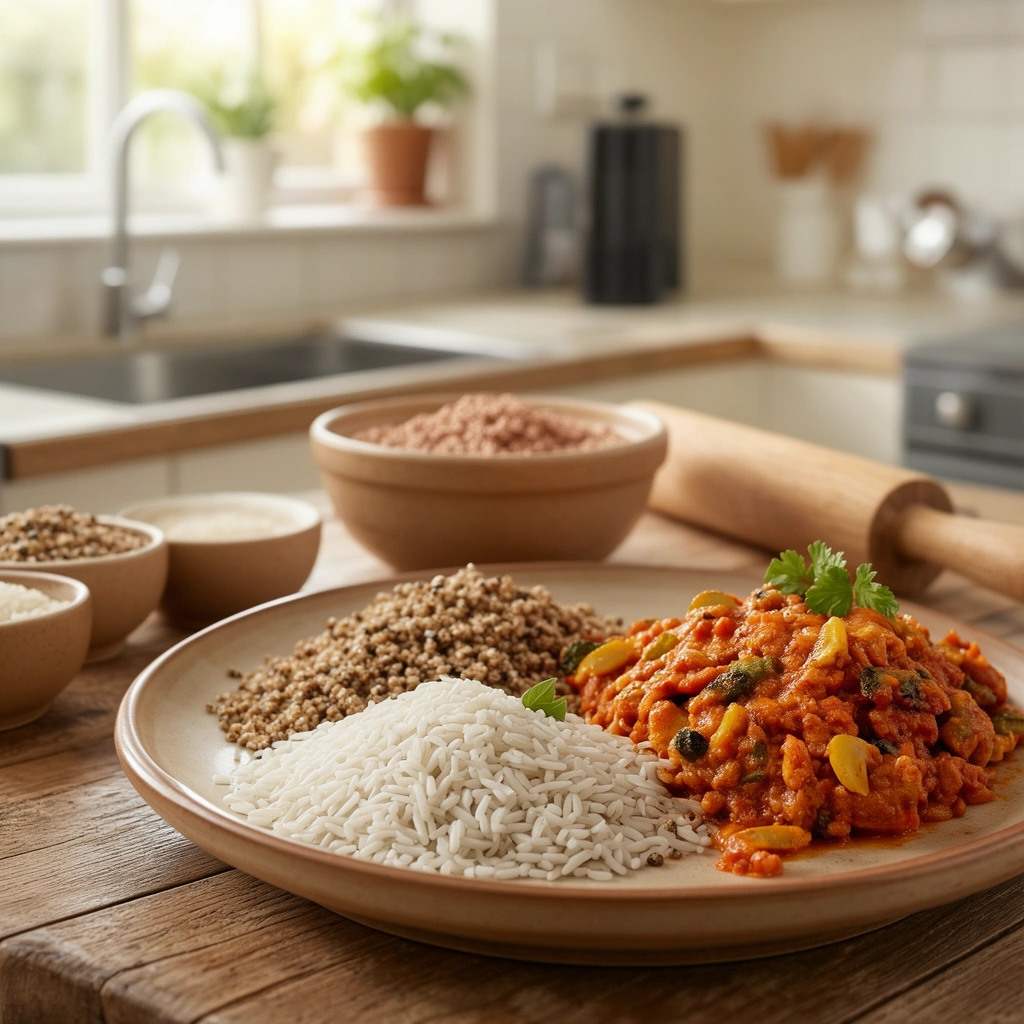
Once you get comfortable with the basics, feel free to switch things up:
- Grain-free versions: Swap rice or quinoa for mashed sweet potato or pumpkin for dogs with grain sensitivities.
- Low-fat options: Use lean proteins like chicken breast or white fish for dogs prone to weight gain or pancreatitis.
- Senior dog blends: Add joint-supporting ingredients like turmeric or fish oil for aging pups.
- Allergy-friendly meals: Rotate protein sources like venison or duck if your dog reacts to common proteins like chicken or beef.
- Raw diet adaptation: For pet parents interested in raw feeding, some of these recipes can be adjusted by using raw (vet-approved, human-grade) meats instead of cooked.
Wrapping It Up
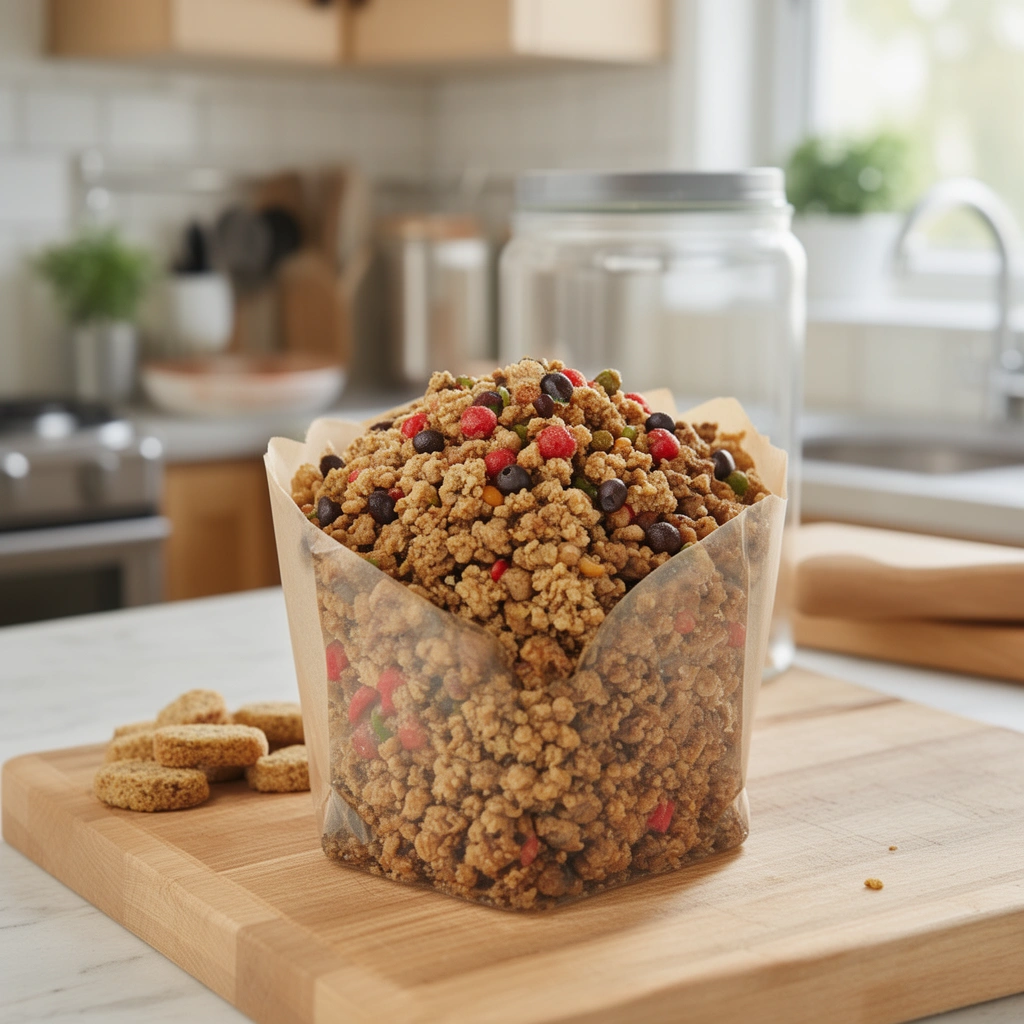
Making homemade dog food doesn’t have to feel overwhelming. Once you get the hang of these ten recipes, you’ll probably find yourself experimenting with your own combinations too. My dog certainly keeps me on my toes, begging for his favorites and turning his nose up at others, just like a picky kid at the dinner table.
At the end of the day, homemade dog food recipes give you the power to nourish your pup with real, wholesome ingredients while strengthening that bond over mealtime. Start slow, keep it balanced, and watch your furry friend thrive one homemade bowl at a time.