Broccoli Dog Treats: A Simple, Healthy Snack Your Pup Will Love
Ever wonder if you can turn a boring veggie like broccoli into something your dog actually gets excited about? I’ve been there too, staring at leftover broccoli florets wondering if my dog could eat them safely. The answer is yes, and broccoli dog treats might just become your pup’s new favorite snack. I’ve made these treats dozens of times, and I want to walk you through everything I’ve learned, including the mistakes I made along the way so you don’t have to repeat them.
Broccoli isn’t just a filler ingredient. It’s packed with fiber, vitamin C, and vitamin K, which can support your dog’s immune system and digestion. But there’s more to making great broccoli dog treats than just tossing some veggies in the oven. Let’s get into it.
What Are Broccoli Dog Treats?
Broccoli dog treats are homemade snacks made primarily from broccoli, combined with dog-safe ingredients like oats, eggs, or pumpkin puree to create a treat that’s both nutritious and tasty. Unlike store-bought biscuits loaded with preservatives, these treats let you control exactly what goes into your dog’s body.
I like to think of them as a happy middle ground. Your dog gets a crunchy, satisfying snack, and you get the peace of mind knowing there’s no weird filler or artificial coloring hiding inside. Plus, broccoli is low in calories, which makes these treats a smart choice if your vet has mentioned your dog needs to watch their weight.
Here’s a quick breakdown of key terms you’ll want to know before we start baking:
Floret
: The small, tree-like clusters that make up the head of a broccoli plant. This is the main part used in these treats.
Blanching
: A cooking method where vegetables are briefly boiled, then plunged into cold water. This softens the broccoli and makes it easier to blend or chop.
Binder
: An ingredient like egg or flour that holds the treat dough together so it doesn’t crumble apart.
Dehydrating
: A slow-cooking process at low oven temperatures that removes moisture, giving treats a longer shelf life and chewier texture.
Why Broccoli Works So Well in Dog Treats
Some competitor articles skip right over the “why” and jump straight to the recipe. I think that’s a mistake. Understanding why broccoli is a good fit helps you make smarter choices when adjusting recipes later.
Broccoli offers:
- Fiber, which supports healthy digestion and can help with regular bowel movements
- Vitamin C, an antioxidant that supports immune function
- Vitamin K, which plays a role in blood clotting and bone health
- Low calorie content, making it treat-friendly for dogs on a diet
- Crunchy texture, which many dogs enjoy chewing on
That said, broccoli does contain a compound called isothiocyanate, which can cause mild stomach irritation in some dogs if fed in large amounts. This is something I noticed missing from a lot of articles out there. The general rule of thumb from veterinary sources is that broccoli should make up no more than 10% of your dog’s daily diet. Since we’re making treats, not meals, this usually isn’t a big concern, but it’s worth knowing.
Ingredients You’ll Need
Before jumping into the steps, let’s talk ingredients. I’ve tested a few combinations, and this one gives the best texture and flavor balance.
- 1 cup fresh broccoli florets (steamed or blanched)
- 1 cup rolled oats (ground into flour, or use oat flour directly)
- 1 large egg
- 2 tablespoons plain pumpkin puree (not the spiced pie filling)
- 1 tablespoon coconut oil (optional, for a softer texture)
I avoid using garlic, onion powder, or salt in any dog treat recipe. These are common in human recipes but toxic or harmful for dogs, even in small amounts. This is another spot where some articles fall short. They mention “seasoning to taste,” which is honestly dangerous advice when it comes to dog food.
Step-by-Step: Making Broccoli Dog Treats
Alright, let’s get into the actual process. I’ll break this down into clear steps so you’re not guessing along the way.
- Preheat your oven to 350°F (175°C). This gives you a consistent baking environment.
- Steam or blanch the broccoli for about 3-4 minutes until it’s soft but not mushy. This step matters because raw broccoli is tougher for dogs to digest, and blanching also helps preserve more of the nutrients compared to boiling.
- Chop or pulse the broccoli in a food processor until it’s finely minced. You want small pieces, not a puree, so the treats hold some texture.
- Mix the dry ingredients. Combine your oat flour in a large bowl.
- Add the wet ingredients. Crack in the egg, add the pumpkin puree, and mix until combined.
- Fold in the broccoli. Stir the chopped broccoli into the dough until it’s evenly distributed.
- Knead the dough for about a minute. It should feel slightly sticky but hold together when pressed.
- Roll out the dough on a floured surface to about 1/4 inch thickness.
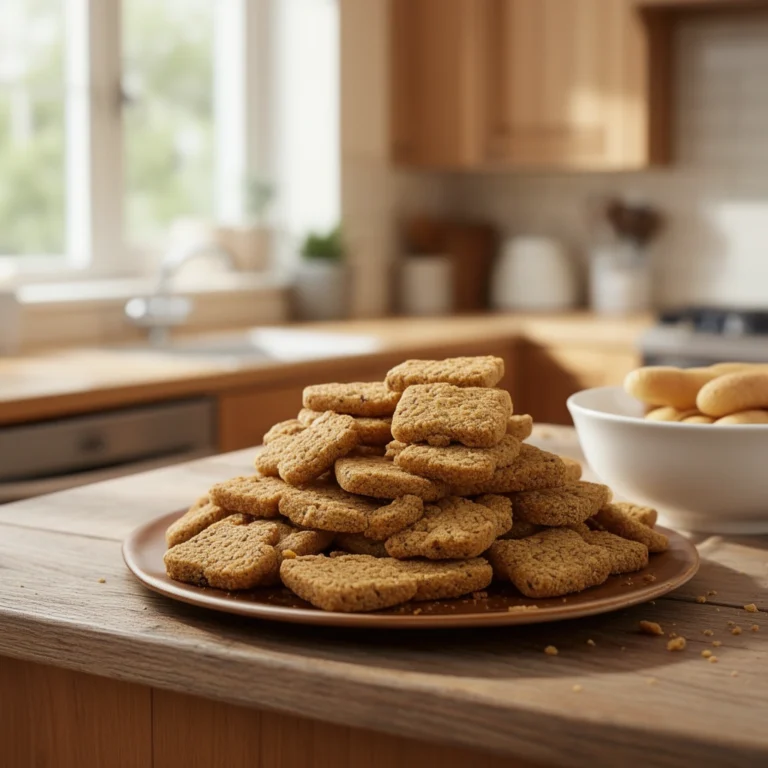
- Cut into shapes using a cookie cutter, or simply slice into small squares with a knife.
- Place on a lined baking sheet, leaving a little space between each treat.
- Bake for 20-25 minutes, flipping halfway through for even crisping.
- Cool completely on a wire rack before serving or storing.
That cooling step matters more than people think. Treats that go straight from oven to storage container can trap moisture and turn soggy or moldy faster.
Tips for Success
I’ve made plenty of batches that didn’t turn out great before I figured out what actually works. Here’s what helped me the most.
- Use a food processor for the broccoli. Hand-chopping works but takes forever and leaves uneven pieces.
- Don’t skip blanching. Raw broccoli bits in the dough can end up tough and unpleasant for your dog to chew.
- Keep treats small. Dogs don’t need giant biscuits, and smaller treats bake more evenly.
- Store treats in an airtight container in the fridge for up to a week, or freeze them for up to three months.
- Test a small piece with your dog first, especially if they’ve never had broccoli before. Some dogs are just more sensitive than others.
Common Mistakes and How to Avoid Them
I want to be upfront about the mistakes I made so you can skip straight to success.
Mistake: Using raw broccoli without cooking it first.
Fix: Always steam or blanch the broccoli before mixing it into the dough. This softens it and reduces the risk of digestive upset.
Mistake: Adding seasoning like garlic powder or salt for flavor.
Fix: Skip all seasoning. Dogs have different taste preferences than us, and many common seasonings are toxic to them.
Mistake: Making the dough too wet.
Fix: If your dough feels sticky and won’t hold shape, add a little more oat flour, one tablespoon at a time, until it firms up.
Mistake: Overbaking, which leads to rock-hard treats.
Fix: Check treats at the 20-minute mark. They should be firm but not overly hard. They’ll continue to crisp up a bit as they cool.
Mistake: Feeding too many treats at once.
Fix: Stick to the 10% rule. Treats, including broccoli ones, shouldn’t make up more than 10% of your dog’s daily calorie intake.
Variations You Can Try
Once you’ve got the base recipe down, it’s fun to switch things up. Here are a few variations I’ve tried with good results.
- Broccoli and carrot treats: Swap half the broccoli for shredded carrot for added sweetness and color.
- Broccoli and cheese treats: Add a small amount of shredded low-fat cheese for extra flavor dogs go crazy for.
- Peanut butter broccoli treats: Mix in a spoonful of unsalted, xylitol-free peanut butter for a rich taste dogs love.
- Grain-free version: Replace oat flour with almond flour or chickpea flour if your dog has grain sensitivities.
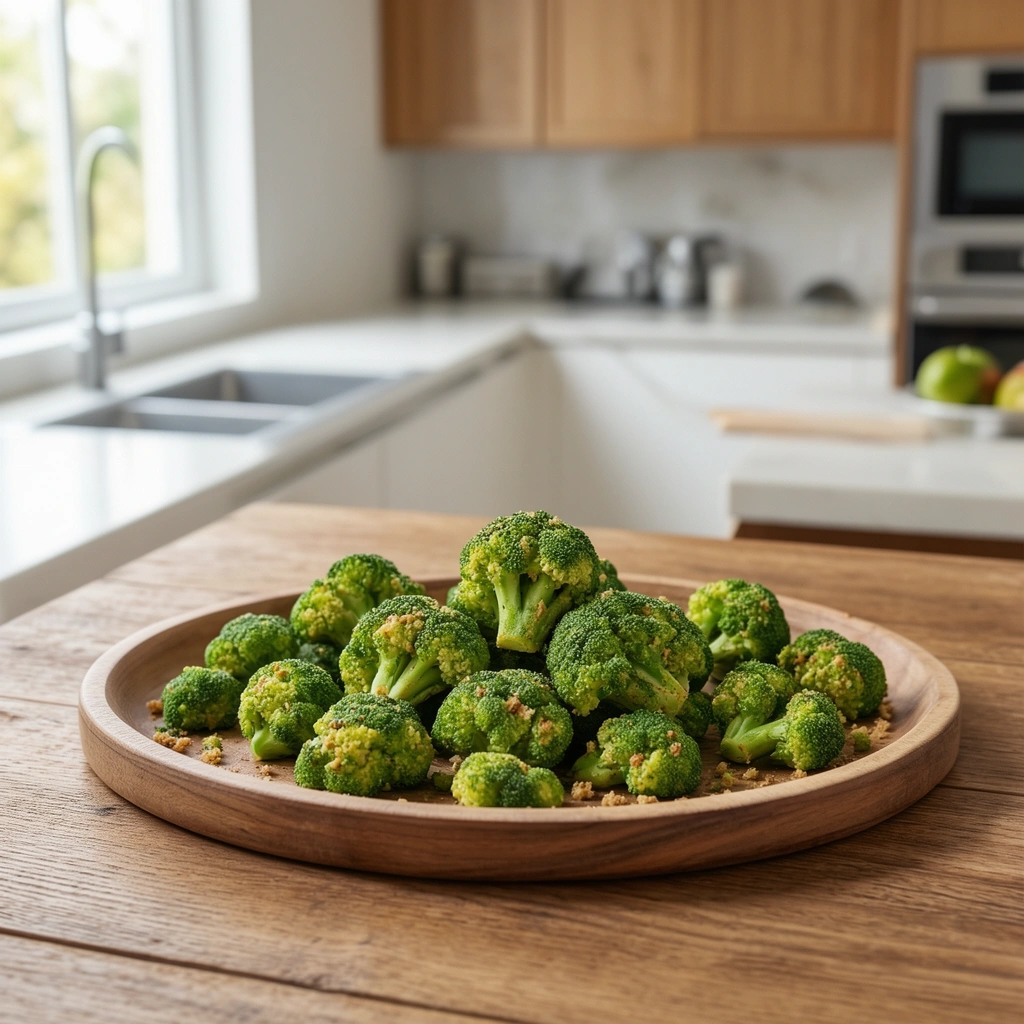
- Dehydrated broccoli chips: Instead of baking dough, thinly slice blanched broccoli and dehydrate at a low oven temperature for a crunchy, single-ingredient treat.
Each variation changes the flavor and texture slightly, so it’s worth experimenting to see what your dog prefers.
Wrapping It Up
Making broccoli dog treats at home doesn’t have to be complicated, and honestly, it’s one of the easiest ways to give your dog a healthy snack without any mystery ingredients. From blanching the broccoli properly to avoiding common seasoning mistakes, every step plays a role in creating treats your dog will actually enjoy and benefit from.
I hope this guide gave you the confidence to try making your own batch of broccoli dog treats at home. Grab some fresh broccoli, follow the steps, and watch your dog’s tail wag with excitement over their new favorite snack.