Chia Seed Dog Treats: The Complete Guide to Making Healthy Homemade Snacks
Ever wonder if that tiny seed sitting in your pantry could actually make your dog healthier? I get asked this a lot, and honestly, chia seed dog treats have become one of my go-to recipes when I want to give my pup something wholesome without a ton of effort. These little seeds pack a surprising punch, and once you learn how to use them right, you’ll wonder why you didn’t start sooner.
I’ve spent months testing different chia seed treat recipes for my own dogs, tweaking ratios and figuring out what actually works versus what just sounds good on paper. This guide covers everything my research uncovered, including stuff that often gets glossed over in other articles on this topic.
What Are Chia Seed Dog Treats, Exactly?
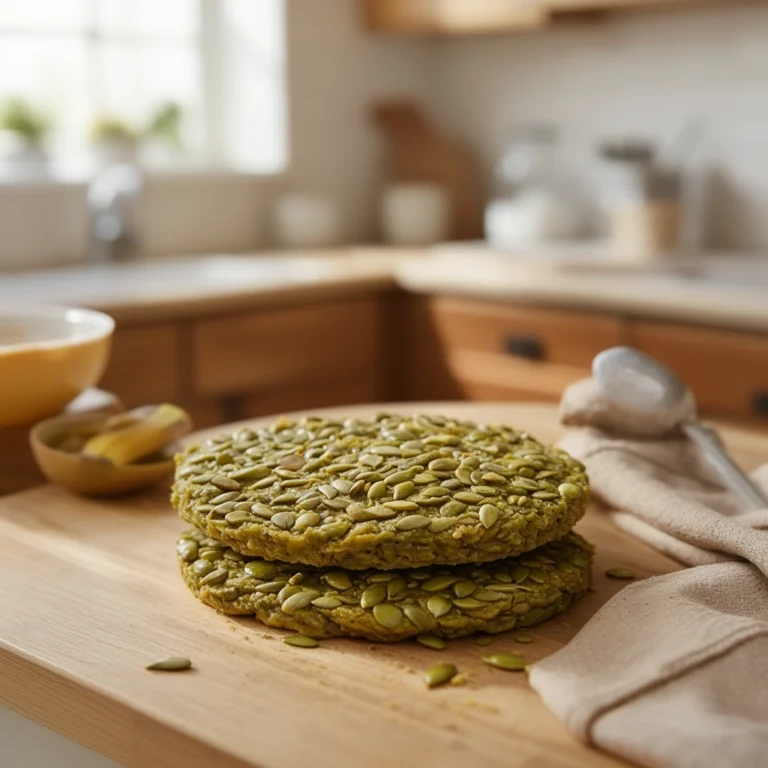
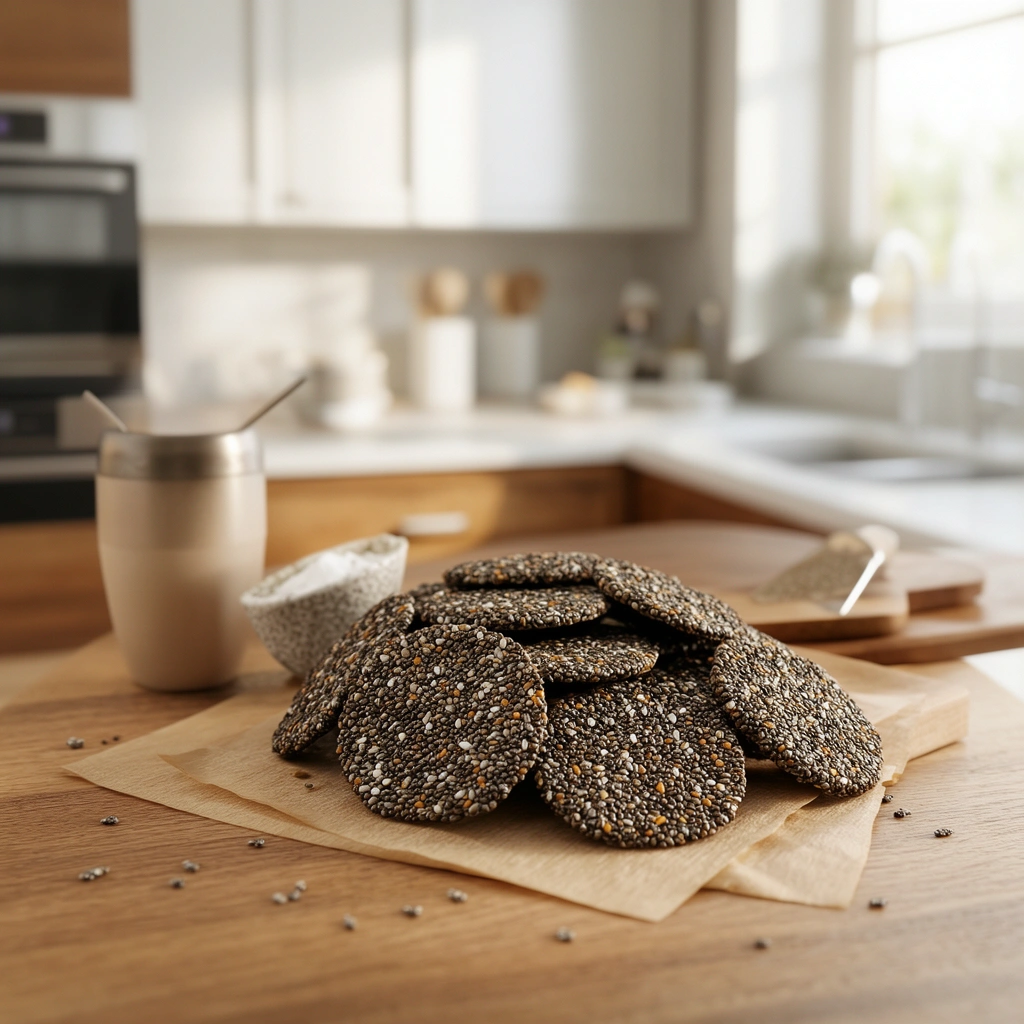
Chia seed dog treats are homemade snacks that use chia seeds as a key ingredient, either mixed into dough, sprinkled on top, or used as a binding agent thanks to their gel-like texture when soaked. Unlike regular dog biscuits, these treats often skip processed fillers and lean into natural, nutrient-dense ingredients.
Chia seeds themselves come from the Salvia hispanica plant. They’re tiny, black or white, and absorb liquid to form a gel. That gel-forming quality makes them handy for baking since they can replace eggs in some recipes, which is a nice bonus if your dog has an egg sensitivity.
Here’s a quick breakdown of terms you’ll run into throughout this guide:
Chia gel
: The thick, jelly-like substance formed when chia seeds soak in water or broth for about 10-15 minutes.
Binder
: An ingredient that holds a dough or batter together, helping shape treats without crumbling.
Omega-3 fatty acids
: Healthy fats found in chia seeds that support skin, coat, and joint health in dogs.
Fiber content
: The indigestible part of plant food that aids digestion; chia seeds are loaded with it.
Antioxidants
: Compounds that help fight cellular damage; chia seeds contain a decent amount naturally.
Why Chia Seeds Are Actually Good for Dogs
I won’t just tell you these seeds are “healthy” without explaining why. Chia seeds carry a solid nutritional profile that benefits dogs in several ways.
- Rich in Omega-3s: These support healthy skin and a shiny coat, plus they help reduce inflammation in joints.
- High fiber content: Great for digestive regularity, though too much can cause loose stools (more on that later).
- Protein boost: Chia seeds contain complete protein, meaning they have all essential amino acids.
- Calcium and magnesium: Supports bone strength, especially helpful for senior dogs or larger breeds.
- Low glycemic impact: Won’t spike blood sugar the way some starchy treats do.
That said, chia seeds aren’t a magic cure-all. They’re a nutritional booster, not a replacement for balanced dog food. Think of these treats as a healthy extra, not the main course.
Step-by-Step: Making Chia Seed Dog Treats
Alright, let’s get into the actual process. I’ll walk you through a basic recipe first, then touch on variations later.
Ingredients You’ll Need
- 1 cup rolled oats (ground into flour, or use oat flour directly)
- 1/4 cup chia seeds
- 1/2 cup pumpkin puree (unsweetened, plain)
- 1 egg (or a flax egg substitute if avoiding eggs)
- 1/4 cup water
- Optional: 1 tablespoon peanut butter (unsweetened, xylitol-free)
Preparation Steps
- Preheat your oven to 350°F (175°C) and line a baking sheet with parchment paper.
- Soak the chia seeds in the water for about 10 minutes until they form a gel-like texture.
- Mix wet ingredients together in a bowl: pumpkin puree, egg, and peanut butter if using.
- Combine dry ingredients separately, then slowly fold the oat flour into the wet mixture.
- Add the chia gel to the combined mixture, stirring until you get a thick, workable dough.
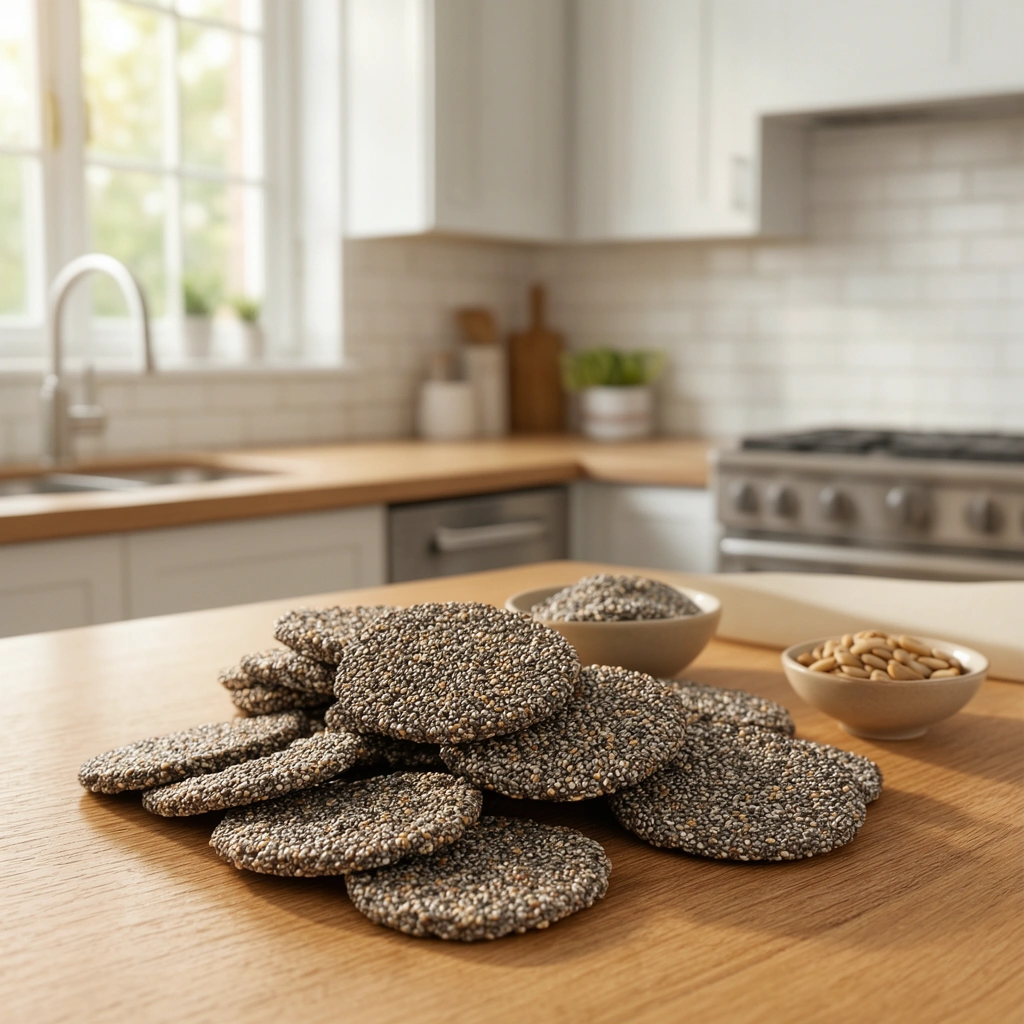
- Roll out the dough on a flat surface to about 1/4 inch thickness.
- Cut into shapes using a cookie cutter, or just slice into small squares if you’re short on time.
- Bake for 20-25 minutes, flipping halfway through for even crisping.
- Cool completely on a wire rack before serving or storing.
That’s really it. The whole process takes under an hour, most of which is just baking time while you do other stuff.
Tips for Success
I learned a few things the hard way, so let me save you some trial and error.
- Don’t skip the soaking step. Dry chia seeds can absorb moisture in your dog’s stomach, which isn’t ideal. Always let them gel first.
- Watch your ratios. Too many chia seeds relative to other ingredients makes the dough gummy and hard to shape.
- Use unsweetened pumpkin puree only. Pumpkin pie filling has spices and sugar that dogs shouldn’t have.
- Store treats properly. Keep them in an airtight container in the fridge for up to a week, or freeze for longer storage (up to three months).
- Start with small portions. If it’s your dog’s first time trying chia seeds, offer a tiny piece and watch for any digestive upset before giving more.
- Customize for allergies. Swap oat flour for rice flour if your dog has grain sensitivities, though oats are generally considered safe.
Common Mistakes and How to Avoid Them
Even simple recipes have pitfalls. Here’s what tends to trip people up.
Mistake: Using too much chia seed
: This creates an overly dense, gel-like texture that dogs might find unappealing or hard to digest. Stick to the recommended amount—roughly 1 tablespoon per cup of other dry ingredients is a safe ratio.
Mistake: Skipping the pre-soak
: Dry seeds expand once they hit moisture, which can happen inside your dog’s digestive tract if they’re not soaked beforehand. Always hydrate them first.
Mistake: Adding sweeteners or salt
: Many human recipes call for sugar or salt to enhance flavor, but dogs don’t need either. Some sweeteners, like xylitol, are downright toxic.
Mistake: Overbaking
: This dries treats out completely, making them rock-hard. Check at the 20-minute mark and adjust based on your oven’s quirks.
Mistake: Ignoring portion control
: Even healthy treats add calories. Chia seed treats should make up no more than 10% of your dog’s daily caloric intake, following general treat guidelines vets recommend.
Variations Worth Trying
Once you’ve nailed the basic recipe, branching out is half the fun. Here are some variations I’ve tested personally.
- Peanut butter banana chia treats: Swap pumpkin for mashed banana and add extra peanut butter for a sweeter flavor profile dogs go nuts for.
- Chicken broth chia biscuits: Replace water with low-sodium chicken broth when soaking chia seeds, giving treats a savory kick.
- Blueberry chia bites: Fold in mashed blueberries for added antioxidants and a slightly tart flavor.
- Frozen chia yogurt drops: Mix chia gel with plain dog-safe yogurt, spoon into small molds, and freeze for a cooling summer treat.
- Sweet potato chia chews: Use mashed sweet potato instead of pumpkin for a slightly different texture and nutrient boost, including extra vitamin A.
- No-bake chia energy bites: Combine chia gel, oat flour, and a touch of coconut oil, then roll into small balls without baking—perfect for hot days when you don’t want to turn on the oven.
How Often Should Dogs Eat Chia Seed Treats?
This is something a lot of guides skip entirely, and it matters. Chia seeds, while beneficial, shouldn’t be an everyday, unlimited snack. I generally recommend:
- Small dogs (under 20 lbs): 1/2 to 1 treat per day
- Medium dogs (20-50 lbs): 1-2 treats per day
- Large dogs (50+ lbs): 2-3 treats per day
These are rough guidelines, and every dog’s tolerance differs. Dogs with sensitive stomachs might need to start with even smaller amounts. If you notice any digestive changes, cut back or pause entirely and consult your vet.
Are There Any Risks or Side Effects?
I think it’s important to be upfront here since not every article mentions this. Chia seeds are generally safe, but a few things deserve caution.
- Choking hazard for dry seeds: Always soak before serving; never give dry seeds loose.
- Digestive upset: Too much fiber too fast can cause gas or loose stools. Introduce gradually.
- Interaction with medications: Chia seeds can lower blood pressure and blood sugar slightly, so dogs on related medications should get a vet’s okay first.
- Allergic reactions: Rare, but possible. Watch for itching, swelling, or unusual behavior after first exposure.
None of this means you should avoid chia seeds altogether. It just means moderation and observation go a long way.
Wrapping It Up
Making chia seed dog treats at home gives you full control over what goes into your dog’s snacks, and honestly, it’s easier than most people expect. From the omega-3 boost to the fiber content that keeps digestion running smoothly, these treats offer real nutritional value beyond just being tasty. Just remember the basics: soak your seeds, watch your portions, and skip anything with added sugar or salt.
Whether you stick with the classic pumpkin recipe or branch into peanut butter banana territory, your dog probably won’t complain either way. Give chia seed dog treats a try this week, and keep an eye on how your pup responds. Chances are, you’ll have a new favorite recipe in your rotation before long.