Homemade Dog Food For Small Senior Dogs: A Complete Guide To Keeping Your Old Pup Thriving
Ever watched your little senior dog struggle to get excited about mealtime? I have. My own dog used to bounce around the kitchen at the sound of a bag crinkling. Now she just sniffs and walks away sometimes. That’s when I knew something had to change. Homemade dog food for small senior dogs isn’t just a trend—it’s often the missing piece that brings the spark back into an aging pup’s life.
Small senior dogs have unique needs. Their kidneys work harder. Their teeth might be weaker. Their joints creak a little more than they used to. Store-bought kibble, even the “senior” labeled stuff, often falls short because it’s mass-produced and loaded with fillers. When I started cooking for my own aging dog, I noticed her energy pick up within weeks. Her coat got shinier too.
This guide walks you through everything—from picking the right ingredients to avoiding rookie mistakes that could actually harm your dog instead of helping her.
Why Small Senior Dogs Need Special Attention
Small breeds age differently than big dogs. A Chihuahua or Yorkie might be considered “senior” around age 10, while a Great Dane hits that mark by age 6. But small senior dogs face their own set of challenges:
- Slower metabolism means they need fewer calories but more nutrient density
- Dental issues make chewing tough food painful
- Kidney function often declines, requiring lower phosphorus intake
- Joint problems like arthritis become common
- Digestive systems get more sensitive with age
I learned this the hard way. I once fed my senior dog a recipe meant for younger, larger dogs. She got an upset stomach for days. Lesson learned—recipes need tailoring, not guessing.
The Homemade Meal I’m Sharing With You
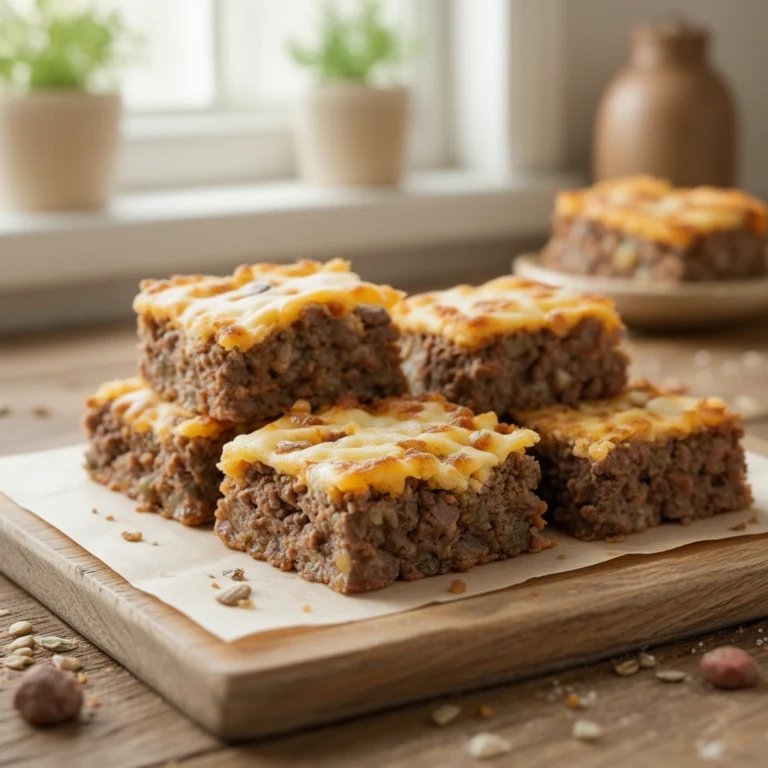
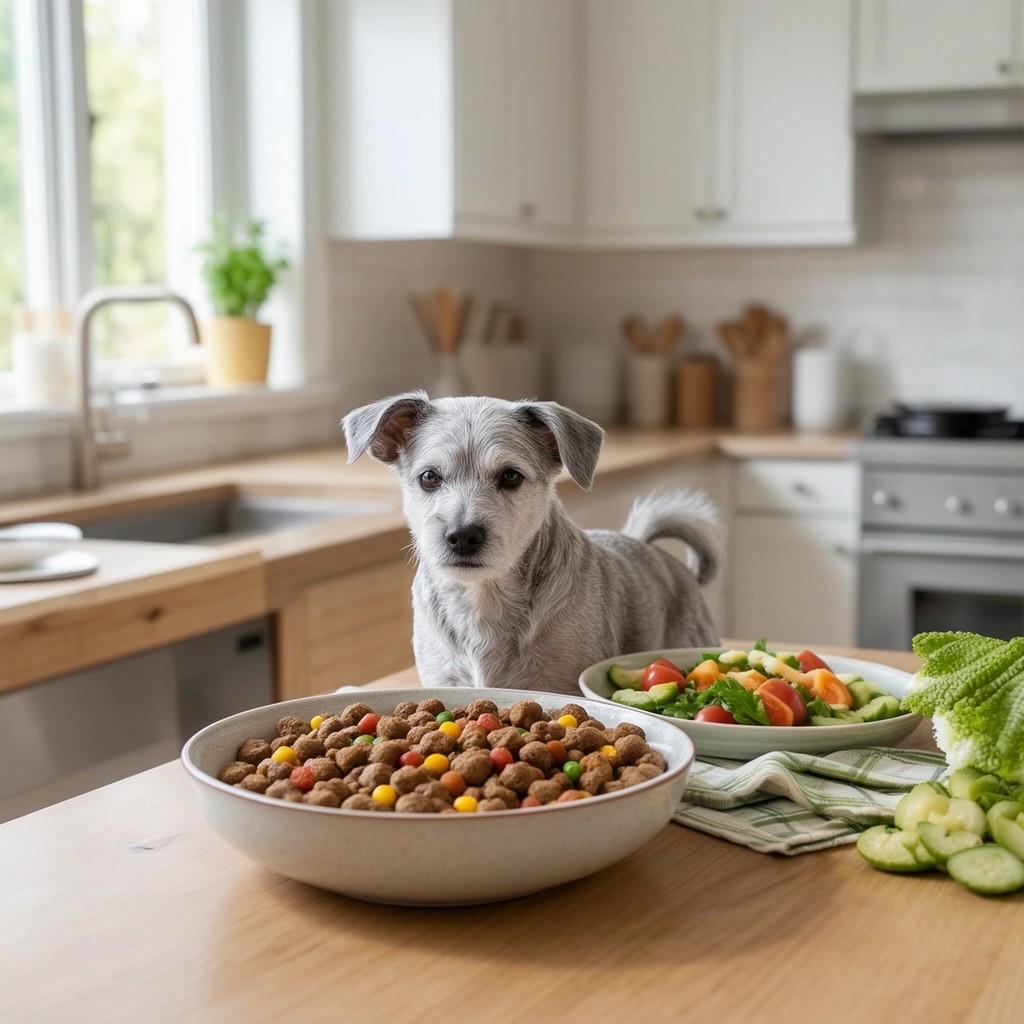
I want to introduce you to a recipe I’ve refined over the past two years. It’s gentle on aging tummies, soft enough for weak teeth, and packed with nutrients that support joints and kidneys. This isn’t some fancy chef creation—it’s simple, practical, and something you can whip up in your own kitchen without special equipment.
The base uses lean protein, easily digestible carbs, and a few senior-specific add-ins that most articles online tend to skip over entirely.
Key Terms You Should Know
Before jumping into the recipe, let’s clear up some terms you’ll see throughout this guide.
Lean Protein
: Meat sources low in fat, like chicken breast or turkey, that support muscle mass without adding excess calories.
Complex Carbohydrate
: Slow-digesting carbs such as sweet potato or brown rice that provide steady energy without spiking blood sugar.
Omega-3 Fatty Acids
: Healthy fats found in fish oil or flaxseed that reduce joint inflammation and support brain health.
Phosphorus Control
: Limiting high-phosphorus ingredients (like organ meats) to protect aging kidneys from added stress.
Bioavailability
: How easily a dog’s body can absorb and use nutrients from a specific food source.
What You’ll Need
Here’s what goes into this senior-friendly recipe. I chose each ingredient with a purpose—nothing here is filler.
- 1 pound lean ground turkey or chicken (skinless)
- 1 cup sweet potato, peeled and diced
- 1/2 cup carrots, finely chopped
- 1/2 cup green beans, chopped
- 1/4 cup pumpkin puree (plain, no additives)
- 2 tablespoons fish oil or ground flaxseed
- 1 egg (cooked, for extra protein)
- 1/2 teaspoon turmeric (anti-inflammatory support)
- Water as needed for consistency
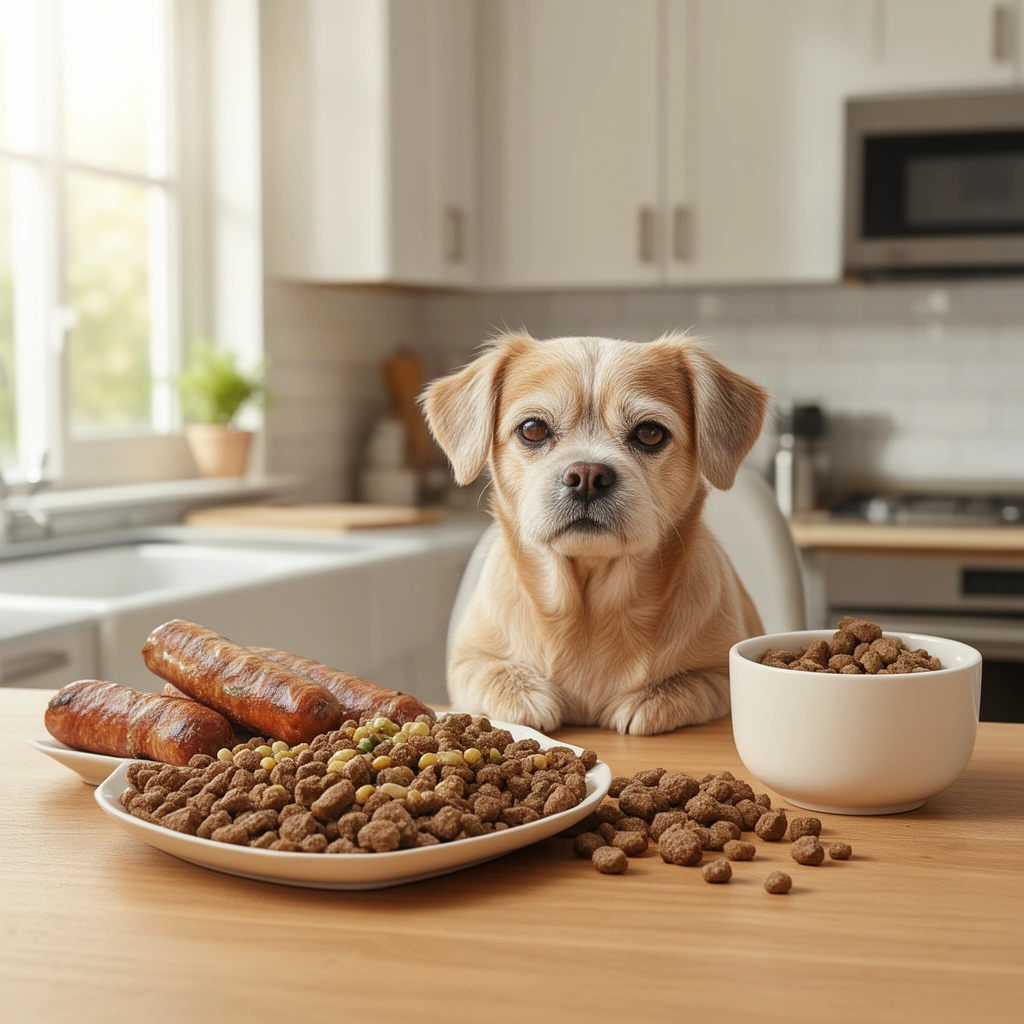
Notice there’s no salt, no onion, no garlic. These are common kitchen staples that are actually toxic or harmful to dogs. I’ll talk more about that later in the mistakes section.
Step-By-Step Cooking Process
Cooking for your dog doesn’t need to be complicated. Here’s exactly how I do it every single time.
- Boil the sweet potato, carrots, and green beans together in a pot until soft, roughly 15 minutes.
- While the veggies cook, brown the ground turkey or chicken in a separate pan over medium heat. No oil needed since you want it lean.
- Once the meat is fully cooked, drain any excess fat and set aside.
- Mash the boiled vegetables slightly, leaving some texture since senior dogs still benefit from a bit of chew if their teeth allow it.
- Combine the meat and vegetables in a large mixing bowl.
- Add the pumpkin puree, fish oil or flaxseed, and turmeric. Mix thoroughly.
- Stir in the cooked, chopped egg for added protein.
- Add water gradually until you reach a soft, stew-like consistency—especially important if your dog has dental issues.
- Let the mixture cool completely before serving.
- Portion into containers and refrigerate what you’ll use within 3 days. Freeze the rest in small batches.
That’s it. No fancy tools, no complicated techniques. Just real food made with real care.
Tips For Success
Making homemade food work long-term takes a bit of strategy. Here’s what’s helped me stay consistent.
- Always consult your vet before switching your senior dog to a homemade diet, especially if she has existing health conditions
- Introduce new food gradually over 7 to 10 days to avoid digestive upset
- Use a kitchen scale to measure portions accurately based on your dog’s weight
- Rotate protein sources occasionally to prevent nutrient gaps and keep meals interesting
- Add a calcium supplement if you’re not including bone meal or eggshell powder, since homemade diets often lack proper calcium levels
- Keep meals slightly warm (not hot) before serving—senior dogs often respond better to food that smells more appealing
Common Mistakes And How To Avoid Them
I’ve made my fair share of blunders cooking for my senior dog. Let me save you the trouble.
Mistake: Skipping the vet consultation
: Solution: Always get bloodwork done first. Kidney and liver function tests reveal what your dog’s diet actually needs.
Mistake: Adding onion or garlic for flavor
: Solution: Stick to dog-safe herbs like parsley or turmeric instead. Onion and garlic damage red blood cells in dogs.
Mistake: Not balancing calcium and phosphorus
: Solution: Add a vet-approved calcium supplement or use crushed eggshell powder to balance the ratio properly.
Mistake: Making portions too large
: Solution: Small senior dogs need fewer calories than younger dogs. Overfeeding leads to obesity, which worsens joint pain.
Mistake: Freezing food for too long
: Solution: Don’t store homemade dog food longer than 2 to 3 months in the freezer. Nutrient quality drops over time.
Mistake: Ignoring texture needs
: Solution: If your dog has dental problems, always serve food softer or slightly mashed instead of chunky.
Variations You Can Try
Once you’ve got the base recipe down, feel free to switch things up. Variety keeps your senior dog interested and covers a broader range of nutrients.
- Fish-Based Recipe: Swap turkey for salmon or white fish, packed with omega-3s for joint and brain health
- Beef and Barley Blend: Use lean ground beef with barley instead of sweet potato for dogs needing extra iron
- Low-Fat Chicken and Rice: A gentler option for dogs with sensitive stomachs or pancreatitis history
- Kidney-Support Recipe: Lower the protein slightly and increase complex carbs for dogs with diagnosed kidney disease
- Joint-Support Boost: Add a pinch of ground ginger along with turmeric for extra anti-inflammatory power
Each variation still follows the same basic cooking method. You’re just swapping ingredients based on your dog’s specific health picture.
Wrapping It All Up
Cooking homemade dog food for small senior dogs isn’t about perfection—it’s about paying attention. Watching how your dog responds. Adjusting when needed. Talking to your vet along the way.
I started this journey because I wanted my aging dog to feel good again, not just get by. And honestly? Watching her enjoy mealtime again made every bit of chopping and cooking worth it. If you’re ready to give your senior pup better food, better energy, and maybe even a few more tail wags, homemade dog food for small senior dogs might just be the answer you’ve been looking for.