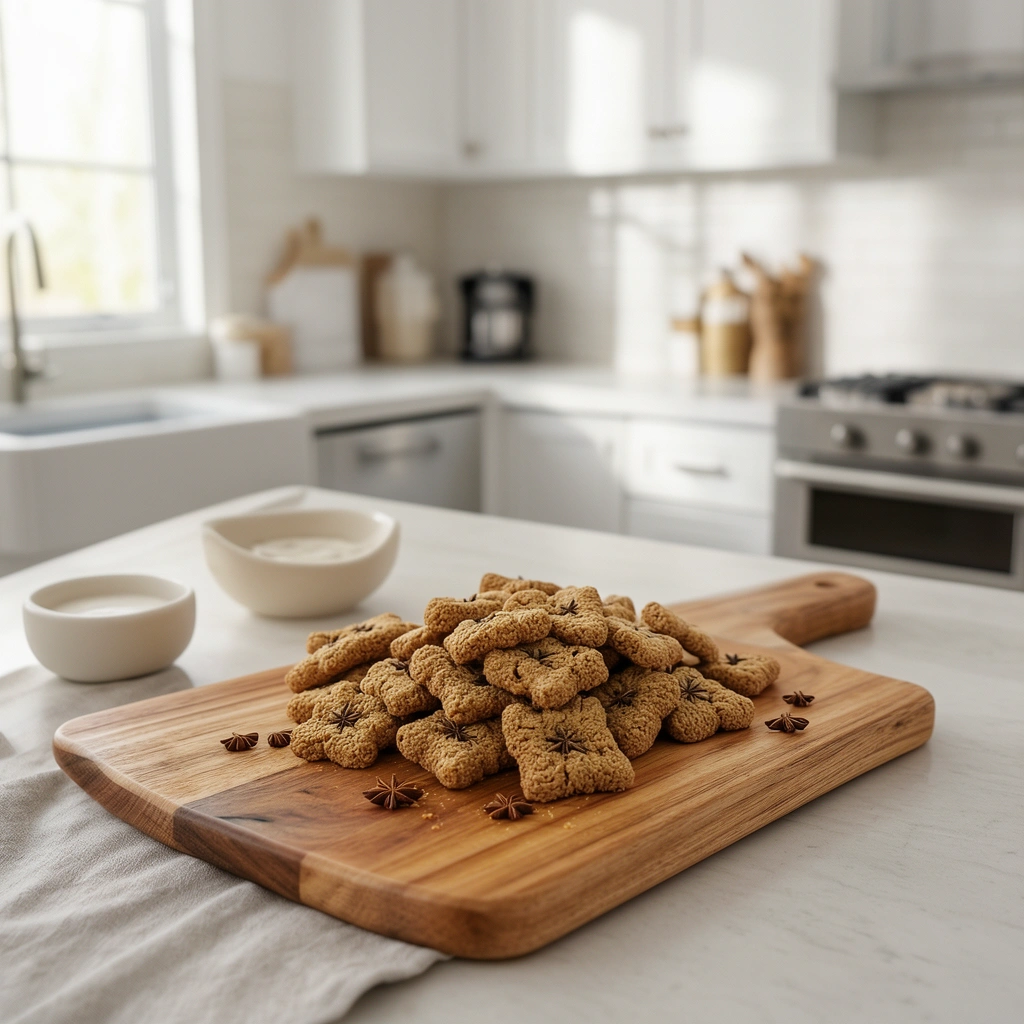
Anise Dog Treats: A Simple Recipe Your Pup Will Beg For
Ever caught your dog sniffing around the spice cabinet like it’s buried treasure? That’s probably the anise talking. Anise dog treats have become a favorite among pet parents who want something a little different from the usual peanut butter or pumpkin biscuits. This spice, often used in baking and even fishing lures, has a scent that dogs find almost irresistible. Today, I’ll walk you through everything you need to know about making anise dog treats at home, from the science behind why dogs go nuts for this spice to a foolproof recipe you can bake this weekend.
I’ve tested this recipe more times than I’d like to admit, tweaking ratios and baking times until I landed on something that actually works. So let’s get into it.
What Exactly Are Anise Dog Treats?
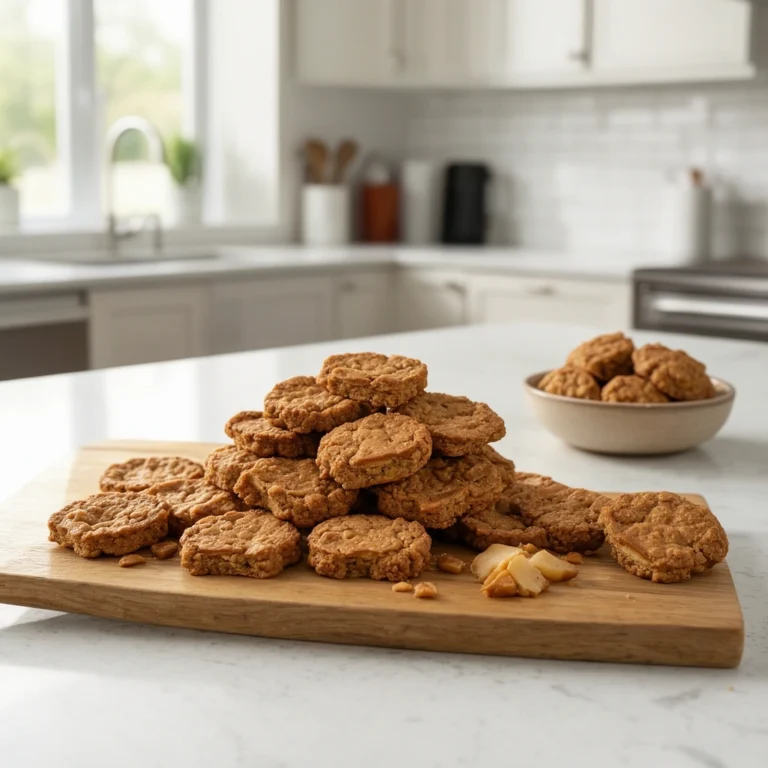
Before we start measuring flour, let’s clear up what we’re actually talking about here. Anise dog treats are baked biscuits or snacks made using anise seed or anise extract as the star flavoring ingredient. Dogs have an incredibly strong sense of smell, and anise has a licorice-like aroma that seems to trigger excitement in many breeds, particularly hunting dogs.
Here’s a quick breakdown of terms you’ll want to know before baking:
Anise Seed
: The dried fruit of the Pimpinella anisum plant, used whole or ground, offering a licorice-like flavor and scent.
Anise Extract
: A concentrated liquid form of anise flavor, often used in small amounts since it’s much stronger than the seed itself.
Star Anise
: A different plant entirely (Illicium verum), shaped like a star. This one is actually toxic to dogs and should never be confused with regular anise.
Anise Oil
: An essential oil sometimes used in dog training sprays or lures because of its strong scent appeal.
That last point about star anise is important, so I’ll repeat it later. Mixing up these two spices is one of the biggest mistakes people make.
Why Do Dogs Love Anise So Much?
I get asked this a lot. The honest answer? Nobody knows for certain, but there are theories. Anise contains compounds similar to those found in certain pheromones, which might explain why dogs react to it almost like they would to another animal’s scent trail. Hunters have used anise oil for decades to train scent hounds and lay false trails for tracking practice.
Beyond the fun factor, anise seed also offers a few potential health perks:
- May help freshen breath naturally
- Contains antioxidants that support overall wellness
- Sometimes used in small amounts to help settle upset stomachs
- Adds a flavor dogs enjoy without needing added sugar or salt
That said, anise should always be given in moderation. Too much of any spice, even a dog-safe one, can cause digestive upset.
Ingredients You’ll Need
Let’s get practical. Here’s what goes into a basic batch of anise dog treats.
Whole Wheat Flour
: Forms the base of the dough; you can substitute oat flour for dogs with wheat sensitivities.
Anise Seed (ground or whole)
: The star flavor; about 1 to 2 teaspoons per batch is plenty.
Egg
: Acts as a binder and adds protein.
Unsweetened Applesauce
: Adds moisture and natural sweetness without sugar.
Water
: Helps bring the dough together to the right consistency.
Olive Oil
: A small amount keeps the treats from drying out too much.
That’s it. No fancy ingredients, no trip to a specialty store required.
Step-by-Step: How to Make Anise Dog Treats
I promise this is easier than it sounds. Grab your mixing bowl and let’s go.
- Preheat your oven to 350°F (175°C) and line a baking sheet with parchment paper.
- Mix dry ingredients first. Combine 2 cups of flour with 1 to 2 teaspoons of ground anise seed in a large bowl.
- Add wet ingredients. Crack in one egg, then add ¼ cup of applesauce, 2 tablespoons of olive oil, and enough water (usually ¼ to ⅓ cup) to form a firm dough.
- Knead the dough on a lightly floured surface for about two minutes. It should feel similar to pie crust dough, not sticky, not crumbly.
- Roll it out to about ¼ inch thickness. Thinner treats bake crispier, which most dogs seem to prefer.
- Cut into shapes. Use a cookie cutter, or just slice into small squares if you’re short on time.
- Bake for 20 to 25 minutes, flipping halfway through for even crisping.
- Cool completely before serving or storing. This step matters more than people think, since warm treats can be too soft and won’t store well.
That’s the whole process. Start to finish, you’re looking at about 40 minutes including bake time.
Tips for Success
I’ve made plenty of batches that didn’t turn out right before I figured out what actually matters. Here’s what I’ve learned.
- Use ground anise seed instead of whole seed if your dog is a smaller breed. Whole seeds can be a choking risk for tiny mouths.
- Don’t overdo the anise. More isn’t better here. A little goes a long way because of how strong the scent and flavor are.
- Roll the dough evenly. Uneven thickness means some treats burn while others stay soft.
- Let treats cool on a wire rack, not directly on the baking sheet, so air can circulate underneath.
- Test a small piece with your dog before committing to a full batch, just to be safe with any new ingredient.
Common Mistakes and How to Avoid Them
Here’s where I see people mess up most often, myself included in the early days.
Confusing star anise with regular anise
: This is the big one. Star anise contains compounds that can be toxic to dogs in larger amounts. Always double-check your spice jar before baking.
Using anise extract instead of measuring carefully
: Extract is far more concentrated than seed. If a recipe calls for seed and you swap in extract without adjusting the amount, you’ll end up with treats that taste overpoweringly medicinal.
Skipping the cooling step
: Treats that go straight into a container while warm trap moisture, which leads to mold forming faster than you’d expect.
Overbaking to “make sure they’re done”
: This dries treats out completely and can make them rock hard. Stick to the time range and check for a light golden color instead.
Assuming all dogs will love it
: Some dogs are indifferent to anise, believe it or not. If your pup turns their nose up, don’t force it. Every dog has different preferences.
Variations You Can Try
Once you’ve got the base recipe down, there’s plenty of room to get creative.
- Anise and pumpkin treats – swap applesauce for pumpkin puree for a fall-inspired batch.
- Anise and peanut butter combo – add a tablespoon of unsweetened peanut butter for extra richness.
- Grain-free version – use almond flour or coconut flour instead of wheat flour for dogs with grain sensitivities.
- Soft chew version – reduce baking time and store in the fridge for a softer, chewier texture instead of a crunchy biscuit.
- Training treat size – cut the dough into tiny pea-sized pieces for quick training rewards that won’t fill your dog up too fast.
Each variation keeps the anise flavor front and center while letting you customize texture and added nutrition based on what your dog needs.
Wrapping Things Up
Making anise dog treats at home doesn’t require culinary school training or a pantry full of exotic ingredients. It just takes a little care, the right spice (regular anise, not star anise), and some patience while they bake. I’ve found that dogs who respond well to anise get genuinely excited during training sessions or just as a special weekend snack. Give this recipe a shot, watch your dog’s reaction, and adjust the variations to fit their taste. Homemade anise dog treats might just become your pup’s new favorite thing in the whole house.