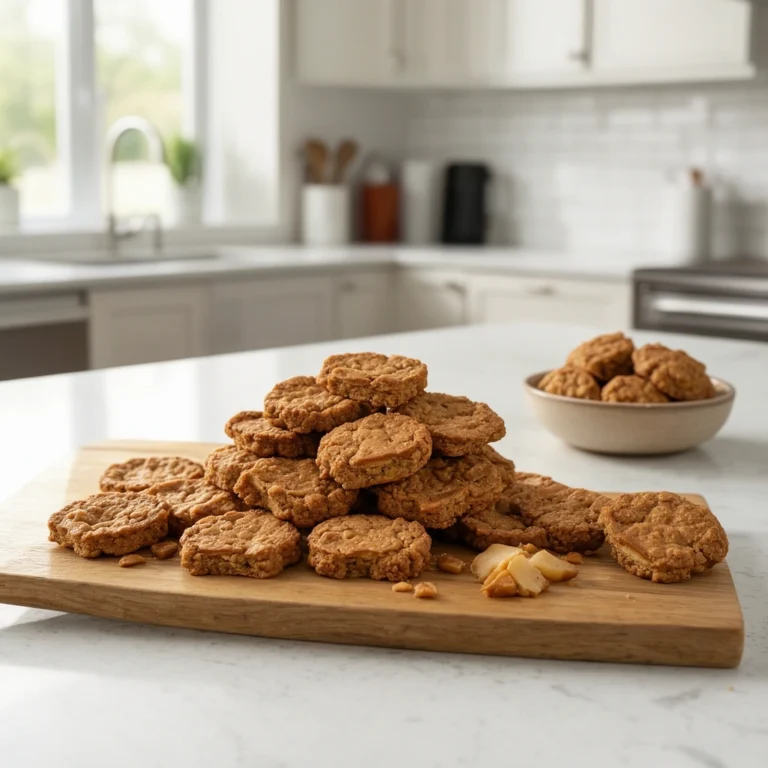
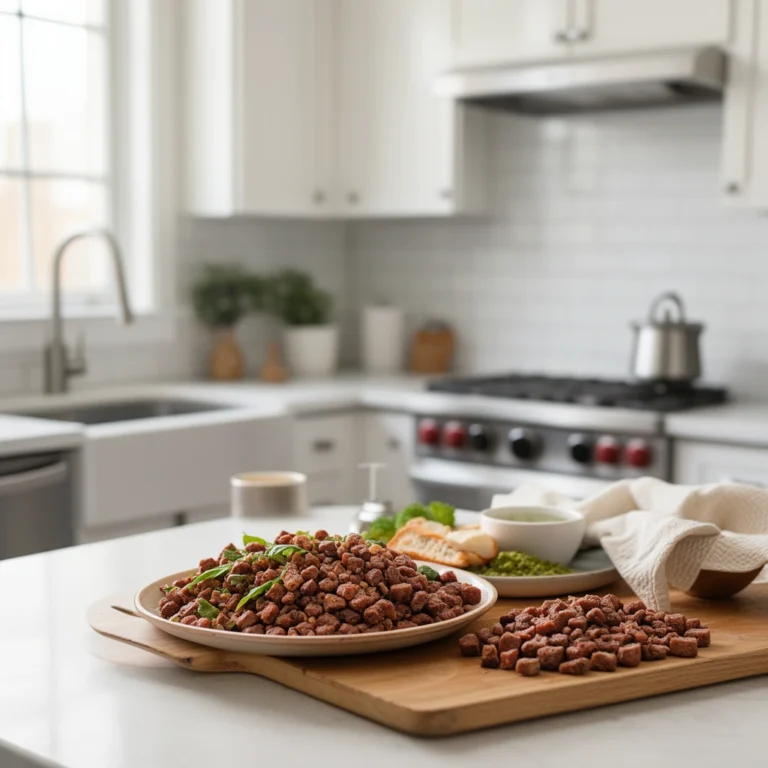
5 Hypoallergenic Dog Treat Recipes Your Itchy Pup Will Actually Love
Does your dog scratch, lick their paws, or get random rashes after snack time? You’re not alone. I’ve been down that road with my own pup, and let me tell you—finding safe, hypoallergenic dog treat recipes felt like searching for a needle in a haystack. That’s exactly why I put together this guide.
Food allergies in dogs are more common than most owners realize. Chicken, beef, dairy, wheat, and soy top the list of usual suspects. But here’s the good news: you don’t need fancy store-bought bags with confusing labels. You can whip up safe, tasty treats at home with just a handful of ingredients.
In this post, I’ll walk you through five hypoallergenic dog treat recipes, explain the key terms you need to know, show you exactly how to make each one, and share tips so your treats turn out perfect every single time.
What Makes a Treat “Hypoallergenic” Anyway?
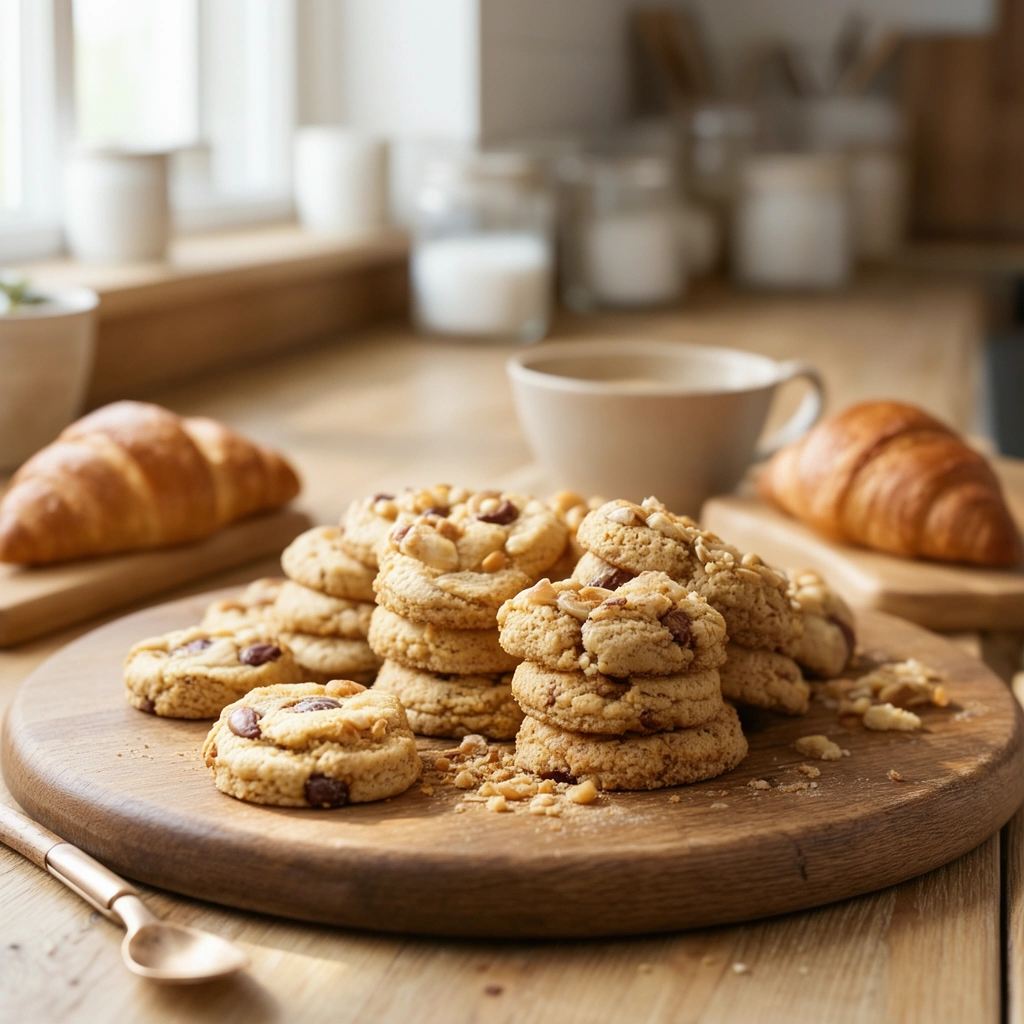
Before we jump into the recipes, let’s clear something up. The word “hypoallergenic” gets thrown around a lot, but it doesn’t mean allergy-proof. It means the treat has a lower chance of triggering a reaction because it avoids common allergens.
Common Dog Allergens — Ingredients that frequently cause itching, ear infections, or digestive upset in dogs. Chicken, beef, dairy, wheat, corn, and soy are the biggest offenders.
Novel Protein — A protein source your dog hasn’t eaten before, like duck, venison, or rabbit. Vets often recommend these for dogs with unknown allergies.
Limited Ingredient Diet (LID) — A feeding approach using very few ingredients so it’s easier to spot what’s causing a reaction.
Elimination Diet — A method where you remove suspected allergens one at a time to figure out exactly what’s bothering your dog.
Knowing these terms helps you shop smarter and understand why certain recipes swap out chicken for turkey, or wheat flour for oat flour. Now, let’s get into the treats.
Recipe 1: Pumpkin & Oat Digestive Bites

Pumpkin is a gift to dogs with sensitive tummies. It’s gentle, fiber-rich, and rarely causes allergic reactions.
Ingredients:
- 1 cup canned pumpkin (plain, no sugar added)
- 2 cups oat flour
- 1 egg (skip if your dog is egg-sensitive; use ¼ cup water instead)
- 1 tablespoon coconut oil
Steps:
- Preheat your oven to 350°F (175°C).
- Mix pumpkin, egg, and coconut oil in a bowl until smooth.
- Slowly add oat flour, stirring until you get a thick dough.
- Roll dough on a floured surface to about ¼ inch thickness.
- Cut into shapes using a cookie cutter or just a knife.
- Bake for 20-25 minutes until firm and lightly golden.
- Cool completely before serving.
Recipe 2: Duck & Sweet Potato Chews
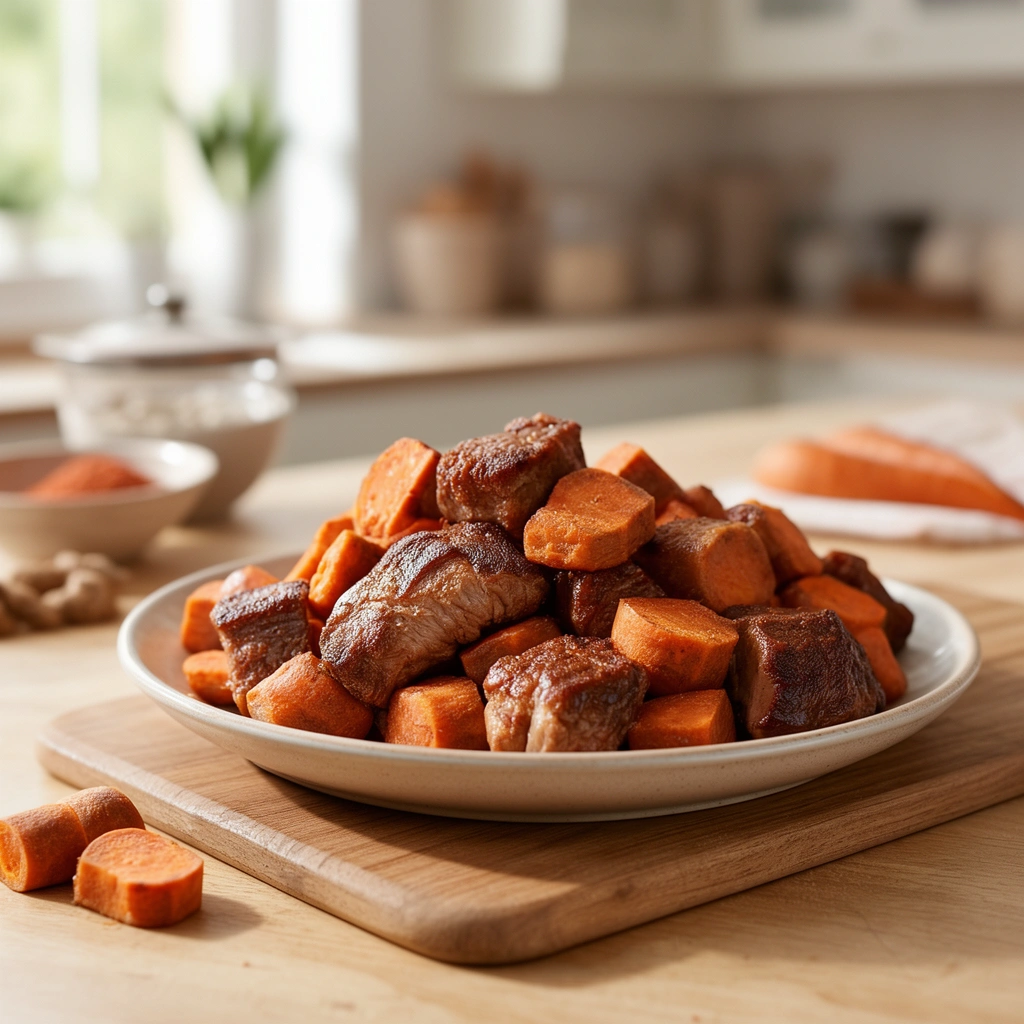
Since duck is a novel protein for most dogs, this recipe works great for pups with chicken or beef allergies.
Ingredients:
- 1 cup cooked, shredded duck (unseasoned)
- 1 cup mashed sweet potato
- 1 cup chickpea flour or oat flour
Steps:
- Preheat oven to 325°F (160°C).
- Combine duck and sweet potato in a bowl.
- Add flour gradually until dough holds together without being sticky.
- Roll into small balls or flatten into strips for chewy jerky-style treats.
- Place on a lined baking sheet.
- Bake for 30-35 minutes, flipping halfway through.
- Let cool fully—they’ll firm up more as they sit.
Recipe 3: Salmon & Green Pea Crisps
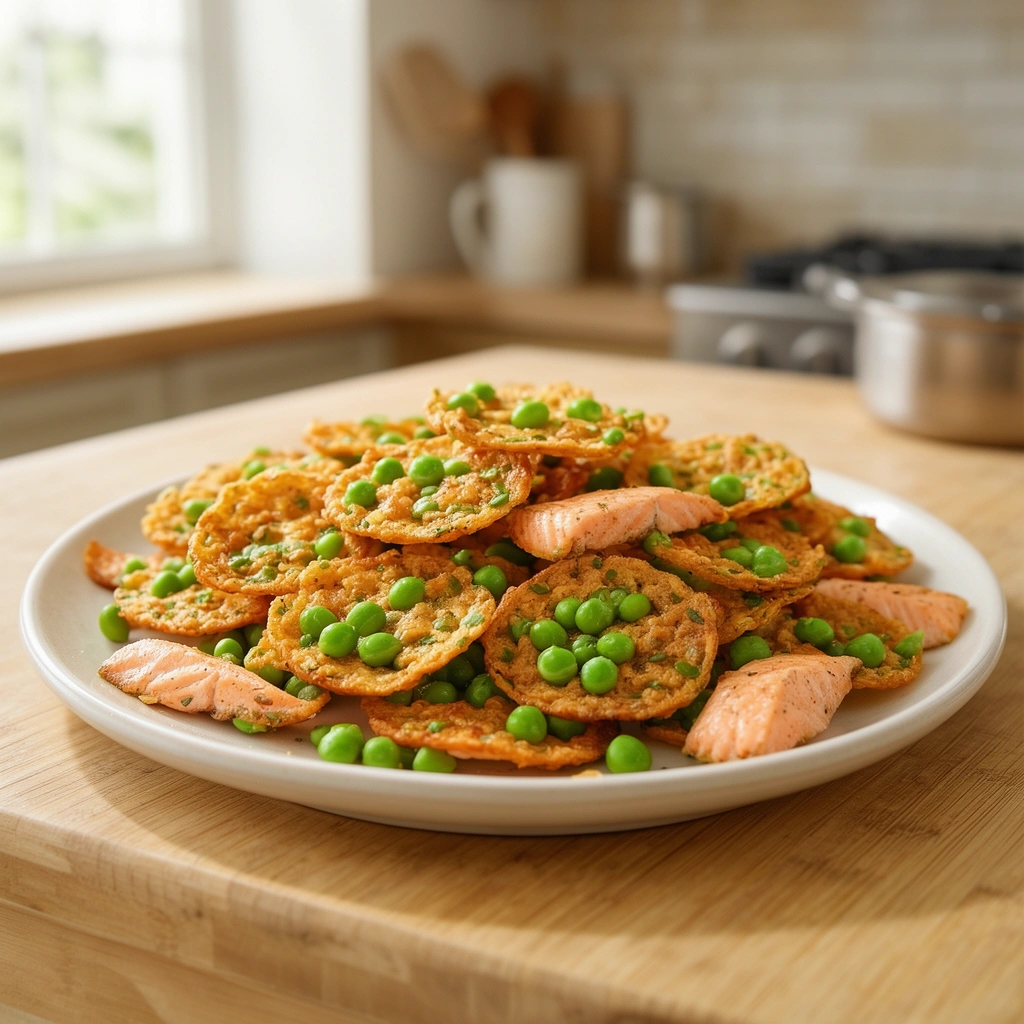
Fish-based treats are fantastic for dogs allergic to land-based proteins. Salmon also brings omega-3s, which help with itchy, flaky skin.
Ingredients:
- 1 can salmon (packed in water, drained)
- 1 cup mashed green peas
- 1 ½ cups rice flour
Steps:
- Preheat oven to 350°F (175°C).
- Mash salmon and peas together until well combined.
- Mix in rice flour a little at a time until dough forms.
- Spread dough thin on parchment paper, about ⅛ inch thick.
- Score into small squares with a knife.
- Bake for 15-18 minutes until crisp around edges.
- Cool and break apart along scored lines.
Recipe 4: Rabbit & Apple Training Treats
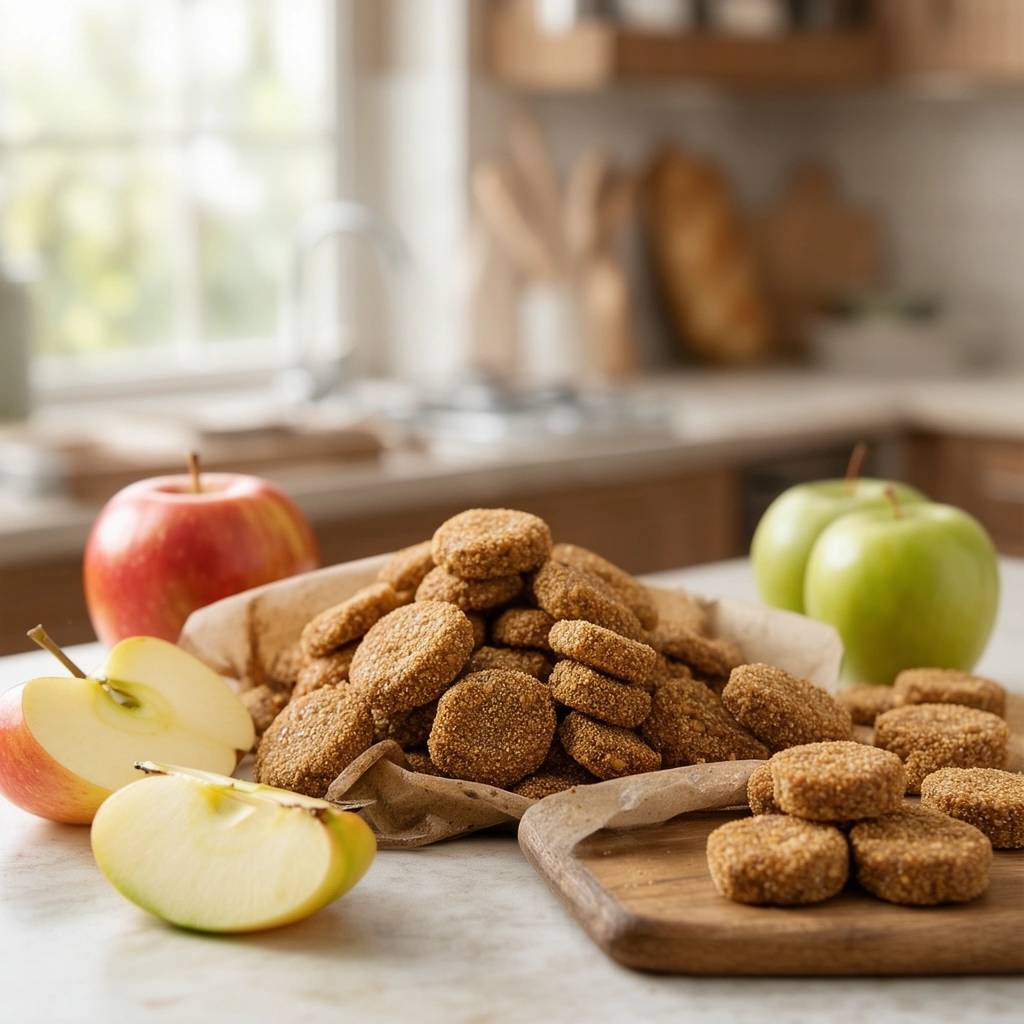
Rabbit is another excellent novel protein, and apples add natural sweetness without any refined sugar.
Ingredients:
- 1 cup cooked, ground rabbit
- ½ cup unsweetened applesauce
- 1 ½ cups tapioca flour
Steps:
- Preheat oven to 300°F (150°C).
- Blend rabbit and applesauce until it forms a paste.
- Stir in tapioca flour until dough is workable, not sticky.
- Roll dough into a long log, then slice into tiny coin-sized pieces (perfect for training).
- Bake for 40 minutes at low heat to keep them soft and chewy.
- Store in the fridge since these stay moist.
Recipe 5: Venison & Blueberry Bars
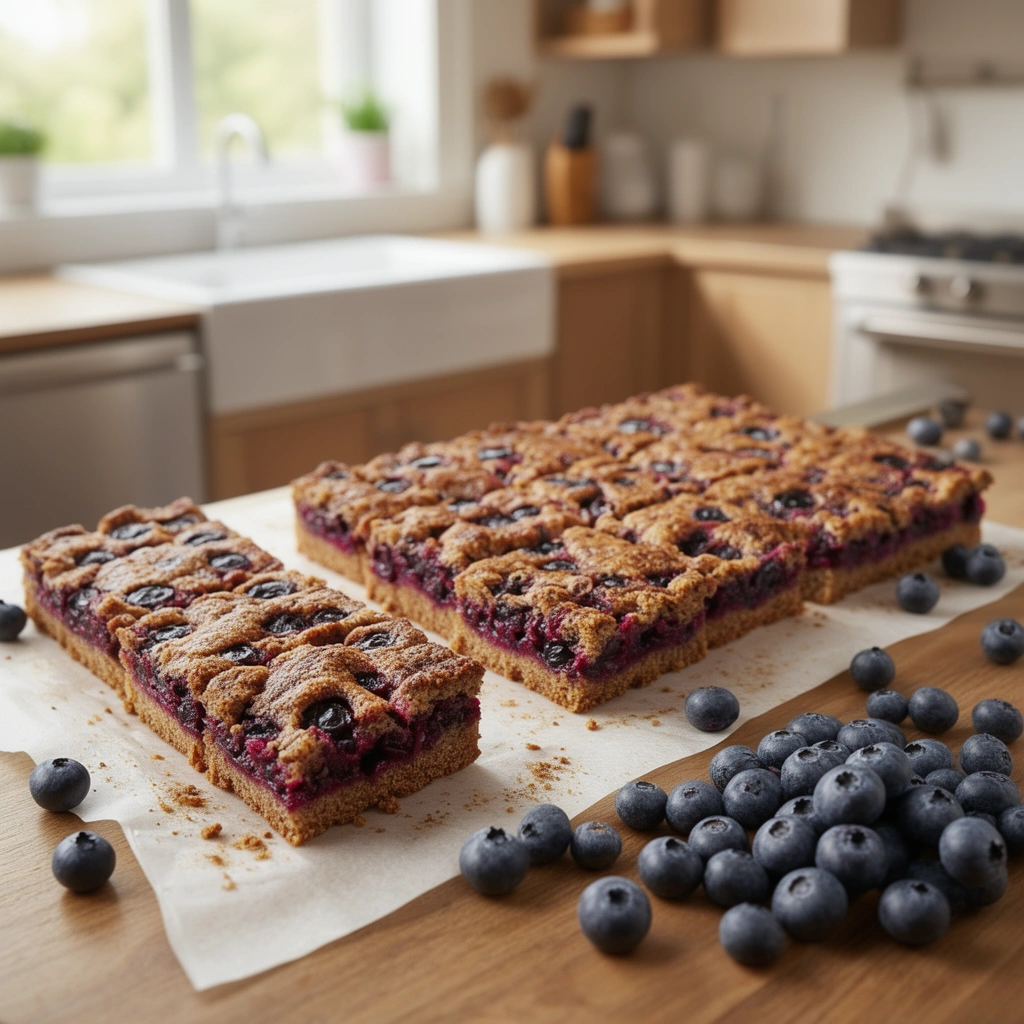
Venison rarely triggers allergies, and blueberries pack antioxidants that support your dog’s immune system.
Ingredients:
- 1 cup cooked ground venison
- ½ cup fresh or frozen blueberries (mashed)
- 2 cups quinoa flour
Steps:
- Preheat oven to 340°F (170°C).
- Mix venison and mashed blueberries in a bowl.
- Add quinoa flour slowly, kneading until dough forms.
- Press dough into a lined baking pan, about ½ inch thick.
- Bake for 30 minutes, then cut into bars while still warm.
- Cool on a wire rack before storing.
Tips for Success

Making treats at home sounds simple, but a few small habits make a big difference in quality and safety.
- Always cook meat plain—no salt, garlic, onion, or seasoning blends.
- Use a food scale for flour measurements; too much flour makes treats rock-hard.
- Test a tiny piece on your dog first, even with “safe” ingredients, since every dog is different.
- Label and date your treats before freezing, so you know what’s fresh.
- Keep treat sizes small. Even healthy snacks add up in calories fast.
- Introduce one new recipe at a time so you can track reactions properly.
Common Mistakes and How to Avoid Them
Even well-meaning dog owners slip up sometimes. Here’s what to watch for.
- Using flavored canned pumpkin or fish — Always check labels. Some canned goods have added spices, sugar, or oil that can upset sensitive stomachs.
- Skipping the cooling step — Treats continue to firm up as they cool. Serving them warm can lead to a gummy, undercooked texture.
- Overbaking to “make sure they’re done” — This dries treats out and can make them too hard for small dogs or seniors with weak teeth.
- Not rotating proteins — Feeding the same novel protein constantly can eventually turn it into a new allergen. Rotate between duck, rabbit, and venison every few weeks.
- Forgetting to check with your vet — If your dog has a diagnosed allergy, always confirm new ingredients before introducing them, even homemade ones.
Similar Variations You Can Try
Once you get comfortable with these five recipes, feel free to experiment. Here are some swaps and spins worth trying.
- Swap sweet potato for mashed carrots in the duck recipe for a different flavor profile.
- Use coconut flour instead of rice flour for a grain-free version of the salmon crisps.
- Add a pinch of turmeric to any recipe for its natural anti-inflammatory benefits.
- Turn any dough into frozen “pupsicles” by adding extra water and freezing in silicone molds—perfect for hot days.
- Make a soft version of any treat by reducing bake time by 5-10 minutes, great for puppies or dogs with dental issues.
Wrapping It Up
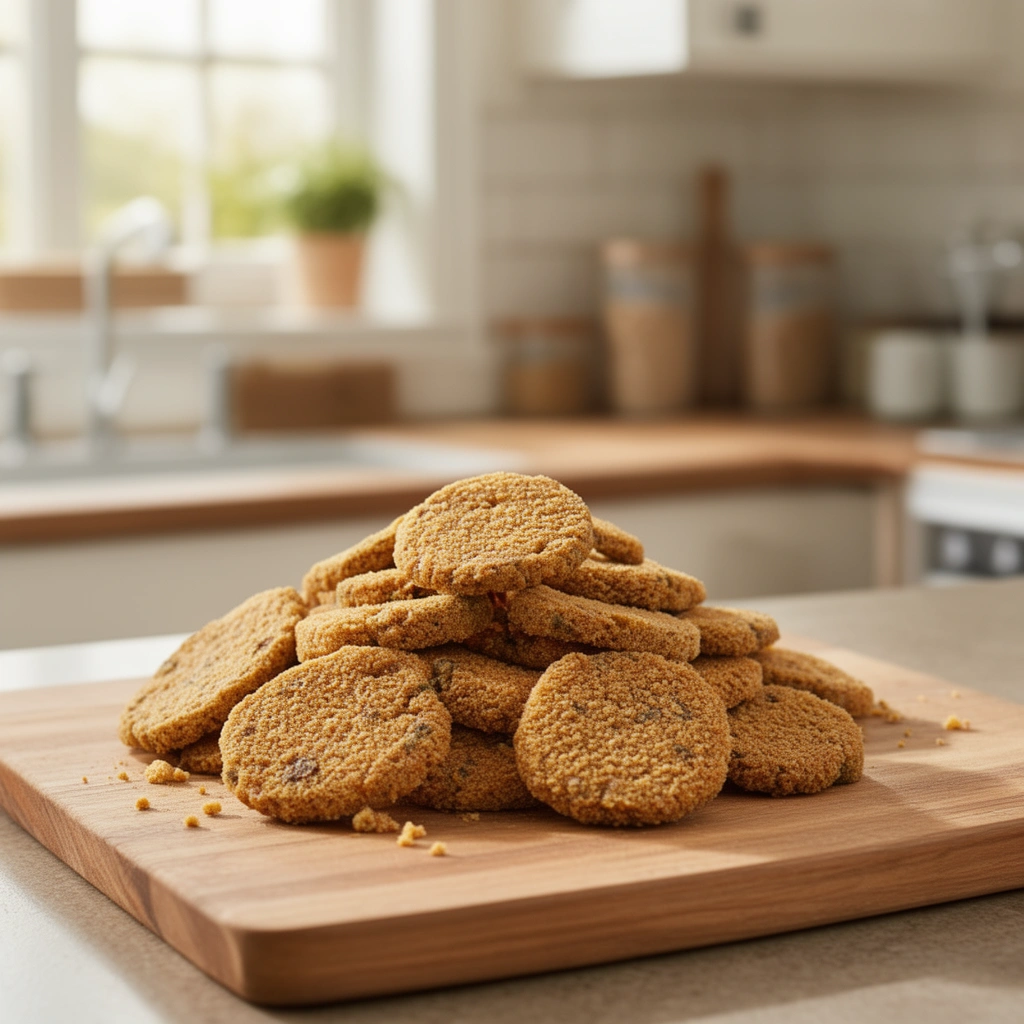
Homemade hypoallergenic dog treats give you full control over what goes into your dog’s bowl. No mystery ingredients, no guessing games—just simple, safe recipes made with love. Whether you go with pumpkin oat bites or venison blueberry bars, your dog gets a treat that’s tasty and gentle on their system.
Start with one recipe, watch how your pup reacts, and build from there. Before long, you’ll have a rotation of hypoallergenic dog treat recipes that keep tails wagging and itching at bay.