5 Low-Calorie Dog Treats for Weight Management (That Your Pup Will Actually Love)
Is your furry friend packing on a few extra pounds? You’re not alone. I’ve been there too, watching my dog’s waistline expand while feeling guilty every time I said no to those puppy eyes begging for treats.
Here’s the good news: low-calorie dog treats don’t have to mean boring or bland. In fact, some of the best weight management snacks are ones you can whip up right in your own kitchen. Today, I’m sharing five recipes that keep tails wagging without packing on unwanted pounds.
Let’s dig in.
Why Low-Calorie Treats Matter for Your Dog’s Health
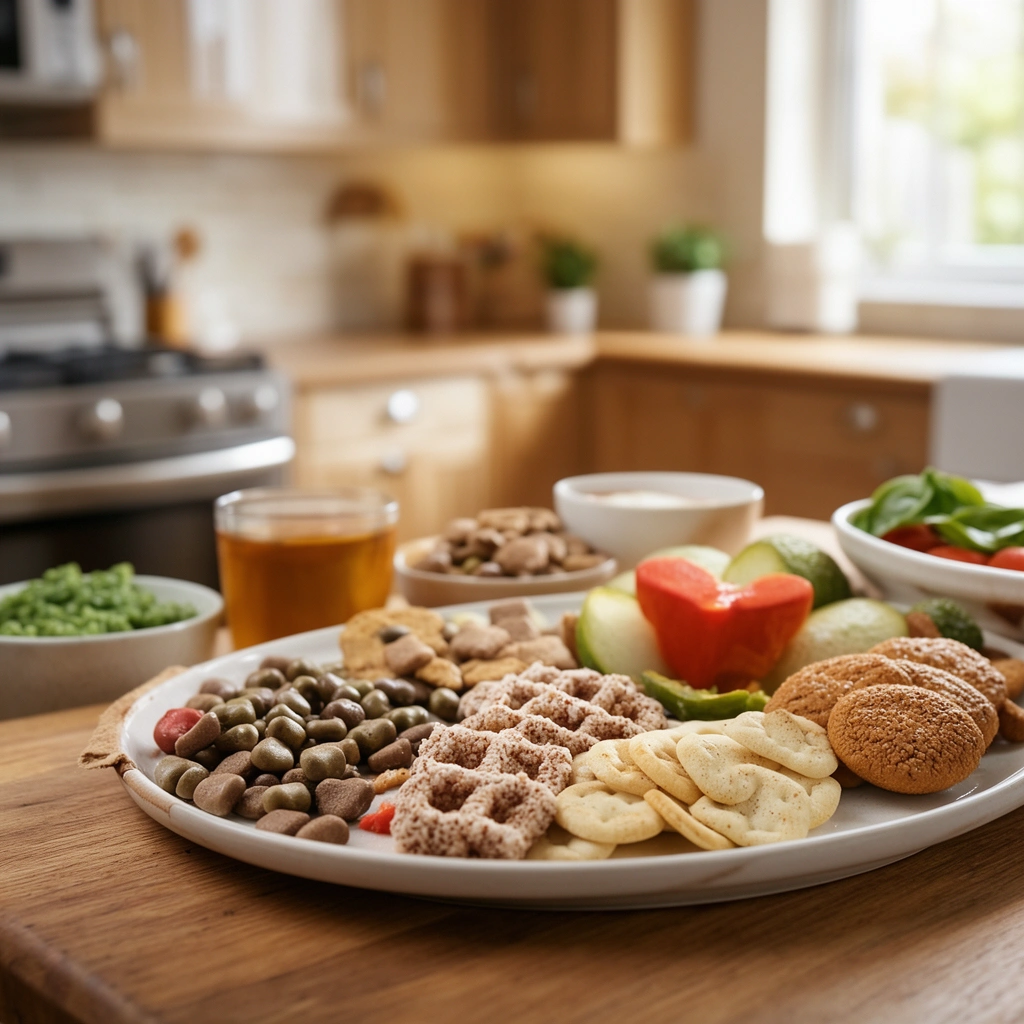
Before we jump into recipes, let’s talk about why this actually matters.
Obesity in dogs isn’t just about looks. Extra weight puts stress on joints, increases diabetes risk, and can shave years off your dog’s life. Vets often say that treats should make up no more than 10% of your dog’s daily caloric intake. Yet many store-bought treats blow past that limit in just one bite.
That’s where homemade, portion-controlled snacks come in handy. You control the ingredients. You control the calories. And you control how happy your dog feels during snack time.
Key Terms You Should Know
Caloric density
: The amount of energy (calories) packed into a specific amount of food. Lower caloric density means your dog can eat more volume without gaining weight.
Portion control
: Measuring exact treat amounts to prevent overfeeding, even with “healthy” snacks.
Macronutrients
: The three main nutrient groups—protein, fat, and carbohydrates—that make up your dog’s diet and affect calorie count.
Filler ingredients
: Low-nutrient additions (like excess grains) that bulk up treats without adding real nutritional value.
Now let’s get into the treats themselves.
Treat #1: Frozen Green Bean Bites
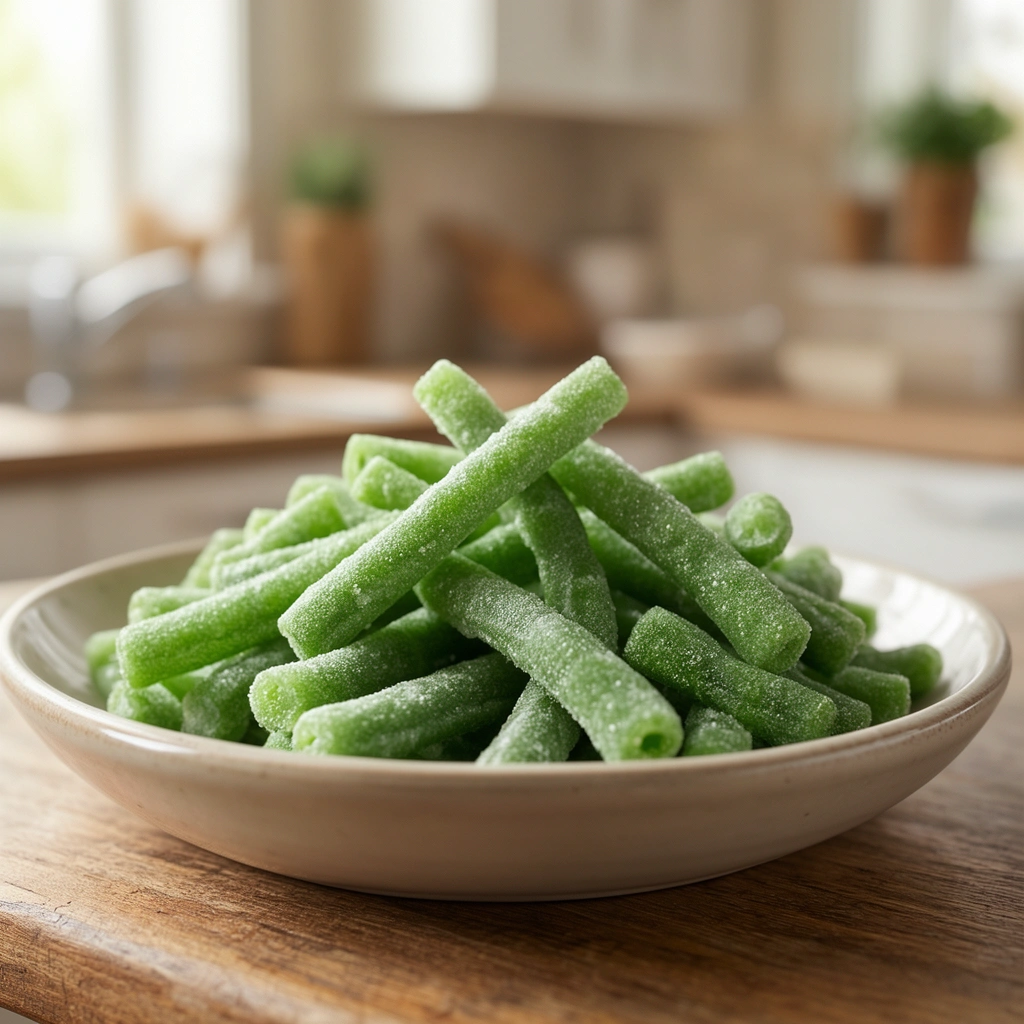
Green beans are a weight-loss superstar in the dog world. They’re crunchy, satisfying, and shockingly low in calories—about 31 calories per cup. Freezing them adds a fun texture dogs love, especially in warmer months.
Ingredients:
- 2 cups fresh green beans (trimmed)
- 1 cup water
- Pinch of parsley (optional, for freshness)
Steps:
- Steam the green beans for 3-4 minutes until slightly softened
- Let them cool completely
- Arrange beans in a single layer on a baking sheet lined with parchment paper
- Freeze for 2 hours until solid
- Transfer to a freezer-safe bag or container
- Serve one or two frozen beans as a crunchy snack
These work great for hot days or dogs who love a satisfying crunch without the calorie hit.
Treat #2: Pumpkin and Oat Mini Cookies
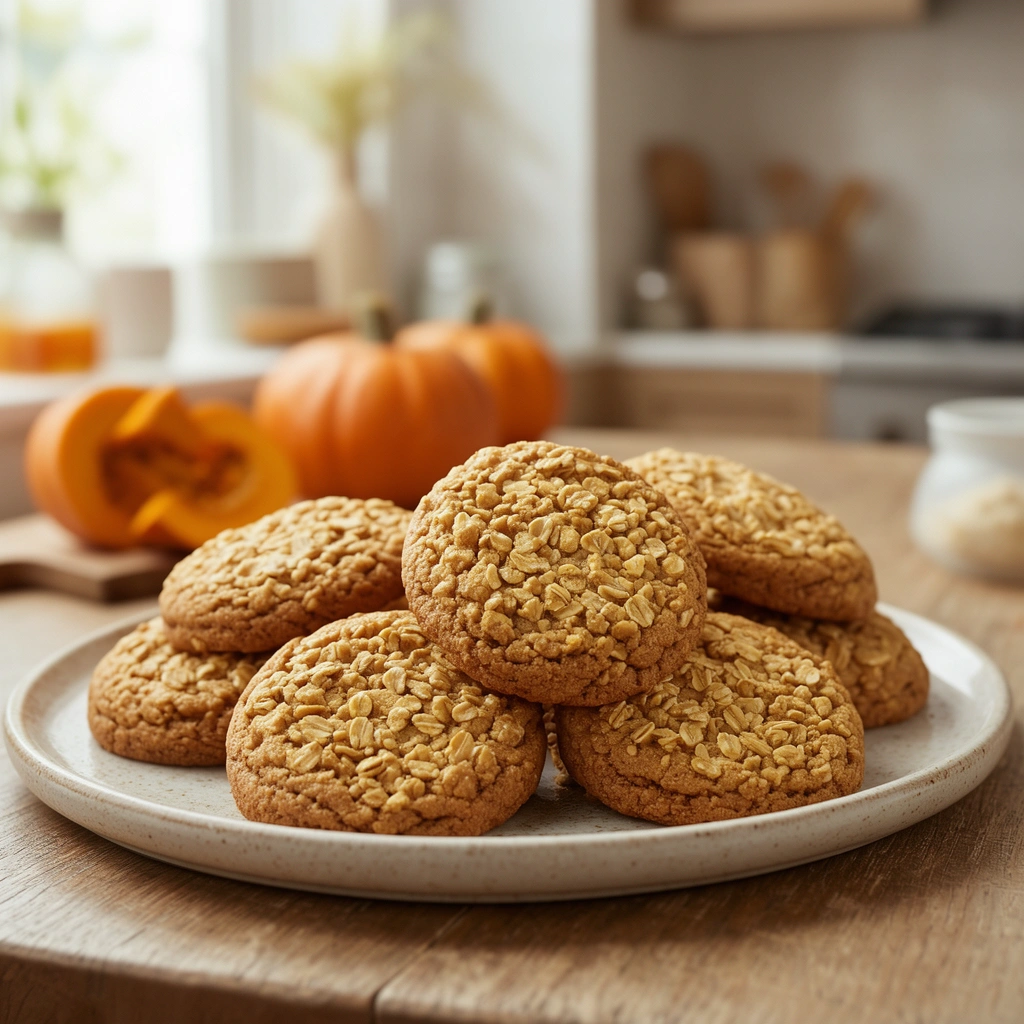
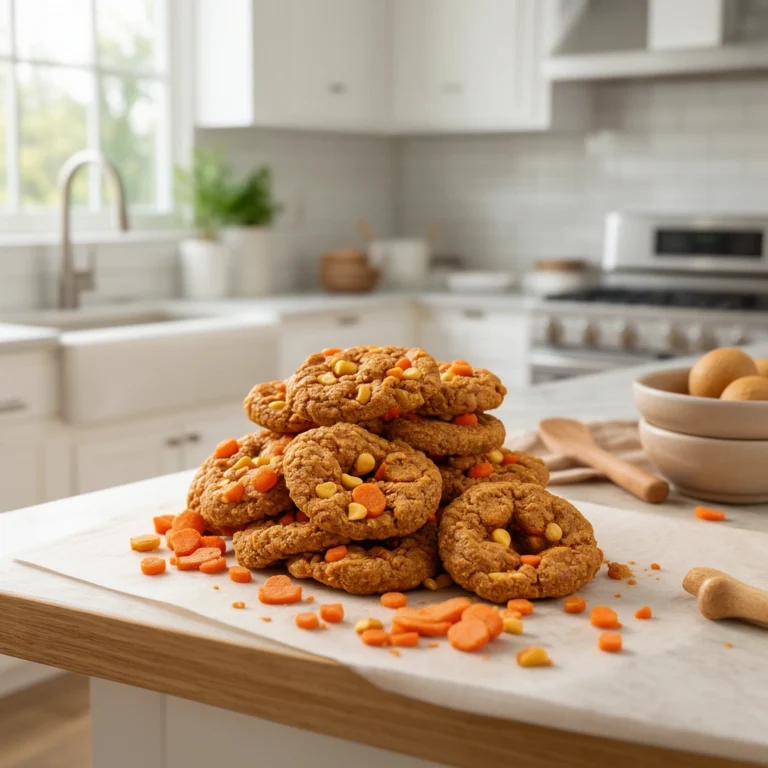
Pumpkin isn’t just for fall. It’s loaded with fiber, which keeps your dog feeling full longer—perfect for weight management. Combined with oats, these cookies create a filling treat that won’t derail a diet plan.
Ingredients:
- 1 cup canned pumpkin (unsweetened, no spices)
- 1 cup rolled oats
- 1 egg
- 1 tablespoon coconut oil (optional)
Steps:
- Preheat your oven to 350°F
- Mix pumpkin, oats, and egg in a bowl until combined
- Add coconut oil if using, and stir well
- Roll the mixture into small, bite-sized balls (about 1 inch)
- Flatten slightly with your palm
- Place on a parchment-lined baking sheet
- Bake for 20-25 minutes until firm
- Cool completely before storing
Each cookie runs around 15-20 calories depending on size, making them ideal for training rewards too.
Treat #3: Sweet Potato Chews
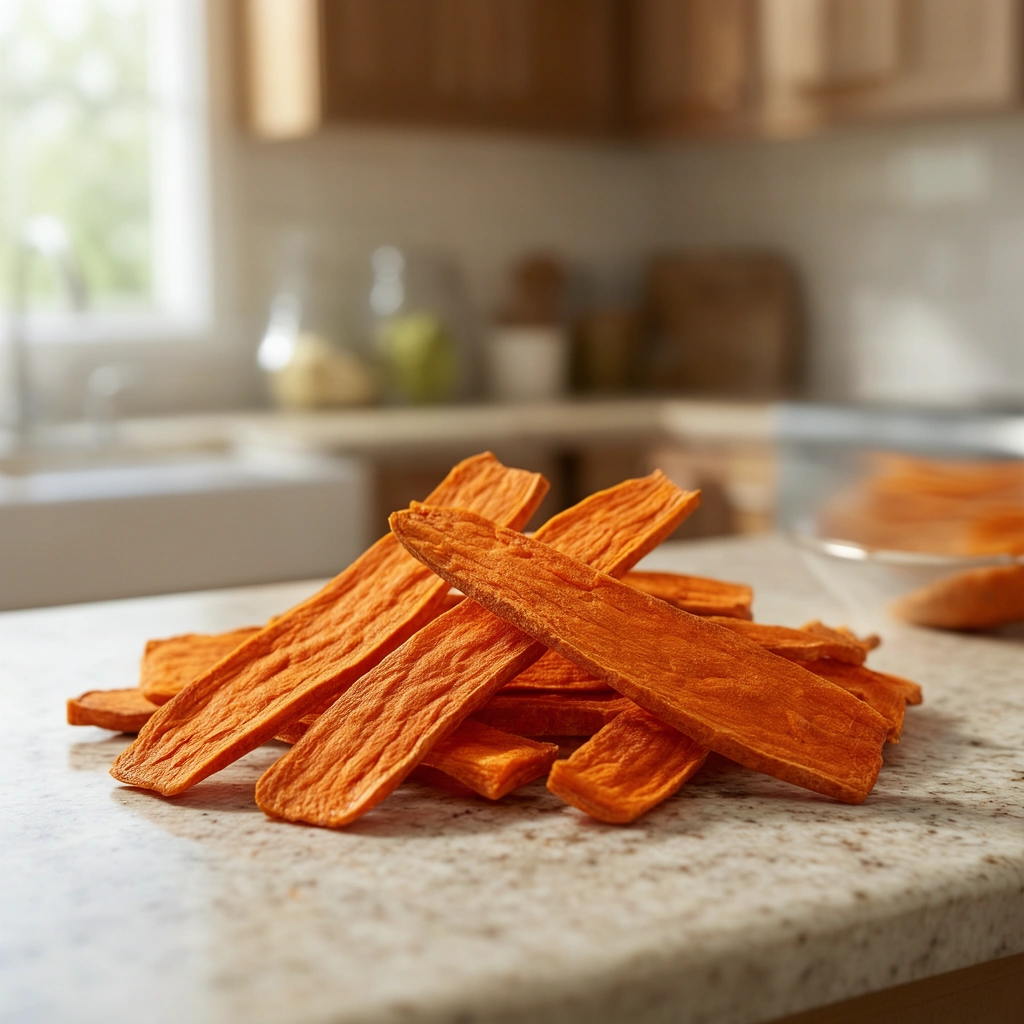
Dehydrated sweet potato chews mimic the satisfying chew of rawhide without the calorie overload or digestive risks. Dogs go crazy for these, and they’re stupidly simple to make.
Ingredients:
- 1 large sweet potato
Steps:
- Preheat oven to 250°F (low and slow is key here)
- Wash and slice the sweet potato into thin, even strips (about 1/4 inch thick)
- Lay strips on a parchment-lined baking sheet, making sure they don’t overlap
- Bake for 2.5 to 3 hours, flipping halfway through
- Check for a chewy but firm texture
- Let cool completely before storing
Store these in an airtight container for up to two weeks. They’re naturally sweet, which most dogs find irresistible.
Treat #4: Chicken and Spinach Mini Meatballs
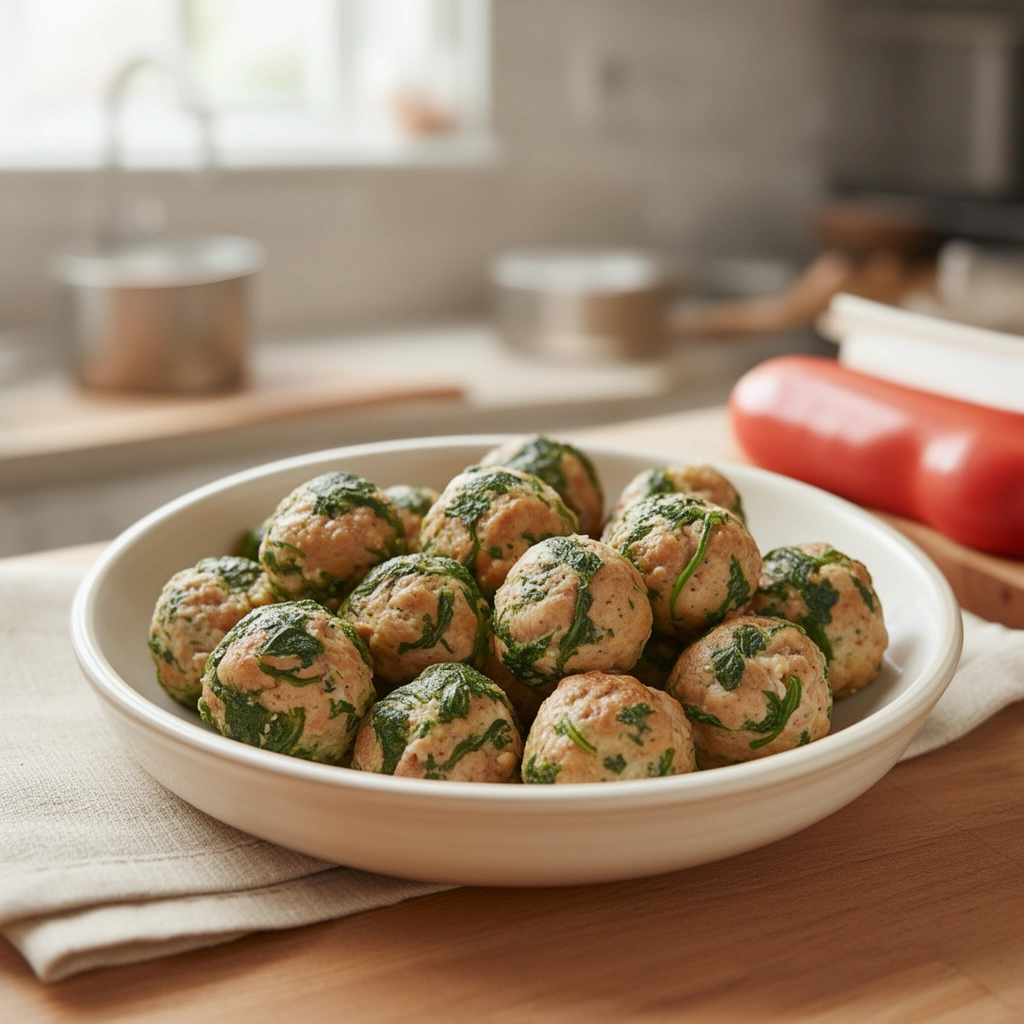
Protein keeps dogs satisfied and helps maintain muscle mass during weight loss. Lean chicken breast combined with spinach creates a nutrient-dense, low-fat treat that doesn’t skimp on flavor.
Ingredients:
- 1 pound ground chicken breast (lean)
- 1 cup fresh spinach, finely chopped
- 1 egg
- 2 tablespoons oat flour
Steps:
- Preheat oven to 375°F
- Combine chicken, spinach, egg, and oat flour in a large bowl
- Mix thoroughly until well combined
- Roll into small meatballs (about 1 inch diameter)
- Place on a lined baking sheet, spacing them apart
- Bake for 18-20 minutes until fully cooked through
- Allow to cool before serving
These freeze beautifully, so make a big batch and pull them out as needed. Each meatball averages around 25 calories.
Treat #5: Apple Cinnamon Crisps
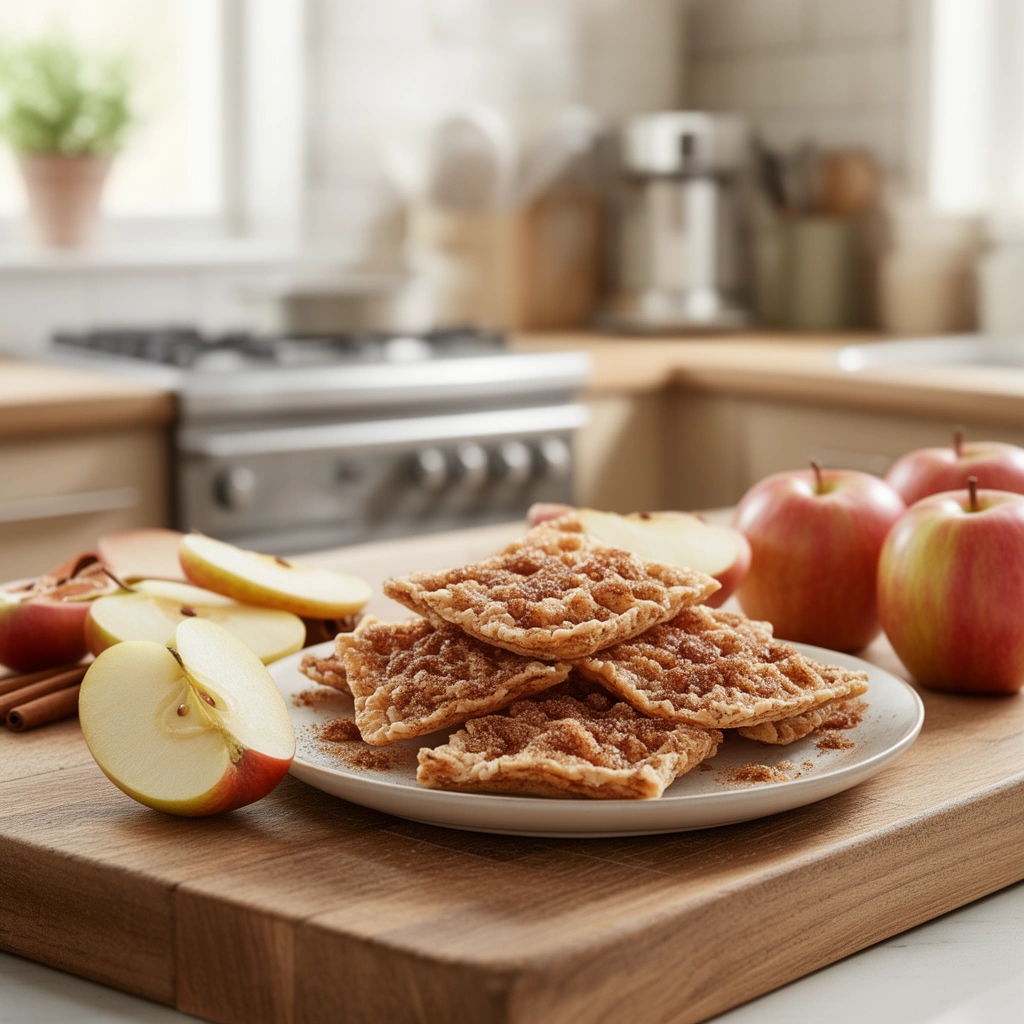
Apples offer natural sweetness with fiber that aids digestion. Cinnamon adds flavor without any calories, making this treat a guilt-free favorite.
Ingredients:
- 2 apples (cored, seeds removed)
- 1 teaspoon cinnamon (no sugar added)
Steps:
- Preheat oven to 200°F
- Slice apples into thin rounds, about 1/8 inch thick
- Sprinkle lightly with cinnamon on both sides
- Arrange on a parchment-lined baking sheet
- Bake for 2 hours, flipping once halfway through
- Turn off oven and let apples sit inside for an additional hour to crisp up
- Store in an airtight container once fully cooled
Skip the apple seeds and core entirely—they contain trace amounts of cyanide compounds that build up over time.
Tips for Success
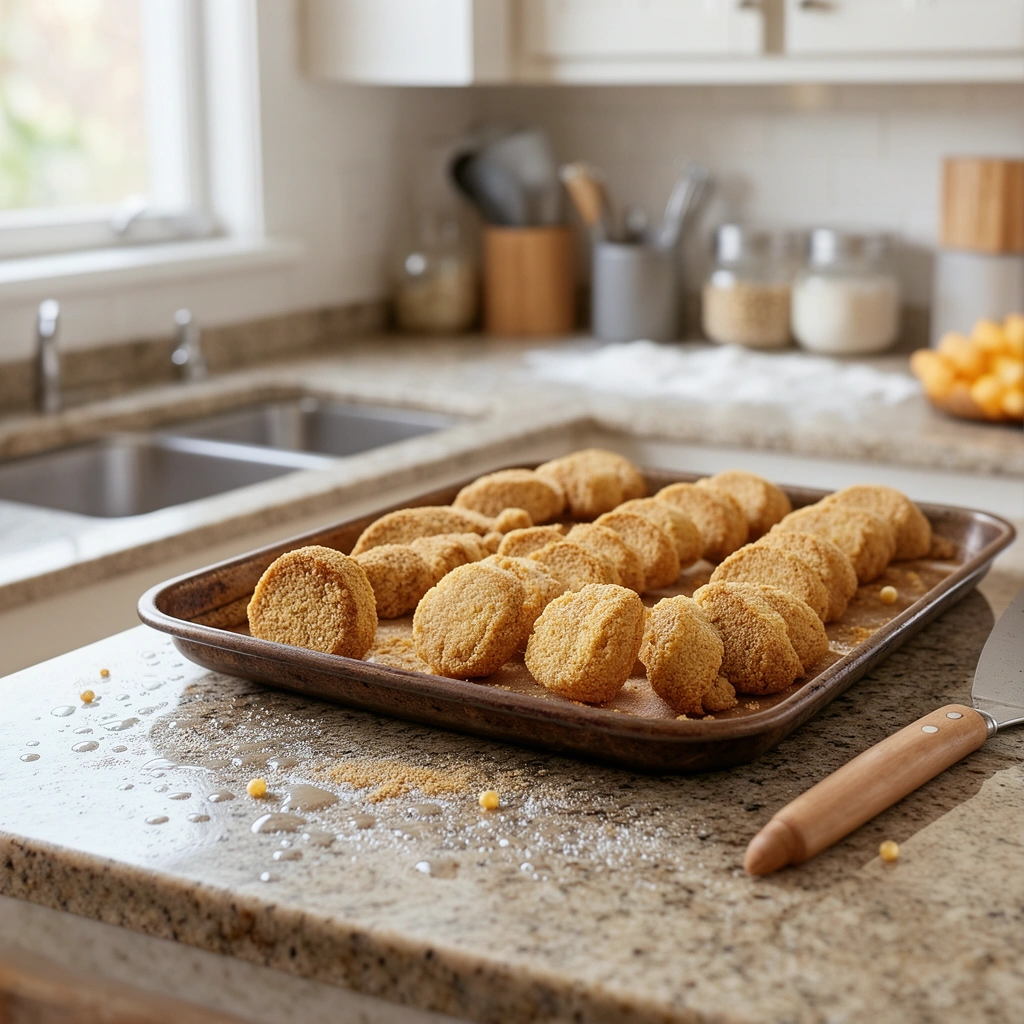
- Always cool treats completely before storing to avoid moisture buildup and mold
- Cut treats into appropriate sizes for your dog’s breed—smaller dogs need smaller pieces
- Introduce new treats gradually to watch for allergic reactions or digestive upset
- Keep a food journal tracking calories from treats versus regular meals
- Store homemade treats in the fridge if they contain fresh ingredients like chicken or eggs
- Label containers with the date made, since homemade treats lack preservatives and spoil faster
- Consider your dog’s specific health conditions—diabetic dogs need different considerations than simply overweight dogs
Common Mistakes and How to Avoid Them
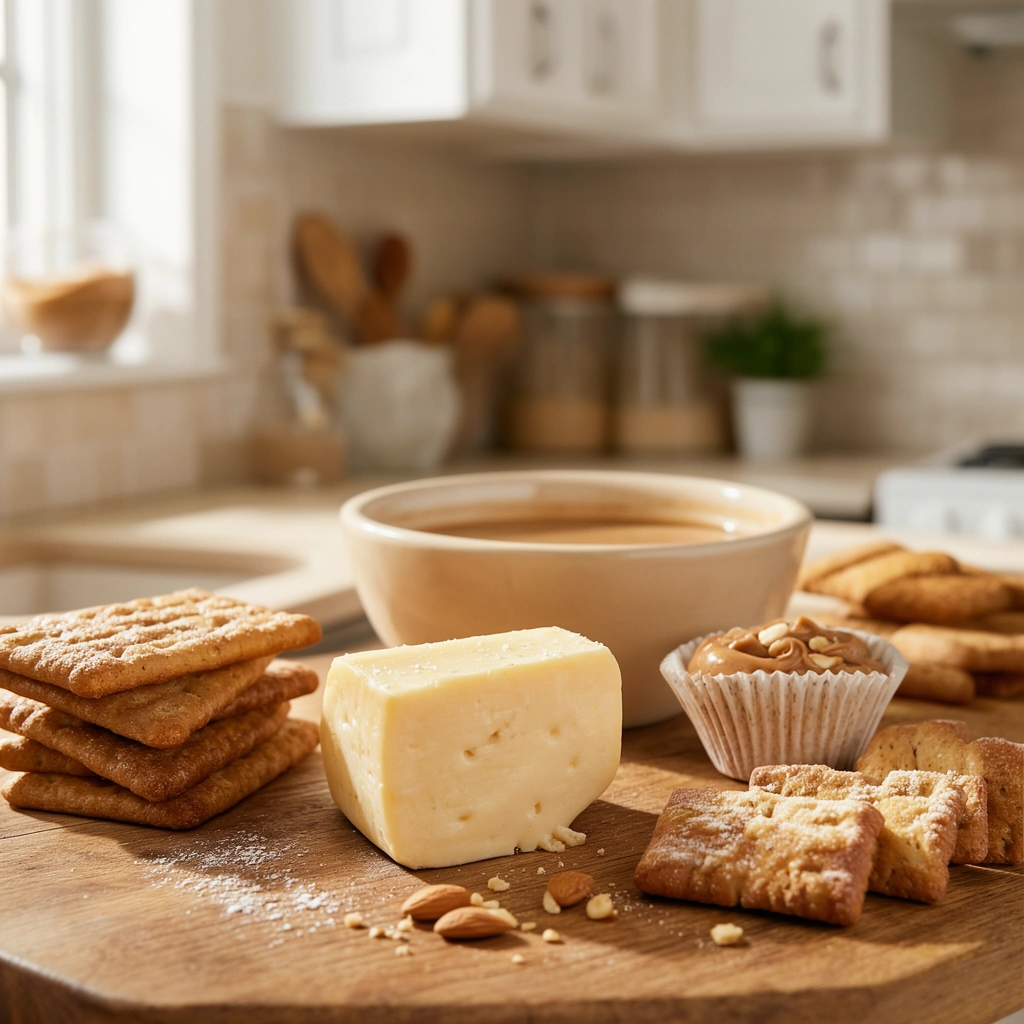
Mistake: Assuming “homemade” automatically means low-calorie
: Some homemade treats using peanut butter, cheese, or excessive oils can pack more calories than store-bought options. Always check your ingredient calorie counts.
Mistake: Overfeeding “healthy” treats
: Even low-calorie snacks add up. Ten green bean bites still count toward daily intake. Stick to recommended portions.
Mistake: Skipping the vet consultation
: Weight management plans work best when your vet weighs in, especially for dogs with existing health conditions like hypothyroidism or diabetes.
Mistake: Using seasoned or salted ingredients
: Human food often contains salt, garlic, or onion powder that’s toxic to dogs. Always use plain, unseasoned versions of fruits and vegetables.
Mistake: Ignoring texture preferences
: Some dogs refuse mushy treats while others avoid crunchy ones. Pay attention to what your dog actually enjoys, or you’ll waste time and ingredients.
Variations Worth Trying
Once you’ve mastered these five recipes, feel free to experiment:
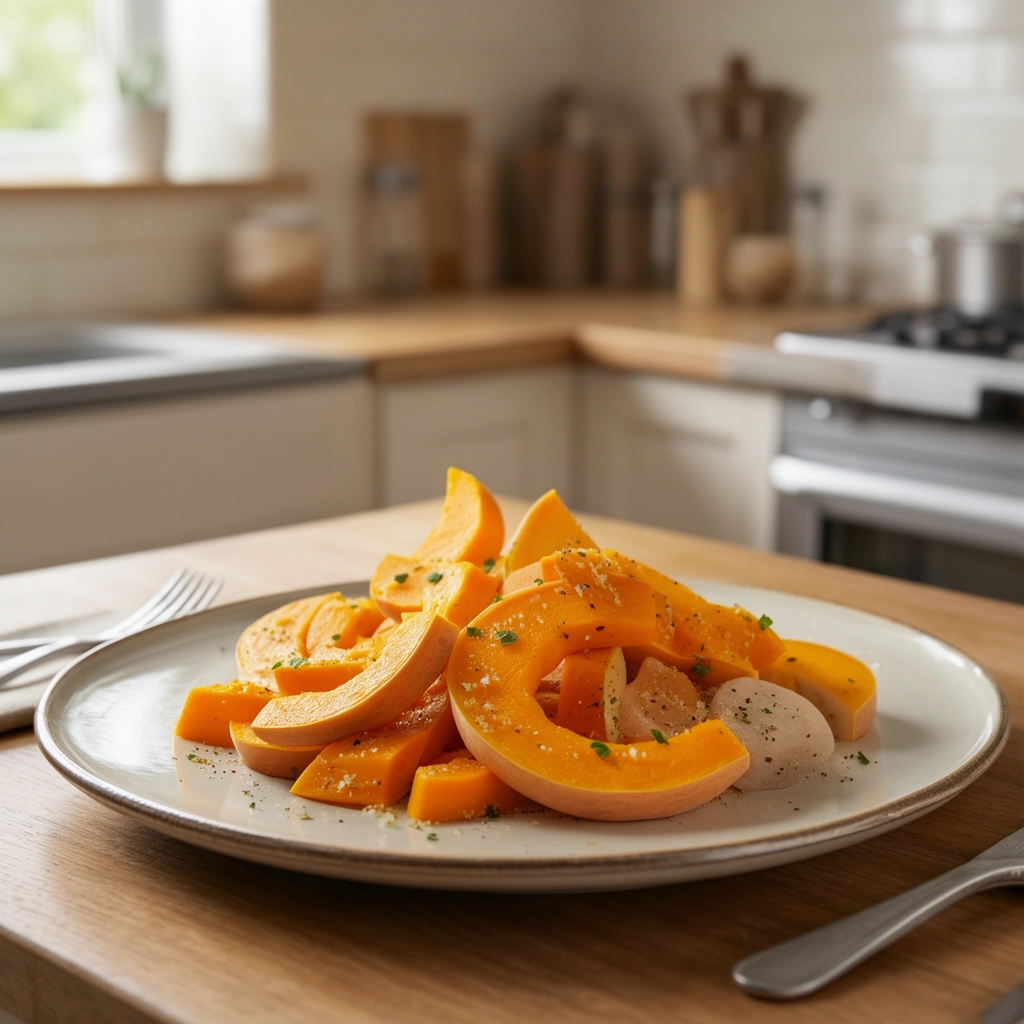
- Swap sweet potato for butternut squash in the chew recipe for a different flavor profile
- Add a tablespoon of plain, unsweetened pumpkin puree to the chicken meatballs for extra fiber
- Try blueberries instead of apples for the cinnamon crisps—they’re lower in natural sugar
- Mix in a small amount of ground flaxseed to any recipe for added omega-3 fatty acids
- Use turkey instead of chicken for a leaner protein option with fewer calories
- Create a “trail mix” by combining small pieces of multiple treats for variety during training sessions
Wrapping It Up
Managing your dog’s weight doesn’t mean eliminating treats entirely. It just means being smarter about what goes into that treat jar. These five low-calorie dog treats prove that healthy snacking can still mean happy tail wags and excited zoomies around the kitchen.
Start with one recipe, see how your dog responds, then expand from there. Your dog’s health—and their waistline—will thank you for the effort you put into these thoughtful, calorie-conscious treats.