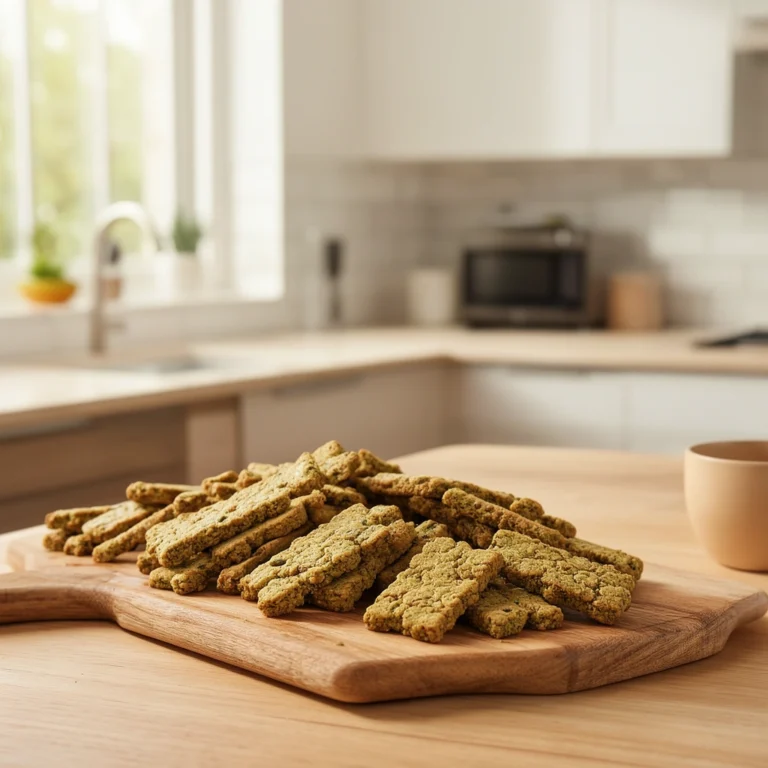
Duck and Blueberry Dog Treats: A Tasty Homemade Recipe Your Pup Will Beg For
Ever caught your dog staring at you with those “please share your snack” eyes? I have. That’s actually how I ended up experimenting with duck and blueberry dog treats in my own kitchen. My dog went nuts for them, and I think yours will too. These treats are simple, wholesome, and packed with stuff that’s actually good for your furry friend—not just filler junk you find in some store-bought bags.
In this guide, I’m going to walk you through everything: what makes duck and blueberries such a great combo, how to make the treats step by step, tips to nail the recipe, mistakes to dodge, and even some fun variations you can try. Let’s get into it.
Why Duck and Blueberry Dog Treats Are Worth Making
I get it—there are a million dog treat recipes out there. So why pick this one? Duck is a novel protein for a lot of dogs, meaning it’s less likely to trigger food sensitivities compared to chicken or beef. Blueberries bring natural sweetness plus a boost of antioxidants. Together, they make a treat that’s gentle on sensitive tummies but still tastes like a reward.

I like this combo because it works for picky eaters and dogs with allergies. Duck has a rich flavor dogs seem to love, and blueberries add a little juicy pop that keeps things interesting. Plus, you control every ingredient. No mystery meat. No preservatives you can’t pronounce.
Key Terms You Should Know
Before we jump into the recipe, let’s break down a few terms so nothing feels confusing.
Novel Protein
: A protein source your dog hasn’t eaten much before. Duck fits this since most commercial dog foods rely on chicken or beef.
Antioxidants
: Natural compounds found in foods like blueberries that help fight cell damage in your dog’s body.
Binder
: An ingredient (like egg or oat flour) that holds the treat dough together so it doesn’t crumble apart.
Dehydrating
: A low-heat cooking method that removes moisture, making treats chewy and shelf-stable for longer.
Grain-Free
: A recipe style that skips wheat, corn, and other grains, often used for dogs with grain sensitivities.
What You’ll Need
Here’s the ingredient list. Nothing fancy, just real food.
- 1 cup cooked, shredded duck meat (skinless, boneless)
- 1/2 cup fresh or frozen blueberries
- 1 large egg
- 1 1/2 cups oat flour (or almond flour for grain-free)
- 2 tablespoons plain pumpkin puree
- 1 tablespoon coconut oil (melted)
- A splash of water, if needed for texture
That’s it. No sugar, no salt, no weird additives. Just real ingredients your dog can actually digest well.
Step-by-Step: How to Make Duck and Blueberry Dog Treats
I’ll walk you through this like I’m standing next to you in the kitchen.
- Preheat your oven to 350°F (175°C). Line a baking sheet with parchment paper.
- Cook the duck if it isn’t already cooked. Bake or boil it plain, no seasoning, then shred it into small pieces once cooled.
- Mash the blueberries slightly with a fork. You want some juice released, but not a total puree.
- Mix wet ingredients in a large bowl: egg, pumpkin puree, melted coconut oil, and mashed blueberries.
- Add the duck meat and stir until evenly distributed.
- Fold in the flour gradually. Stop once the dough holds together without being too sticky or too dry. Add a splash of water if it feels crumbly.
- Roll out the dough on a floured surface to about 1/4 inch thickness.
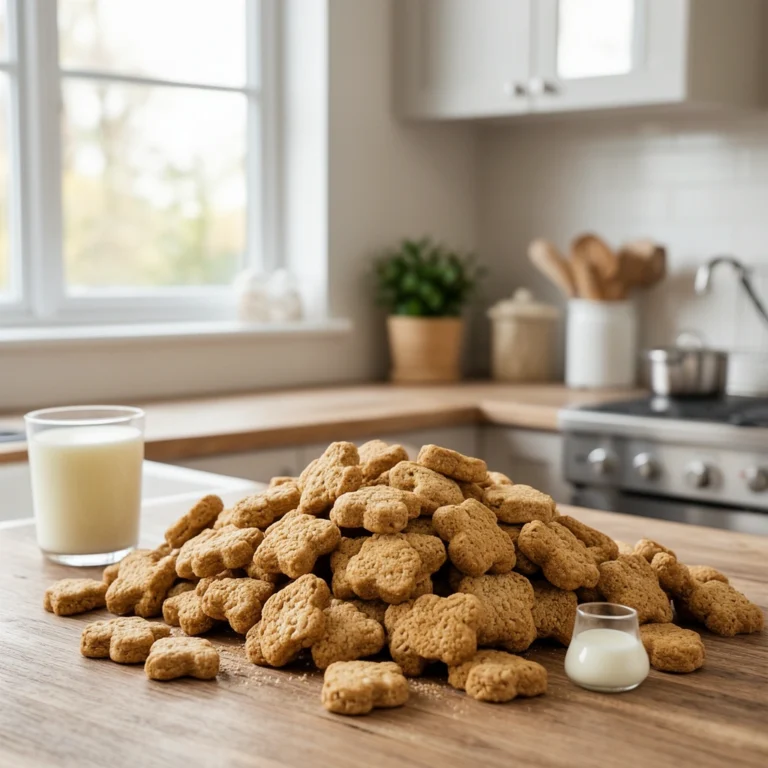
- Cut into shapes using a cookie cutter, or just slice into small squares with a knife.
- Place treats on the baking sheet, spacing them slightly apart.
- Bake for 20–25 minutes, flipping halfway through for even crisping.
- Cool completely on a wire rack before serving or storing.
That’s the whole process. It takes maybe 15 minutes of prep and 25 minutes of baking. Not bad for a batch of treats that’ll last your dog weeks.
Tips for Success
I’ve made a few batches of these, and here’s what actually helps.
- Use plain, unseasoned duck. Garlic, onion, and heavy spices are toxic to dogs, so keep it boring on purpose.
- Don’t overload on blueberries. Too many can make the dough too wet and mushy.
- Cut treats small if you have a small dog breed. Big chunks can be a choking risk or just too rich in one sitting.
- Store extras in the fridge if you plan to use them within a week, or freeze for longer storage.
- Let the treats cool fully before storing. Warm treats trap moisture and can turn moldy faster.
Common Mistakes and How to Avoid Them
I made a couple of these mistakes myself, so let me save you the trouble.
Mistake: Using seasoned or store-bought cooked duck.
Fix: Always cook duck plain at home. Pre-seasoned meats often have salt, garlic powder, or onion powder, all bad news for dogs.
Mistake: Skipping the cooling step.
Fix: Treats need to cool completely on a wire rack. Skipping this makes them soggy and shortens shelf life.

Mistake: Overmixing the dough.
Fix: Mix just until combined. Overworking the dough makes treats tough and dense instead of light and chewy.
Mistake: Using too much flour.
Fix: Add flour gradually. Too much dries out the dough and makes crumbly, hard treats that fall apart.
Mistake: Forgetting portion size.
Fix: Treats should be no more than 10% of your dog’s daily calorie intake. Even healthy treats add up.
Storage and Shelf Life
This part gets skipped a lot, but it matters. Once your treats cool, store them in an airtight container. In the fridge, they’ll stay fresh for about 7 to 10 days. Want them to last longer? Pop them in the freezer, and they’ll keep for up to 3 months. Just thaw a few at a time so you’re not stuck microwaving a rock-hard treat before treat time.
If you want extra crunch and longer shelf life without refrigeration, try dehydrating instead of baking. Set your oven or dehydrator to a low temp, around 200°F, and leave the treats in for 2 to 3 hours. This pulls out more moisture, giving you a crunchier treat that can sit at room temperature in a sealed jar for a couple of weeks.
Similar Variations You Can Try
Once you’ve nailed the base recipe, it’s fun to switch things up.
- Duck and Sweet Potato Treats: Swap blueberries for mashed sweet potato for a starchier, slightly sweeter bite.
- Duck and Apple Treats: Use grated apple (no seeds, no core) instead of blueberries for a crisp, fruity twist.
- Turkey and Blueberry Treats: Not a duck fan? Turkey works as a lean substitute with the same blueberry boost.
- Grain-Free Version: Replace oat flour with almond flour or coconut flour for dogs with grain sensitivities.
- Frozen Duck and Blueberry Bites: Skip baking altogether. Blend the mixture, pour into silicone molds, and freeze for a cool summer treat.
Each variation keeps the same easy method, so once you know the base recipe, you can basically remix it however your dog’s taste buds (or your pantry) demand.
Wrapping It Up
Making duck and blueberry dog treats at home isn’t complicated, and honestly, it feels good knowing exactly what’s going into your dog’s snack jar. You get a treat that’s gentle on sensitive stomachs, rich in flavor, and loaded with real nutrition instead of fillers. Once you try the base recipe, you’ll probably start experimenting with your own twists too.
So go ahead, grab that duck and those blueberries, and treat your pup to something they’ll actually thank you for—tail wags included.