Grain Free Homemade Dog Food Recipes For Sensitive Stomachs
Ever watched your pup gulp down dinner only to see it come right back up an hour later? Yeah, I’ve been there too. If your dog deals with tummy troubles, skin issues, or just seems “off” after meals, grain free homemade dog food recipes for sensitive stomachs might be exactly what you’re looking for. I’ve spent months testing recipes with my own dog, who used to have the most delicate digestive system on the block, and I want to share everything I’ve learned.
Grains like wheat, corn, and soy aren’t always the villain everyone makes them out to be, but for some dogs, they trigger real problems. Bloating. Loose stools. Itchy skin. Excessive gas that clears the room. When you cook at home, you control every single ingredient that goes into the bowl. No mystery fillers. No preservatives you can’t pronounce. Just real food that actually helps.
What Exactly Is a Grain Free Sensitive Stomach Recipe?
Before jumping into the kitchen, let’s get clear on what we’re actually making here. This isn’t just “food without grains.” It’s a carefully balanced meal built around ingredients that are gentle, easy to digest, and packed with nutrients your dog’s body can actually use.
Here’s a quick breakdown of terms you’ll see throughout this guide:

Grain Free
: Meals made without wheat, corn, rice, oats, or barley. Instead, carbs come from sources like sweet potato or pumpkin.
Novel Protein
: A protein source your dog hasn’t eaten much before, like turkey, rabbit, or venison. Useful for dogs with suspected food sensitivities.
Bland Diet Base
: A simple combo (often boiled chicken and pumpkin) used to settle an upset stomach before introducing more variety.
Limited Ingredient Diet (LID)
: A recipe built with as few ingredients as possible, making it easier to spot what’s causing a reaction.
Prebiotic Fiber
: Fiber that feeds good gut bacteria. Pumpkin and sweet potato are great natural sources.
Once you understand these building blocks, putting together a recipe feels a lot less intimidating.
Why My Competitor’s Approach Falls Short
I looked at a lot of the popular blogs covering this exact topic, and honestly, most of them skip over some pretty important stuff. They’ll toss out a recipe with chicken, sweet potato, and maybe some carrots, but they rarely explain:
- Why certain proteins work better for sensitive stomachs than others
- How to transition a dog onto a new diet without causing more digestive chaos
- What supplements actually matter (and which ones are just marketing fluff)
- How portion sizes shift based on weight, age, and activity level
- What warning signs mean you need to call the vet instead of tweaking the recipe
I’m covering all of that here, so you’re not left guessing halfway through cooking.
Choosing the Right Ingredients
Not every “healthy” ingredient works for every dog. Sensitive stomachs need gentle, easy-to-digest foods that won’t add fuel to the fire.
Good protein choices include:
- Boiled chicken breast (skinless, no seasoning)
- Turkey (a great novel protein option)
- White fish like cod or tilapia
- Rabbit (excellent for dogs with chicken allergies)
Safe carb and fiber sources:
- Sweet potato (cooked and mashed)
- Pumpkin puree (plain, no sugar added)
- Butternut squash
- Green beans (steamed, not raw)
Healthy fats and extras:
- A small drizzle of fish oil or coconut oil
- A pinch of ground ginger to settle nausea
- Plain, unsweetened yogurt in small amounts (only if your dog tolerates dairy)
Step-by-Step: Making the Grain Free Sensitive Stomach Recipe
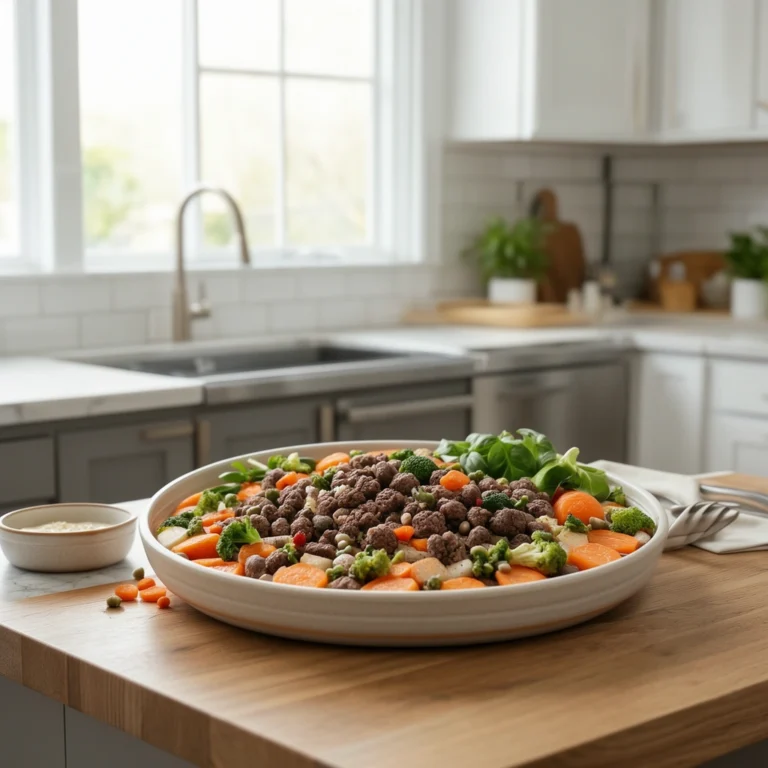
Alright, let’s actually cook. This recipe makes roughly 4 to 5 cups, enough for a medium-sized dog for a couple of days. Adjust portions based on your dog’s size and calorie needs.
Ingredients:
- 2 cups boiled, shredded turkey (or chicken)
- 1 cup mashed sweet potato
- 1/2 cup plain pumpkin puree
- 1/2 cup steamed green beans, chopped small
- 1 tablespoon fish oil
- 1/4 teaspoon ground ginger (optional, for tummy relief)
Instructions:
- Boil the turkey or chicken in plain water. Skip the salt, garlic, and onion. Those aren’t dog-friendly.
- Once fully cooked, shred the meat into small, bite-sized pieces.
- Peel and boil the sweet potato until soft, then mash it with a fork.
- Steam the green beans until tender, then chop them into small pieces so they’re easy to chew and digest.
- In a large bowl, combine the shredded meat, mashed sweet potato, pumpkin puree, and green beans.
- Stir in the fish oil and ginger, mixing everything evenly.
- Let the mixture cool completely before serving.
- Store leftovers in an airtight container in the fridge for up to four days, or freeze in portions for longer storage.
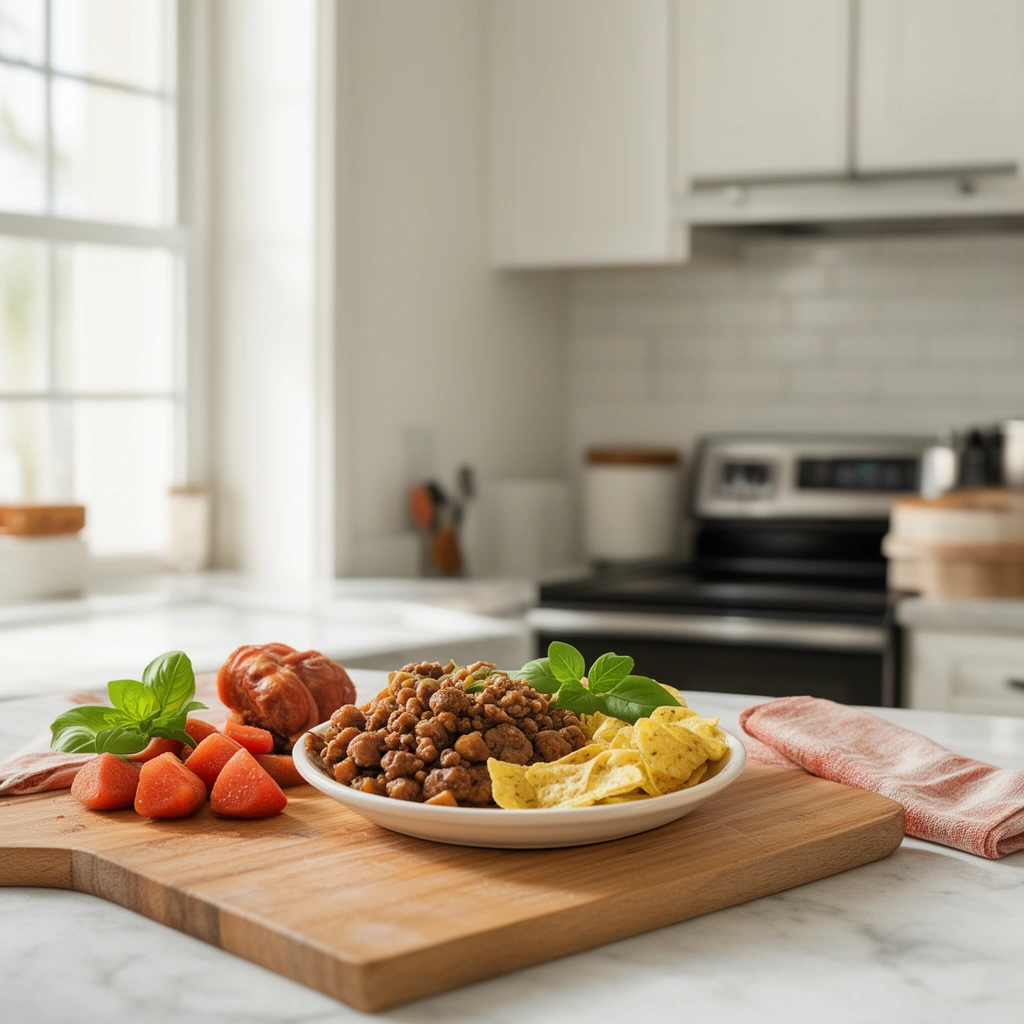
That’s it. No fancy equipment. No complicated techniques. Just simple cooking that gives your dog a break from harsh ingredients.
Tips for Success
Cooking for a sensitive dog takes a little patience, but these tips make the process smoother:
- Introduce new recipes gradually over 5 to 7 days, mixing it with their current food.
- Always cook meat thoroughly. Raw or undercooked meat can upset an already sensitive gut.
- Keep portions consistent. Sudden increases in food volume can trigger bloating.
- Avoid seasoning entirely. Salt, garlic, onion, and pepper are all off-limits.
- Track how your dog reacts for the first week. Loose stool, excessive gas, or itching are signs to adjust ingredients.
- Talk to your vet before making major diet changes, especially if your dog has existing health conditions.
Common Mistakes and How to Avoid Them
I made plenty of mistakes early on, so let me save you the trouble.
Switching foods too fast
: This shocks the digestive system. Always transition slowly over about a week.
Skipping the balance of nutrients
: Homemade meals need the right mix of protein, fat, and fiber. Relying only on meat and veggies without balance can cause deficiencies over time.
Using too many ingredients at once
: If your dog has a suspected sensitivity, stick to limited ingredient meals so you can identify triggers.
Adding dairy without testing tolerance first
: Some dogs handle plain yogurt fine. Others get gassy or develop diarrhea. Test small amounts before adding it regularly.
Ignoring calorie needs
: Homemade food can accidentally lead to weight gain or loss if portions aren’t measured properly. Weigh your dog every few weeks to track changes.
Similar Variations You Can Try
Once you’ve nailed the basic recipe, you can start mixing things up based on what your dog tolerates well.
- Fish and Pumpkin Bowl — Swap turkey for baked white fish, and pair it with pumpkin and steamed zucchini.
- Rabbit and Squash Mix — A great option for dogs with poultry allergies. Combine cooked rabbit with butternut squash and a touch of olive oil.
- Beef and Sweet Potato Stew — Lean ground beef, sweet potato, and carrots simmered together for dogs who tolerate red meat well.
- Turkey and Green Bean Simple Bowl — An ultra basic limited ingredient version for dogs going through an elimination diet.
Rotating between a few trusted recipes keeps meals interesting without overwhelming a sensitive gut with too many new ingredients at once.
Wrapping It Up
Cooking grain free homemade dog food recipes for sensitive stomachs isn’t complicated once you understand the basics. Stick to gentle proteins, easy-to-digest carbs, and skip anything that might irritate your dog’s gut. Watch how your pup responds, adjust as needed, and don’t be afraid to check in with your vet along the way.
At the end of the day, homemade meals give you control that store-bought food just can’t match. Your dog gets real, simple ingredients, and you get peace of mind knowing exactly what’s going into their bowl. Give one of these grain free recipes a try this week. Your dog’s stomach might just thank you for it.