Veggie and Ground Turkey Dog Food Recipes: A Complete Homemade Guide
Ever wonder if the food in your dog’s bowl is actually good for them? I asked myself that same question a few years back, and it sent me down a rabbit hole of homemade dog food recipes. Veggie and ground turkey dog food recipes turned out to be one of the best answers I found. They’re simple, affordable, and packed with nutrients your pup actually needs. Let me walk you through everything I’ve learned, including a few things other articles tend to skip.
Why Ground Turkey and Veggies Make a Great Combo
Turkey is lean. It’s gentle on sensitive stomachs. And it’s a fantastic protein source for dogs who can’t handle beef or chicken. Pair that with fiber-rich veggies, and you’ve got a meal that supports digestion, muscle health, and skin condition all at once.
I like this combo because it’s budget-friendly too. Ground turkey doesn’t cost as much as salmon or lamb, and most of the veggies you’ll use are already sitting in your fridge. This recipe isn’t just tasty for your dog—it’s practical for your wallet and your schedule.
Key Terms You Should Know Before You Start
Before jumping into the recipe, let’s clear up some terms you’ll see throughout this guide.
Lean protein
: Meat with low fat content, like ground turkey breast, that supports muscle growth without adding extra calories.
Complex carbohydrates
: Slow-digesting carbs found in veggies like sweet potato and pumpkin, which give your dog steady energy.
Micronutrients
: Vitamins and minerals, such as vitamin A or potassium, that support your dog’s immune system and organ function.
Bulking agent
: An ingredient like rice or oats added to increase volume and help your dog feel full without overloading on protein.
Toxic-to-dogs list
: A group of foods (onions, garlic, grapes, and more) that should never make it into homemade dog food, no matter how healthy they seem for humans.
Ingredients You’ll Need
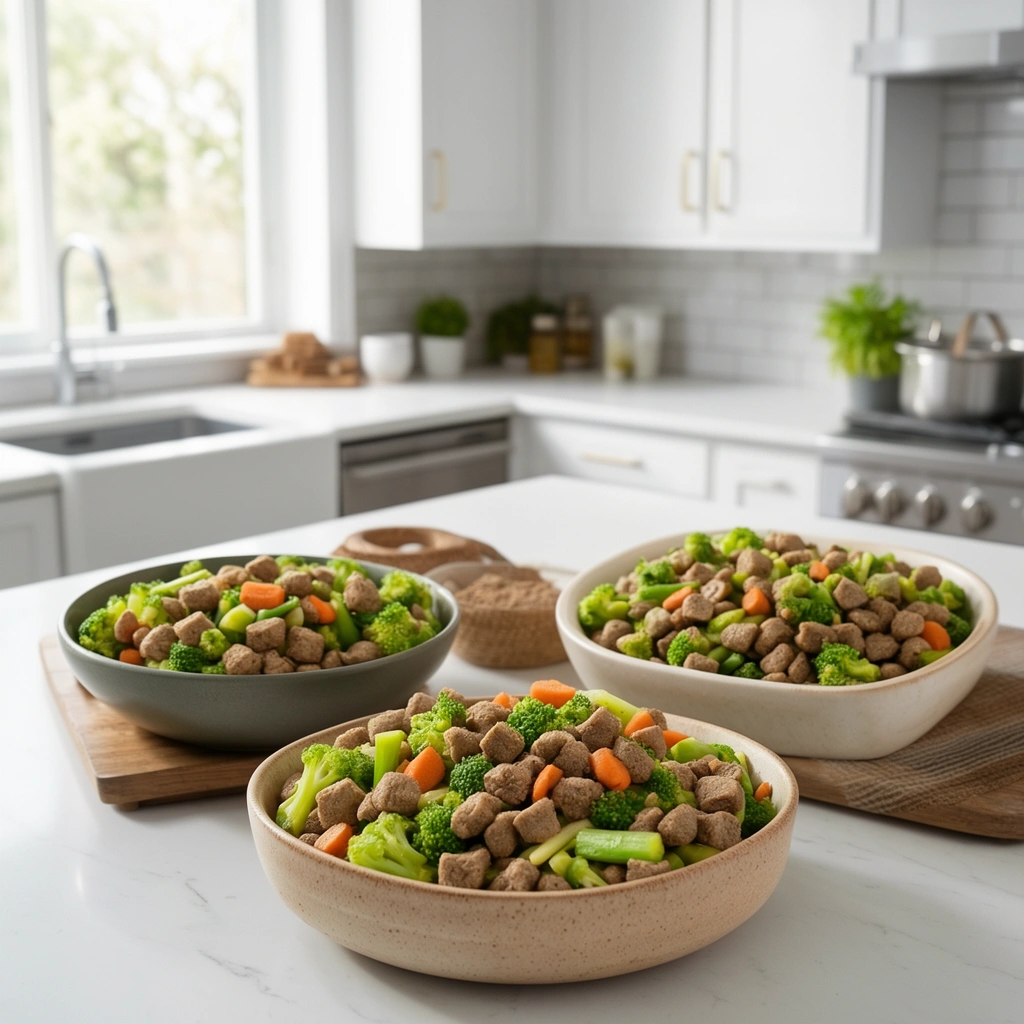
Here’s a solid ingredient list for a basic batch of veggie and ground turkey dog food. This recipe makes roughly 6-8 cups, depending on your dog’s size and how long you plan to store it.
- 2 pounds ground turkey (preferably 93% lean)
- 1 cup chopped carrots
- 1 cup chopped green beans
- 1 cup peeled and diced sweet potato
- 1/2 cup peas
- 1/2 cup cooked brown rice or rolled oats
- 1 tablespoon olive oil or fish oil
- 1 egg (optional, for extra protein and shine on the coat)
A quick note here that a lot of articles skip: always check with your vet before starting a new homemade diet, especially if your dog has kidney issues, allergies, or is on medication. Homemade meals are great, but they need to match your dog’s specific health profile.
Step-by-Step Cooking Instructions
Let’s get cooking. This process takes about 30-40 minutes from start to finish.
- Heat a large skillet or pot over medium heat and add the ground turkey.
- Break the turkey apart with a spoon as it cooks, stirring occasionally so it browns evenly.
- Cook until there’s no pink left, usually 8-10 minutes.
- While the turkey cooks, steam or boil your chopped carrots, green beans, and sweet potato until soft, about 10-12 minutes.
- Drain the veggies and let them cool slightly.
- Once the turkey is fully cooked, drain excess fat if needed.
- Combine the cooked turkey, steamed veggies, peas, and cooked rice or oats in a large mixing bowl.
- Stir in the olive oil or fish oil for extra shine and joint support.
- If using an egg, scramble it separately and mix it in once cooled.
- Mash everything together lightly with a fork or potato masher, especially if your dog is a picky eater or has smaller teeth.
- Let the mixture cool completely before serving or storing.
Portion Sizes Based on Dog Weight
This is something a lot of recipe articles completely forget to mention, and it’s honestly one of the most important parts. Portion size depends on your dog’s weight and activity level.
- Small dogs (under 20 lbs): 1/2 to 3/4 cup per day, split into two meals
- Medium dogs (20-50 lbs): 1 to 1.5 cups per day, split into two meals
- Large dogs (50-90 lbs): 2 to 3 cups per day, split into two meals
- Extra-large dogs (90+ lbs): 3 to 4 cups per day, split into two meals
These are starting points, not hard rules. Active working dogs may need more, while senior or less active dogs might need less. Watch your dog’s weight over a few weeks and adjust as needed.
How to Store Your Homemade Dog Food
Storage matters just as much as the recipe itself. I’ve seen too many guides gloss over this part, and it’s how food safety mistakes happen.
- Refrigerator: Store in an airtight container for up to 4 days.
- Freezer: Portion into meal-sized containers or silicone trays and freeze for up to 3 months.
- Thawing: Move frozen portions to the fridge the night before feeding. Never thaw at room temperature for long periods.
- Labeling: Write the date on containers so you always know how fresh the batch is.
Tips for Success
A few small habits make a big difference when you’re cooking for your dog regularly.
- Cook in bulk on weekends so you’re not scrambling every night.
- Rotate veggies weekly to keep meals interesting and nutritionally varied.
- Add a calcium source, like ground eggshell or a vet-approved supplement, since homemade meals often lack the calcium found in commercial kibble.
- Keep a feeding journal for the first few weeks to track digestion, energy, and coat condition.
- Introduce the new food slowly over 5-7 days, mixing it with your dog’s current food to avoid stomach upset.
Common Mistakes and How to Avoid Them
I’ve made a few of these mistakes myself, so let me save you the trouble.
Skipping the calcium balance
: Meat-heavy meals without a calcium source can cause long-term bone issues. Always add a calcium supplement or ground eggshell.
Using seasoned or flavored turkey
: Pre-seasoned turkey often contains onion or garlic powder, both toxic to dogs. Always buy plain, unseasoned meat.
Overfeeding carbs
: Too much rice or oats can lead to weight gain. Stick to the recommended ratios of protein to carbs to veggies.
Ignoring food allergies
: Some dogs react poorly to peas or certain grains. Watch for itching, ear infections, or digestive upset after introducing new ingredients.
Forgetting variety over time
: Feeding the exact same recipe for months can create nutrient gaps. Rotate proteins and veggies every few weeks.
Variations You Can Try
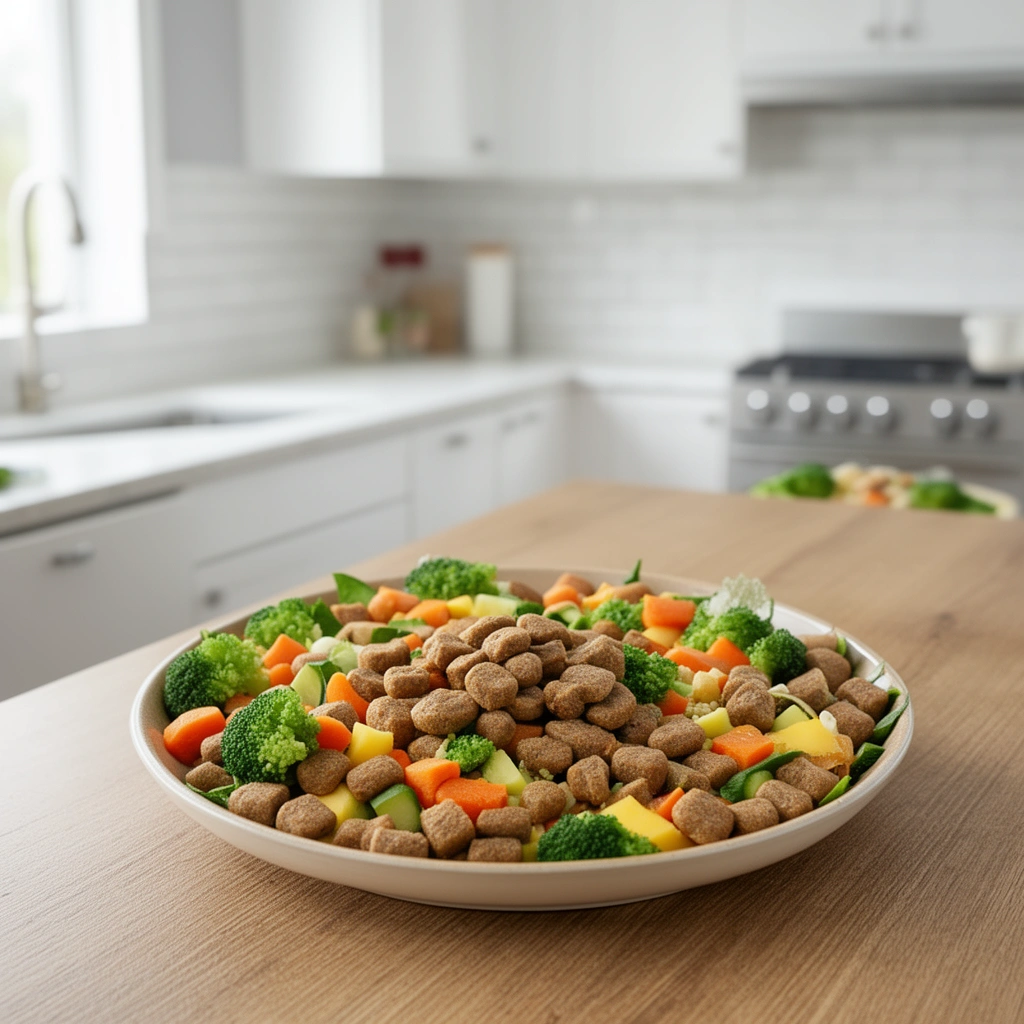
Once you’ve got the base recipe down, it’s fun to mix things up. Here are a few variations I’ve tested with good results.
- Turkey and pumpkin bowl: Swap sweet potato for canned pumpkin, which is great for digestive support.
- Turkey and quinoa mix: Replace rice with quinoa for a protein boost and different texture.
- Low-carb turkey blend: Skip the grains entirely and increase the veggie ratio for dogs needing a lower-carb diet.
- Turkey and spinach combo: Add a small handful of chopped spinach for extra iron, but keep portions small since spinach contains oxalates.
- Senior dog turkey mix: Use finely mashed sweet potato and softer-cooked veggies for older dogs with dental issues.
Wrapping It Up
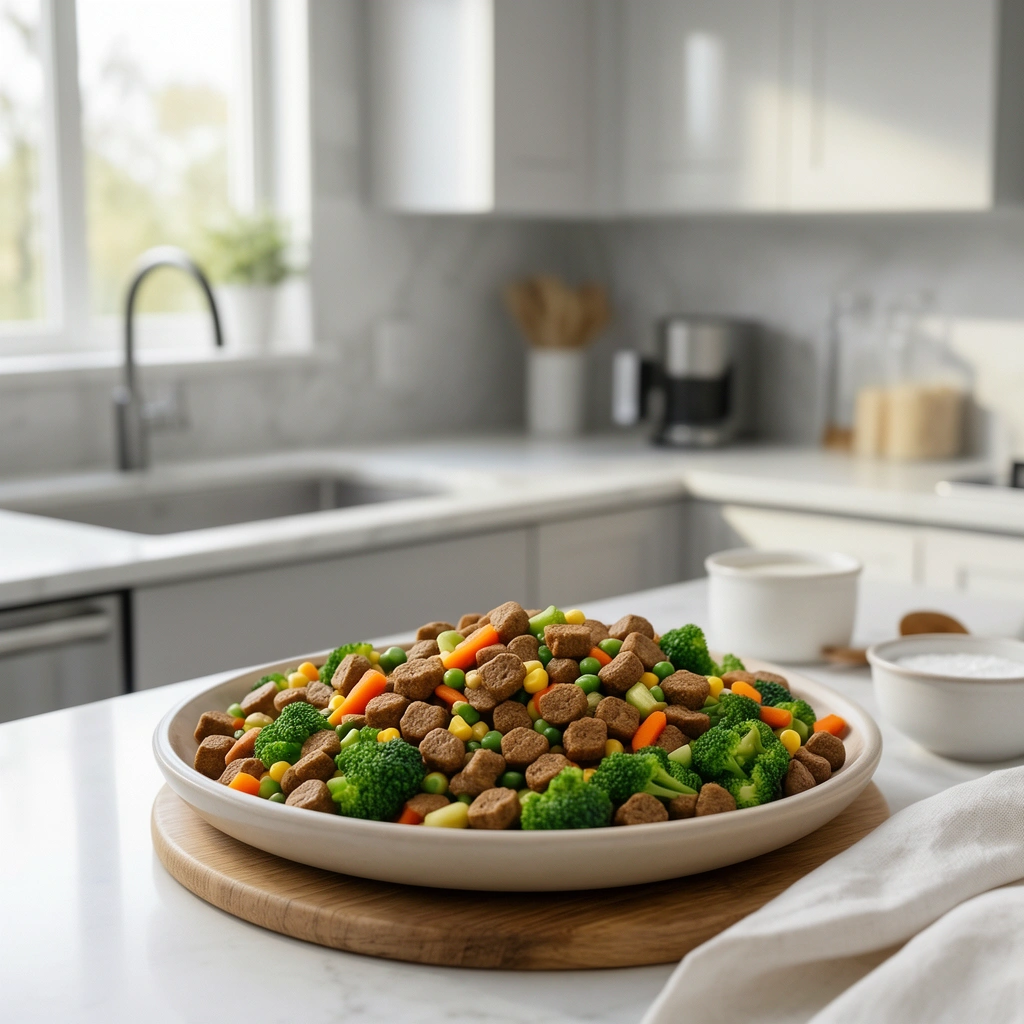
Making veggie and ground turkey dog food at home isn’t complicated once you know the steps. It just takes a little planning, the right ingredients, and some attention to portion sizes and storage. I’ve found that my dog’s energy and coat improved noticeably after switching to homemade meals, and I think yours will too.
Give this veggie and ground turkey dog food recipe a try, watch how your dog responds, and adjust the ingredients to fit their specific needs. A little effort in the kitchen goes a long way toward a happier, healthier pup.