Dog Food Recipe With Salmon And Flaxseed: A Complete Homemade Guide
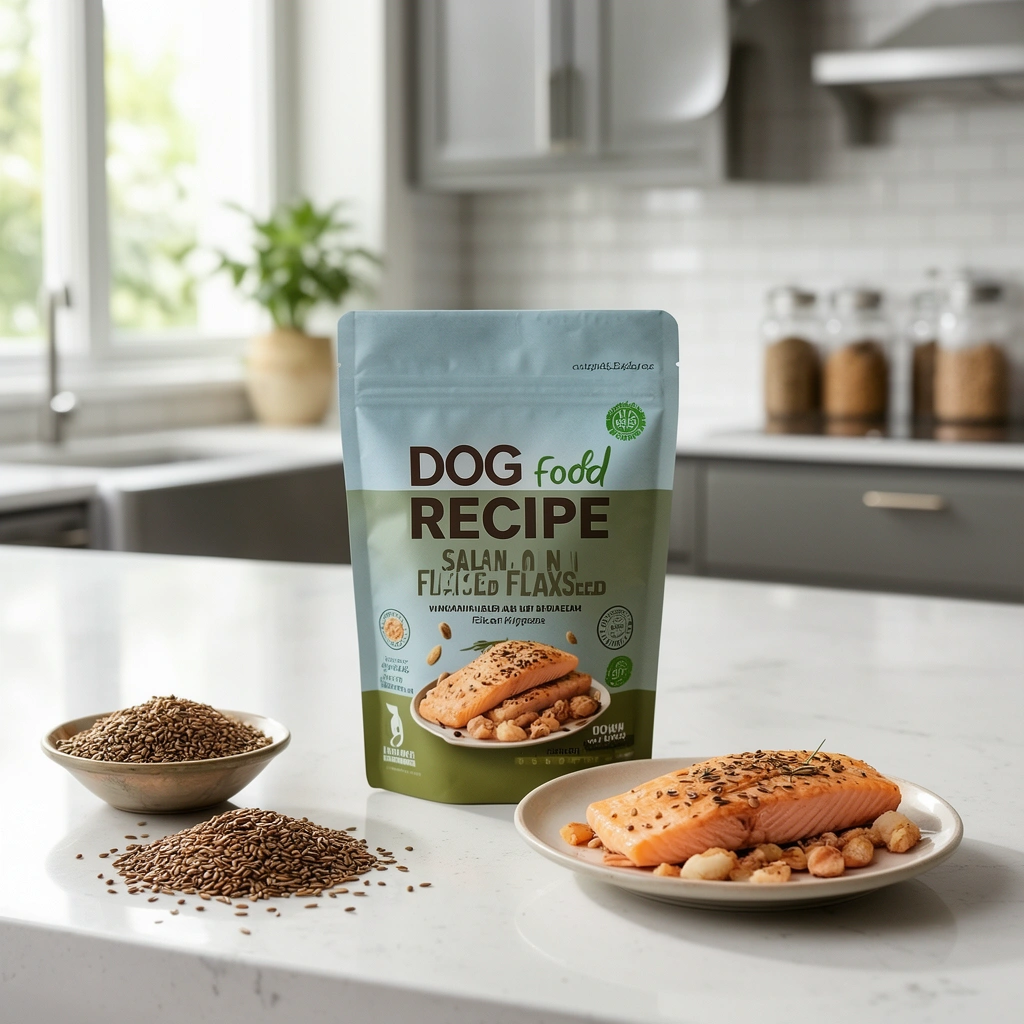
Ever wonder if you could whip up something better than store-bought kibble for your pup? I get it. Standing in the pet food aisle, reading ingredient lists you can’t pronounce, makes you want to just cook for your dog yourself. That’s exactly why I started making this dog food recipe with salmon and flaxseed at home.
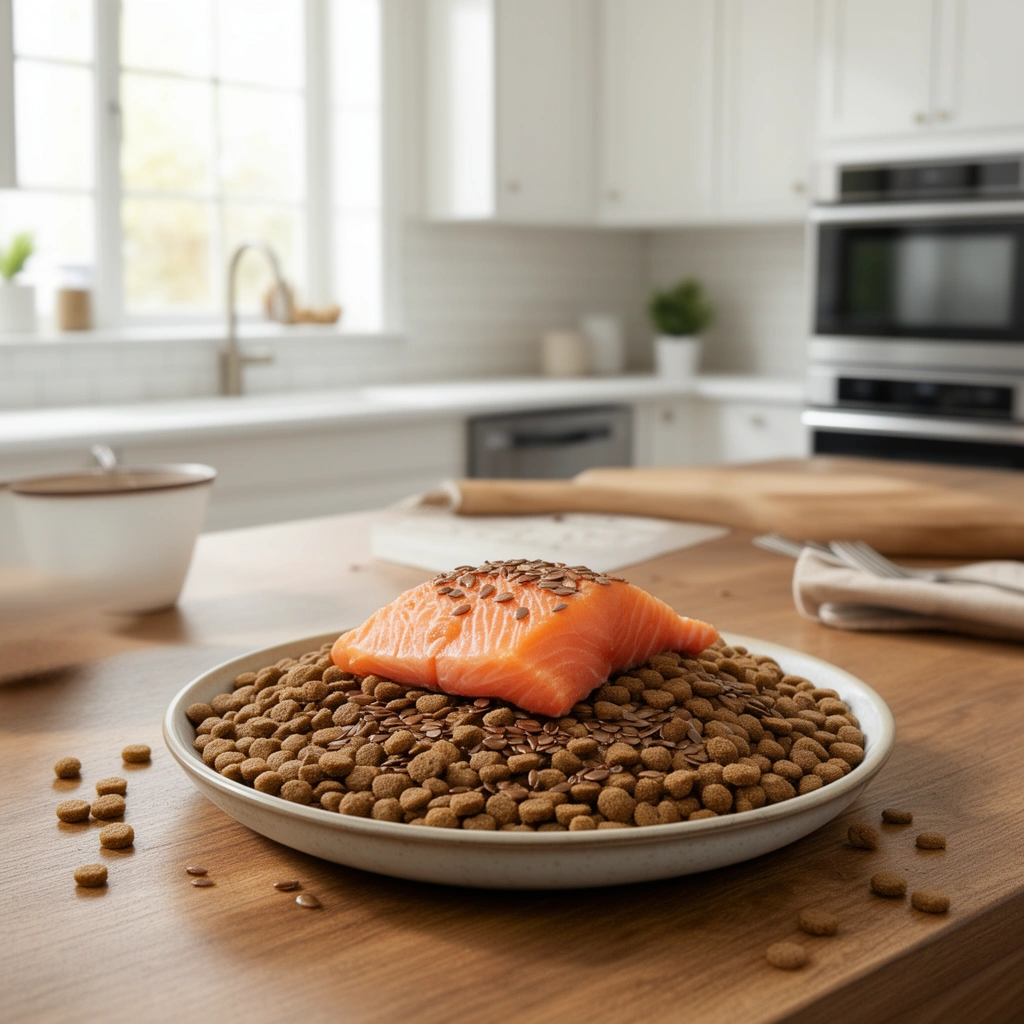
This dish isn’t fancy. It’s simple, packed with good stuff, and dogs genuinely love the taste. Salmon brings protein and healthy fats to the table. Flaxseed adds fiber and omega-3s that support skin, coat, and joint health. Together, they make a meal that’s both tasty and nourishing.
What Makes This Recipe Worth Trying
Before jumping into the steps, let’s talk about why this combo works so well.
Salmon is a cold-water fish loaded with omega-3 fatty acids. These fats help reduce inflammation in dogs, which is great news if your pup deals with itchy skin or stiff joints. Flaxseed, on the other hand, is a plant-based source of alpha-linolenic acid (ALA), another omega-3 that supports heart health and a shiny coat.
Here’s a quick breakdown of key terms you’ll want to know:
Omega-3 Fatty Acids
: Healthy fats found in fish and flaxseed that fight inflammation and support brain, skin, and joint health.
Ground Flaxseed
: Flaxseed that’s been milled into a fine powder so your dog’s body can actually absorb the nutrients (whole flaxseed often passes right through undigested).
Complete and Balanced
: A term used by AAFCO (Association of American Feed Control Officials) meaning a food contains all nutrients a dog needs in proper amounts.
Rotational Feeding
: The practice of switching between different homemade or commercial recipes to avoid nutrient gaps over time.
Now, here’s something a lot of recipes skip over: this meal, on its own, isn’t nutritionally complete. It’s missing calcium, certain vitamins, and trace minerals dogs need daily. I’ll show you how to fix that gap later in this article, so stick around.
Ingredients You’ll Need
Gather these before you start cooking. Quantities below make about 4 cups of food, enough for a medium-sized dog for roughly 2-3 days (always check with your vet for exact portions based on weight and activity level).
- 1 lb fresh or frozen salmon (skinless, boneless)
- 2 tablespoons ground flaxseed
- 1 cup cooked brown rice or sweet potato (mashed)
- 1/2 cup steamed spinach or green beans (chopped)
- 1 tablespoon fish oil (optional, for extra omega-3 boost)
- 1 teaspoon calcium powder or crushed eggshell (finely ground)
- A pinch of turmeric (optional, anti-inflammatory support)
Word of caution: Never use raw salmon. Raw salmon can carry a parasite that causes “salmon poisoning disease” in dogs, which is often fatal if untreated. Always cook it thoroughly.
Step-by-Step Cooking Process
Follow these steps closely. It’s easier than it sounds, I promise.
- Cook the salmon first. Bake or steam the salmon at 375°F for about 15-20 minutes until it’s fully cooked through. No seasoning, no butter, no oil. Just plain fish.
- Debone carefully. Even boneless fillets sometimes hide small bones. Run your fingers through the cooked salmon to check.
- Flake the fish. Break the salmon into small, bite-sized flakes using a fork.
- Prepare your carbs. Cook brown rice according to package instructions, or steam and mash sweet potato until soft.
- Steam your veggies. Lightly steam spinach or green beans until tender. Chop finely so smaller dogs don’t choke.
- Mix everything together. In a large bowl, combine the flaked salmon, cooked rice or sweet potato, and steamed veggies.
- Add the flaxseed. Sprinkle in the ground flaxseed and stir well. Make sure it’s evenly distributed.
- Boost with calcium. Mix in your calcium powder or crushed eggshell. This step is often forgotten, but it’s critical for bone health.
- Cool before serving. Let the mixture cool to room temperature before giving it to your dog.
- Store properly. Portion into airtight containers and refrigerate for up to 3 days, or freeze for up to 3 months.
That’s it. No complicated techniques, no special equipment needed.
Tips For Success
A few small tweaks can make a big difference in how this recipe turns out and how well your dog responds to it.
- Introduce it slowly. Mix small amounts into your dog’s regular food over 5-7 days to avoid tummy upset.
- Watch portion sizes. Salmon is calorie-dense. Overfeeding can lead to weight gain, especially in smaller breeds.
- Buy wild-caught when possible. It tends to have fewer contaminants than farmed salmon.
- Grind flaxseed fresh. Pre-ground flaxseed loses its nutritional punch quickly once exposed to air. Grinding it yourself right before use keeps the omega-3s intact.
- Rotate proteins. Don’t feed salmon exclusively forever. Rotate with chicken, turkey, or beef recipes to keep nutrition varied.
- Talk to your vet. Especially if your dog has kidney issues, pancreatitis, or is on medication, since fish oil and fatty foods can interact with certain conditions.
Common Mistakes And How To Avoid Them
I’ve made a few of these mistakes myself, so let me save you the trouble.
Mistake: Skipping the calcium step
: Many homemade dog food recipes online forget this completely. Without added calcium, your dog can develop bone density issues over time. Always add a calcium source unless you’re only using this as an occasional treat, not a full meal replacement.
Mistake: Using raw fish
: As mentioned earlier, raw salmon carries real risks. Cook it fully every single time, no exceptions.
Mistake: Adding seasoning
: Garlic, onion, and heavy salt are toxic or harmful to dogs. Keep the recipe plain and simple.
Mistake: Overloading on flaxseed
: More isn’t always better. Too much flaxseed can cause loose stools or digestive upset. Stick to the recommended amount based on your dog’s size.
Mistake: Treating this as a complete diet long-term
: This recipe is fantastic as a regular meal or rotational diet, but if you’re feeding it exclusively for months, you need a vet-approved supplement plan to fill nutritional gaps like vitamin E, zinc, and iodine.
Mistake: Ignoring allergies
: Some dogs are allergic to fish or flaxseed. Watch for signs like excessive scratching, ear infections, or digestive issues after the first few feedings.
Variations You Can Try
Once you’ve got the base recipe down, feel free to get creative. Here are a few variations I’ve tried myself.
- Salmon and Pumpkin Mix — Swap the rice for pumpkin puree. It’s gentler on digestion and great for dogs with sensitive stomachs.
- Salmon, Flaxseed, and Blueberry Bowl — Toss in a handful of mashed blueberries for added antioxidants.
- Grain-Free Version — Replace rice with cauliflower rice or extra sweet potato for dogs with grain sensitivities.
- Salmon Jerky Treats — Take the same cooked salmon, dehydrate thin slices at low heat for hours, and you’ve got a chewy training treat.
- Slow Cooker Version — Toss raw salmon, veggies, and rice into a slow cooker (no seasoning) and cook on low for 4-6 hours for a hands-off approach.
Each variation keeps the core benefits of salmon and flaxseed while giving you room to adjust based on your dog’s taste and health needs.
Wrapping It Up
Making a dog food recipe with salmon and flaxseed at home isn’t complicated, and honestly, it feels good knowing exactly what’s going into your dog’s bowl. From the omega-3 boost to the fiber-rich flaxseed, this meal covers a lot of nutritional ground while staying simple to prepare.
Just remember the basics: cook the salmon fully, grind your flaxseed fresh, add a calcium source, and check in with your vet if you’re feeding this as a regular part of your dog’s diet. Do that, and you’ve got a wholesome, tail-wagging-approved meal that’s better than anything sitting on a store shelf.