Homemade Dog Food Recipes For Large Dogs: A Complete Feeding Guide
Ever watched your big dog eyeball your dinner plate and wondered if store-bought kibble is really giving him everything he needs? I get it. Large dogs have big appetites, bigger joints to protect, and even bigger vet bills waiting if their diet goes wrong. That’s exactly why I started digging into homemade dog food recipes for large dogs, and honestly, what I found changed how I feed my own pup.
Big breeds aren’t just small dogs scaled up. They grow faster, carry more weight on their joints, and often deal with issues like hip dysplasia or bloat that smaller breeds rarely face. Feeding them right isn’t optional, it’s essential.
Why Large Dogs Need Special Attention When It Comes To Food
Here’s something a lot of pet owners miss. A 70-pound Labrador doesn’t just need more food than a 10-pound Chihuahua. He needs different food.
Large breed dogs grow slower during puppyhood, but they pack on more total mass. That means their bones and joints need steady, controlled nutrition rather than a rapid calorie dump. Too much calcium too fast? You’re looking at potential skeletal problems down the road. Too little protein? Muscle development suffers.
Adult large dogs also burn calories differently. Some are couch potatoes who barely move past the water bowl. Others are working dogs who need serious fuel. Your recipe has to match your dog’s actual lifestyle, not just his size on paper.
Then there’s the joint issue. Big dogs are prone to arthritis and hip problems as they age. The right homemade meal can include ingredients that support joint health naturally, something most commercial kibble skips or barely touches.
Key Ingredients Every Large Dog Recipe Should Include
Before jumping into the recipe itself, let’s break down what actually needs to go into your dog’s bowl.
Lean Protein
: The backbone of any dog meal. Think chicken breast, turkey, lean beef, or fish. This builds and repairs muscle tissue.
Complex Carbohydrates
: Sweet potatoes, brown rice, or oats. These give your dog steady energy without the sugar spikes.
Healthy Fats
: Fish oil or flaxseed oil. These support skin, coat, and brain health while keeping inflammation down.
Calcium Source
: Ground eggshells or a vet-approved supplement. Large dogs need this in the right amount, not too much, not too little.
Fiber-Rich Vegetables
: Carrots, green beans, and pumpkin. These keep digestion smooth and add important vitamins.
Omega-3 Fatty Acids
: Found in fish oil or salmon. These directly support joint health, which matters a lot for big breeds.
The Step-By-Step Recipe: Large Breed Beef And Sweet Potato Bowl
This recipe makes roughly 5 servings for a 70-pound dog, but you’ll want to adjust based on your own dog’s weight and activity level.
What you’ll need:
- 2 pounds lean ground beef
- 2 large sweet potatoes, peeled and diced
- 1 cup brown rice, uncooked
- 1 cup carrots, chopped
- 1/2 cup green beans, chopped
- 2 tablespoons fish oil
- 1 tablespoon ground eggshell (or calcium supplement)
- 2 cups water or low-sodium bone broth
Here’s how you make it:
- Cook the brown rice according to package instructions using water or bone broth for extra flavor and nutrients
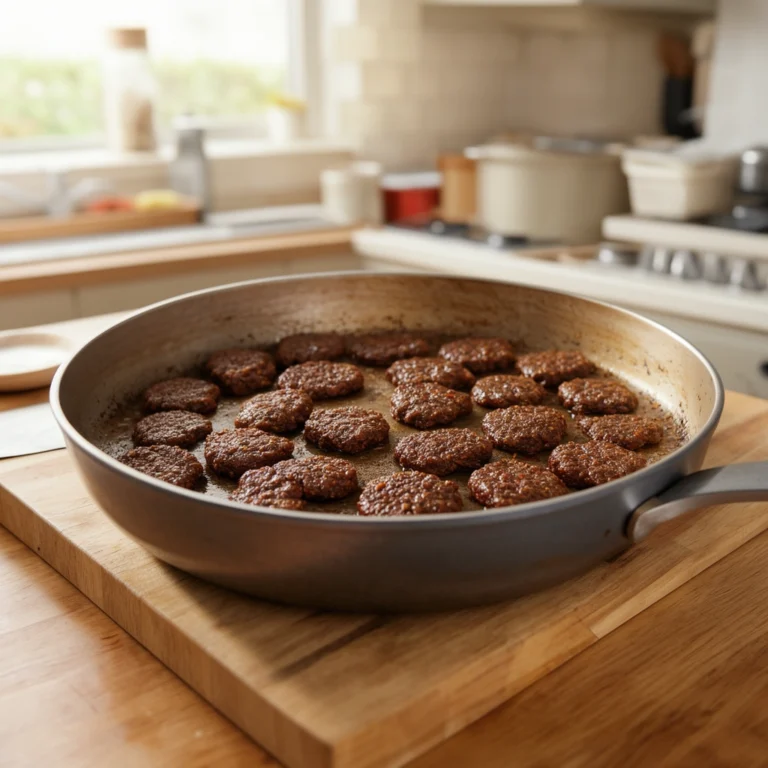
- Brown the ground beef in a large pan over medium heat, breaking it apart as it cooks
- Drain excess fat but leave a small amount for flavor and nutrition
- Steam or boil the sweet potatoes until soft, roughly 15 minutes
- Steam the carrots and green beans separately until tender, about 8-10 minutes
- Mash the sweet potatoes slightly, leaving some texture for digestion
- Combine the cooked beef, rice, sweet potatoes, carrots, and green beans in a large bowl
- Stir in the fish oil and ground eggshell, mixing thoroughly so it’s evenly distributed
- Let the mixture cool completely before serving
- Portion into containers based on your dog’s daily caloric needs
- Refrigerate for up to 4 days or freeze portions for up to 3 months
That’s it. Simple ingredients, straightforward process, and a meal your dog will actually get excited about.
Tips For Success
Getting this right takes more than just following a recipe once. Here’s what actually makes a difference.
- Talk to your vet before switching your dog fully to homemade food, especially if he has existing health conditions
- Introduce new food gradually over 7 to 10 days, mixing it with his current food to avoid stomach upset
- Weigh your dog regularly during the transition to catch weight changes early
- Batch cook on weekends so you’re not scrambling during the week
- Rotate protein sources occasionally to prevent nutrient gaps and keep meals interesting
- Always cook the meat fully; raw diets require separate research and different safety protocols
- Keep a feeding journal for the first month to track energy levels, coat condition, and stool quality
Common Mistakes And How To Avoid Them
I’ve made a few of these mistakes myself, so let me save you the trouble.
Skipping the calcium supplement
This is the big one. Homemade meals without proper calcium can cause serious bone issues in large breeds over time. Don’t skip this step, and don’t guess on quantities either.
Using too much fat
Large dogs are prone to pancreatitis, and fatty cuts of meat can trigger it. Stick to lean proteins and trim visible fat before cooking.
Ignoring portion control
Just because it’s homemade doesn’t mean unlimited amounts. Big dogs can overeat just as easily as small ones, leading to obesity and extra joint stress.
Forgetting variety
Feeding the exact same recipe every single day for months can create nutrient gaps. Rotate proteins and vegetables every few weeks.
Not consulting a vet or canine nutritionist
This isn’t about doubting yourself. It’s about making sure your recipe actually meets your specific dog’s needs, especially if he has allergies or health conditions.
Using toxic ingredients
Onions, garlic, grapes, and xylitol are dangerous for dogs. Always double check every ingredient before it goes in the pot, even ones that seem harmless.
Variations You Can Try
Once you’ve nailed the basic recipe, mixing things up keeps mealtime interesting and covers more nutritional bases.
Chicken and Quinoa Bowl
Swap the beef for shredded chicken breast and use quinoa instead of rice. Add spinach for extra iron and antioxidants.
Turkey and Pumpkin Mix
Ground turkey paired with canned pumpkin (not pie filling) works great for dogs with sensitive stomachs. Pumpkin also helps regulate digestion.
Fish and Oat Recipe
Salmon or white fish combined with oats gives your dog a serious omega-3 boost. Perfect for dogs with joint issues or skin allergies.
Slow Cooker Version
Toss lean beef or chicken, sweet potatoes, carrots, and bone broth into a slow cooker for 6-8 hours. This method breaks down ingredients further, making it easier to digest for senior large breed dogs.
Grain-Free Option
Replace rice or oats with mashed cauliflower or extra sweet potato for dogs with grain sensitivities.
Wrapping It Up
Making homemade dog food recipes for large dogs isn’t as complicated as it might seem at first glance. Once you understand what your big dog actually needs, protein, controlled calcium, healthy fats, and the right carbs, everything else falls into place.
Start with one recipe, watch how your dog responds, then branch out from there. Your dog’s health, energy, and happiness are worth the extra effort in the kitchen. And honestly? Once you see him wagging his tail over a homemade meal, you won’t want to go back to the bag.