5 Joint-Support Treats for Large Breed Dogs
Ever watched your big dog struggle to jump onto the couch or hesitate before climbing the stairs? I have. My neighbor’s Great Dane, Bruno, used to bound around like a puppy. Then one day, he just… slowed down. That’s when I started digging into joint-support treats for large breed dogs, and honestly, it changed how I feed my own dog.
Big dogs carry a lot of weight on their joints. Over time, that extra pressure wears down cartilage faster than it does in smaller breeds. That’s why joint-support treats aren’t just a nice bonus—they’re practically a necessity for breeds like Labs, German Shepherds, Mastiffs, and Danes.
What Are Joint-Support Treats, Anyway?
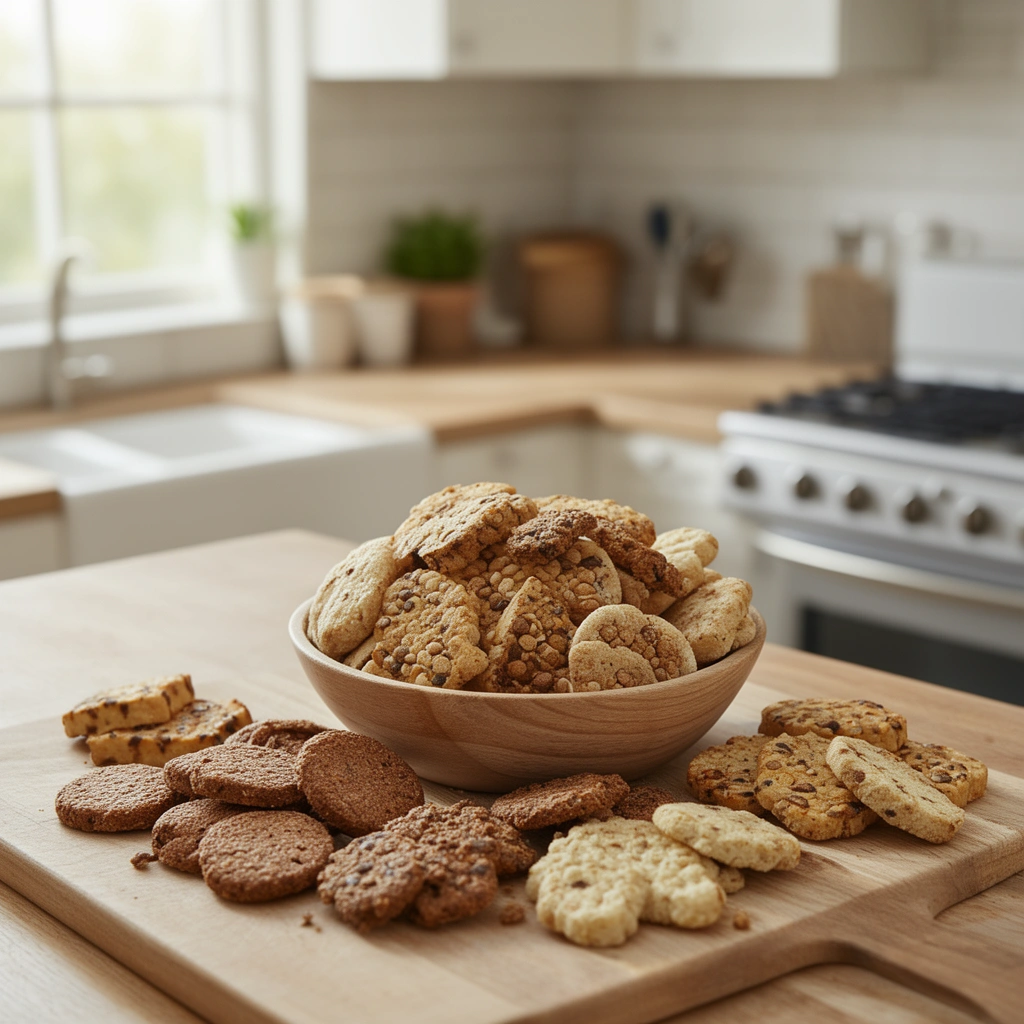
Let me break this down simply. Joint-support treats are homemade or store-bought snacks packed with ingredients that help maintain cartilage, reduce inflammation, and keep your dog’s hips and knees moving smoothly. Think of them as tiny nutritional bombs disguised as tasty rewards.
Unlike regular biscuits, these treats contain specific compounds your dog’s body uses to repair and cushion joints. The best part? You can make most of them right in your kitchen, using ingredients you probably already have.
Key Terms You Should Know
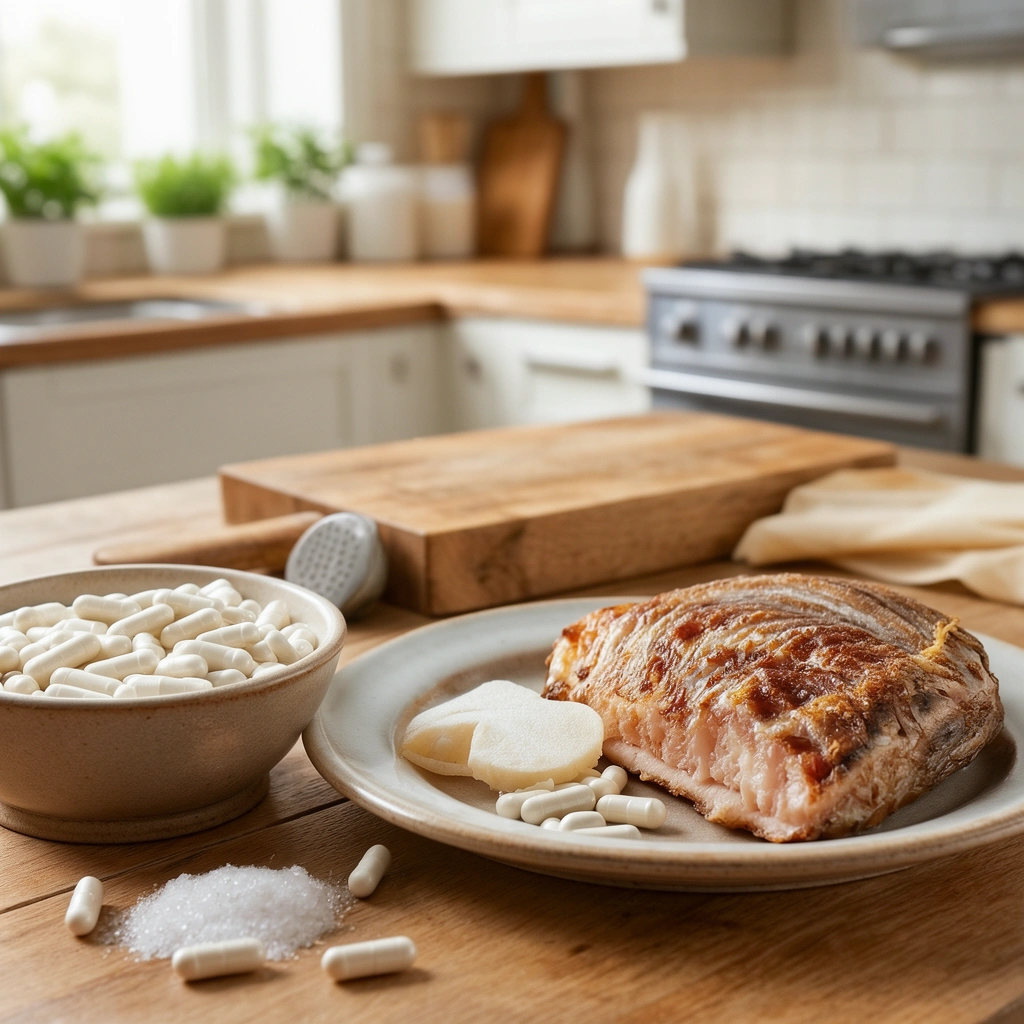
Glucosamine
: A natural compound found in cartilage that helps rebuild and maintain joint tissue. Often sourced from shellfish shells or made synthetically.
Chondroitin
: Works alongside glucosamine to keep cartilage flexible and absorb shock. It also blocks enzymes that break down joint tissue.
Omega-3 Fatty Acids
: Found in fish oil and flaxseed, these reduce inflammation around joints and support overall mobility.
Turmeric (Curcumin)
: A natural anti-inflammatory spice that eases joint pain without the side effects of some medications.
Collagen
: The protein that makes up connective tissue. Bone broth is loaded with it.
Why Large Breeds Need Extra Joint Support

Large and giant breed dogs face joint stress that smaller dogs simply don’t deal with. Here’s why:
- Their bones grow faster during puppyhood, which can lead to developmental joint issues.
- More body weight means more pressure on hips, elbows, and knees.
- Breeds like Rottweilers and Saint Bernards are genetically prone to hip dysplasia.
- Joint cartilage naturally wears thin with age, and bigger dogs feel it sooner.
My competitor’s article touched on glucosamine and chondroitin but skipped over dosing by weight and didn’t mention how cooking methods affect nutrient retention. I’ll cover both here, because they matter a lot.
Recipe 1: Pumpkin & Turmeric Joint Bites
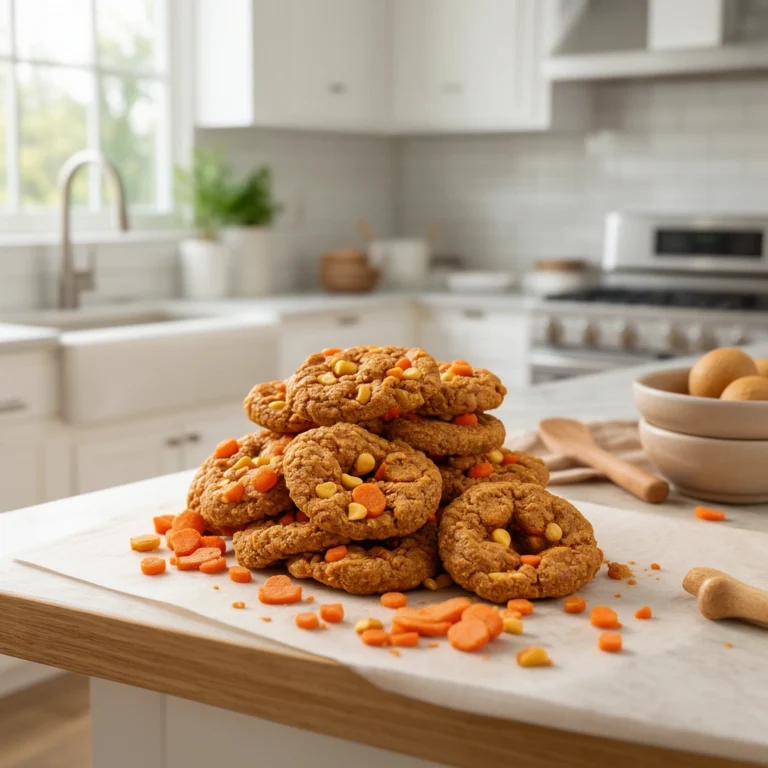
Pumpkin isn’t just for digestion—it’s loaded with fiber and vitamin A, and it pairs beautifully with turmeric’s anti-inflammatory punch.
Ingredients:
- 1 cup pumpkin puree (unsweetened)
- 1 tsp turmeric powder
- 1/2 tsp black pepper (helps turmeric absorb better)
- 1 cup oat flour
- 1 egg
- 1 tbsp coconut oil
Steps:
- Preheat your oven to 350°F.
- Mix pumpkin, egg, and coconut oil in a bowl until smooth.
- Add turmeric, black pepper, and oat flour gradually.
- Knead until you get a firm dough.
- Roll out to 1/4 inch thickness and cut into small shapes.
- Bake for 20 minutes, flip, then bake another 15 minutes until firm.
- Cool completely before serving.
Recipe 2: Salmon & Flaxseed Chews
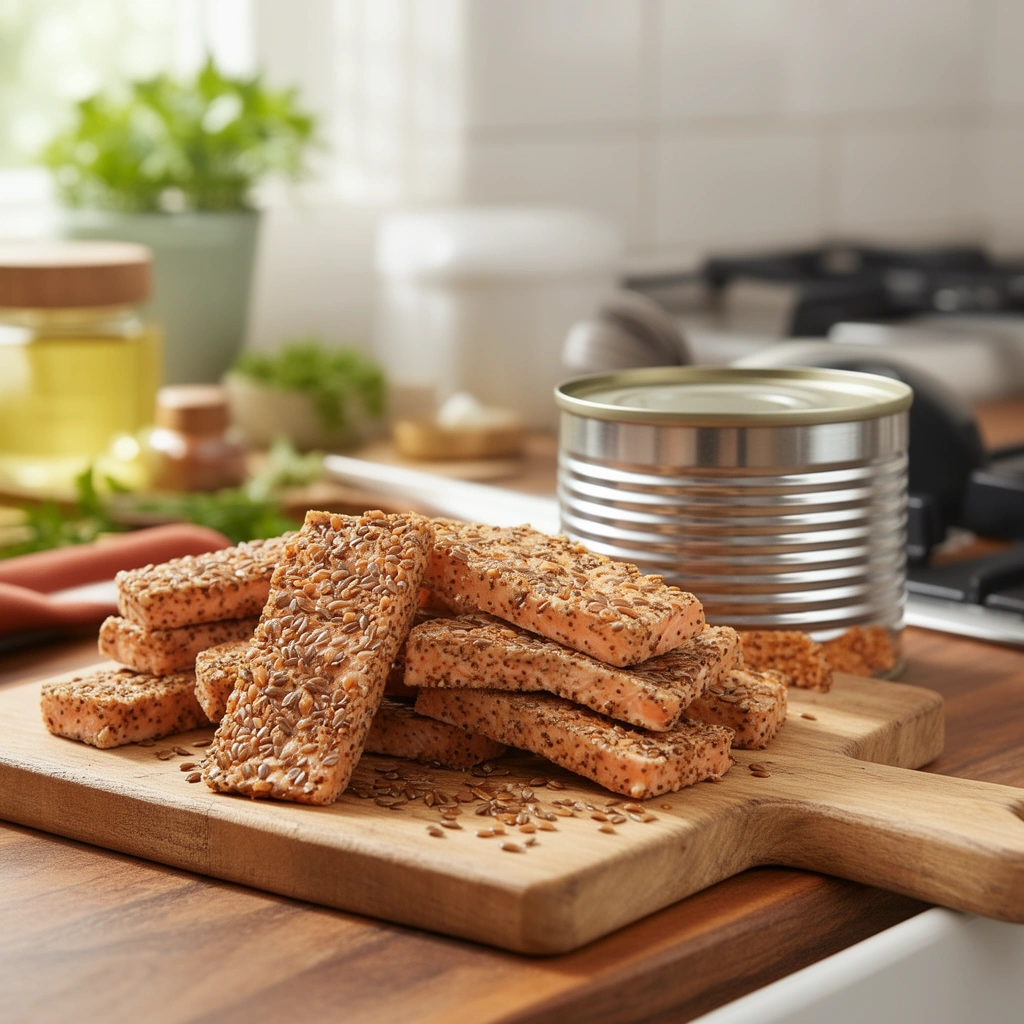
Fatty fish gives dogs a natural dose of omega-3s, which fight inflammation right at the source.
Ingredients:
- 1 can salmon (packed in water, drained)
- 2 tbsp ground flaxseed
- 1 cup whole wheat flour
- 1 egg
- 2 tbsp plain yogurt
Steps:
- Preheat oven to 325°F.
- Mash the salmon thoroughly in a large bowl.
- Stir in the egg and yogurt until combined.
- Add flaxseed and flour, mixing until a dough forms.
- Shape into small chewy rounds by hand.
- Bake for 25 minutes until golden on the edges.
- Let cool on a wire rack before storing.
Recipe 3: Bone Broth Collagen Cubes
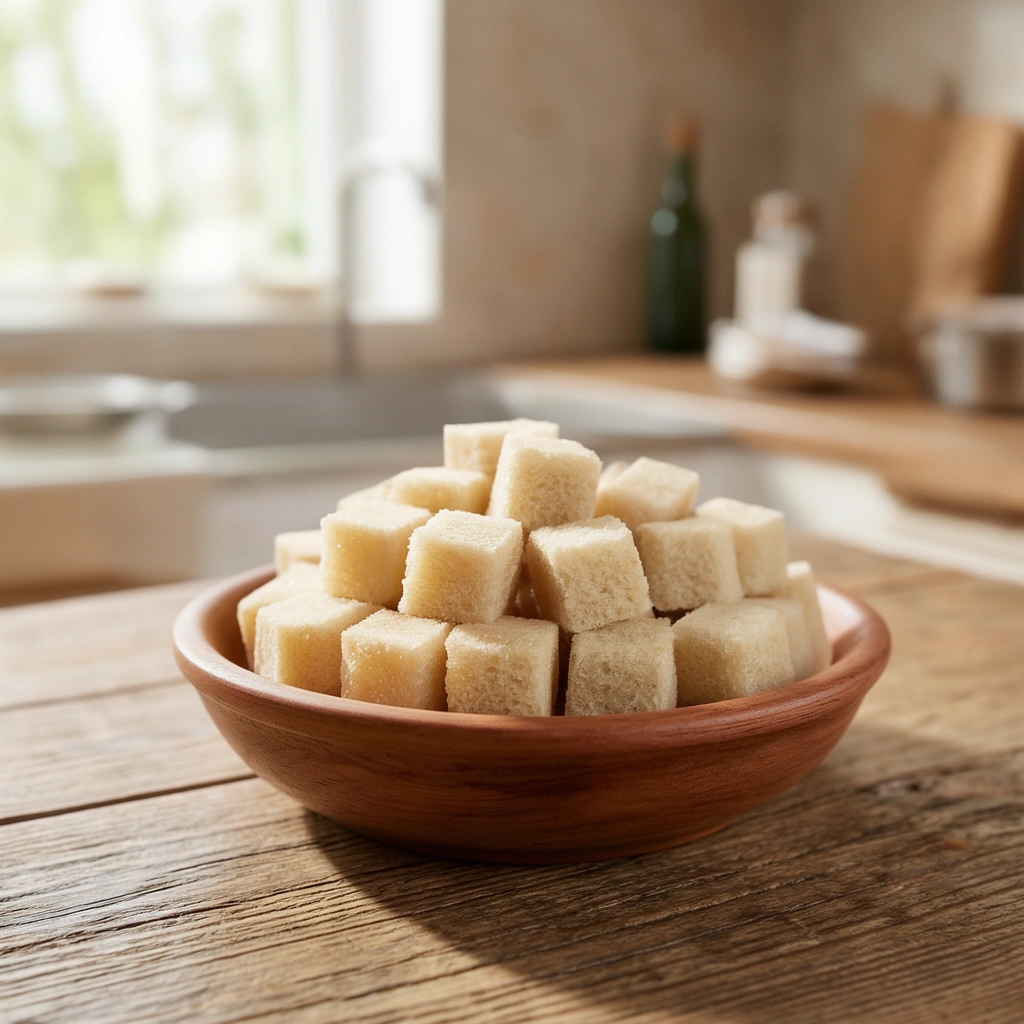
This one skips baking altogether. It’s simple, and dogs go crazy for it.
Ingredients:
- 4 cups homemade bone broth (unsalted, no onion or garlic)
- 1 packet unflavored gelatin
- 1 tsp chopped parsley
Steps:
- Warm the bone broth in a saucepan over low heat.
- Sprinkle gelatin over the broth and stir until fully dissolved.
- Add parsley for a fresh flavor boost.
- Pour the mixture into silicone ice cube trays.
- Refrigerate for at least 4 hours until set.
- Pop out cubes and store in the fridge for up to a week.
Recipe 4: Sweet Potato & Chondroitin Crunchies
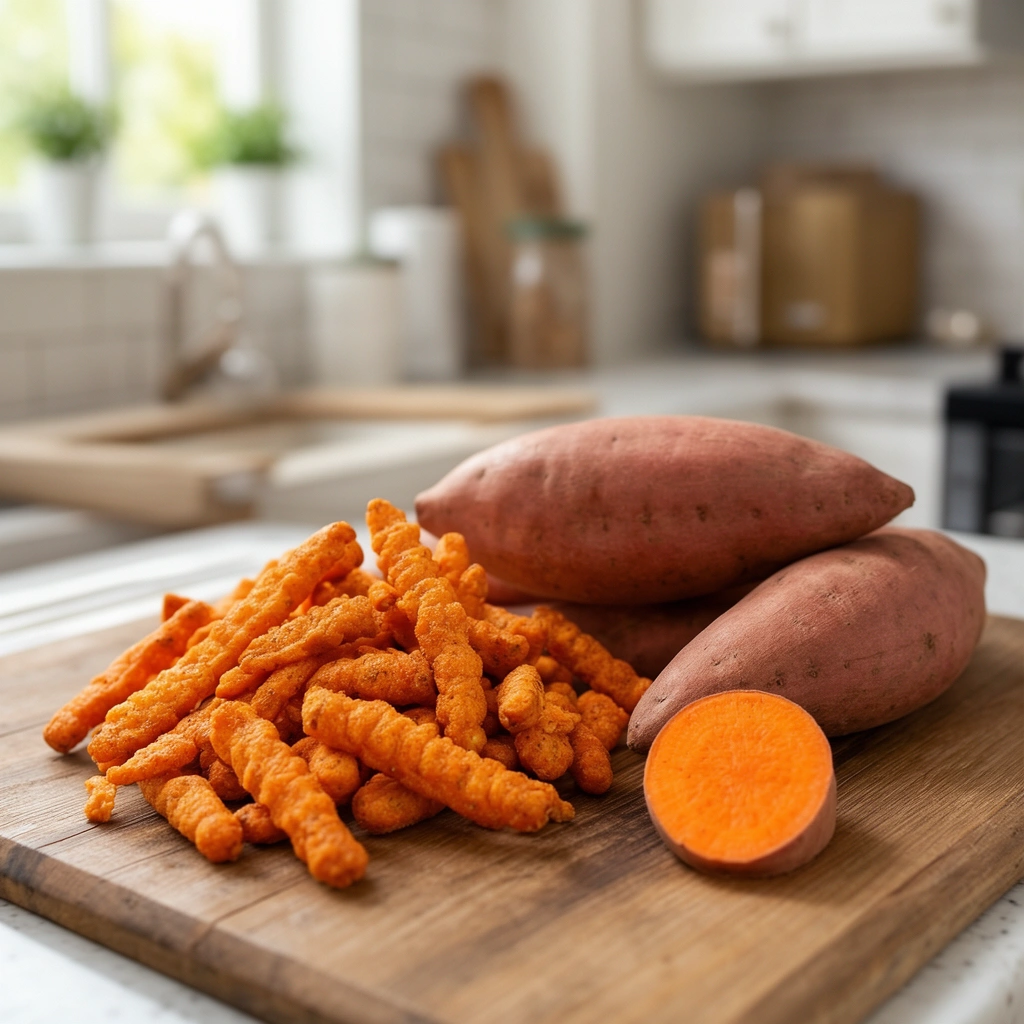
Sweet potatoes are naturally rich in vitamins, and they add a nice crunch dogs love.
Ingredients:
- 2 medium sweet potatoes, boiled and mashed
- 1/2 cup crushed chondroitin supplement tablets (vet-approved brand)
- 1 cup brown rice flour
- 1 egg
Steps:
- Preheat oven to 300°F for a low, slow bake.
- Combine mashed sweet potato with the egg.
- Mix in crushed chondroitin and rice flour until dough forms.
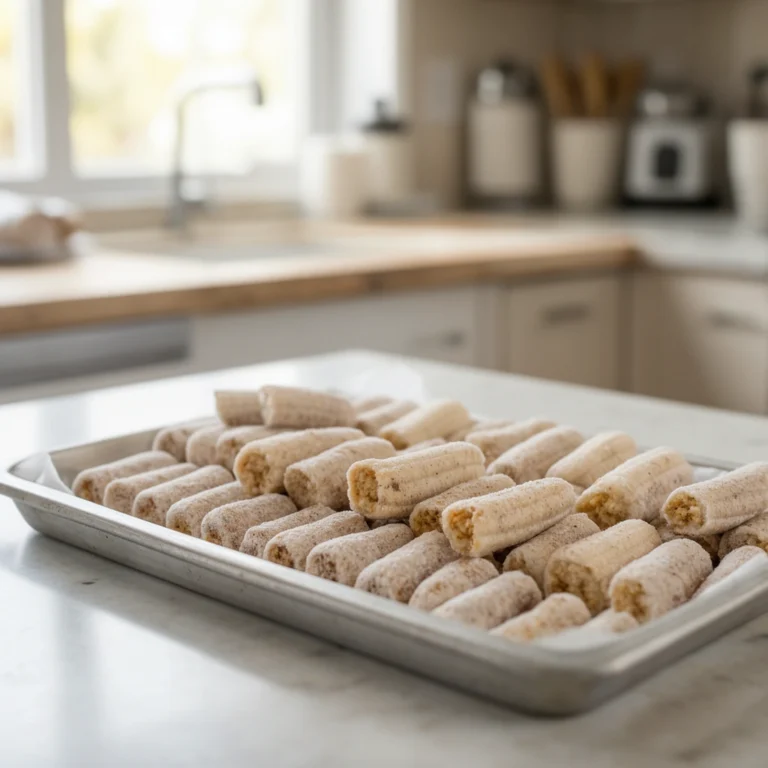
- Roll dough into small logs or coins.
- Place on a lined baking sheet.
- Bake for 45 minutes, flipping halfway, until crispy.
- Cool fully before feeding.
Recipe 5: Peanut Butter & Glucosamine Drops
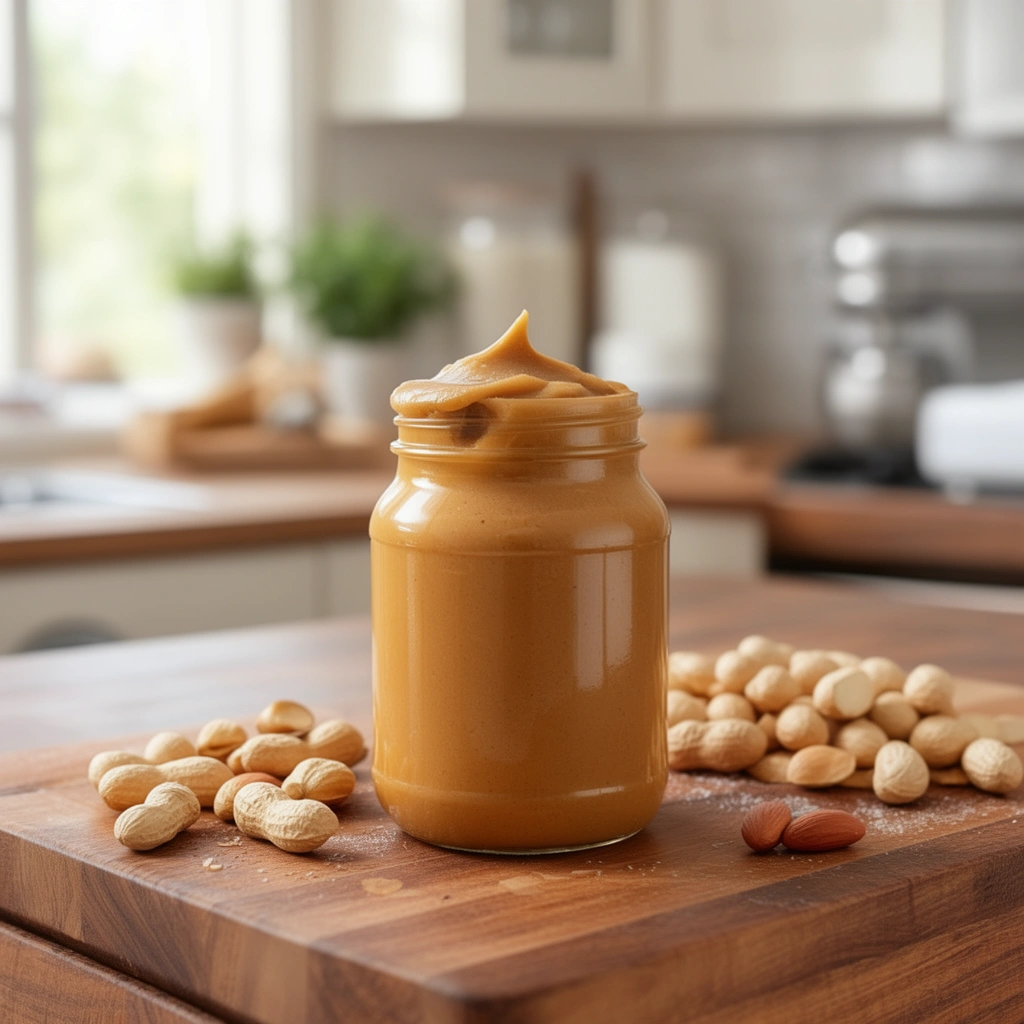
An easy no-fuss recipe that even beginner bakers can nail on the first try.
Ingredients:
- 1 cup natural peanut butter (no xylitol!)
- 1/2 cup glucosamine powder (dog-safe)
- 1 cup oats, ground into flour
- 1 egg
Steps:
- Preheat oven to 340°F.
- Mix peanut butter and egg until creamy.
- Stir in glucosamine powder thoroughly.
- Add ground oats to form a thick dough.
- Drop small spoonfuls onto a baking sheet.
- Flatten slightly with a fork.
- Bake for 18-20 minutes until edges turn golden.
- Cool before storing in an airtight container.
Tips for Success
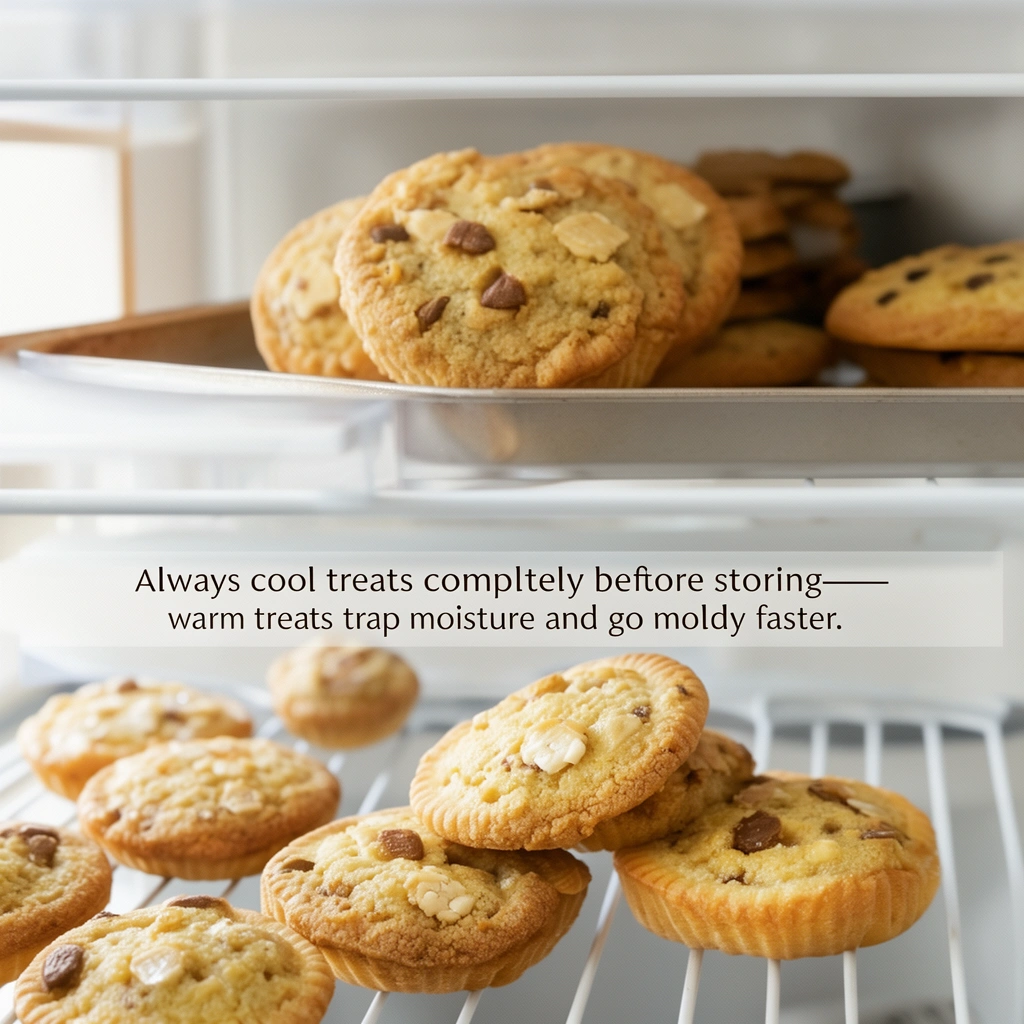
- Always cool treats completely before storing—warm treats trap moisture and go moldy faster.
- Store in the fridge if your recipe includes fresh ingredients like yogurt or broth.
- Use a food scale for supplements like glucosamine and chondroitin. Guessing leads to under- or over-dosing.
- Introduce new treats slowly. Watch for tummy upset over the first few days.
- Talk to your vet about the right supplement dosage based on your dog’s exact weight.
Common Mistakes and How to Avoid Them
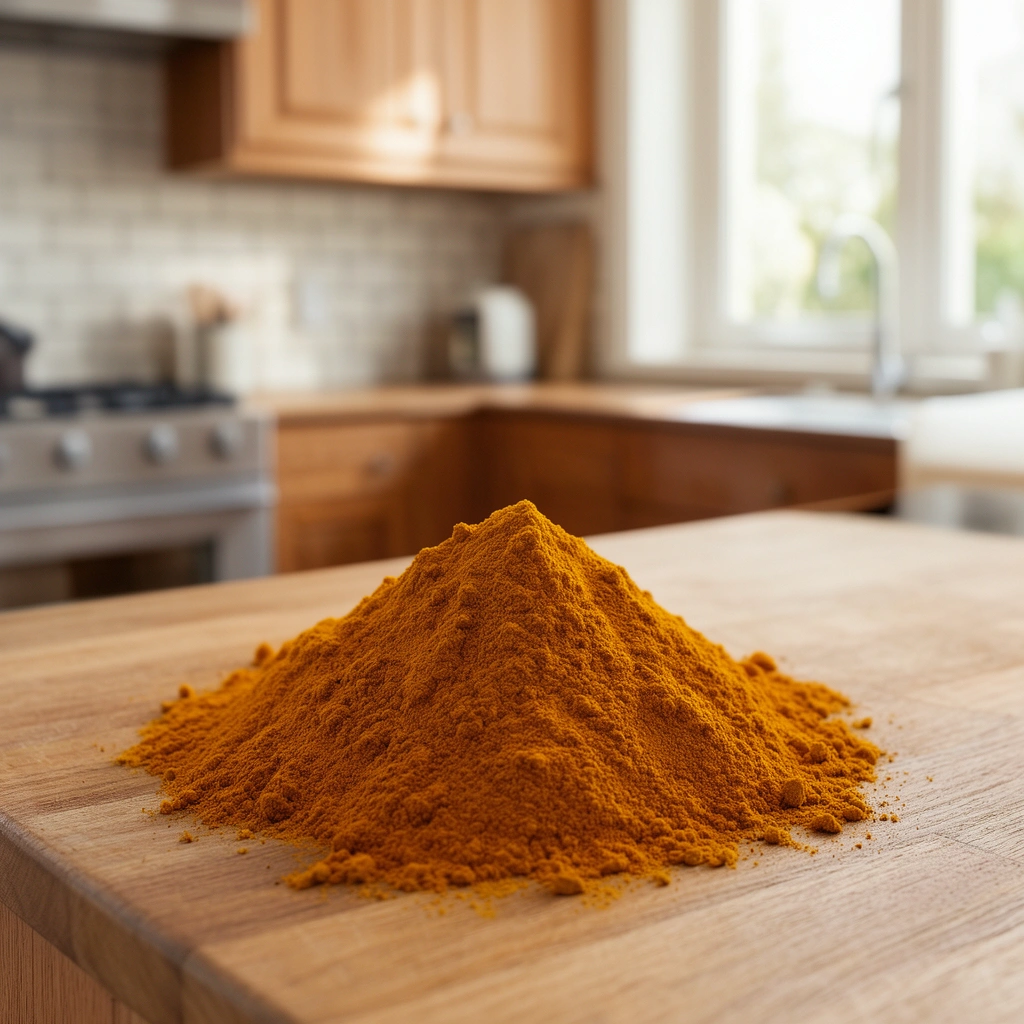
Mistake: Using human-grade turmeric supplements with additives
: Fix it by sticking to pure turmeric powder without added flavors or fillers.
Mistake: Overbaking treats until they’re rock hard
: Fix it by checking treats 5 minutes before the recipe’s suggested time.
Mistake: Skipping the vet consultation before adding supplements
: Fix it by getting a quick check-up, especially if your dog takes other medications.
Mistake: Using salty broth or bouillon
: Fix it by making your own broth or checking labels closely for sodium content.
Mistake: Feeding too many treats per day
: Fix it by treating these as supplements, not meals. Stick to 1-2 treats daily for large breeds.
Similar Variations You Can Try
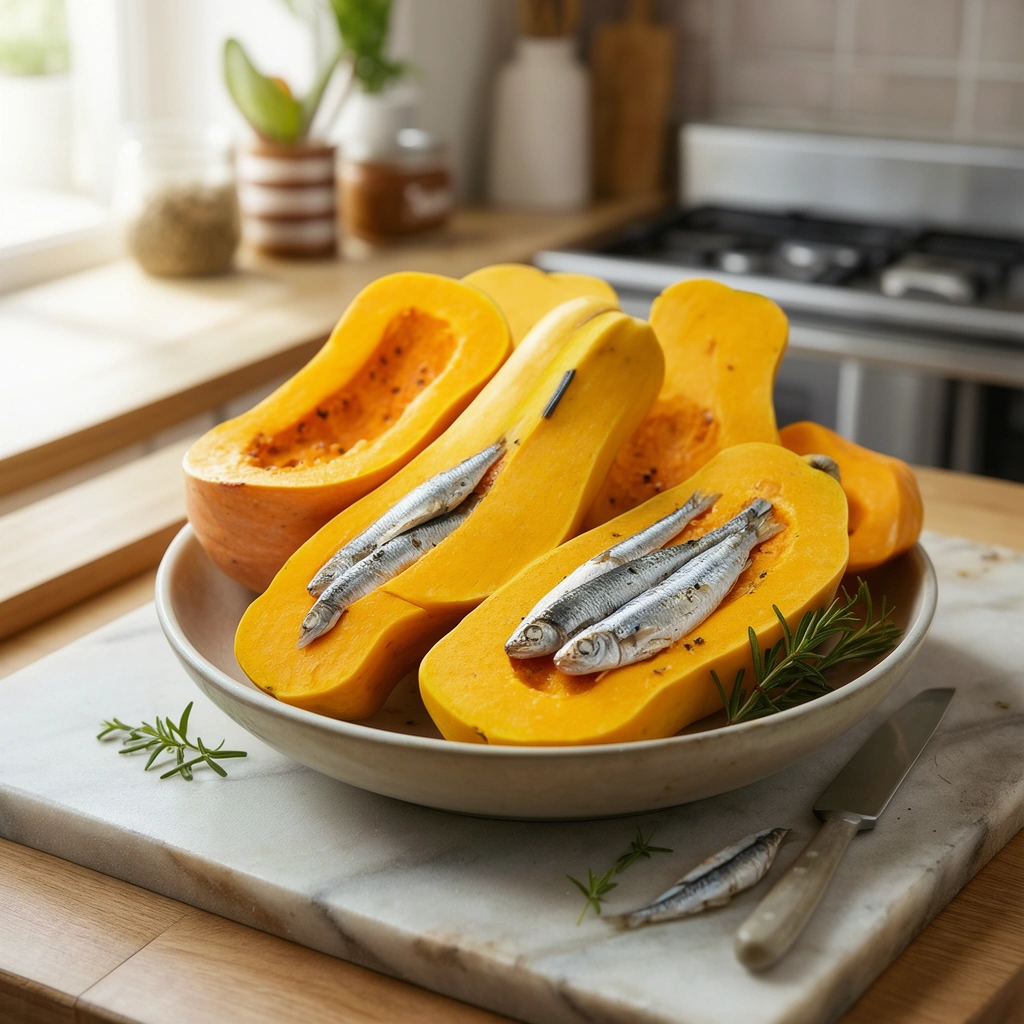
- Swap pumpkin for butternut squash in Recipe 1 for a slightly sweeter flavor.
- Replace salmon with sardines in Recipe 2 for an even bigger omega-3 boost.
- Add a spoon of green-lipped mussel powder to any recipe for extra natural glucosamine.
- Try freeze-dried liver crumbles mixed into the dough for picky eaters.
- Use goat’s milk instead of yogurt for dogs with dairy sensitivities.
Wrapping It Up
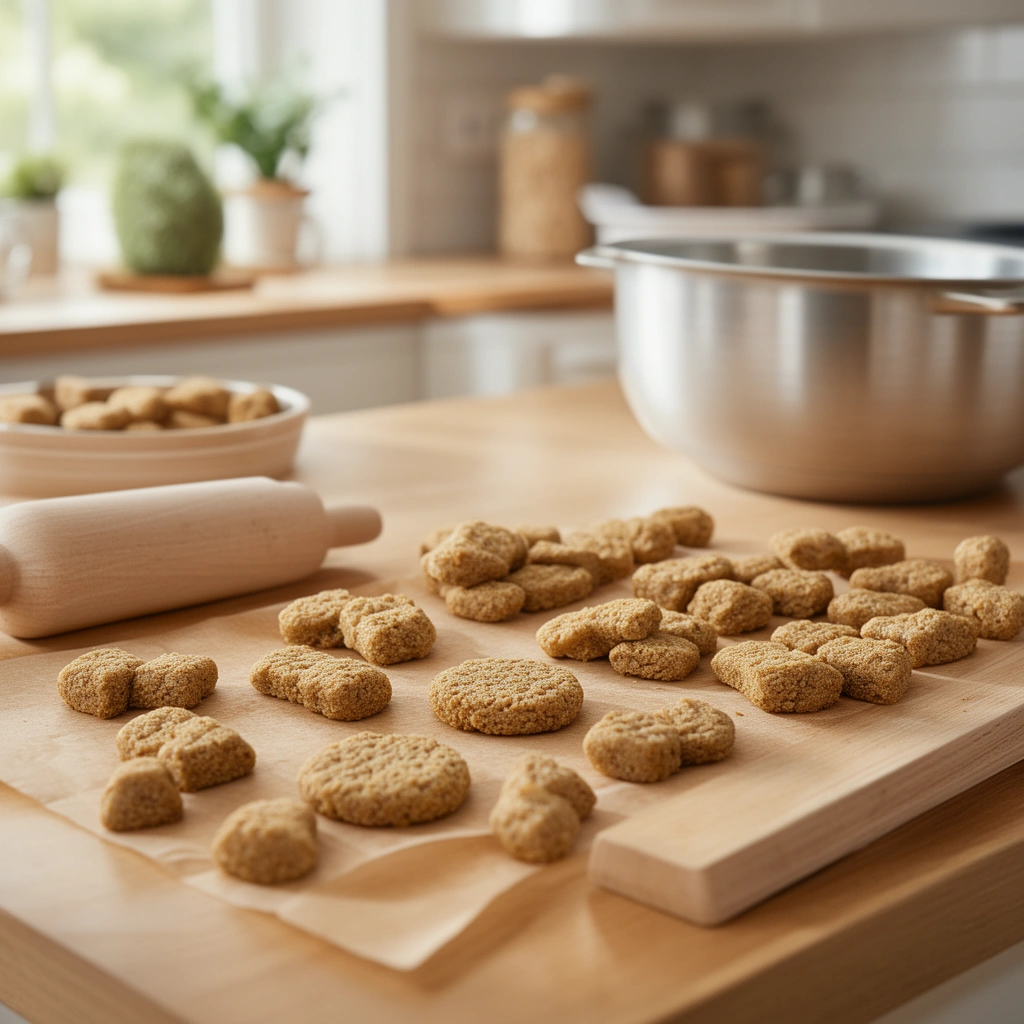
Making joint-support treats for large breed dogs at home isn’t complicated. It just takes the right ingredients and a little patience. Whether you go with the pumpkin turmeric bites or the peanut butter glucosamine drops, you’re giving your dog real support where it counts most—their joints.
I’ve seen firsthand how much of a difference these treats can make. Bruno’s back to jumping on the couch, and my own dog’s morning stiffness has noticeably eased. Start with one recipe, watch how your dog responds, and build from there. Your big dog deserves treats that do more than taste good—these joint-support treats for large breed dogs actually help them move better, day after day.