3 Dog Treats for Omega-3 Boost: Simple Recipes Your Pup Will Beg For
Ever notice your dog’s coat looking a little dull, or catch them scratching more than usual? I’ve been there. That’s when I started digging into omega-3 boost recipes for dogs, and honestly, it changed the game for my own pup’s skin and coat health. Today I’m sharing three treats that pack a serious omega-3 punch, plus everything I wish someone had told me before I started baking for my dog.
Why Omega-3s Actually Matter for Dogs
Before jumping into recipes, let’s talk basics. Omega-3 fatty acids aren’t just a trendy supplement—they support joint health, brain function, and that shiny coat we all want to show off at the dog park.
Here’s a quick breakdown of terms you’ll see throughout this post:
EPA (Eicosapentaenoic Acid)
: An omega-3 fatty acid found mainly in fish oil that helps reduce inflammation in joints and skin.
DHA (Docosahexaenoic Acid)
: Supports brain and eye development, especially important for puppies and senior dogs.
ALA (Alpha-Linolenic Acid)
: A plant-based omega-3 found in flaxseed and chia seeds; dogs convert it less efficiently than fish-based omega-3s.
Rancidity
: When fats break down and turn bad, often from heat or light exposure—something you need to watch for when storing omega-3 rich treats.
Got it? Good. Let’s get into the actual treats.
Treat #1: Salmon and Sweet Potato Bites

This one’s my personal favorite because salmon is loaded with EPA and DHA, and dogs genuinely go nuts for the smell (even if it’s not the best smell for us humans).
What You’ll Need
- 1 cup cooked, boneless salmon (canned in water works fine)
- 1 medium sweet potato, cooked and mashed
- 1 egg
- 1 cup oat flour
- 1 tablespoon fish oil (extra omega-3 kick)
Step-by-Step Process
- Preheat your oven to 350°F (175°C).
- Mash the cooked sweet potato until smooth, no lumps.
- Flake the salmon apart with a fork, removing any bones you spot.
- Mix salmon, sweet potato, egg, and fish oil together in a bowl.
- Add oat flour gradually until you get a dough that holds together but isn’t sticky.
- Roll into small balls or flatten into coin shapes, about the size of a quarter.
- Place on a parchment-lined baking sheet with space between each treat.
- Bake for 20-25 minutes until firm and slightly golden on edges.
- Cool completely before storing or serving.
Tips for Success
- Use fresh or canned salmon packed in water, never oil or seasoning.
- Check for pin bones even in canned salmon—better safe than sorry.
- Let treats cool fully; warm treats crumble easily.
Common Mistakes and How to Avoid Them
- Mistake: Using salmon with added salt or spices.
Fix: Stick to plain, unseasoned salmon only. - Mistake: Overbaking, which destroys omega-3 potency.
Fix: Pull treats out right when edges turn golden, not brown.
Variations to Try
- Swap sweet potato for pumpkin puree for a lower-sugar option.
- Add a pinch of turmeric for extra anti-inflammatory benefits.
Treat #2: Sardine and Pumpkin Crunchies
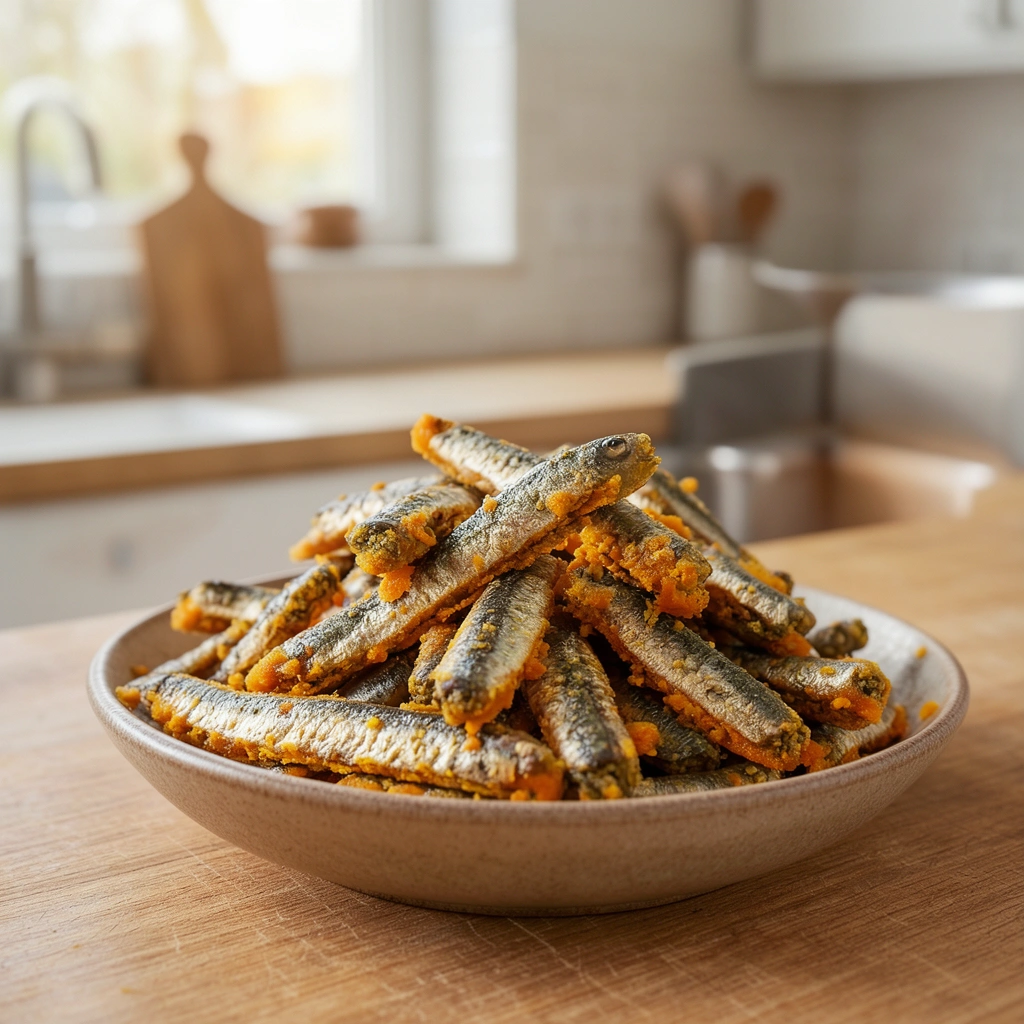
Sardines are basically tiny omega-3 bombs, and they’re way cheaper than salmon. Plus, most dogs act like sardines are the best thing that ever happened to them.
What You’ll Need
- 1 can sardines in water, drained
- 1/2 cup pumpkin puree (plain, not spiced)
- 1 1/2 cups whole wheat flour or oat flour
- 1 egg
Step-by-Step Process
- Preheat oven to 325°F (160°C).
- Mash sardines thoroughly in a large bowl until they’re almost paste-like.
- Add pumpkin puree and egg, stirring until combined.
- Slowly incorporate flour, mixing until dough forms.
- Roll dough out on a flat surface to about 1/4 inch thickness.
- Cut into small shapes using a cookie cutter or just a knife for squares.
- Arrange on a parchment-lined tray.
- Bake for 18-20 minutes until firm to the touch.
- Allow to cool before offering to your dog.
Tips for Success
- Drain sardines well—excess liquid makes dough too wet.
- Use a food processor if mashing by hand feels tedious.
- Store in the fridge since these have higher moisture content.
Common Mistakes and How to Avoid Them
- Mistake: Skipping the draining step.
Fix: Pat sardines dry with a paper towel before mashing. - Mistake: Making treats too thick, leading to soggy centers.
Fix: Keep dough thickness consistent at 1/4 inch for even baking.
Variations to Try
- Mix in a tablespoon of ground flaxseed for added ALA omega-3s.
- Try mackerel instead of sardines for a slightly different flavor profile.
Treat #3: Flaxseed and Peanut Butter Chews
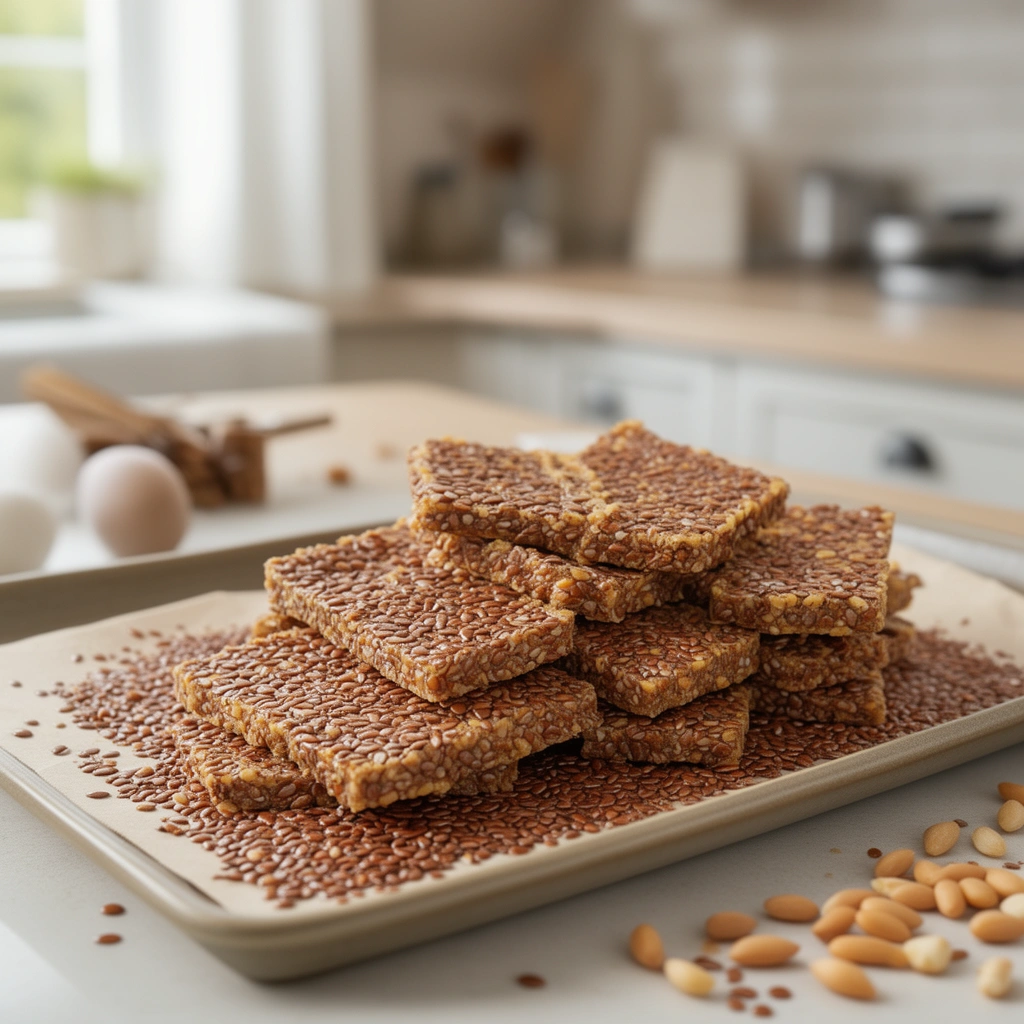
Not every dog loves fishy treats, and that’s okay. This recipe uses ground flaxseed as a plant-based omega-3 source, paired with peanut butter because, well, dogs are obsessed with it.
What You’ll Need
- 1/4 cup ground flaxseed
- 1/2 cup natural peanut butter (no xylitol, ever)
- 1 cup oat flour
- 1 egg
- 2 tablespoons water (if needed)
Step-by-Step Process
- Preheat oven to 350°F (175°C).
- Combine peanut butter and egg in a mixing bowl until smooth.
- Stir in ground flaxseed thoroughly.
- Add oat flour bit by bit, mixing as you go.
- If dough feels too dry, add water one tablespoon at a time.
- Roll dough into small logs or use a cookie cutter for fun shapes.
- Place on a lined baking sheet, spaced apart.
- Bake for 15-18 minutes until edges are firm.
- Cool completely before storing.
Tips for Success
- Always double-check peanut butter labels for xylitol—it’s toxic to dogs.
- Grind flaxseed fresh if possible; whole seeds pass through undigested.
- Store in an airtight container to prevent flaxseed oils from going rancid.
Common Mistakes and How to Avoid Them
- Mistake: Using flavored or sweetened peanut butter.
Fix: Choose plain, unsalted, natural peanut butter only. - Mistake: Storing treats at room temperature for weeks.
Fix: Refrigerate or freeze extras to preserve omega-3 content.
Variations to Try
- Add mashed banana for natural sweetness and potassium.
- Swap peanut butter for sunflower seed butter if your dog has allergies.
Storage Tips Nobody Talks About
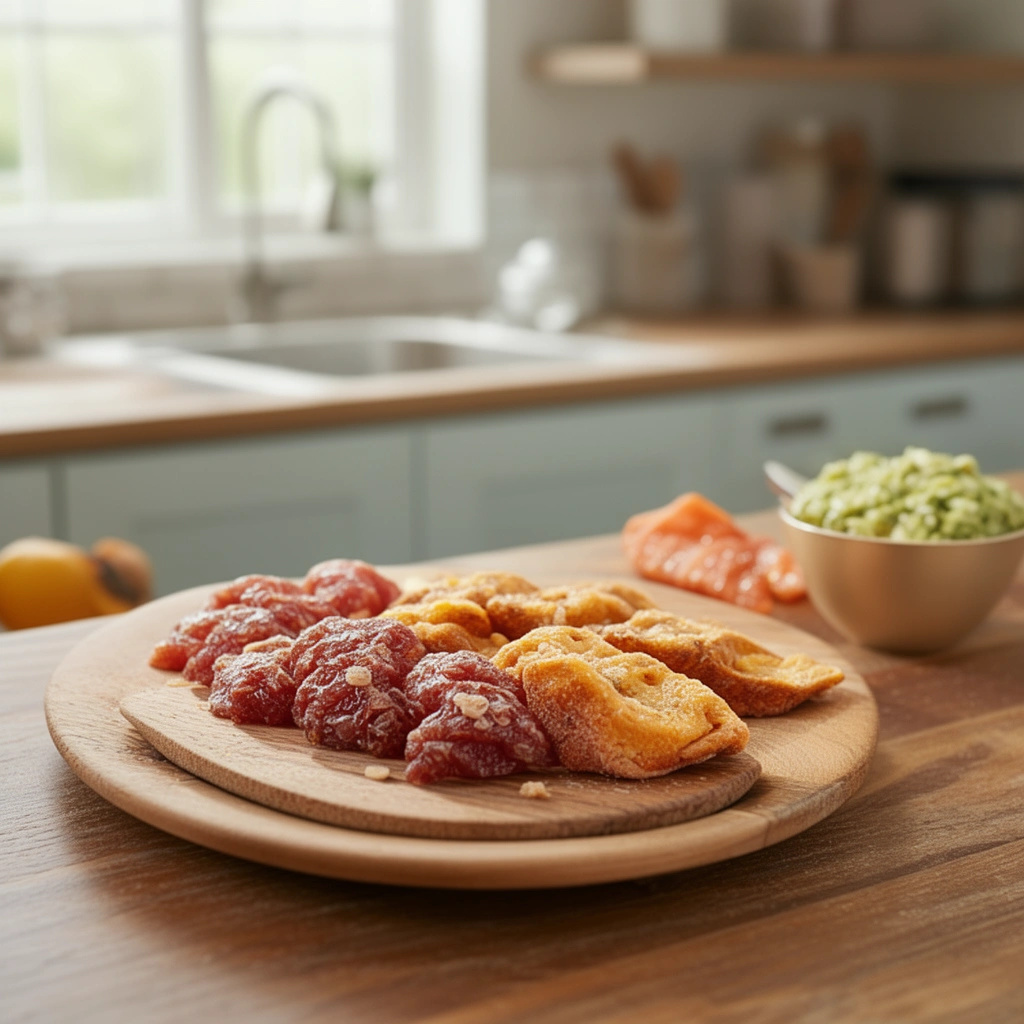
Here’s something most articles skip entirely: omega-3 fats degrade fast. Light, heat, and air are the enemies. I always store my treats in the fridge for up to a week or freeze them for longer stretches, up to three months. Glass containers work better than plastic since they don’t absorb odors or trap moisture as easily.
How Much Is Too Much?

Portion control matters here. Treats should never make up more than 10% of your dog’s daily caloric intake. For a medium-sized dog, that typically means one or two small treats per day, not a handful. Too much fish oil or flaxseed can actually cause loose stools, so ease into it slowly if your pup hasn’t had omega-3 treats before.
Outro
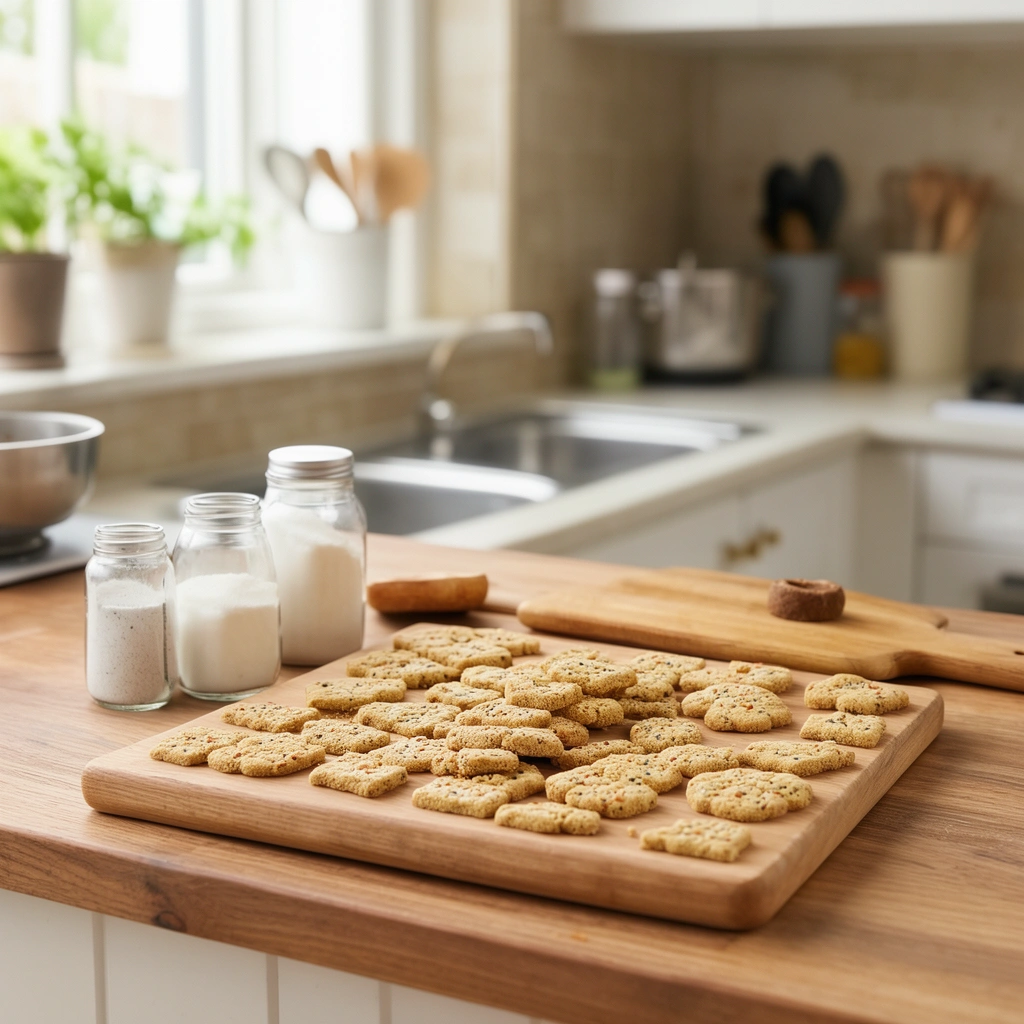
Making omega-3 boost treats at home doesn’t require fancy equipment or rare ingredients—just some patience and a willingness to get a little messy in the kitchen. Whether you go with salmon, sardines, or flaxseed, your dog’s coat and joints will thank you down the road. I’d start with whichever protein your dog already loves, then branch out from there.
Give one of these omega-3 boost recipes a try this week, and watch how fast your dog starts recognizing the sound of that oven timer.