5 Salmon or Sardine Dog Treats for Omega-3 (That Your Pup Will Beg For)
Ever caught your dog staring at your dinner plate the second salmon hits the pan? Yeah, me too. And honestly, I don’t blame them. Salmon and sardines aren’t just tasty—they’re loaded with omega-3 fatty acids that do wonders for your dog’s skin, coat, joints, and even brain health. If you’ve been searching for salmon or sardine dog treats that actually work and taste great, you’re in the right spot.
I’ve tested a bunch of homemade fish treat recipes over the years, and I noticed something. Most articles online give you a recipe or two, then leave you hanging on the important stuff—like how much omega-3 your dog actually needs, whether fish bones are safe, or how long these treats even last in your fridge. That’s a problem. So today, I’m fixing that. This guide covers five different treats, plus everything else you need to know to make them safely and successfully.
Let’s get into it.
Why Salmon and Sardines Matter for Your Dog
Before we start cooking, let’s talk about why these two fish are such a big deal in the dog world.
Omega-3 fatty acids reduce inflammation, support heart health, and keep your dog’s coat shiny instead of dull and flaky. Salmon and sardines are two of the richest natural sources out there, way better than most fish oil supplements sitting on store shelves.
Here’s a quick breakdown of key terms you’ll see throughout this article:
Omega-3 Fatty Acids
: Essential fats that dogs can’t produce on their own. They fight inflammation and support skin, joint, and brain health.
EPA (Eicosapentaenoic Acid)
: An omega-3 type that mainly targets inflammation and joint pain.
DHA (Docosahexaenoic Acid)
: An omega-3 type crucial for brain development and function, especially in puppies and senior dogs.
Dehydrating
: A cooking method that removes moisture from food using low heat over several hours, creating a chewy or crispy treat.
Rendering
: The process of cooking fat out of fish or meat, often used to create oils or reduce grease in treats.
Now, let’s talk about the treats themselves.
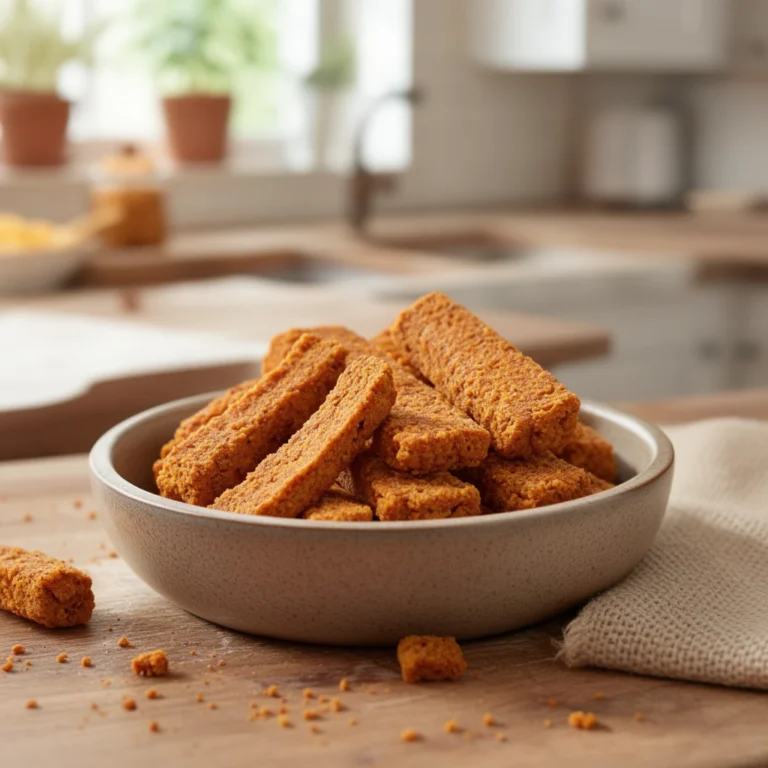
Recipe 1: Baked Salmon Jerky Strips
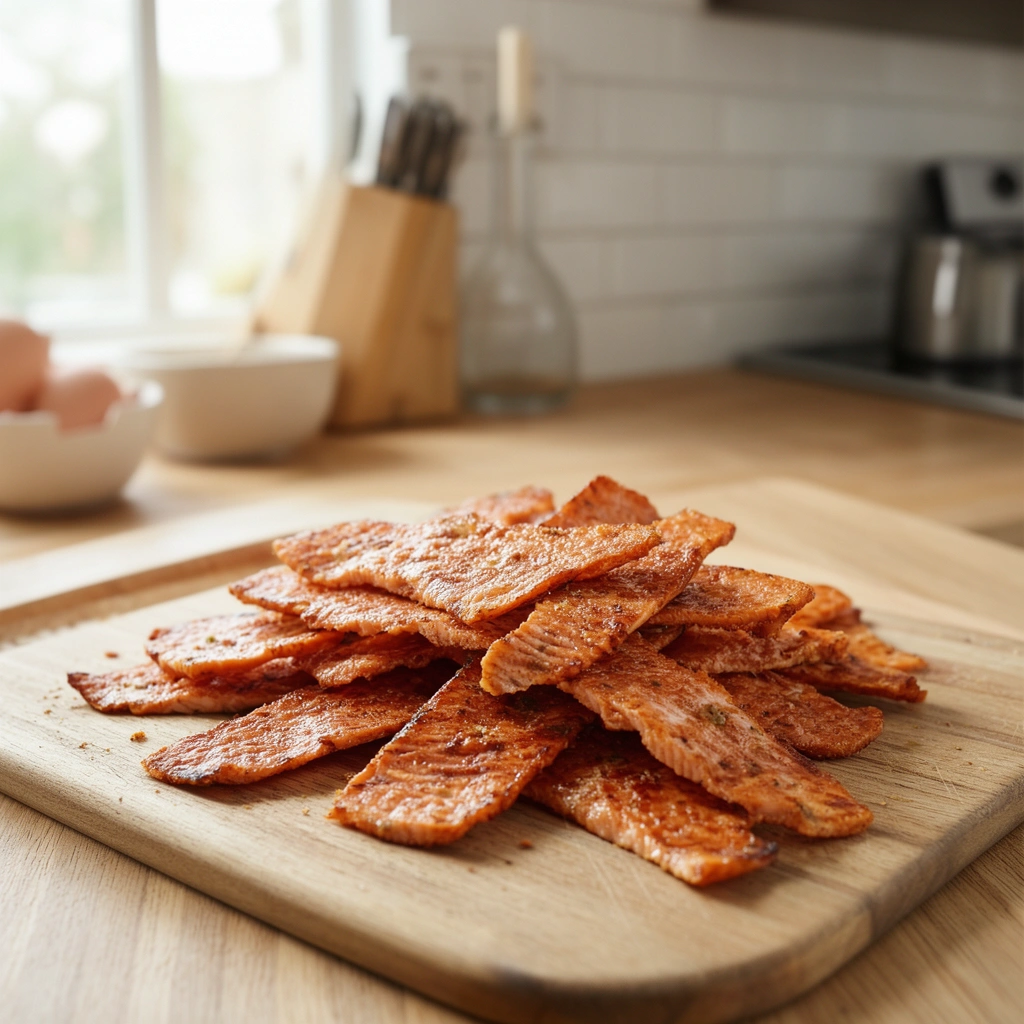
This one’s a classic. Chewy, meaty, and simple enough for a weekend project.
What you’ll need:
- 1 pound fresh or thawed salmon fillet (skin removed)
- No salt, no seasoning—dogs don’t need it
Steps:
- Preheat your oven to 200°F. Low and slow is the name of the game here.
- Slice the salmon into thin strips, about a quarter-inch thick. Try to keep them even so they dry at the same rate.
- Lay the strips on a parchment-lined baking sheet, leaving space between each piece.
- Bake for 3 to 4 hours, flipping halfway through.
- Check for doneness. The jerky should feel dry and slightly stiff, not mushy.
- Let it cool completely before storing.
Store these in an airtight container in the fridge for up to a week, or freeze for up to three months.
Recipe 2: Sardine and Sweet Potato Bites
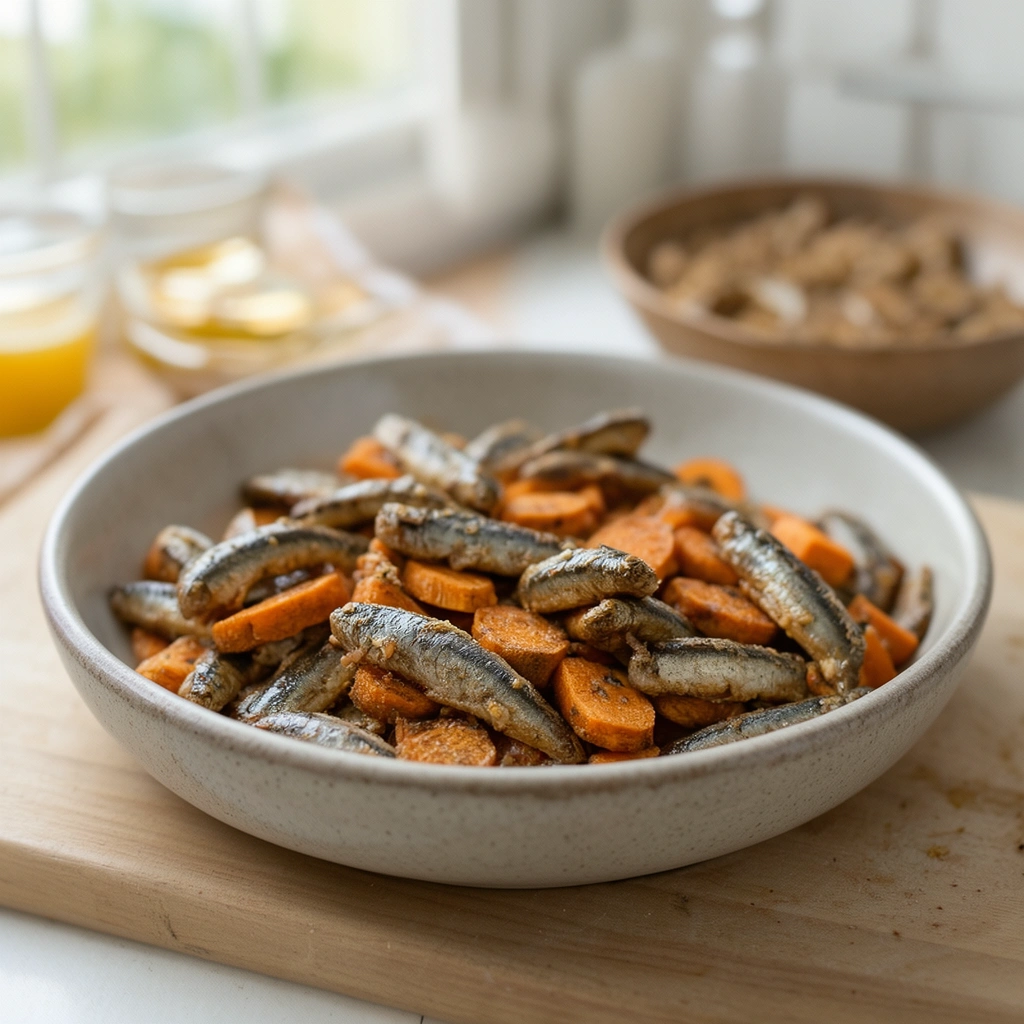
Sardines are smaller, oilier, and packed with calcium since you usually eat them bones and all. This recipe blends them with sweet potato for a soft, chewable treat.
Ingredients:
- 1 can sardines packed in water (no salt added)
- 1 medium sweet potato, cooked and mashed
- 1 egg
- 1 cup oat flour
Steps:
- Preheat your oven to 350°F.
- Mash the sardines thoroughly, bones included—they’re soft and safe once canned.
- Mix the sardines, sweet potato, and egg in a bowl until combined.
- Slowly add oat flour until the mixture forms a dough you can roll.
- Roll into small balls or flatten into bite-sized rounds.
- Place on a lined baking sheet and bake for 20 minutes.
- Cool before serving.
These freeze well too. Just thaw a few overnight in the fridge before treat time.
Recipe 3: Frozen Salmon Yogurt Drops

Perfect for summer, or for pups who like a cold snack after a walk.
Ingredients:
- 1 cup plain Greek yogurt (no xylitol, ever)
- 1/2 cup cooked, flaked salmon
- 1 tablespoon salmon oil (optional, for extra omega-3 boost)
Steps:
- Mix the yogurt, flaked salmon, and salmon oil in a bowl.
- Spoon small dollops onto a parchment-lined tray, or use a silicone mold for even sizing.
- Freeze for at least 4 hours.
- Pop them out and store in a freezer bag.
These melt fast, so serve them outside or over an easy-to-clean floor.
Recipe 4: Salmon Skin Crisps
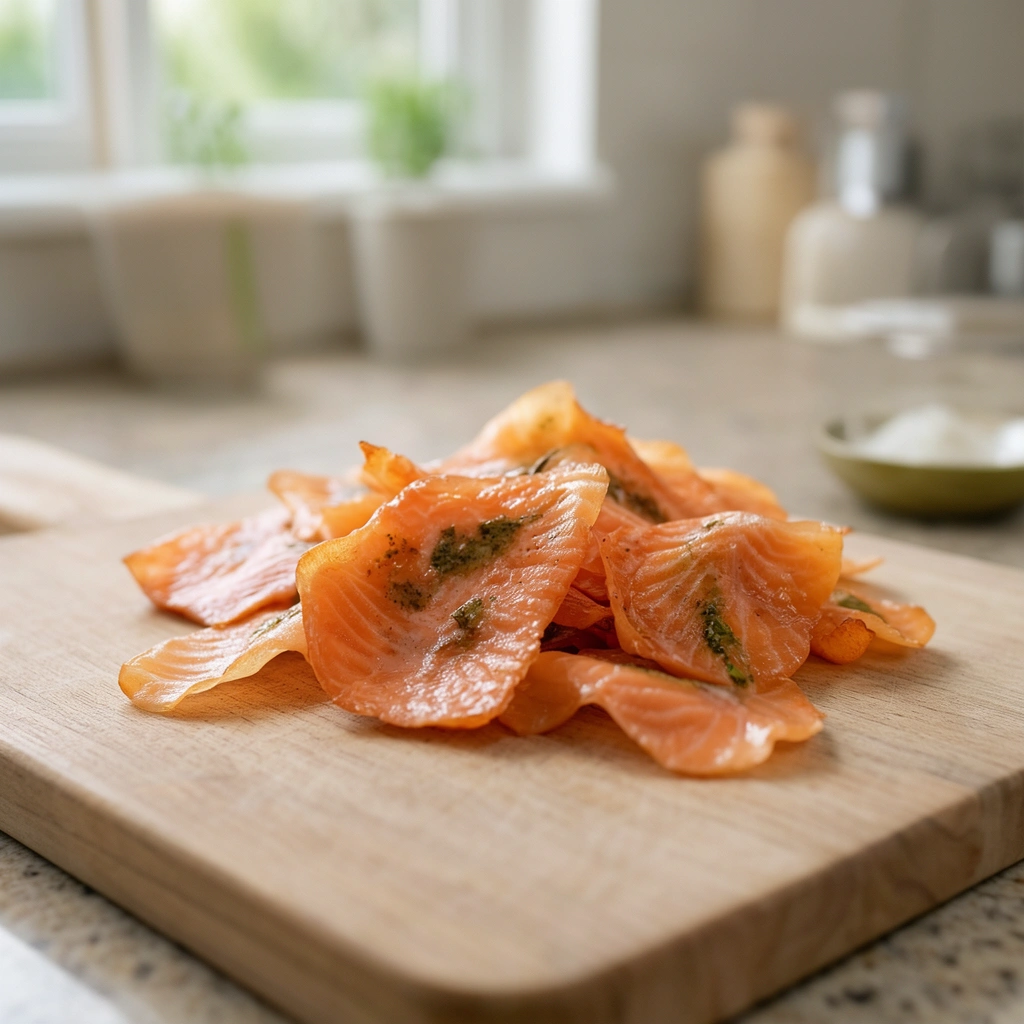
Don’t toss that salmon skin—it’s actually where a lot of the fat and flavor live.
Ingredients:
- Skin from 2-3 salmon fillets
- Nothing else needed
Steps:
- Preheat your oven to 275°F.
- Scrape any excess flesh off the skin with a spoon.
- Lay the skins flat on a wire rack over a baking sheet, so air circulates underneath.
- Bake for 20-25 minutes, checking often. They should curl and crisp up but not burn.
- Let cool until fully crunchy.
Break these into smaller pieces for training treats—dogs go crazy for the smell.
Recipe 5: Sardine and Oat Training Bites

Small, low-calorie, and easy to carry in your pocket during walks or training sessions.
Ingredients:
- 1 can sardines in water
- 1 cup rolled oats, blended into flour
- 1 egg
Steps:
- Preheat oven to 325°F.
- Blend the sardines, egg, and oat flour together until smooth.
- Spread the mixture thin on a lined baking sheet, about a quarter-inch thick.
- Bake for 15 minutes, then cut into small squares while still warm.
- Return to the oven for another 10 minutes to firm up.
- Cool completely before breaking apart.
Tips for Success
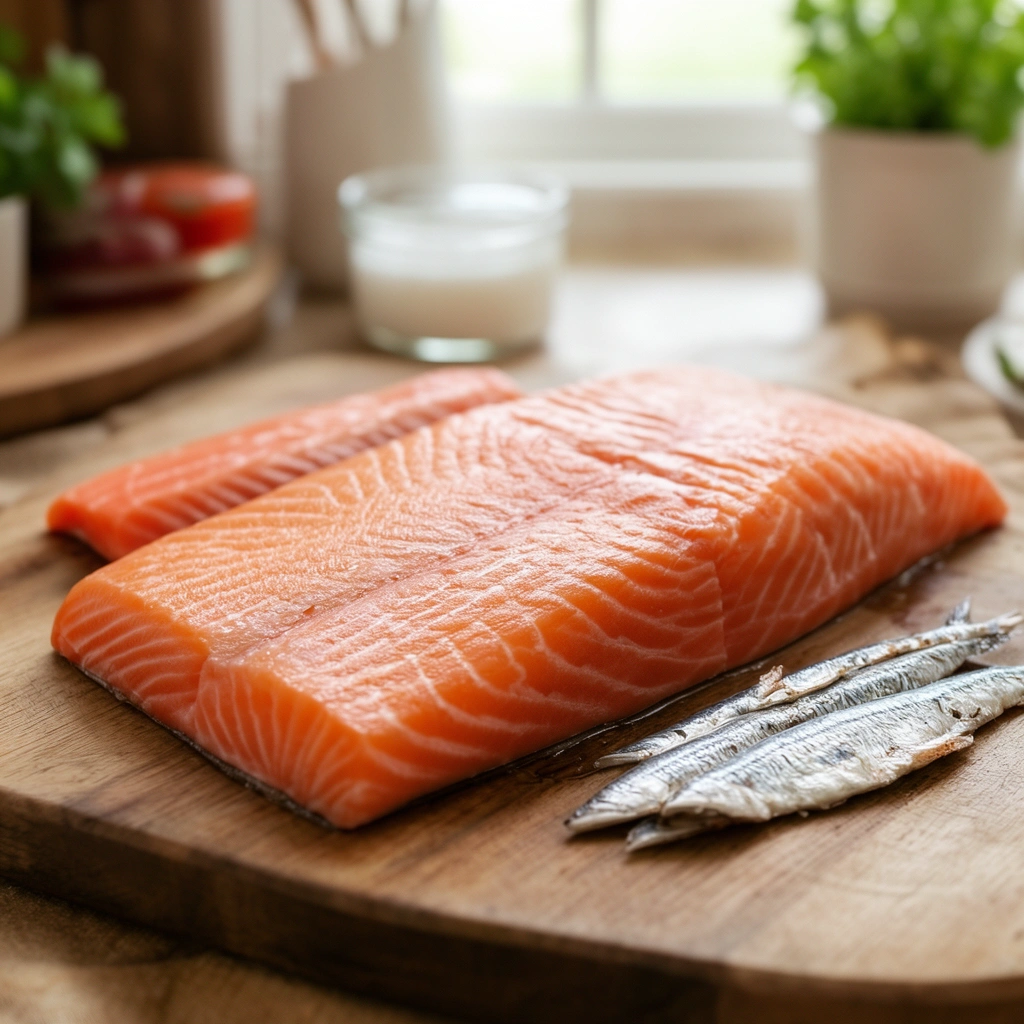
- Always remove larger fish bones from raw salmon—canned sardines are fine since their bones soften during processing.
- Use parchment paper or silicone mats to prevent sticking and make cleanup easier.
- Keep portions small. Fish treats are rich, and too much can cause loose stools.
- Introduce any new fish treat slowly, especially if your dog has never eaten fish before.
- Store treats properly. Fridge for a week, freezer for a few months, and always label with the date.
Common Mistakes and How to Avoid Them
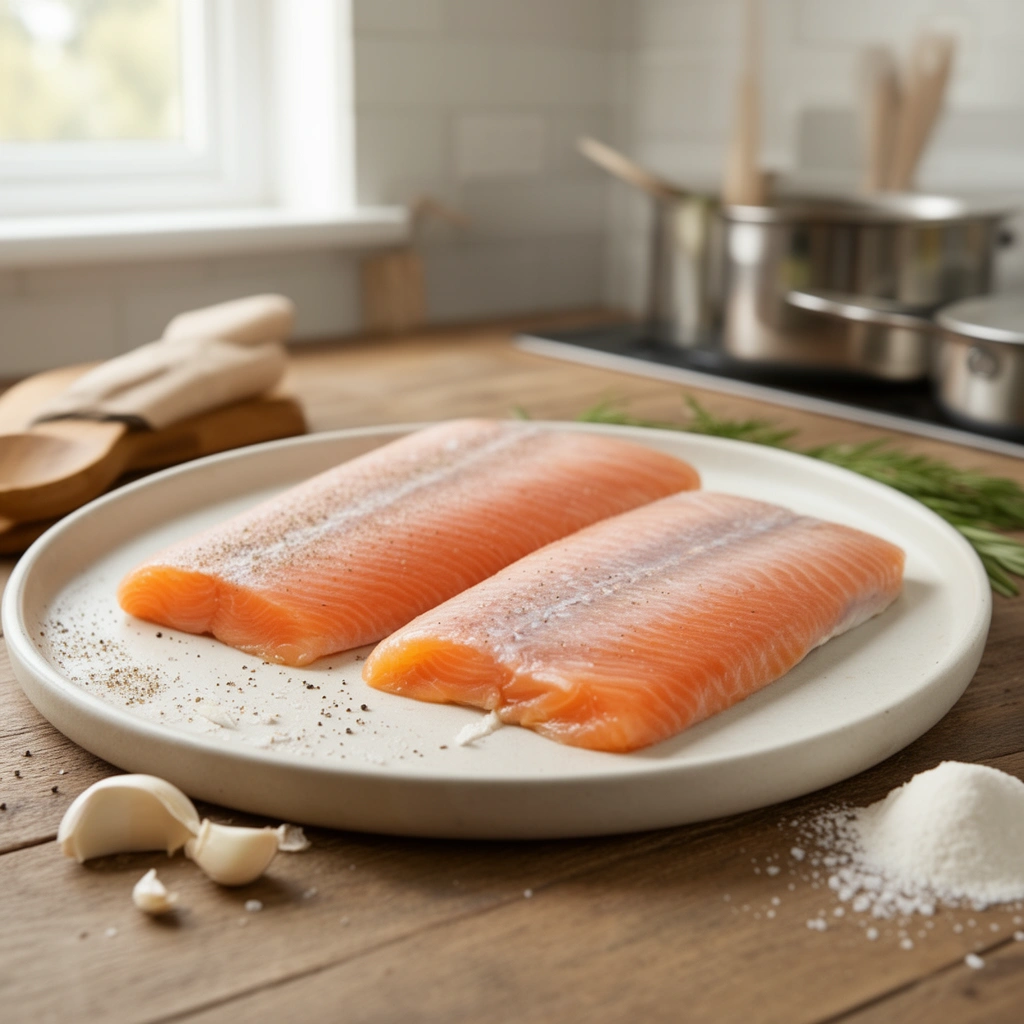
Mistake: Using seasoned or smoked salmon.
Fix: Stick to plain, unseasoned fish. Garlic, onion powder, and excess salt are harmful to dogs.
Mistake: Skipping the bone check on raw salmon.
Fix: Run your fingers along the fillet before slicing to catch any stray bones.
Mistake: Overbaking until treats turn rock hard.
Fix: Check treats 15-20 minutes before the recipe’s suggested time, especially in older ovens that run hot.
Mistake: Giving too many treats at once.
Fix: Follow the 10% rule—treats should never make up more than 10% of your dog’s daily calorie intake.
Mistake: Forgetting to consult your vet for dogs with existing health conditions.
Fix: Dogs with pancreatitis or fish allergies may need to avoid high-fat fish treats altogether. Always check first.
Variations You Can Try
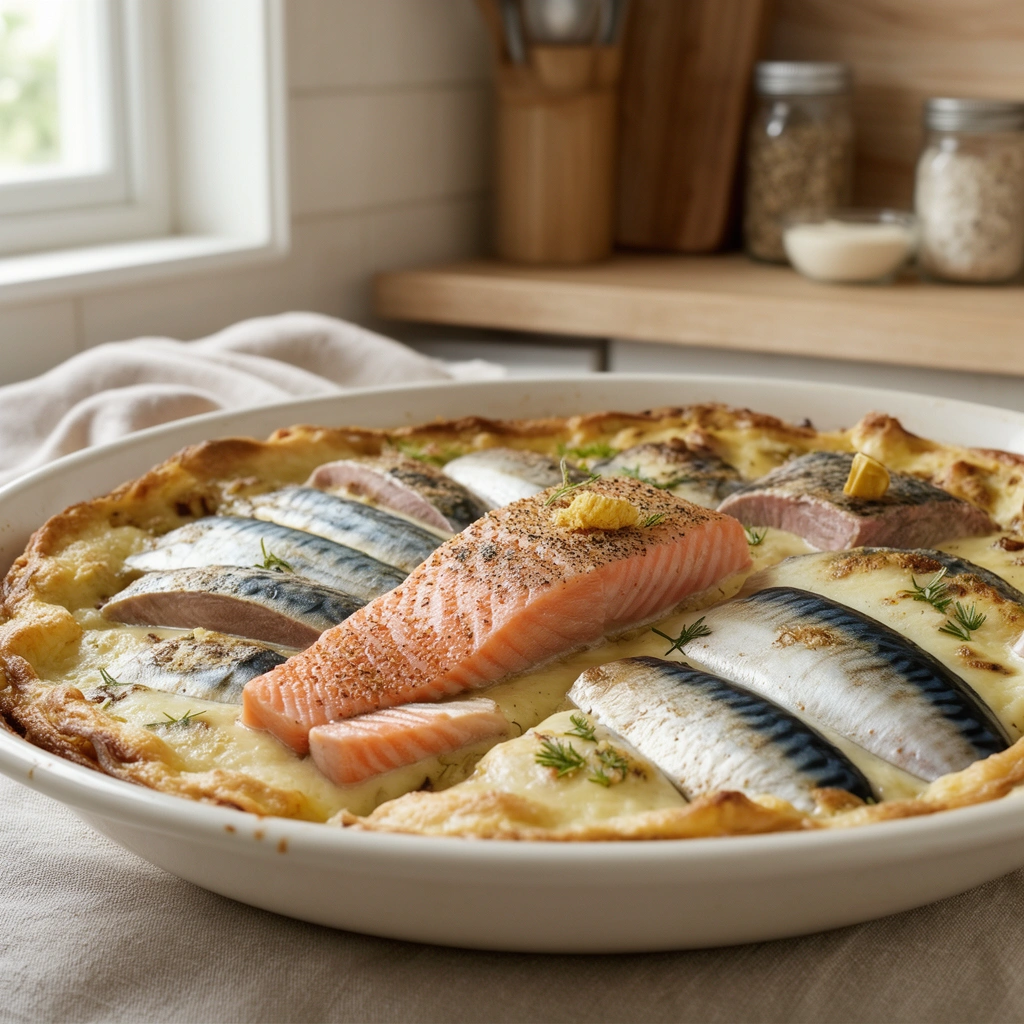
- Swap salmon for mackerel or tuna in any baked recipe for a flavor change (in moderation, since tuna has higher mercury levels).
- Add a pinch of turmeric to the sweet potato bites for extra anti-inflammatory benefits.
- Mix in pumpkin puree instead of sweet potato for a lower-sugar option.
- Use coconut flour instead of oat flour if your dog has grain sensitivities.
- Blend flaxseed into the yogurt drops for a plant-based omega-3 boost alongside the fish.
Wrapping It Up
Making your own salmon or sardine dog treats isn’t complicated, and honestly, it’s kind of fun once you get the hang of it. You control exactly what goes into each bite, skip the mystery preservatives from store-bought bags, and give your dog a serious omega-3 boost that supports their skin, joints, and overall health.
Start with one recipe, see how your pup reacts, and go from there. Before you know it, you’ll have a rotation of homemade treats that beat anything off the shelf—and your dog will think you’re a genius for it.