5 Probiotic Dog Treats for Gut Health (That Actually Work!)
Ever caught your pup with an upset tummy and wondered if there’s something better than plain kibble to fix it? I’ve been there too, and that’s exactly why I started making probiotic dog treats at home. These little bites aren’t just tasty—they’re packed with good bacteria that keep your dog’s digestive system running smoothly. In this article, I’m sharing five recipes I’ve tested, tweaked, and watched my own dogs gobble up happily.
Why Gut Health Matters So Much for Dogs

Here’s something a lot of pet owners don’t realize: your dog’s gut isn’t just about digestion. It’s tied to their immune system, their mood, even their skin and coat health. When the gut flora gets out of balance—thanks to stress, antibiotics, or a diet change—you might notice loose stools, bad breath, itchy skin, or low energy.
Probiotics help restore that balance. They’re live bacteria that support digestion, fight off harmful microbes, and help your dog absorb nutrients better. Think of them as tiny helpers working behind the scenes.
What Are Probiotics, Anyway?
Before we jump into the recipes, let’s clear up some terms you’ll see a lot in this article.
Probiotics
: Live, beneficial bacteria (like Lactobacillus or Bifidobacterium) that support a healthy gut when consumed in the right amounts.
Prebiotics
: Fiber-rich foods that feed the good bacteria already living in your dog’s gut. Pumpkin and sweet potato are great examples.
Fermentation
: A natural process where bacteria or yeast break down sugars, creating probiotic-rich foods like kefir or fermented veggies.
Gut Flora (Microbiome)
: The community of bacteria, both good and bad, living in your dog’s digestive tract.
CFU (Colony Forming Units)
: A measurement of how many live bacteria are present in a probiotic product or treat.
Now that we’ve got the basics down, let’s get into the fun part—making treats your dog will actually beg for.
The Treats I’m Sharing Today
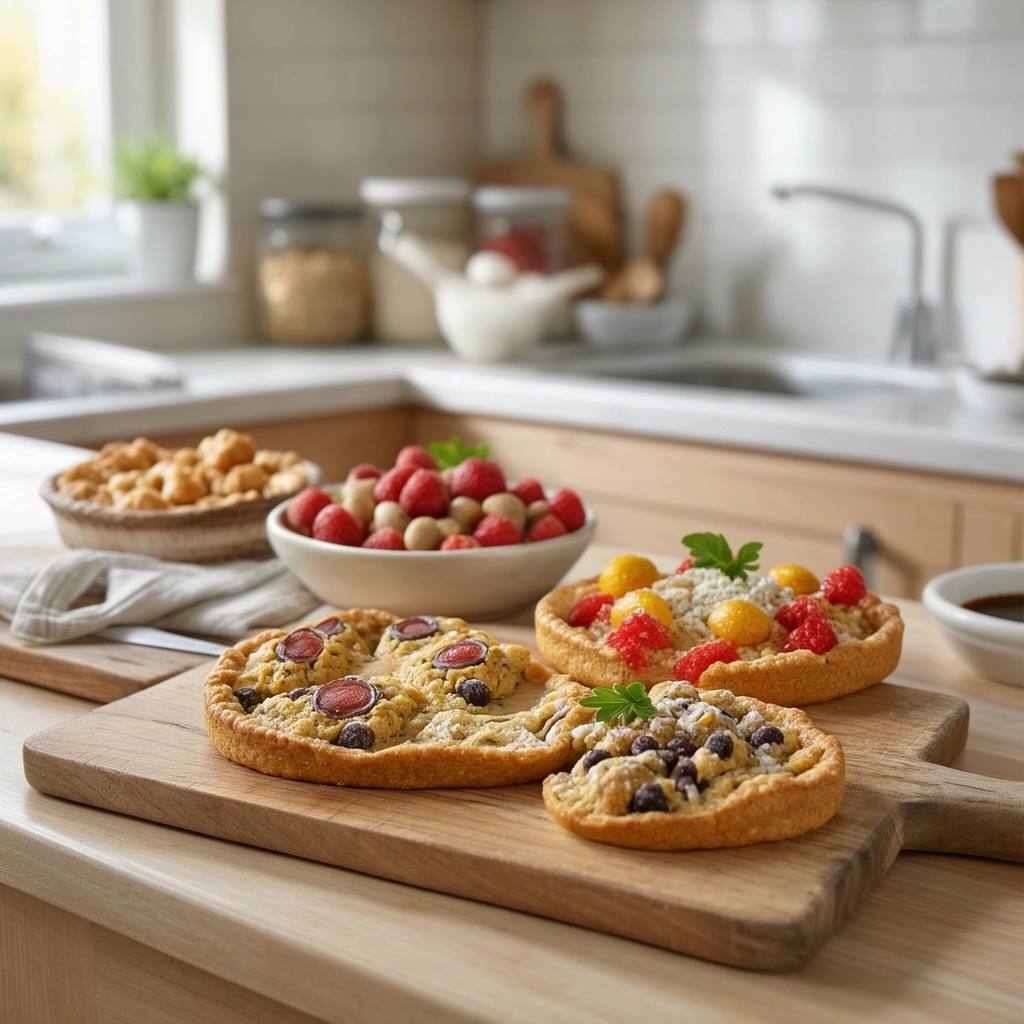
I picked these five recipes because they’re simple, use ingredients you likely already have, and each one brings something different to the table. Some use dairy-based probiotics, others use fermented veggies, and one even sneaks in bone broth for extra gut-soothing power.
1. Pumpkin & Yogurt Probiotic Bites
Pumpkin is a prebiotic superstar, and plain yogurt with live cultures gives this treat its probiotic punch.
Ingredients:
- 1 cup canned pumpkin (unsweetened)
- 1/2 cup plain yogurt (with live cultures, no sugar or xylitol)
- 1 1/2 cups oat flour
- 1 egg
Steps:
- Preheat your oven to 350°F (175°C).
- Mix pumpkin, yogurt, and egg in a bowl until smooth.
- Slowly add oat flour until a dough forms.
- Roll into small balls or use a cookie cutter for fun shapes.
- Place on a lined baking sheet and bake for 20 minutes.
- Let cool completely before serving.
2. Kefir Frozen Probiotic Drops
These are perfect for hot days, and kefir has even more probiotic strains than regular yogurt.
Ingredients:
- 1 cup plain kefir (unsweetened)
- 1/4 cup mashed banana (optional, for flavor)
Steps:
- Blend kefir and banana together until smooth.
- Pour into a silicone mini-mold tray.
- Freeze for at least 4 hours.
- Pop out and store in a freezer bag.
3. Sweet Potato & Kefir Chews
Chewy, slightly tangy, and loaded with fiber, this one’s a favorite in my house.
Ingredients:
- 1 medium sweet potato, cooked and mashed
- 1/4 cup kefir
- 1 cup oat flour
Steps:
- Preheat oven to 325°F (163°C).
- Combine mashed sweet potato and kefir in a bowl.
- Stir in oat flour gradually until dough thickens.
- Roll dough flat and cut into strips or small shapes.
- Bake for 25-30 minutes until firm but chewy.
- Cool fully before feeding.
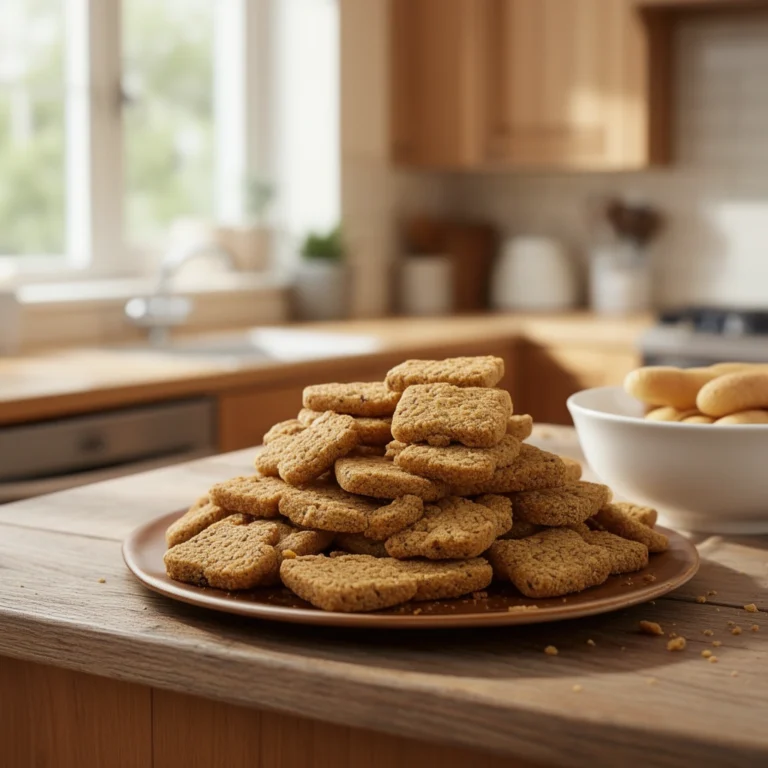
4. Fermented Veggie Crunch Bites
This one’s a bit different—it uses fermented veggies like carrots or cabbage for a crunchy, tangy treat.
Ingredients:
- 1/2 cup finely chopped fermented carrots (unsalted, dog-safe)
- 1 cup whole wheat flour
- 1 egg
- 2 tablespoons olive oil
Steps:
- Preheat oven to 350°F (175°C).
- Mix fermented carrots, egg, and olive oil together.
- Add flour bit by bit until a firm dough forms.
- Roll thin and cut into small squares.
- Bake for 15-18 minutes until crisp.
- Cool before storing.
5. Bone Broth & Probiotic Gummies
Bone broth soothes the gut lining, and gelatin gives these treats a fun, chewy texture.
Ingredients:
- 1 cup low-sodium bone broth (unsalted, no onion or garlic)
- 2 tablespoons unflavored gelatin
- 1 tablespoon plain yogurt
Steps:
- Warm the bone broth slightly (don’t boil).
- Whisk in gelatin until fully dissolved.
- Stir in yogurt once the mixture cools slightly.
- Pour into silicone molds.
- Refrigerate for 2-3 hours until set.
- Store in the fridge, not at room temperature.
Tips for Success
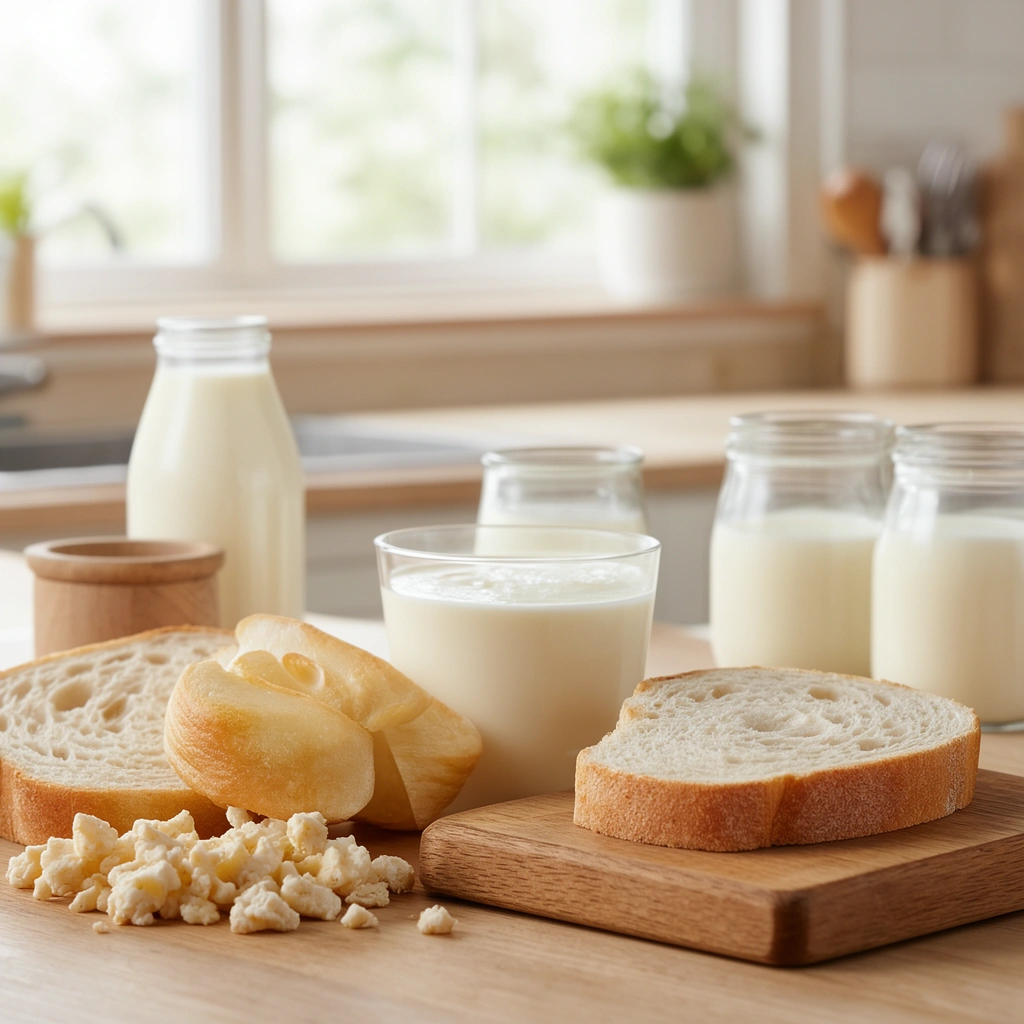
- Always use plain, unsweetened dairy products—flavored versions often contain sugar or artificial sweeteners that are bad for dogs.
- Introduce new probiotic treats slowly. Start with half a treat to see how your dog’s stomach reacts.
- Store baked treats in an airtight container for up to a week, or freeze for longer storage.
- Keep portion sizes small. Treats should make up less than 10% of your dog’s daily calories.
- Check labels on kefir and yogurt to confirm they contain live, active cultures.
Common Mistakes and How to Avoid Them

Mistake: Using sweetened dairy products
: Sugar can upset the gut balance you’re trying to fix. Always choose plain, unsweetened options.
Mistake: Overfeeding probiotic treats
: Too much too fast can cause gas or diarrhea. Go slow, especially with sensitive dogs.
Mistake: Skipping the cooling step
: Warm treats can lose some probiotic potency and may also burn your dog’s mouth.
Mistake: Using onion, garlic, or salty broths
: These are toxic to dogs. Always double-check broth ingredients before using.
Mistake: Ignoring your dog’s reaction
: If you notice excessive gas, vomiting, or loose stools, stop and consult your vet.
Variations You Can Try
- Swap oat flour for chickpea flour if your dog has grain sensitivities.
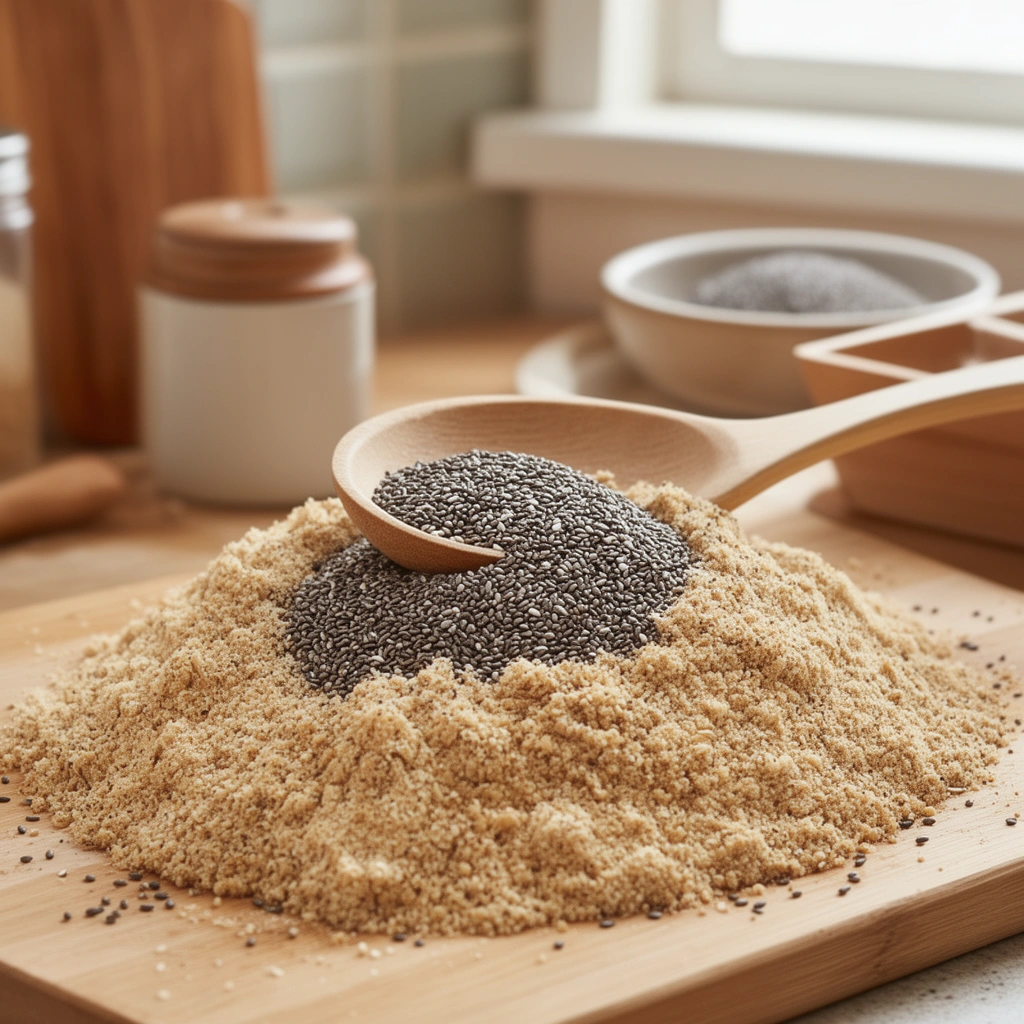
- Add a spoonful of chia seeds for extra fiber and omega-3s.
- Use goat’s milk kefir instead of cow’s milk kefir for dogs with lactose sensitivity.
- Mix in small amounts of blueberries or apples (no seeds) for antioxidants.
- Try coconut yogurt as a dairy-free probiotic alternative.
When to Talk to Your Vet
If your dog has ongoing digestive issues, allergies, or is on medication, it’s smart to check with your vet before adding new probiotic treats. Some dogs with autoimmune conditions or sensitive stomachs might need a specific strain or dosage that store-bought or homemade treats can’t fully control.
Wrapping It Up
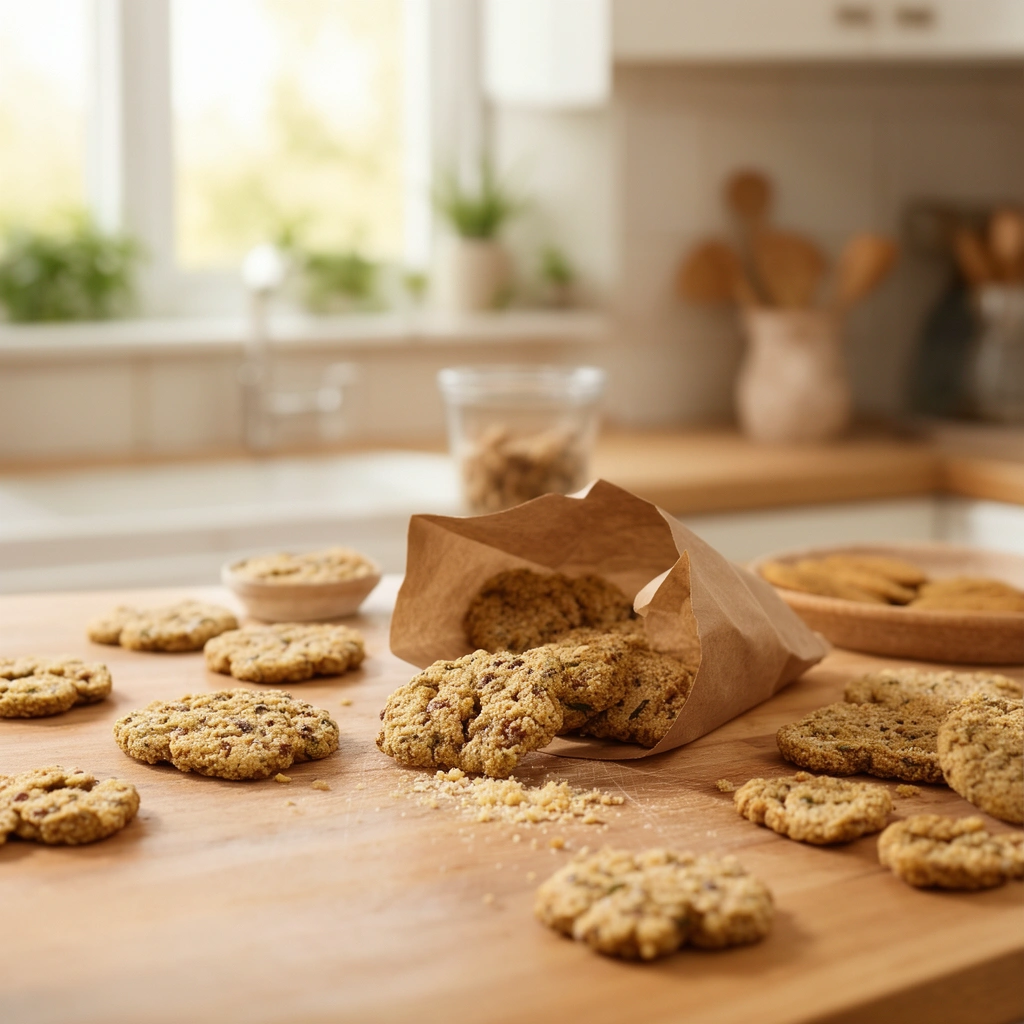
Making probiotic dog treats at home isn’t complicated, and honestly, it’s one of the easiest ways to support your dog’s digestion without relying only on supplements. I’ve shared five recipes here that cover different textures, flavors, and probiotic sources, so you can pick what fits your dog’s taste and tummy best. Start slow, watch how your pup reacts, and don’t be afraid to experiment with the variations I mentioned. A happy gut usually means a happier, more energetic dog—and that’s really what we’re all after when we make these probiotic dog treats at home.