Easy Homemade Dog Food For Senior Dogs: A Complete Guide
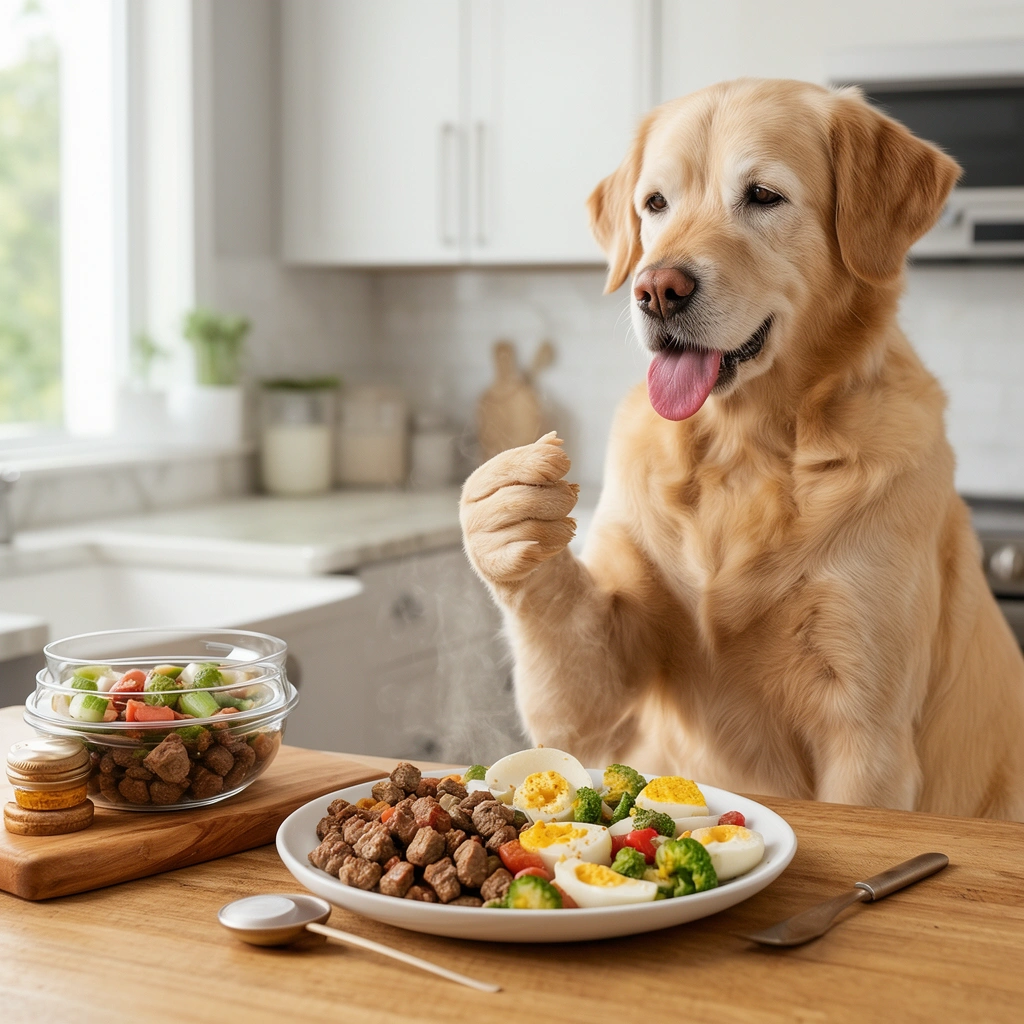
Ever wonder if your old pup could feel young again just by changing what’s in his bowl? I’ve asked myself that question more times than I can count. Watching my senior dog slow down, get picky about kibble, or struggle with stiff joints pushed me to dig deep into homemade dog food for senior dogs. And honestly? The answer surprised me.
Making food at home for an aging dog isn’t complicated. It just takes a little know-how and the right ingredients. In this guide, I’ll walk you through everything I wish someone had told me sooner—the good stuff, the mistakes to dodge, and the tweaks that actually matter for older dogs.
Why Senior Dogs Need Different Food
Older dogs aren’t just smaller versions of adult dogs. Their bodies change. Metabolism slows. Joints ache more. Kidneys and livers don’t filter things as efficiently as they used to. That’s why tossing them the same meal you’d give a three-year-old Lab just doesn’t cut it anymore.
A senior dog’s diet needs fewer empty calories, more digestible protein, and ingredients that support joints, brain function, and organ health. This is the gap I noticed in a lot of recipe blogs out there—they give you a tasty meal but skip explaining why certain ingredients matter for aging dogs specifically. I wanted to fix that here.
What Goes Into This Homemade Senior Dog Food
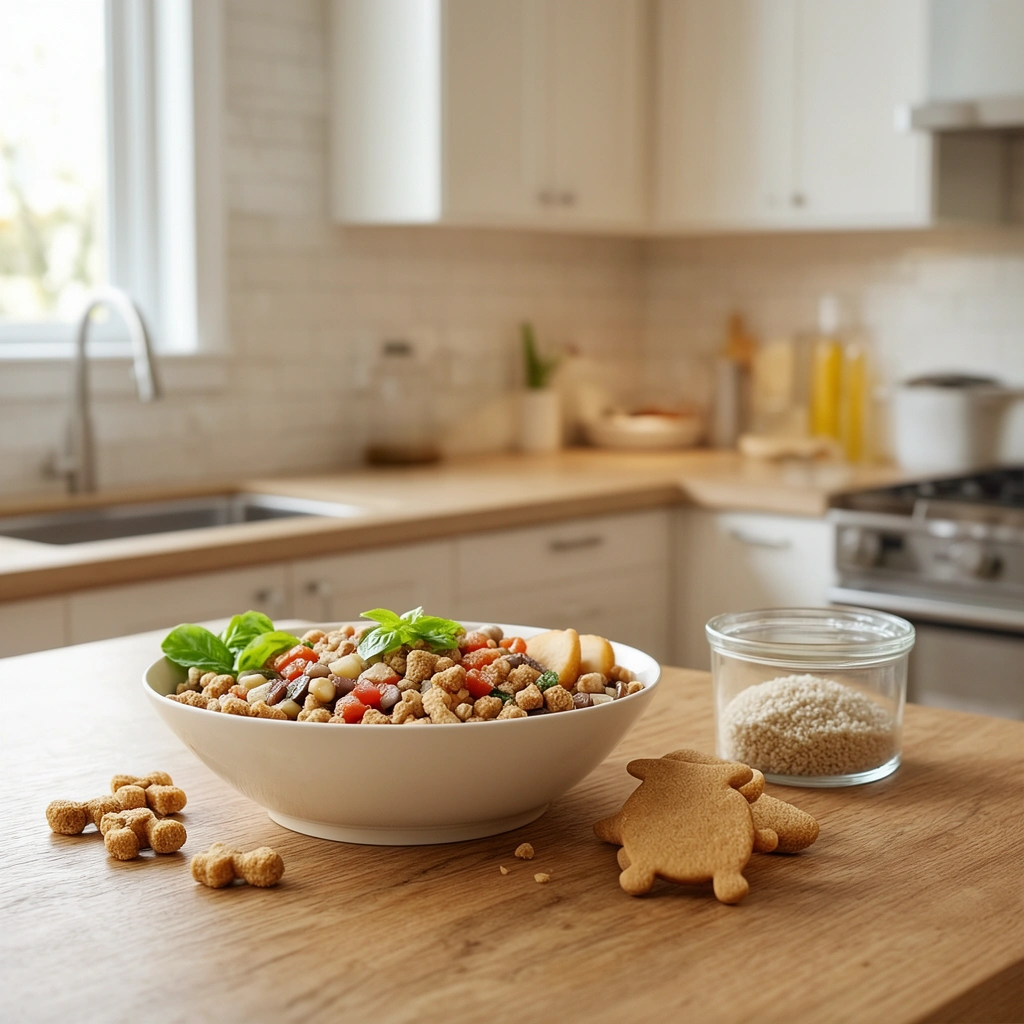
This recipe focuses on lean protein, gentle carbs, and joint-friendly extras. Nothing fancy. Nothing hard to find. Just real food that your vet would probably nod approvingly at.
Here’s a breakdown of the main terms you’ll want to understand before you start cooking:
Lean Protein
: Meat low in fat, like skinless chicken breast or turkey. It builds and repairs muscle without overloading the liver.
Complex Carbohydrate
: Slow-digesting starches such as brown rice or sweet potato. They give steady energy instead of a sugar spike.
Omega-3 Fatty Acids
: Healthy fats found in fish oil or salmon. They fight inflammation and support aging joints and brain health.
Glucosamine-Rich Food
: Ingredients like chicken cartilage or bone broth that naturally support joint cushioning.
Low-Sodium Broth
: Broth without added salt, used to keep kidneys from overworking.
Ingredients You’ll Need
I like to keep my ingredient list short. Fewer things to mess up, fewer things to buy.
- 1 pound skinless, boneless chicken thighs or turkey breast
- 1 cup brown rice (or quinoa for extra protein)
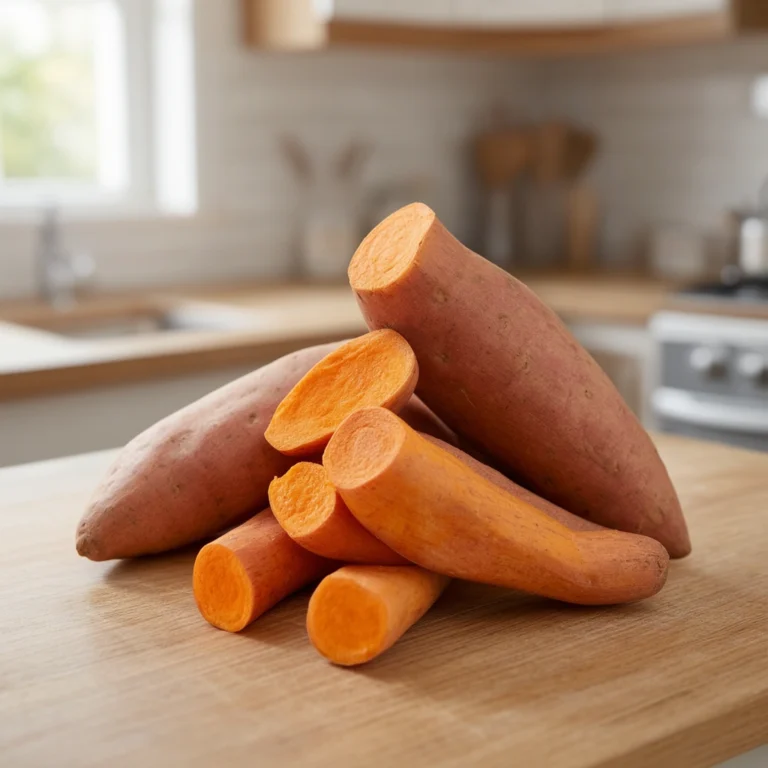
- 1 medium sweet potato, peeled and diced
- 1 cup pumpkin puree (plain, no sugar added)
- 1 cup chopped carrots
- 1/2 cup green beans, chopped
- 1 tablespoon fish oil or a small piece of cooked salmon
- 2 cups low-sodium chicken broth
- 1 egg (cooked, for extra protein and biotin)
That’s it. No weird supplements you can’t pronounce. Just kitchen staples that do real work for your dog’s aging body.
Step-By-Step Cooking Process
I’ll be honest, the first time I made this, I overcomplicated it. Turns out, it’s actually one of the simplest recipes you’ll ever cook.
- Boil the chicken or turkey in the low-sodium broth until fully cooked through. This usually takes about 20 minutes.
- Remove the meat, let it cool slightly, then shred or chop it into small, easy-to-chew pieces.
- In the same pot (don’t waste that flavorful broth), add the brown rice and sweet potato. Simmer until soft, about 15-20 minutes.
- Steam or boil the carrots and green beans separately until tender.
- Mash the pumpkin puree into the rice and sweet potato mixture. This adds fiber, which helps aging digestive systems.
- Mix the shredded meat back into the pot along with the steamed veggies.
- Stir in the fish oil and chopped hard-boiled egg.
- Let everything cool completely before serving.
- Portion into meal-sized containers and refrigerate or freeze what you won’t use within three days.
That’s the whole process. No fancy equipment. Just a pot, a spoon, and some patience.
Tips For Success
I learned a few things the hard way, so let me save you the trouble.
- Always cool the food fully before serving—senior dogs can burn their mouths just like we can.
- Cut ingredients small. Many older dogs have missing teeth or weaker jaws.
- Introduce new foods slowly over a week to avoid stomach upset.
- Keep portions consistent with your vet’s recommendation, not just “how much fits in the bowl.”
- Add warm broth on top if your dog seems less interested in eating—smell matters a lot to older dogs with a fading sense of taste.
- Talk to your vet before switching your dog’s diet, especially if they have kidney disease, diabetes, or other chronic conditions.
Common Mistakes And How To Avoid Them
I’ve made a few of these myself, so consider this your shortcut past the trial-and-error phase.
Using Too Much Salt
: Broth and seasoning blends often contain hidden sodium. Stick to plain, low-sodium broth and skip seasoning altogether.
Skipping The Vet Consultation
: Homemade doesn’t always mean balanced. A vet or veterinary nutritionist can help make sure you’re not missing calcium, phosphorus, or other nutrients.
Overfeeding Fatty Cuts Of Meat
: Fatty meat can trigger pancreatitis, which is more common in older dogs. Stick to lean cuts.
Ignoring Chewing Ability
: Big chunks of meat or hard veggies can be tough for a senior dog to manage. Always chop small or mash when needed.
Freezing For Too Long
: Homemade dog food doesn’t have preservatives. Don’t keep it frozen longer than two to three months for best quality.
Not Rotating Protein Sources
: Sticking to just chicken forever can lead to nutrient gaps. Rotate between turkey, fish, and occasionally lean beef.
Variations You Can Try
Once you’ve got the base recipe down, it’s fun to switch things up. Here are a few variations I’ve tried myself with good results.
- Fish-Based Recipe: Swap chicken for salmon or whitefish. Great option for dogs with poultry allergies and gives an omega-3 boost.
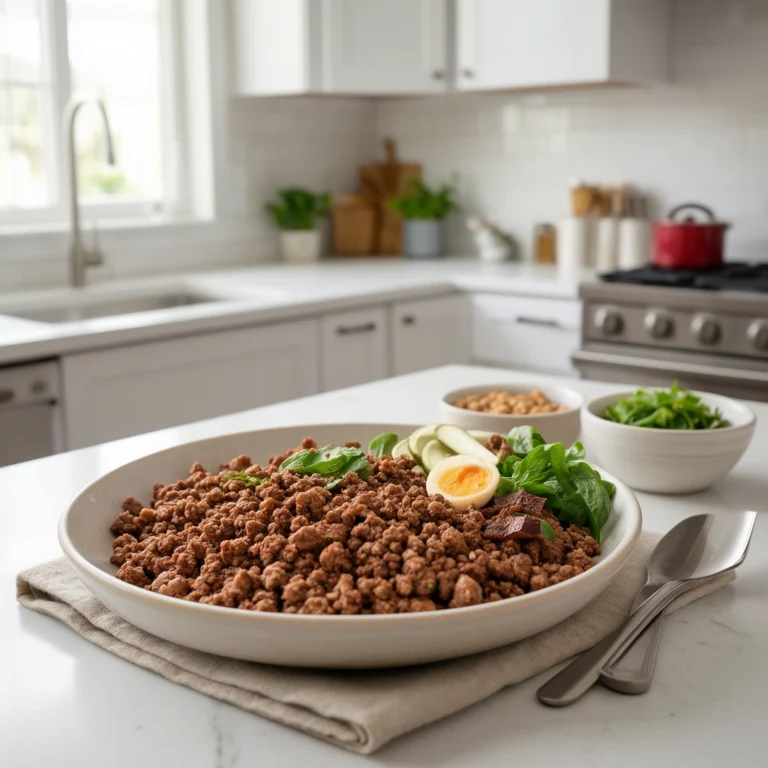
- Low-Fat Beef Version: Use extra-lean ground beef instead of chicken for dogs who need a change in protein.
- Kidney-Friendly Version: Reduce protein slightly and skip the egg, focusing more on rice, pumpkin, and vegetables. Always check with your vet first if your dog has kidney issues.
- Joint-Support Boost: Add a splash of bone broth made from simmered chicken bones (strained well) for extra glucosamine and collagen.
- Grain-Free Option: Replace brown rice with mashed sweet potato or pureed cauliflower for dogs sensitive to grains.
A Quick Word On Portion Sizes
This part gets skipped a lot in other recipes I’ve read, and it drives me crazy. Senior dogs generally need fewer calories than younger, more active dogs. As a general guide:
- Small senior dogs (under 20 lbs): 3/4 to 1 cup per day, split into two meals
- Medium senior dogs (20-50 lbs): 1.5 to 2 cups per day, split into two meals
- Large senior dogs (50+ lbs): 2.5 to 3.5 cups per day, split into two meals
These are starting points, not gospel. Every dog is different depending on activity level, health conditions, and metabolism. Adjust based on your dog’s weight and energy, and always loop in your vet for anything chronic.
Storage And Meal Prep Advice
Homemade food doesn’t have the shelf life of store-bought kibble, so plan accordingly.
- Refrigerate cooked meals for up to three days in an airtight container.
- Freeze in portioned bags or containers for up to two months.
- Thaw overnight in the fridge, never at room temperature, to avoid bacteria growth.
- Reheat gently and always check the temperature before serving—lukewarm is perfect.
Wrapping It All Up
Making homemade dog food for senior dogs isn’t about being a gourmet chef. It’s about giving your aging best friend real, digestible, joint-friendly meals that actually help them feel better day to day. I’ve seen it firsthand—more energy, shinier coats, and happier mealtimes once I switched things up.
If you’re on the fence about trying homemade dog food for senior dogs, just start small. Cook one batch, watch how your dog responds, and adjust from there. Your senior pup has given you years of loyalty. This is one simple way to give a little back.