4 Homemade Dog Food Recipes for Skin Allergies (That Actually Work)
Does your pup scratch, lick, or chew at their skin until it’s raw? I’ve been there, and it’s heartbreaking to watch. Homemade dog food recipes for skin allergies can be a total game-changer when store-bought kibble just isn’t cutting it anymore. Today, I’m sharing four recipes that helped calm irritated skin, soothe itchy paws, and bring back that healthy shine to a dog’s coat.
Let’s dig in.
Why Do Dogs Get Skin Allergies Anyway?
Before jumping into the recipes, I think it’s worth pausing here. A lot of dog owners jump straight to “what do I feed my dog” without understanding why their pup is itchy in the first place.
Skin allergies in dogs usually come from one of three places:
- Food sensitivities – common triggers include chicken, beef, dairy, wheat, and soy.
- Environmental allergens – pollen, dust mites, and mold can cause flare-ups just like in humans.
- Flea allergy dermatitis – even one flea bite can set off intense itching in sensitive dogs.
Here’s the thing though: even if the allergy is environmental, the right diet can support skin health and reduce inflammation. That’s exactly what these recipes are built for.
What I’m Making Today
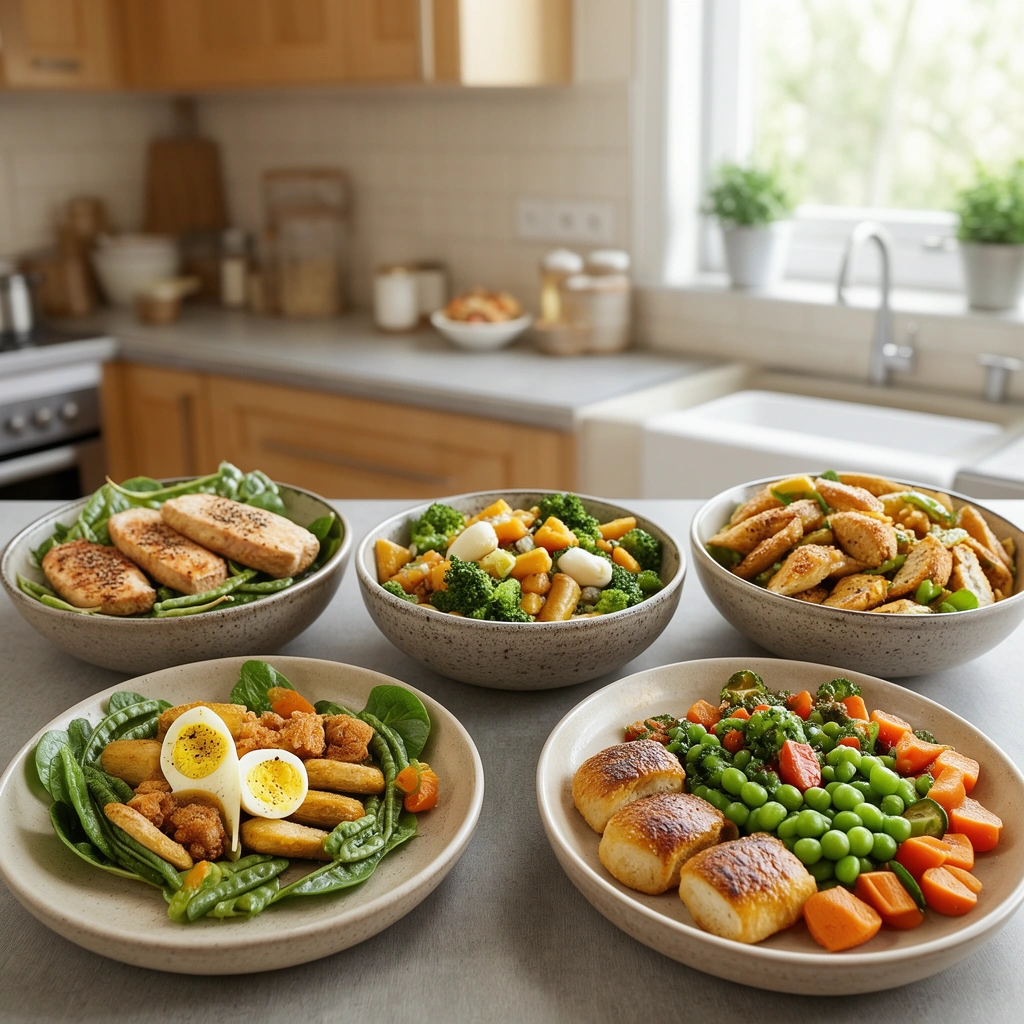
I put together four different homemade meals, each designed around limited ingredients, novel proteins, and anti-inflammatory add-ins. These aren’t just “throw it in a pot” recipes. Each one targets skin health specifically, using ingredients that are gentle on sensitive tummies and skin barriers alike.
Before we get cooking, let’s cover some key terms you’ll see throughout this guide.
Key Terms You Should Know
Novel Protein
: A protein source your dog hasn’t eaten before, like duck, venison, or rabbit. Novel proteins reduce the chance of triggering an existing food allergy.
Limited Ingredient Diet (LID)
: A meal plan built with as few ingredients as possible, making it easier to identify allergy triggers.
Omega-3 Fatty Acids
: Healthy fats (found in fish oil and flaxseed) that reduce skin inflammation and support a shiny coat.
Elimination Diet
: A feeding method where you remove all but a few ingredients from your dog’s diet, then slowly reintroduce foods to spot allergens.
Hypoallergenic
: Refers to foods less likely to cause an allergic reaction, though no food is 100% allergy-proof.
Recipe 1: Duck and Sweet Potato Stew
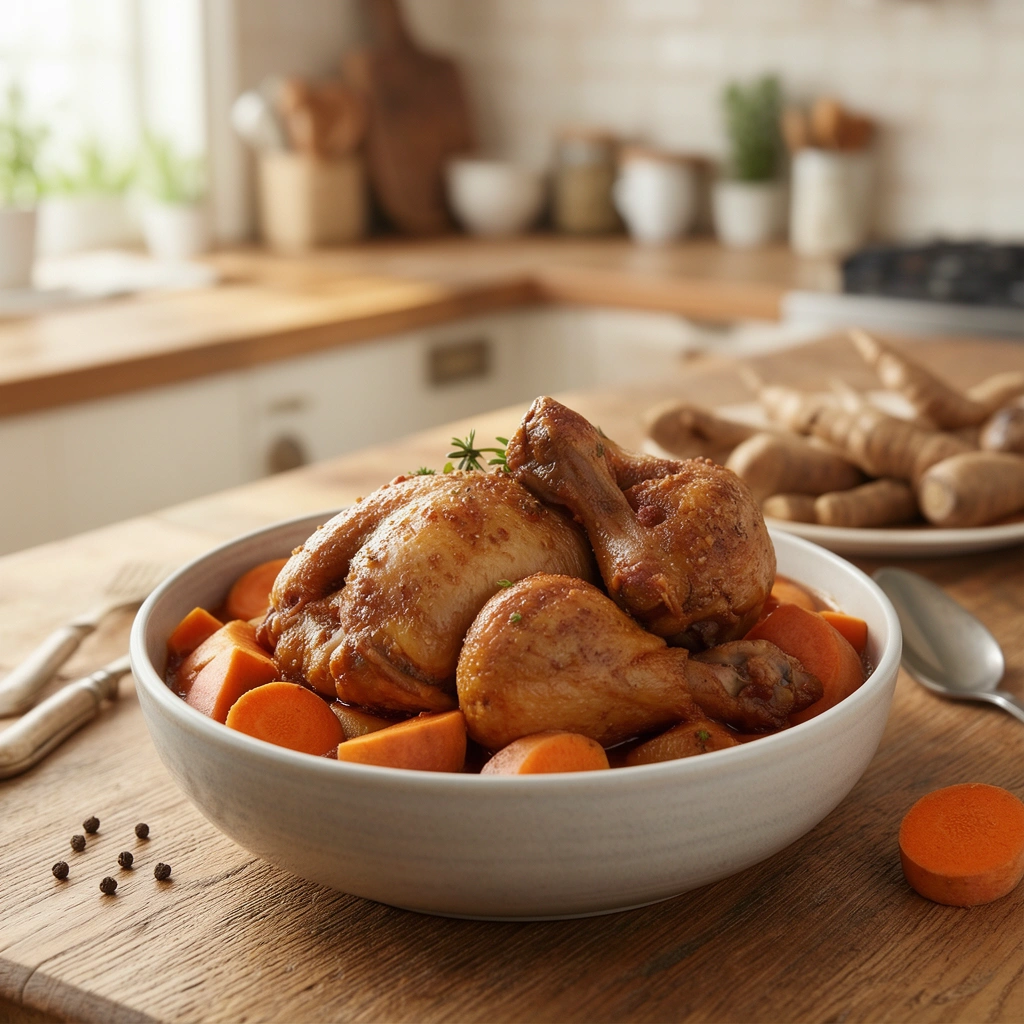
Duck is a fantastic novel protein for most dogs, and sweet potato is gentle on digestion while being packed with fiber and beta-carotene.
Ingredients:
- 1 lb ground duck (or diced duck breast)
- 1 medium sweet potato, peeled and cubed
- 1 cup chopped green beans
- 1 tablespoon fish oil
- 2 cups water or low-sodium broth
Steps:
- Boil the sweet potato cubes until soft, about 15 minutes.
- In a separate pan, cook the duck thoroughly until no pink remains.
- Steam the green beans until tender.
- Mash the sweet potato slightly, then mix everything together.
- Stir in fish oil once the mixture has cooled.
- Portion into containers and refrigerate or freeze.
Recipe 2: Venison and Pumpkin Bowl
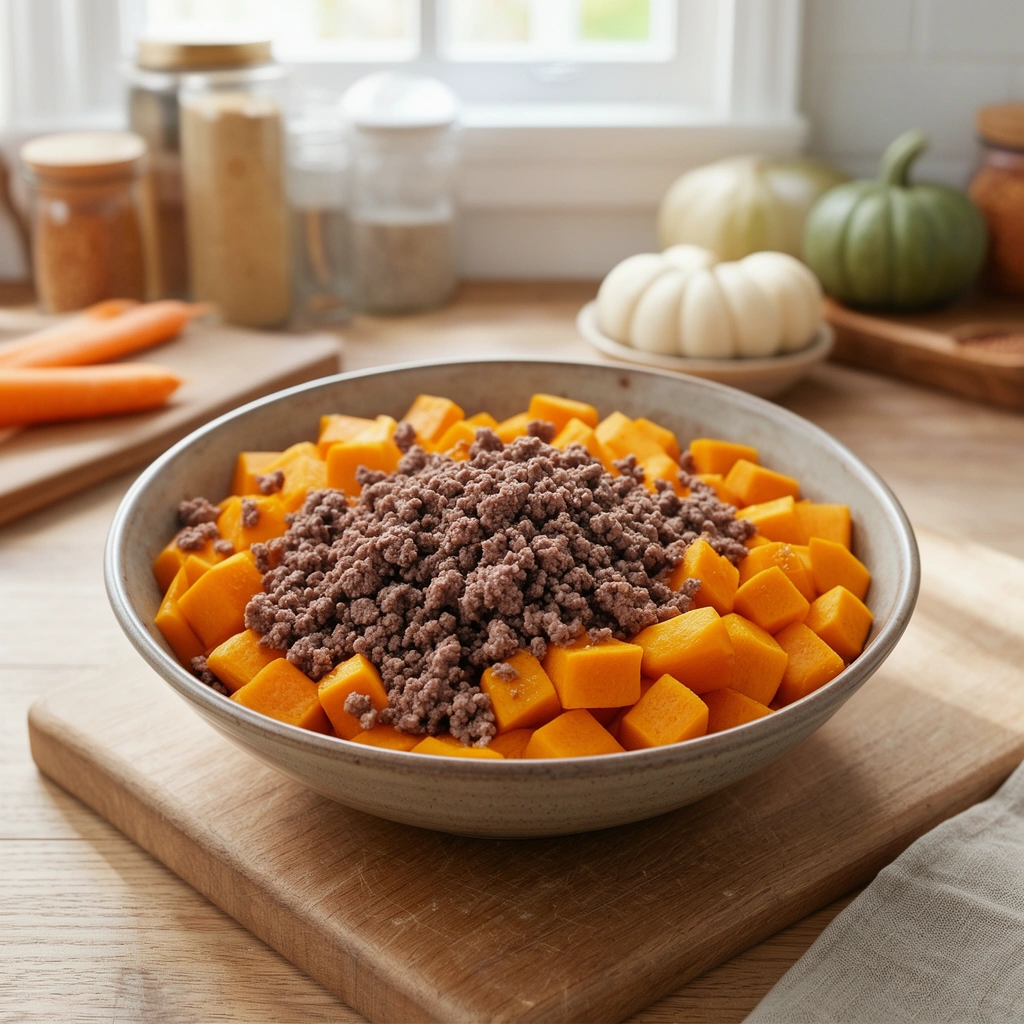
Pumpkin isn’t just for digestion — it’s loaded with antioxidants that support skin repair.
Ingredients:
- 1 lb ground venison
- 1/2 cup plain pumpkin puree (no added sugar)
- 1/2 cup cooked quinoa
- 1 tablespoon olive oil
- Pinch of turmeric (anti-inflammatory boost)
Steps:
- Brown the venison in a skillet over medium heat.
- Cook quinoa separately according to package directions.
- Combine venison, pumpkin, and quinoa in a large bowl.
- Drizzle olive oil and sprinkle turmeric, then mix well.
- Let cool completely before serving or storing.
Recipe 3: Rabbit and Oatmeal Skin-Soother
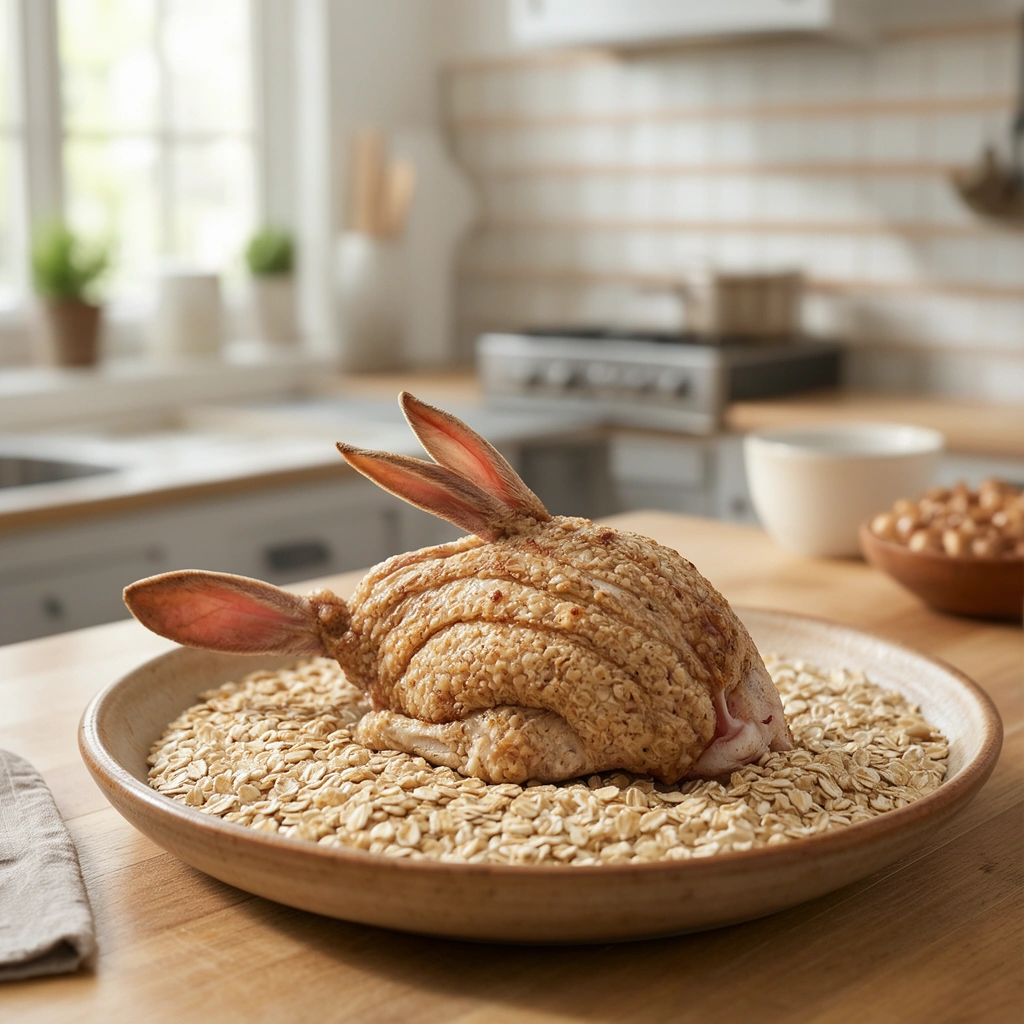
Rabbit is another excellent novel protein, and oatmeal (not to be confused with wheat) is soothing for both skin and gut health.
Ingredients:
- 1 lb ground rabbit
- 1 cup cooked plain oatmeal
- 1/2 cup shredded zucchini
- 1 teaspoon flaxseed oil
Steps:
- Cook rabbit meat until fully done, breaking apart clumps as it cooks.
- Prepare oatmeal with water (never milk, since dairy can worsen allergies).
- Steam or lightly sauté the zucchini until soft.
- Mix rabbit, oatmeal, and zucchini together in a large bowl.
- Add flaxseed oil right before serving to preserve its nutrients.
Recipe 4: Salmon and Brown Rice Skin Rescue
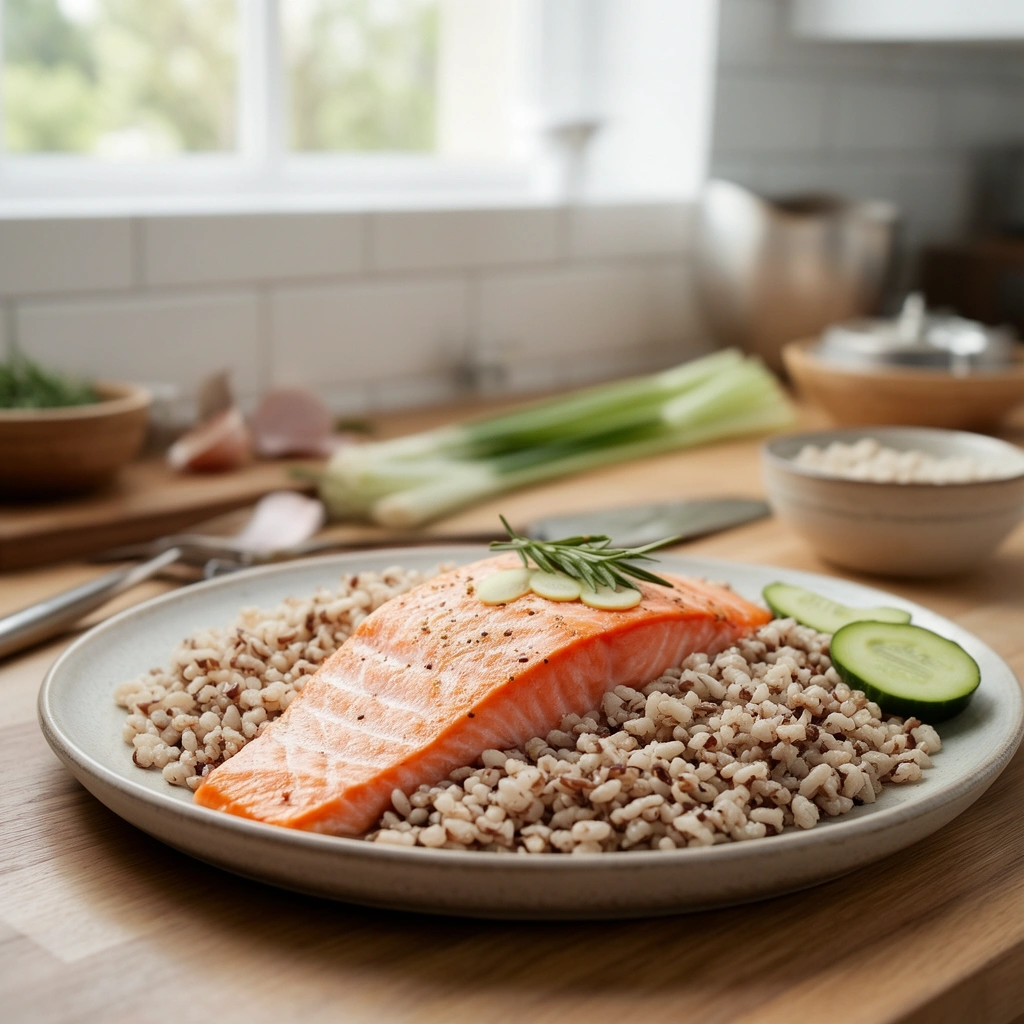
Salmon is rich in omega-3s, making it one of the best foods for calming irritated skin from the inside out.
Ingredients:
- 1 lb salmon fillet, deboned
- 1 cup cooked brown rice
- 1/2 cup steamed carrots, mashed
- 1 tablespoon coconut oil
Steps:
- Bake or poach the salmon until fully cooked (145°F internal temp).
- Flake the salmon apart, checking carefully for any bones.
- Combine with cooked brown rice and mashed carrots.
- Stir in coconut oil while the mixture is still slightly warm.
- Cool fully before portioning into meal-sized containers.
Tips for Success
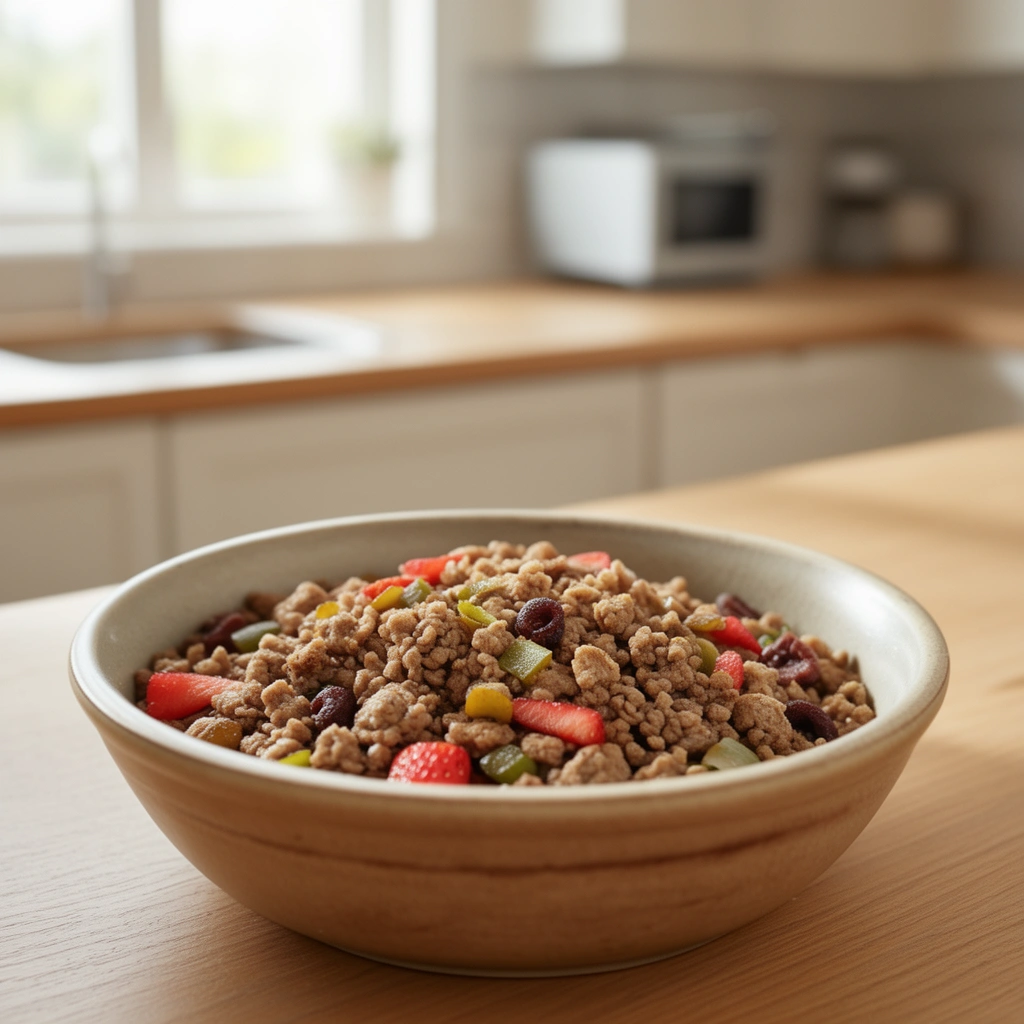
- Always introduce new recipes slowly. Mix a small portion with your dog’s current food for a few days before fully switching.
- Talk to your vet first, especially if your dog has a history of allergies or other health conditions. Homemade diets need balancing over time.
- Keep a food journal. Write down what you feed and any changes in scratching, redness, or coat condition. This helps spot patterns.
- Batch cook and freeze. These recipes freeze well for up to 3 months, so make a big batch on a Sunday and save yourself time all week.
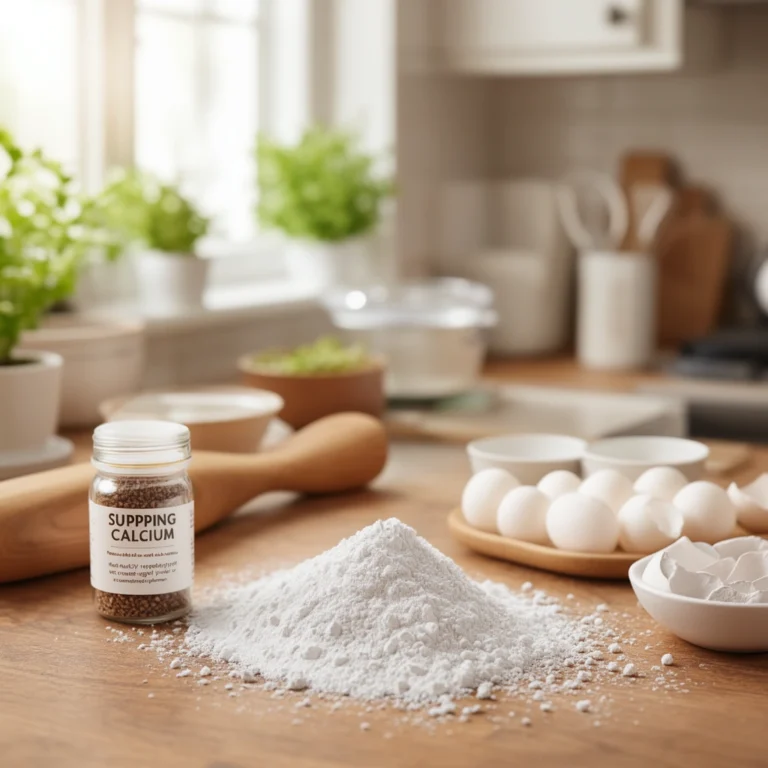
- Add a calcium source if you’re feeding homemade meals long-term, since homemade diets often lack the calcium found in commercial dog food.
Common Mistakes and How to Avoid Them
- Skipping the vet check. Homemade diets can miss key nutrients if not planned carefully. A quick chat with your vet or a canine nutritionist prevents deficiencies down the road.
- Using too many ingredients at once. This defeats the purpose of an elimination diet. Stick to the recipe as written until you know how your dog reacts.
- Adding dairy or seasoning. No garlic, onion, salt, or butter. These common kitchen staples can be toxic or irritating for dogs with sensitive skin.
- Not cooling food before storage. Sealing warm food traps steam and speeds up bacterial growth. Always let meals cool completely first.
- Switching foods too fast. Sudden diet changes can cause tummy upset, which sometimes gets mistaken for a new allergy.
Variations You Can Try
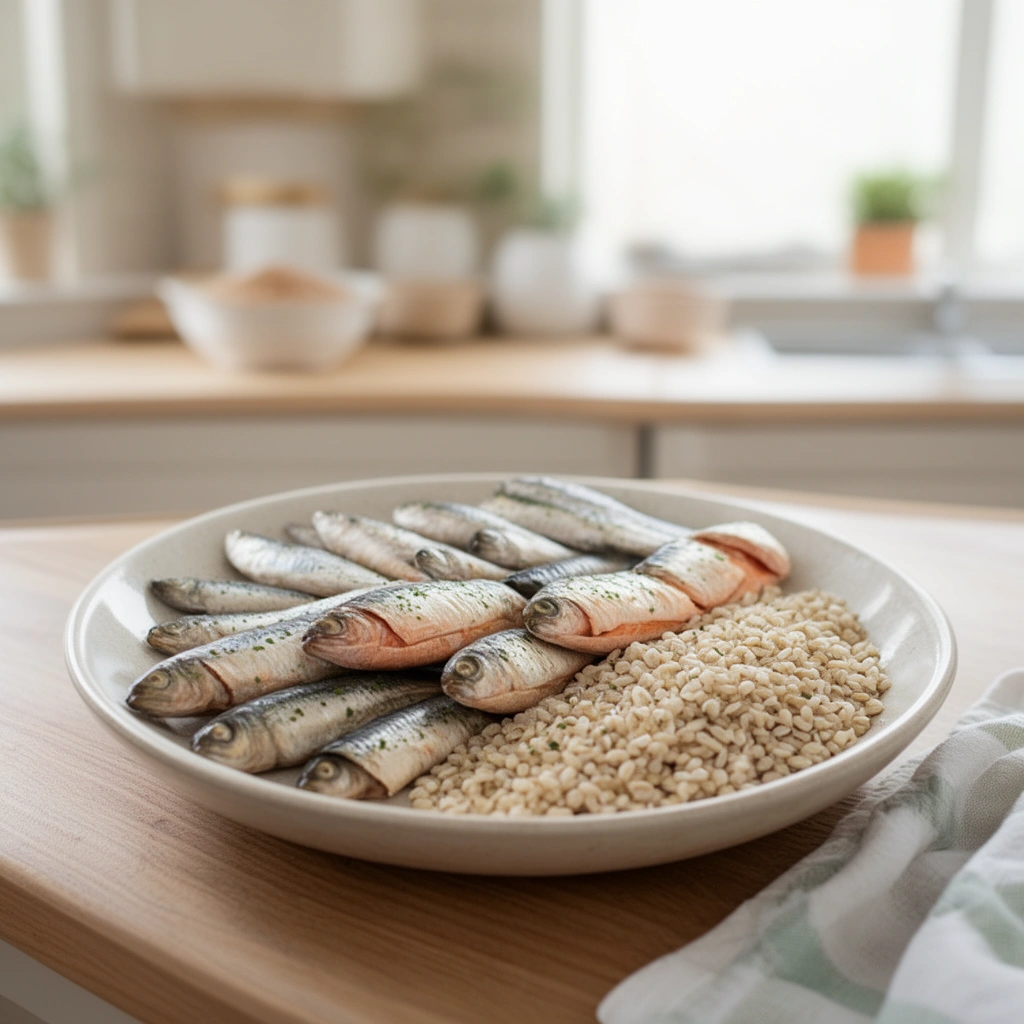
- Fish swap: Replace salmon with sardines or whitefish if your dog needs variety.
- Grain-free version: Swap rice or oatmeal for cooked lentils or mashed pumpkin for dogs sensitive to grains.
- Veggie boost: Add steamed spinach or kale in small amounts for extra antioxidants (just avoid overdoing it, since too much can affect thyroid function).
- Warm weather version: Turn any of these recipes into a chilled “dog food salad” by serving cold during summer months — great for dogs who go off their food in the heat.
- Puppy-friendly version: Reduce portion sizes and increase protein slightly, since growing pups need more nutrients per pound of body weight.
Wrapping It Up
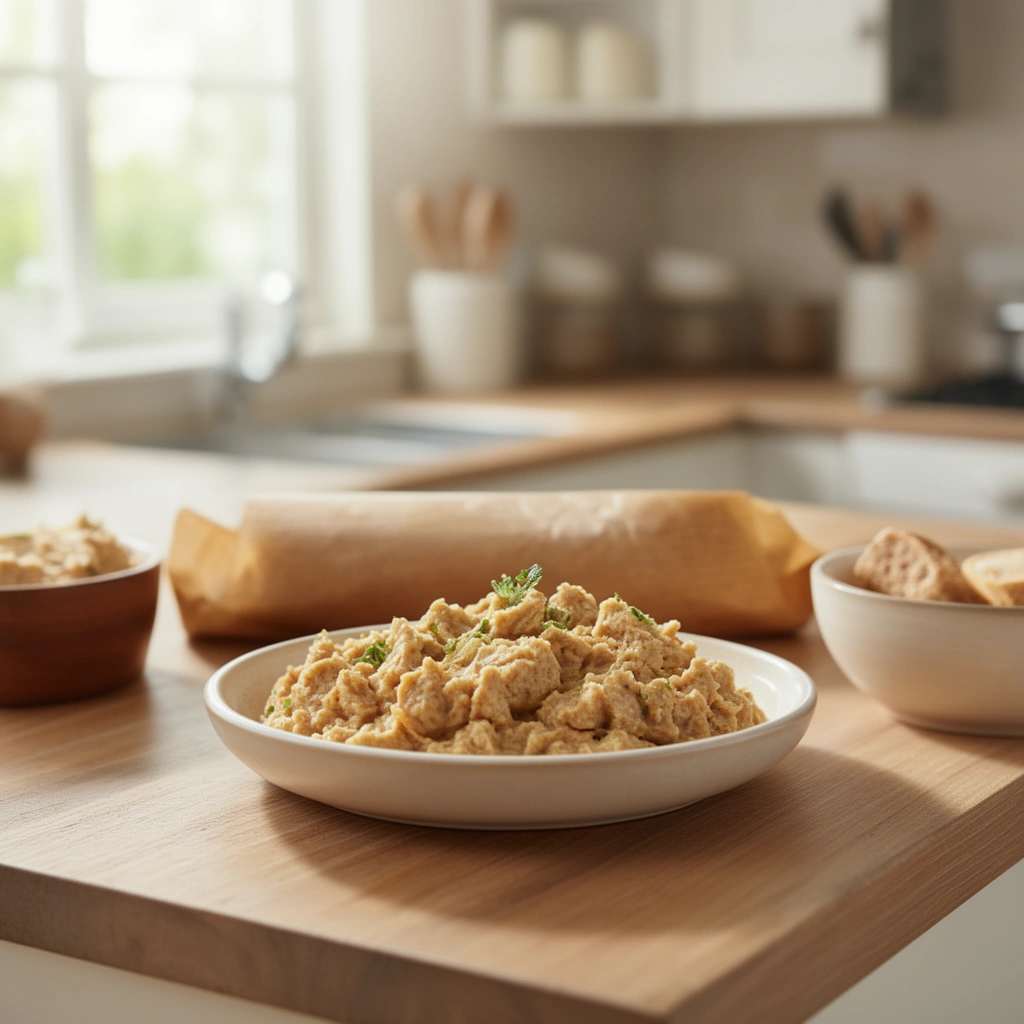
Dealing with a dog’s itchy, irritated skin isn’t fun for anyone, especially your furry friend. But these homemade dog food recipes for skin allergies give you a real, practical starting point. Try one recipe at a time, watch how your dog responds, and don’t be afraid to tweak things based on what works best for your pup.
At the end of the day, every dog is different, so patience really is key here. Give these recipes a shot, keep your vet in the loop, and here’s hoping your dog’s skin starts feeling (and looking) better soon.