Can Dogs Eat Pretzels? A Complete Guide to Safe Homemade Dog Pretzels
Ever caught your dog staring at you with those big puppy eyes while you munch on a pretzel? I’ve been there more times than I can count. My own pup practically does backflips when she smells that salty snack. But here’s the thing—regular pretzels aren’t actually good for dogs, and today I’m going to show you why, plus how to make a version that’s totally safe for your furry buddy.
Pretzels for dogs is a topic that gets a lot of mixed answers online. Some sites say a tiny nibble won’t hurt. Others warn you away completely. I want to clear up the confusion and give you something actually useful: a homemade dog pretzel recipe that skips the dangerous stuff and keeps the fun.
Why Regular Pretzels Aren’t Great for Dogs
Let’s get the tough part out of the way first. Store-bought pretzels aren’t designed with dogs in mind, and that causes problems.
Sodium: The salt content in regular pretzels is way higher than what a dog’s body needs. Too much salt can lead to excessive thirst, urination, and in severe cases, sodium ion poisoning.
Garlic and onion powder: Some flavored pretzels contain these seasonings. Both are toxic to dogs and can damage red blood cells over time.
Refined flour: Regular pretzels use white flour that offers little nutritional value and can spike blood sugar.
Xylitol: Some sugar-free or specialty pretzels use this sweetener, and it’s extremely dangerous for dogs, even in small amounts. It can cause a rapid drop in blood sugar and liver failure.
So while a single small unsalted pretzel probably won’t send your dog to the emergency vet, making a habit of sharing them isn’t smart. That’s exactly why I love making a dog-safe version instead.
What Are Dog Pretzels?
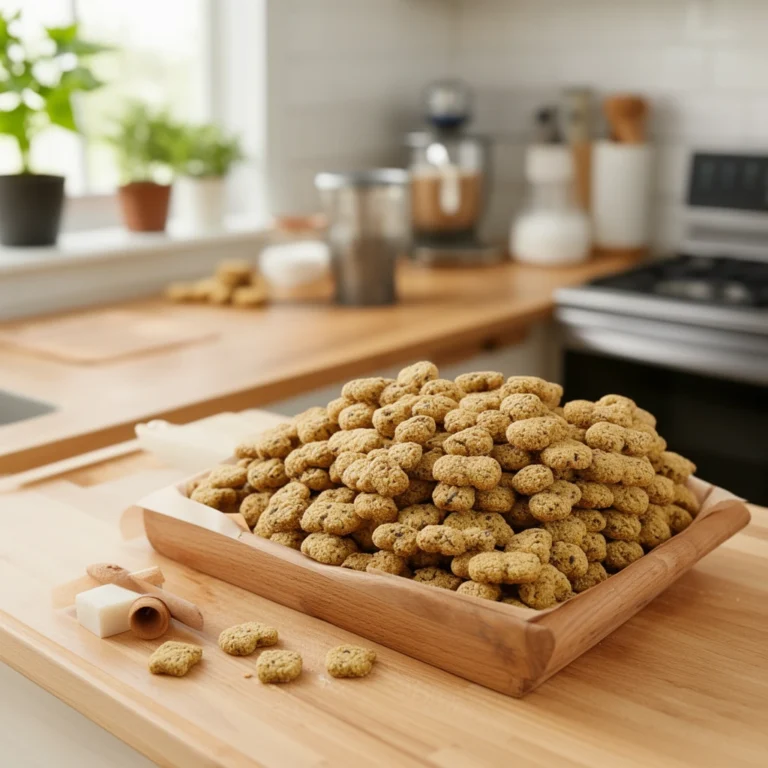
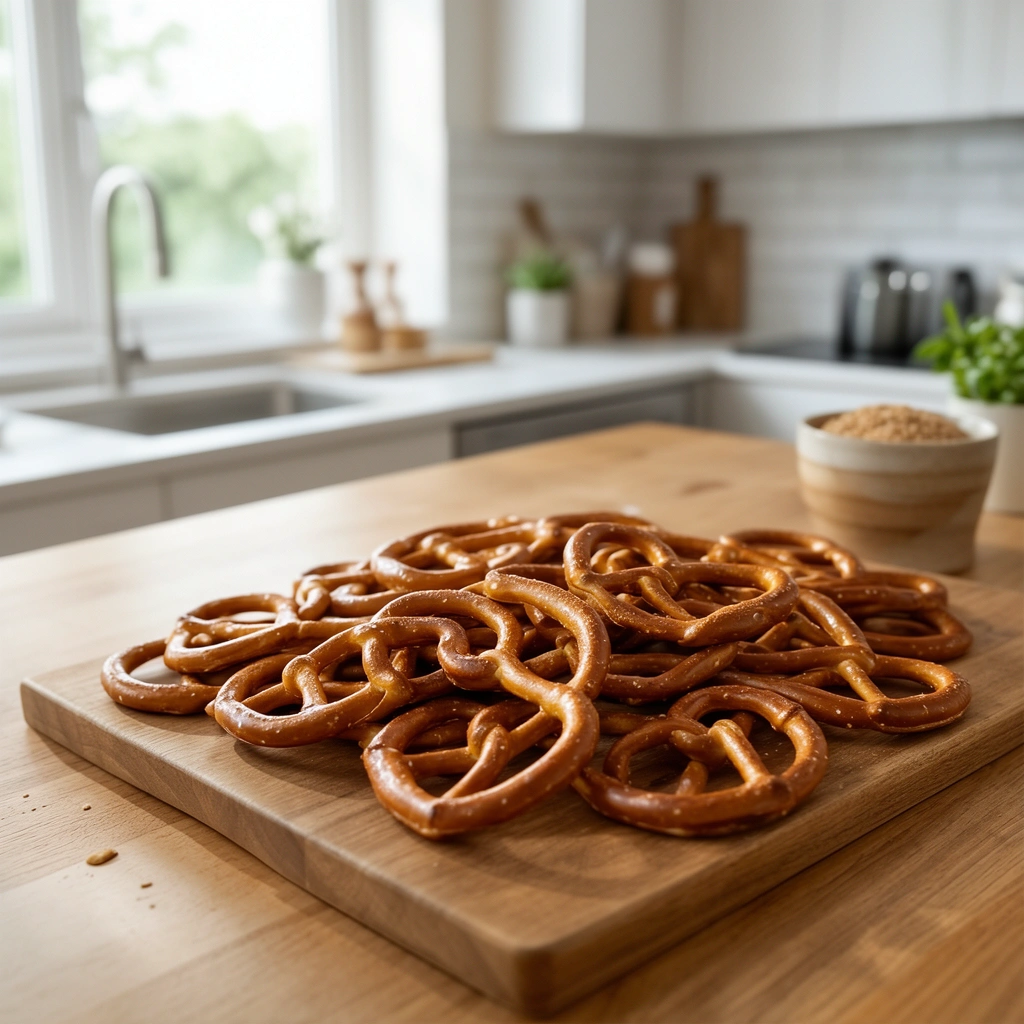
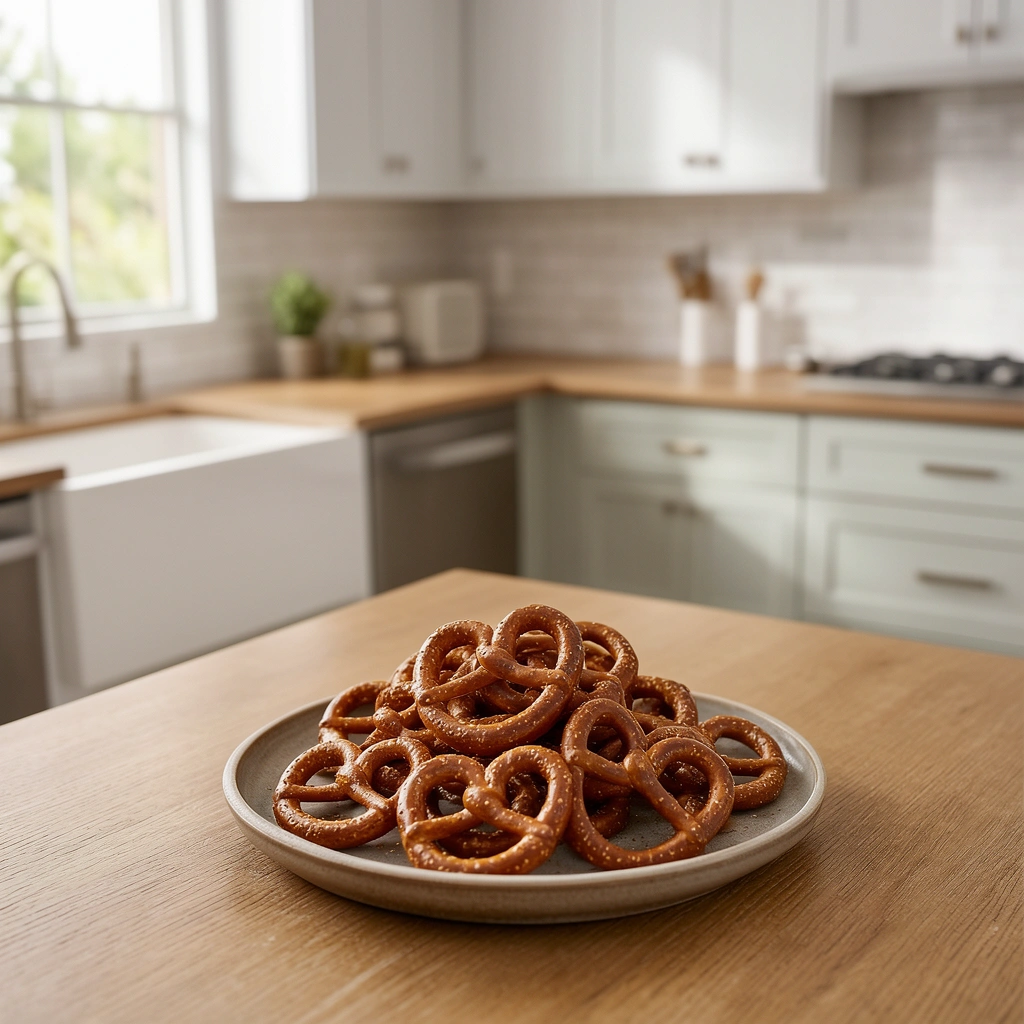
So what exactly am I talking about when I say “dog pretzels”? These aren’t the same twisted, salty snacks sitting in your pantry. Dog pretzels are homemade treats shaped like classic pretzels but made from ingredients that are actually good for your dog’s body.
Think of them as a fun-shaped biscuit. They give you that satisfying pretzel look without any of the salt, sugar, or seasoning risks. Plus, making them at home means you control exactly what goes into your dog’s belly.
Here’s a quick breakdown of the key terms you’ll run into throughout this guide:
Whole wheat flour
: A dog-friendly flour alternative that’s easier to digest than refined white flour and offers more fiber.
Peanut butter (xylitol-free)
: A natural binder and flavor booster dogs go crazy for. Always double-check the label for xylitol before using.
Low-sodium chicken broth
: Used instead of water to add flavor without the salt overload.
Egg wash
: A beaten egg brushed on top before baking, giving the pretzel that shiny, bakery-style finish.
Pretzel shape
: The classic twisted loop shape, though for dog treats, a simple stick or ring works just as well and is easier to manage.
Ingredients You’ll Need
- 2 cups whole wheat flour
- 1/2 cup natural peanut butter (no xylitol, no added sugar)
- 1/2 cup low-sodium chicken broth
- 1 large egg (for the wash)
- 1 tablespoon olive oil
- 1/2 teaspoon baking powder (optional, for a slightly softer texture)
That’s it. No salt packets, no seasoning blends, nothing sketchy. Just simple stuff you probably already have in your kitchen.
Step-by-Step: How to Make Dog Pretzels
I’ll walk you through this like I’m standing right next to you in the kitchen.
- Preheat your oven to 350°F (175°C) and line a baking sheet with parchment paper.
- Mix dry ingredients. In a large bowl, combine the whole wheat flour and baking powder if you’re using it.
- Add wet ingredients. Stir in the peanut butter, olive oil, and chicken broth. Mix until a dough starts forming.
- Knead the dough. Turn it out onto a floured surface and knead for about 3-4 minutes until it feels smooth and holds together well.
- Roll and shape. Break off small pieces and roll them into thin ropes, about 6 inches long. Fold each rope into a pretzel shape, or keep it simple with a loop or stick shape.
- Apply egg wash. Brush the tops lightly with beaten egg. This gives them that golden, glossy finish dogs (and you) will love looking at.
- Bake. Place them on your prepared sheet and bake for 20-25 minutes, or until they’re firm and golden brown.
- Cool completely. Let them sit on a wire rack for at least 30 minutes before serving. They’ll firm up more as they cool.
- Store properly. Keep them in an airtight container for up to a week, or freeze for up to three months.
That’s really it. No fancy equipment, no complicated techniques. Just basic baking with dog-safe ingredients.
Tips for Success
Getting these right the first time is easier when you keep a few things in mind.
- Use a food scale if you want consistent treat sizes, especially if your dog is small and needs smaller portions.
- Don’t skip the cooling step. Warm treats feel soft, but they harden up nicely once cooled, giving them that satisfying crunch.
- If your dough feels too sticky, add flour a tablespoon at a time rather than dumping in extra all at once.
- Always check your peanut butter label every single time you buy it. Manufacturers sometimes change recipes without much warning, and xylitol has snuck into brands that never used to have it.
- Bake a test batch first if you’re trying a new flour type. Some dogs have sensitive stomachs, and it’s smarter to test small before making a huge batch.
Common Mistakes and How to Avoid Them
I’ve made a few of these mistakes myself, so let me save you the trouble.
Mistake: Using regular table salt or seasoning blends in the dough.
Fix: Skip salt entirely. Dogs don’t need it, and their kidneys process sodium far less efficiently than ours.
Mistake: Grabbing whatever peanut butter is on the shelf without reading labels.
Fix: Always confirm the ingredient list. Look specifically for xylitol, sometimes labeled as “birch sugar.”
Mistake: Overbaking until treats turn hard as rocks.
Fix: Keep an eye on them after the 20-minute mark. Ovens vary, and a couple extra minutes can dry them out more than expected.
Mistake: Giving too many treats at once because your dog begs.
Fix: Treats should only make up about 10% of your dog’s daily calories. Even healthy homemade snacks add up fast.
Mistake: Storing them while still warm.
Fix: This traps moisture and can lead to mold forming faster. Always cool completely before sealing them up.
Similar Variations You Can Try
Once you’ve got the basic recipe down, it’s fun to switch things up. Here are a few variations I’ve tried and loved.
Pumpkin pretzel dog treats
: Swap the chicken broth for pure pumpkin puree. This adds fiber and a subtle sweetness dogs enjoy, plus it’s gentle on digestion.
Sweet potato pretzels
: Mash cooked sweet potato and mix it into the dough instead of broth. Great for dogs who need extra vitamin A.
Cheese-flavored pretzels
: Add a quarter cup of finely shredded low-fat cheese into the dough for a savory twist. Just watch portions since cheese is higher in fat.
Grain-free pretzels
: Replace whole wheat flour with a mix of oat flour and coconut flour for dogs with grain sensitivities.
Soft-baked pretzel bites
: Shorten the baking time by about 5 minutes for a chewier texture, ideal for senior dogs or those with dental issues.
Wrapping It Up
Making pretzels for dogs at home really isn’t complicated once you know what to avoid and what to swap in. Regular pretzels bring too much salt and too many risky ingredients to the table, but a homemade version gives your dog all the fun of that classic shape without any of the worry.
I love watching my dog’s tail wag the second these come out of the oven. It’s a small thing, but it makes both of us happy. Give this recipe a try, keep those tips and common mistakes in mind, and you’ll have a treat that’s both safe and genuinely enjoyable for your pup.