Almond Butter Dog Treats: The Ultimate Homemade Recipe Your Pup Will Beg For
Ever caught your dog staring at you with those big, hopeful eyes while you’re eating a spoonful of almond butter? I have. And that’s exactly why I started making almond butter dog treats at home. They’re simple, they smell amazing, and my dog goes absolutely wild for them.
If you’ve been searching for a safe, tasty snack that isn’t loaded with weird preservatives, you’re in the right spot. Almond butter dog treats are easy to whip up, even if you’ve never baked a single thing in your life. Let’s get into everything you need to know.
What Are Almond Butter Dog Treats?
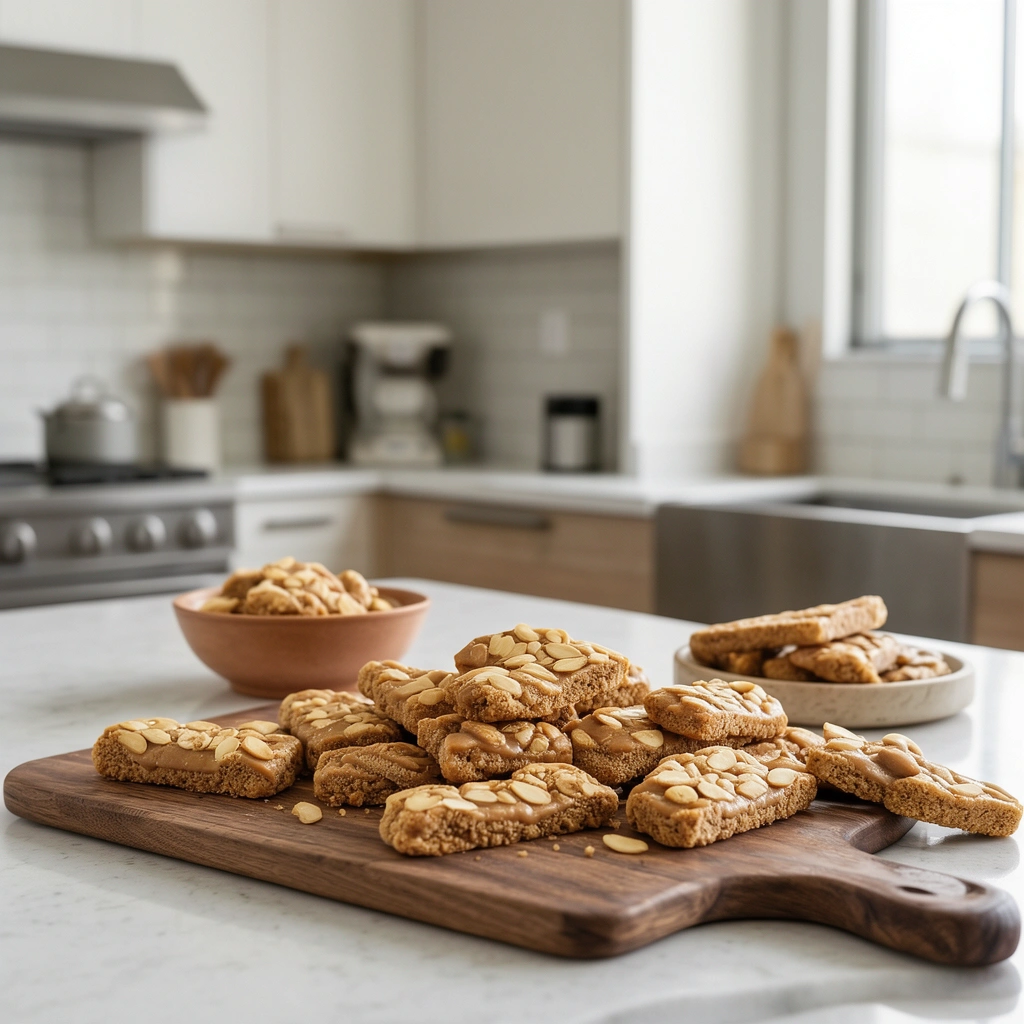
So what exactly am I talking about here? Almond butter dog treats are homemade snacks made using almond butter as the main flavor and binding ingredient, mixed with dog-safe flour, oats, and sometimes eggs or pumpkin.
Unlike peanut butter, almond butter is a bit less common in the dog treat world. But it’s actually a great option for pups who might have peanut allergies or sensitivities. It’s rich, creamy, and packed with healthy fats.
Here’s the thing though — not all almond butter is safe for dogs. You have to pick the right kind. Plain, unsalted, unsweetened almond butter is the only version you should ever use. Anything with xylitol (a sugar substitute) is dangerous and can be toxic to dogs. I always double-check the label before buying.
These treats work great for training rewards, birthday surprises, or just a random Tuesday when your dog deserves something special.
Key Terms You Should Know
Before we jump into the recipe, let’s clear up a few terms you’ll see throughout this guide.
Almond Butter
: A spread made from ground almonds, similar to peanut butter but nuttier and slightly grittier in texture.
Xylitol
: A sugar substitute found in many processed foods that is extremely toxic to dogs, even in small amounts.
Binder
: An ingredient like egg or mashed banana that helps hold the dough together.
Dog-Safe Flour
: Flours like oat flour, whole wheat flour, or coconut flour that won’t upset your dog’s stomach.
Rolling Consistency
: The texture dough needs to reach before you can shape it into treats without it sticking to everything.
Ingredients You’ll Need
Here’s what I usually grab before starting this recipe:
- 1 cup almond butter (unsalted, unsweetened, no xylitol)
- 2 cups oat flour or whole wheat flour
- 1 egg
- 1/2 cup pumpkin puree (plain, not the spiced pie filling)
- 1/4 cup water (add more if needed)
- Optional: a pinch of cinnamon for extra aroma
That’s it. No fancy ingredients, no trip to a specialty store required.
Step-by-Step: How to Make Almond Butter Dog Treats
Alright, let’s get baking. I promise this is easier than it looks.
- Preheat your oven to 350°F (175°C).
- In a large bowl, mix the almond butter, egg, and pumpkin puree until smooth.
- Slowly add the flour, one cup at a time, stirring as you go.
- Add water a little at a time until the dough becomes firm but not sticky.
- Knead the dough for about a minute on a floured surface.
- Roll the dough out to about 1/4 inch thickness.
- Use a cookie cutter (or just a knife) to cut out fun shapes.
- Place the treats on a lined baking sheet, leaving space between each one.
- Bake for 20-25 minutes, or until the edges turn golden brown.
- Let them cool completely before serving. This step matters more than people think.
That’s the whole process. Once you’ve made it once, you’ll have it memorized in no time.
Tips for Success
I’ve made these treats more times than I can count, and I’ve picked up a few tricks along the way.
- Always read the almond butter label twice. Xylitol hides in sneaky places.
- Use parchment paper on your baking sheet. It saves you from a sticky cleanup mess.
- Don’t rush the cooling process. Warm treats can crumble apart easily.
- Store extras in an airtight container in the fridge for up to a week.
- Freeze a batch if you’re making a large amount. They thaw quickly when needed.
- Cut treats smaller for training sessions so your dog doesn’t get too full too fast.
- Add a tiny bit of extra water if your dough feels dry and cracks when rolling.
Small details like these make a big difference in how the treats turn out.
Common Mistakes and How to Avoid Them
Even simple recipes can go sideways. Here’s where people usually slip up.
Using Sweetened Almond Butter
: This is the biggest mistake. Sweetened versions often contain sugar or xylitol, which is toxic. Always choose plain almond butter.
Skipping the Xylitol Check
: Some “natural” almond butters still sneak in xylitol as a low-calorie sweetener. Read every label, every time.
Overbaking the Treats
: Baking too long makes treats rock hard. Keep an eye on the oven around the 20-minute mark.
Not Measuring Almond Butter Correctly
: Too much almond butter makes the dough greasy and hard to shape. Stick close to the recipe amounts.
Ignoring Portion Size
: Almond butter is high in fat. Giving your dog too many treats can lead to an upset stomach or weight gain over time.
Forgetting to Cool the Treats
: Serving them warm can cause them to fall apart in your dog’s mouth, which isn’t fun for anyone.
Avoiding these little errors will save you time, money, and a frustrated dog waiting for a treat that didn’t turn out right.
Similar Variations You Can Try
Once you’ve nailed the basic recipe, it’s fun to switch things up. Here are a few variations I’ve tried myself.
- Banana Almond Butter Treats — Swap the pumpkin for mashed banana for a sweeter taste.
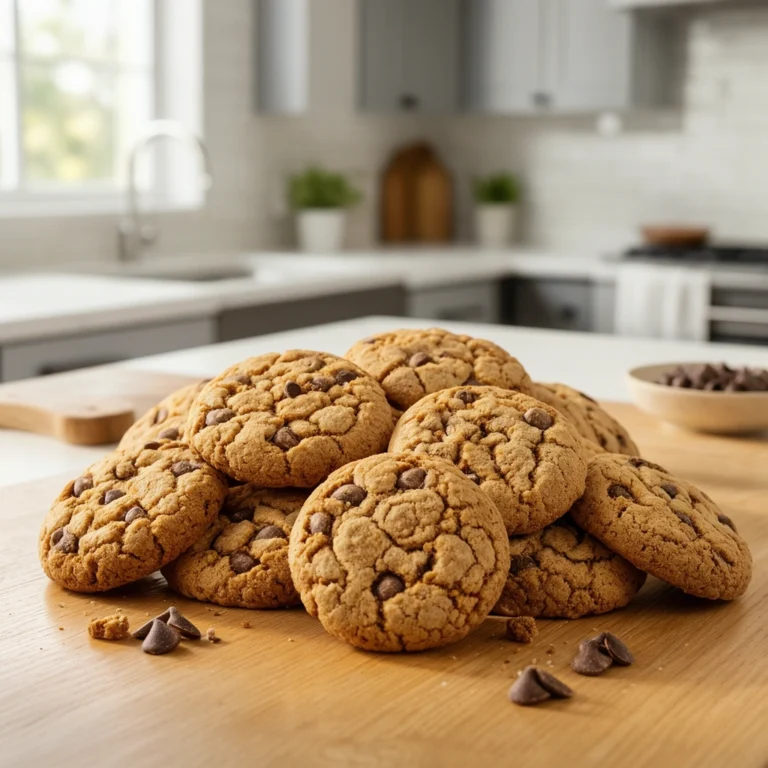
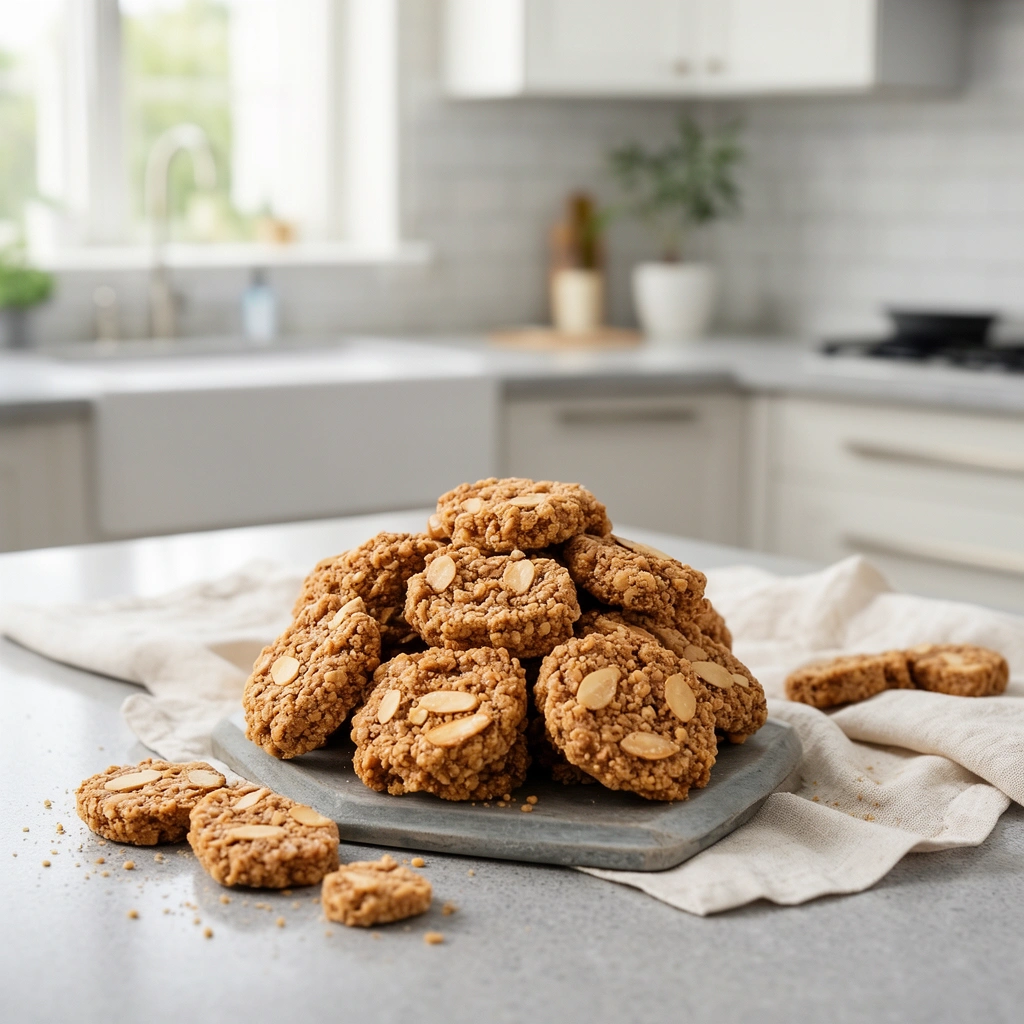
- Oatmeal Almond Butter Cookies — Add extra oats for a chewier texture.
- Almond Butter and Carrot Treats — Mix in grated carrots for added crunch and nutrients.
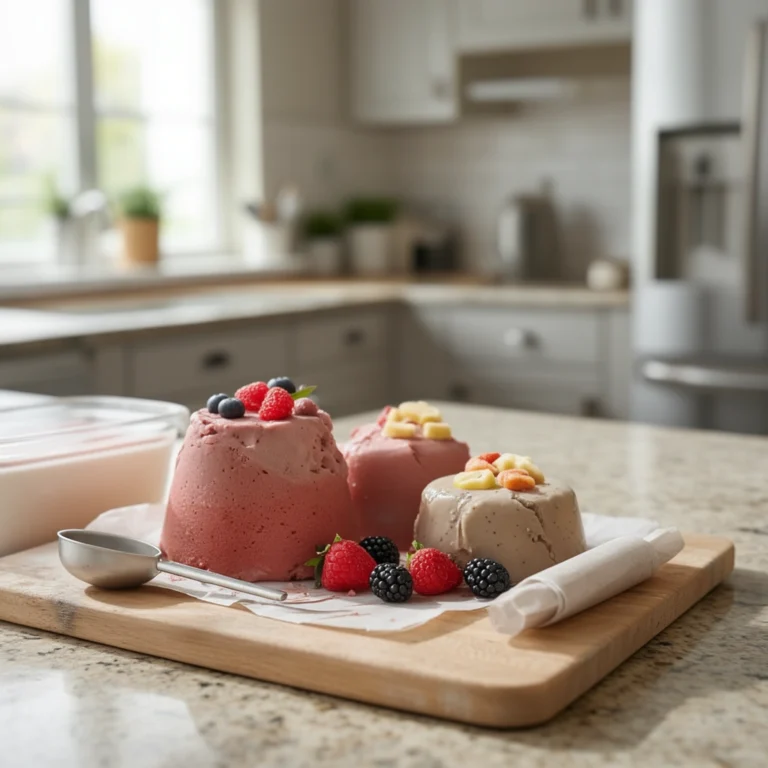
- Frozen Almond Butter Bites — Skip baking and freeze small dollops of the mixture in an ice cube tray for a cool summer snack.
- Almond Butter Training Bites — Roll the dough into tiny balls instead of cutting shapes, perfect for quick training rewards.
Each variation keeps the almond butter base but changes the flavor or texture just enough to keep your dog curious and excited.
A Quick Word on Nutrition
Almond butter isn’t just about taste. It offers vitamin E, healthy fats, and magnesium, which can support your dog’s skin and coat health. That said, it’s still a treat, not a meal replacement. Moderation is key here. A small square or two a day is plenty for most dogs, depending on their size.
If your dog has never had almond butter before, start with a tiny amount first. Watch for any signs of an upset stomach or allergic reaction before making it a regular treat.
Wrapping It Up
Making almond butter dog treats at home isn’t complicated, and honestly, it’s kind of fun once you get into a rhythm. You control exactly what goes into each batch, which means no hidden sugars, no weird preservatives, and no guessing games about ingredients.
Give this recipe a shot the next time you want to spoil your furry friend. Your dog won’t just enjoy these almond butter dog treats — they’ll probably start begging for them by name (well, in dog language, anyway).